Why TRT Raises Hematocrit And What You Can Do About It
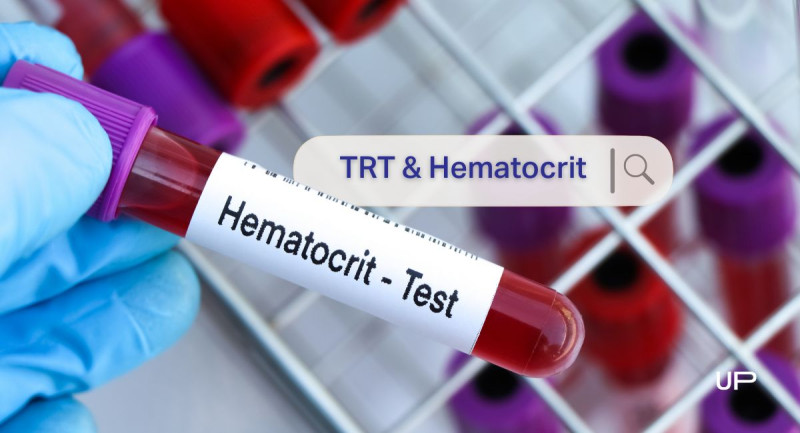

Many men begin testosterone replacement therapy (TRT) in Canada to feel stronger, more energized, and more like themselves again.
While the benefits can be life-changing, it is important to understand the lab markers your provider monitors throughout treatment. One of the most important is hematocrit, the percentage of your blood made up of red blood cells.
TRT can raise hematocrit levels in some men, and this shift can affect how efficiently blood flows through the body. When hematocrit climbs too high, it increases the thickness of the blood, which can place extra strain on the heart and circulatory system. The good news is that this effect is both predictable and manageable when caught early.
In this guide, we break down why hematocrit increases with TRT, what it means for your long-term health, and the steps you can take to keep your treatment safe and effective.
Topics covered in this article:
What Is Hematocrit and Why It Matters
Hematocrit is a simple but important measurement that tells you how much of your blood is made up of red blood cells. These cells carry oxygen throughout your body, support energy levels, and keep your organs functioning at their best. When hematocrit stays within a healthy range, blood flows smoothly and efficiently. When it rises too high, it can become a concern, especially for men on TRT.
Normal hematocrit ranges for men
For most adult men, a normal hematocrit range is roughly 41 to 50 percent, although exact reference values may vary slightly between labs. Levels above this range are typically considered elevated and may require monitoring or intervention, depending on how high they rise and whether you have any related symptoms.
What high hematocrit does to the body
When hematocrit increases, the blood becomes thicker. Thick blood does not move as easily through your blood vessels, which can make your heart work harder to push it through. Over time, this added strain can increase the risk of cardiovascular issues or blood clots if it is not addressed early. This is why hematocrit is one of the key safety markers tracked during TRT.
Symptoms men may notice
Some men feel completely normal even with elevated hematocrit, while others experience noticeable symptoms, such as:
- Headaches
- Flushing
- Dizziness
- Fatigue
- High blood pressure
These signs can be subtle at first, so regular bloodwork is the most reliable way to identify rising hematocrit.
A healthy hematocrit helps keep your blood flowing efficiently, your heart working smoothly, and your TRT experience safe. Understanding these basics prepares you for the next step, which is knowing why TRT can raise hematocrit in the first place.
Why TRT Can Increase Hematocrit
Testosterone plays an important role in the body, and one of its natural effects is stimulating the production of red blood cells. While this can boost energy and stamina, it can also raise hematocrit levels in some men using TRT. Understanding why this happens makes it easier to stay ahead of potential issues and maintain safe, effective treatment.
How testosterone stimulates red blood cell production
Testosterone signals the bone marrow to produce more red blood cells. This process supports oxygen delivery throughout the body, which can improve overall vitality. However, when production increases too much, hematocrit rises, leading to thicker blood. This effect is more common during TRT because the body is receiving additional hormone support.
The role of erythropoietin
Erythropoietin is a hormone produced mainly by the kidneys. It tells the bone marrow when to make red blood cells. Testosterone influences erythropoietin activity, increasing its signal and resulting in more red blood cell production. This hormonal chain reaction is one of the main reasons hematocrit can rise during TRT.
Why injections raise hematocrit more than gels or creams
Injectable testosterone reaches higher peak levels in the bloodstream compared to gels or creams. These peaks can trigger a stronger red blood cell response, raising hematocrit more noticeably. Transdermal options typically deliver testosterone more steadily, which can lower the chance of hematocrit climbing too high.
Risk factors such as age, smoking, sleep apnea, and altitude
Certain factors make some men more likely to develop elevated hematocrit during TRT. These include older age, smoking, untreated sleep apnea, and living at higher altitudes where oxygen levels are naturally lower. Each of these conditions increases the body’s need for red blood cells, making the effects of testosterone more pronounced.
Overall, TRT can raise hematocrit for predictable reasons, and knowing what influences these changes helps you and your provider manage them effectively.
Risks of High Hematocrit on TRT
When hematocrit rises too high, the blood becomes thicker and moves less efficiently through your blood vessels. This reduced flow can place extra strain on your heart and increase the risk of serious cardiovascular issues if it is not addressed in time. Understanding these risks helps you take the right steps early and stay safe while benefiting from TRT.
Potential risks include:
- Blood clots
- Stroke
- Heart attack
- High blood pressure
When hematocrit becomes medically concerning
Most providers pay close attention when hematocrit approaches or exceeds the upper end of the normal range. Levels above roughly 52 to 54 percent are typically considered elevated enough for intervention. At this point, the blood may be thick enough to interfere with proper circulation or raise cardiovascular risk. Even if you do not feel symptoms, your provider may recommend action to keep levels safe.
Why early monitoring is essential
High hematocrit does not always cause noticeable symptoms, which is why routine bloodwork is so important for men using TRT. Regular testing allows your provider to spot increasing levels early and address the issue before it becomes dangerous. Monitoring also helps ensure your TRT dose, schedule, and delivery method remain appropriate for your health.
In most cases, high hematocrit is manageable and reversible with timely adjustments, making consistent monitoring one of the most important parts of long-term TRT safety.
How to Lower Hematocrit While on TRT
If your hematocrit begins to climb, there are proven ways to bring it back into a safe range without losing the benefits of testosterone therapy. Most approaches are simple, effective, and guided by your healthcare provider. The goal is to reduce the concentration of red blood cells while keeping your TRT program on track.
Common strategies include:
- Therapeutic phlebotomy
- Blood donation
- Adjusting dose or frequency
- Switching formulation
- Lifestyle and hydration strategies
When each option is recommended
Your provider will decide which option is right for you based on how elevated your hematocrit is, how long you have been on TRT, and whether you have any related symptoms or risk factors.
- Therapeutic phlebotomy is often used when hematocrit reaches a higher threshold or needs to come down quickly.
- Blood donation may be appropriate if you qualify to donate and your levels are moderately elevated.
- Adjusting dose or frequency is usually recommended when changes in testosterone peaks are driving the increase.
- Switching formulations may help men who consistently develop high hematocrit with injections.
- Lifestyle changes such as drinking more water, reducing alcohol intake, treating sleep apnea, and avoiding smoking can support healthier blood flow and prevent further rises.
With proper guidance, most men can manage elevated hematocrit effectively and continue TRT safely while maintaining steady energy and overall well-being.
How Often Men on TRT Should Check Hematocrit
Routine bloodwork is one of the most important parts of staying safe on TRT. Hematocrit can rise gradually without causing obvious symptoms, so a consistent testing schedule helps catch changes early and prevents complications.
Baseline testing
Your provider should check your hematocrit before starting testosterone replacement therapy. This baseline number helps determine whether you already have a higher-than-average red blood cell count or any underlying factors that could affect your response to treatment.
3–6 month follow-ups
During the first year of TRT, hematocrit should be rechecked every 3 to 6 months. This is the period when hematocrit is most likely to rise, especially with injectable testosterone. These early follow-ups give your provider time to adjust your dosage, delivery method, or schedule if needed.
Annual monitoring after stabilization
Once your hormone levels are stable and your hematocrit remains within a healthy range, most providers switch to annual testing. This ensures that any gradual changes are still caught in time while keeping your monitoring routine simple and predictable.
When extra testing is required
Some men need additional checks if they have risk factors such as sleep apnea, smoking, a history of blood clots, or symptoms that suggest rising hematocrit. Extra testing may also be recommended if you change your TRT dosage, switch formulations, or experience symptoms like headaches, flushing, or elevated blood pressure.
Regular monitoring helps you stay ahead of potential issues, keeping your TRT experience both safe and effective over the long term.
When High Hematocrit Requires TRT Adjustments
If hematocrit continues to rise despite basic strategies, your provider may recommend changes to your TRT plan. These adjustments are designed to keep treatment safe while still helping you feel the benefits of balanced testosterone.
Dose reduction
Lowering your TRT dose is one of the most common ways to bring hematocrit back into a safer range. A smaller dose reduces the hormonal signal that stimulates red blood cell production. This option is usually considered when hematocrit rises gradually or sits just above the recommended limit.
Switching to gels or creams
Men who consistently develop high hematocrit with injections may respond better to gels or creams. These formulations deliver testosterone more steadily, minimizing the peaks that can trigger stronger red blood cell production. Switching methods can help stabilize hematocrit without sacrificing symptom relief.
Temporary cessation
If hematocrit becomes significantly elevated or reaches a level that concerns your provider, a short break from TRT may be recommended. This pause allows your red blood cell count to return to a safe range before restarting treatment. Once levels normalize and any contributing factors are addressed, TRT can often be resumed with adjustments.
These modifications are meant to protect your long-term health while helping you stay on a treatment plan that continues to support your energy, mood, and overall well-being.
Supporting Long-Term Safety on TRT
Staying safe on testosterone therapy is not just about managing hematocrit in the moment. Long-term health comes from ongoing monitoring, open communication, and a clear understanding of how your body responds to treatment. These habits help you maintain steady benefits while avoiding preventable complications.
Working with your healthcare provider
Your provider plays a central role in helping you navigate TRT safely. Regular check-ins allow them to review your lab results, discuss any changes in symptoms, and adjust your treatment plan as needed. Partnering closely with a knowledgeable clinician ensures you stay on the right path.
Tracking symptoms and lab results
Many men feel great on TRT, which can make it easy to overlook subtle changes. Paying attention to symptoms like headaches, flushing, or unusual fatigue can help you spot potential hematocrit issues early. Keeping a record of your lab results also gives you a clear picture of how your body responds over time.
Keeping TRT effective and safe
Combining monitoring, communication, and healthy habits creates a strong foundation for long-term success. When you remain consistent with testing and follow your provider’s guidance, TRT can stay both effective and safe for years to come. Focus on balance, awareness, and proactive care to make the most of your therapy.
This section sets the stage for a confident, supportive conclusion that reassures readers while emphasizing safety.
Final Thoughts
High hematocrit on TRT can sound worrying, but the good news is that it is one of the most manageable parts of treatment. With routine monitoring and early action, most men keep their levels in a safe range without giving up the benefits of testosterone therapy.
Staying consistent with bloodwork is the simplest and most effective way to protect your long-term health. Regular testing helps your provider spot trends early, make small adjustments when needed, and ensure your treatment continues to work as intended.
If your hematocrit does rise, you are not alone. Your healthcare provider can guide you through the right steps, whether that means adjusting your dose, switching formulations, or exploring supportive strategies. With the right plan and ongoing care, TRT can remain both safe and effective for many years.
FAQs
No. TRT can raise hematocrit in some men, but not everyone experiences this side effect. Genetics, dosage, delivery method, and underlying health conditions all play a role.
Most providers become concerned when hematocrit approaches or exceeds 52 to 54 percent. At this level, the blood may be thick enough to increase cardiovascular risks.
Yes, in many cases. Most men can continue TRT with adjustments such as phlebotomy, dose changes, or switching to a different delivery method. Your provider will guide you based on your levels and symptoms.
Hematocrit usually rises within the first few months of therapy, especially with injectable testosterone. This is why follow-up testing at 3 to 6 months is recommended.
The most common options include therapeutic phlebotomy, blood donation, adjusting your TRT dose, switching formulations, and following lifestyle strategies such as staying hydrated and treating sleep apnea.
References
UPGUYS has strict sourcing guidelines to ensure our content is accurate and current. We rely on peer-reviewed studies, academic research institutions, and medical associations. We strive to use primary sources and refrain from using tertiary references.- Testosterone Therapy for Hypogonadism Guideline Resources, Endocrine Society,
https://www.endocrine.org/clinical-practice-guidelines/testosterone-therapy - Erythrocytosis, Cleveland Clinic,
https://my.clevelandclinic.org/health/diseases/23468-erythrocytosis - Secondary Polycythemia, NIH,
https://www.ncbi.nlm.nih.gov/books/NBK562233/
This article is written for informational purposes only and does not constitute medical advice. The information provided in the articles cannot and should not replace advice from a healthcare professional. Talk to your healthcare provider about any physical or mental health concerns or the risks and benefits of any treatment or medication.






UPRX Pharmacy (West) Licenced by:
College of Pharmacists of British Columbia
Licence Number: 38287
1221543 B.C. LTD
224 – 3989 Henning Dr.
Burnaby BC, V5C 6P8 Canada
P: 604-291-1094 F: 604-291-0827
Pharmacy Manager: Mehrdad Rezaei
UPRX Pharmacy (East)
Accredited by:
Ontario College of Pharmacists
Accreditation Number: 309322
1000286128 Ontario Inc.
105 - 91 Skyway Ave
Etobicoke, ON M9W 6R5 Canada
P: 416-679-1774 F: 416-679-1808
Designated Manager: Todd Spetter