TRT And Alcohol: Can You Drink While On Testosterone Therapy?
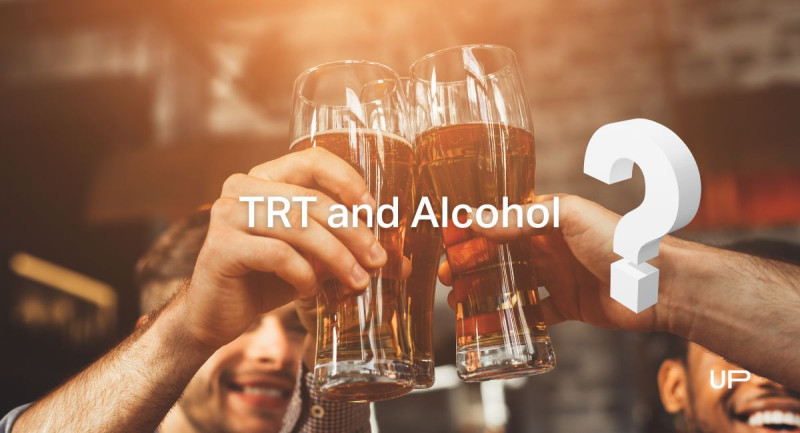

Many men over 40 use testosterone replacement therapy (TRT) in Canada to improve energy, mood, and overall well-being. At the same time, alcohol is a normal part of social life, especially in a country where weekend drinks, dinners, and gatherings often include it.
Naturally, one of the most common questions men ask is whether drinking alcohol is safe or harmful while on TRT.
Since both alcohol and testosterone are processed through the body’s metabolic and hormonal pathways, understanding how they interact helps men make smarter decisions about their health. This guide explains what happens when alcohol and TRT mix, what research shows, and how to drink responsibly while keeping your therapy effective.
Topics covered in this article:
- How Alcohol Affects Testosterone and Hormone Balance
- One-Minute Takeaway
- What the Research Says: Alcohol, Testosterone, and TRT Outcomes
- Can You Drink at All While on TRT? Guidelines and Best Practices
- Risks of Mixing Alcohol and TRT
- How to Safely Manage Alcohol While on TRT
- When Drinking Means You Should Reconsider TRT or Lifestyle
- Final Thoughts
- Frequently Asked Questions (FAQs)
- References
How Alcohol Affects Testosterone and Hormone Balance
Alcohol influences hormone production, metabolism, and liver function, all of which play roles in how testosterone behaves in the body. Even moderate drinking can affect short-term hormone balance, while heavier drinking can have longer-term consequences.
Short-term effects on testosterone levels
Even small amounts of alcohol can temporarily lower testosterone levels for several hours. Alcohol interferes with the enzymes that help produce testosterone, leading to short dips that may be more noticeable in men with already low baseline levels.
Long-term or heavy drinking and testosterone suppression
Regular heavy drinking reduces the body’s ability to produce testosterone altogether. It damages the testicular cells responsible for hormone production and disrupts the brain signals that regulate hormone output.
Liver load and hormone processing
The liver plays an important role in clearing excess hormones. When alcohol demands priority processing, hormone metabolism slows down. For men on TRT, this can lead to slight fluctuations in how the therapy is absorbed or cleared.
Understanding these effects helps set realistic expectations for how alcohol influences both natural testosterone levels and TRT outcomes.
One-Minute Takeaway
- Most men can drink alcohol while on TRT if they keep it moderate.
- Light to moderate drinking usually does not interfere with testosterone therapy.
- Heavy or frequent alcohol use can lower testosterone, strain the liver, and reduce TRT benefits.
- To stay safe: stay hydrated, avoid binge drinking, eat before drinking, and limit alcohol near injection days.
- Monitor how alcohol affects your energy, mood, and sleep, and adjust your habits if symptoms worsen.
- With smart choices and regular check-ins with your provider, you can enjoy occasional drinks without compromising TRT results.
What the Research Says: Alcohol, Testosterone, and TRT Outcomes
Research shows that alcohol can influence testosterone levels, mood, and energy, but the impact varies based on how much a person drinks.
Studies on alcohol consumption and testosterone levels
Heavy alcohol use is linked to decreased testosterone production, reduced fertility, and impaired hormone regulation. Moderate drinking shows more subtle changes, but it can still influence day-to-day hormone balance.
Impact on energy, mood, and vitality
Alcohol can worsen daytime fatigue, increase irritability, and reduce workout recovery. Since men start TRT to improve these exact areas, alcohol may counteract some of the benefits.
What is known and unknown
Research clearly shows that heavy alcohol use lowers testosterone, but there is less evidence about how occasional drinking impacts men already on TRT. Still, experts agree that moderation is usually safe if overall health is good.
Can You Drink at All While on TRT? Guidelines and Best Practices
For most men, drinking in moderation while on TRT is generally safe. The key is understanding what moderation means and identifying situations where alcohol should be avoided.
Light to moderate drinking
Moderate drinking typically means up to
- 1 to 2 drinks per occasion
- No more than 7 drinks per week
This level is unlikely to meaningfully interfere with TRT for most men.
Situations to avoid alcohol
Avoid drinking if you have:
- Liver disease
- Uncontrolled blood pressure
- Ongoing fatigue on TRT
- Depression worsened by alcohol
- Medication interactions (consult your provider)
Best practices for safe drinking on TRT
- Drink slowly
- Stay hydrated
- Avoid binge drinking
- Avoid alcohol the night before blood tests
- Eat before drinking
- Limit alcohol close to injection days
Moderation and awareness help men enjoy alcohol without undermining their TRT.
Risks of Mixing Alcohol and TRT
Alcohol and TRT do not usually create direct medical danger, but they can influence each other in ways that impact your results.
Testosterone suppression or hormone imbalance
Alcohol naturally lowers testosterone. Drinking too much may reduce the benefits men expect from TRT.
Liver strain
Both alcohol and hormones are processed through the liver. Excessive drinking may place unnecessary strain on this organ.
Negating TRT benefits
Alcohol may reduce energy, disturb sleep, interfere with fat loss, and lower motivation, all of which can compete with the intended effects of testosterone therapy.
How to Safely Manage Alcohol While on TRT
Small, consistent habits help protect your hormone levels and overall well-being.
Helpful strategies include:
- Limiting alcohol to moderate amounts
- Staying hydrated before and after drinking
- Avoiding heavy or binge drinking
- Tracking sleep quality on drinking nights
- Monitoring bloodwork regularly
- Avoiding drinking near injection times
Working with your healthcare provider
Your provider can help determine what amount of alcohol is safe based on your dosage, response to TRT, and overall health.
When to pause or adjust TRT
If alcohol consumption increases or starts affecting your progress, your provider may adjust your dose or recommend lifestyle changes to support better hormone stability.
When Drinking Means You Should Reconsider TRT or Lifestyle
Some men may need to reduce or stop drinking if it interferes with therapy.
Heavy or frequent alcohol use
If you consume alcohol daily or in large amounts weekly, hormones may never stabilize. TRT may be less effective in these circumstances.
Liver disease or elevated liver enzymes
Men with liver conditions need closer monitoring or may require alternative approaches.
Inconsistent TRT results despite adherence
If energy, libido, or mood are not improving as expected, alcohol may be one of the hidden contributors.
Final Thoughts
Drinking alcohol while on TRT is not an all-or-nothing issue. Most men can safely enjoy moderate alcohol without compromising their hormone therapy. The key is staying aware of how much you drink, staying consistent with monitoring, and being honest with yourself about how alcohol affects your mood, energy, and overall progress.
With the right balance, men can enjoy occasional drinks while still getting the full benefits of TRT.
Frequently Asked Questions (FAQs)
Yes. Most men can safely drink in moderation while on TRT. Light to moderate alcohol consumption is unlikely to interfere with therapy for the average healthy adult.
Moderate drinking usually means 1 to 2 drinks at a time, with a weekly total of no more than 7 drinks. Heavier drinking can affect testosterone levels and liver health.
Heavy alcohol use can reduce testosterone levels and may blunt some of the benefits of TRT. Moderate use is less likely to cause significant changes.
It is best to avoid alcohol the night before or immediately after an injection to prevent dehydration and reduce potential hormone fluctuations.
Avoid drinking if you have liver disease, uncontrolled health conditions, or if alcohol worsens your energy, mood, or sleep. Ask your provider for personalized advice.
References
UPGUYS has strict sourcing guidelines to ensure our content is accurate and current. We rely on peer-reviewed studies, academic research institutions, and medical associations. We strive to use primary sources and refrain from using tertiary references.- The effects of alcohol on testosterone synthesis in men: a review, PubMed,
https://pubmed.ncbi.nlm.nih.gov/36880700/ - Posterior fossa cysts. Clinical, neuroradiological, and surgical features, PubMed,
https://pubmed.ncbi.nlm.nih.gov/2457831/ - Physiology, Mean Arterial Pressure, NIH,
https://www.ncbi.nlm.nih.gov/books/NBK538226/
This article is written for informational purposes only and does not constitute medical advice. The information provided in the articles cannot and should not replace advice from a healthcare professional. Talk to your healthcare provider about any physical or mental health concerns or the risks and benefits of any treatment or medication.




UPRX Pharmacy (West) Licenced by:
College of Pharmacists of British Columbia
Licence Number: 38287
1221543 B.C. LTD
224 – 3989 Henning Dr.
Burnaby BC, V5C 6P8 Canada
P: 604-291-1094 F: 604-291-0827
Pharmacy Manager: Mehrdad Rezaei
UPRX Pharmacy (East)
Accredited by:
Ontario College of Pharmacists
Accreditation Number: 309322
1000286128 Ontario Inc.
105 - 91 Skyway Ave
Etobicoke, ON M9W 6R5 Canada
P: 416-679-1774 F: 416-679-1808
Designated Manager: Todd Spetter