TRT And Belly Fat: Does Testosterone Help Reduce Abdominal Fat?
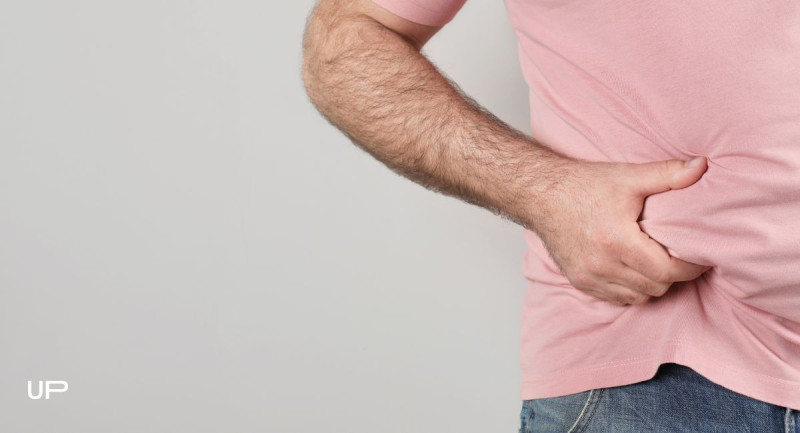

Belly fat is one of the most common—and frustrating—changes many men notice as they get older. Even with regular exercise and a decent diet, fat around the waist can become harder to lose, leading many to wonder if hormones are playing a role.
More men are exploring testosterone replacement therapy (TRT) in Canada not just for energy and mood, but also for changes in body composition—especially stubborn abdominal fat. While testosterone does influence how the body stores and uses fat, the relationship is not as simple as “more testosterone equals less belly fat.”
Understanding what TRT can and cannot do is key. This guide explains how testosterone affects belly fat, whether TRT can help, and what to realistically expect.
Topics covered in this article:
- Can TRT Reduce Belly Fat?
- Why Do Men Gain Belly Fat as Testosterone Declines?
- What Is Visceral Fat and Why Does It Matter?
- How Testosterone Affects Fat Distribution
- Can TRT Help Reduce Visceral Fat?
- What TRT Can’t Do for Belly Fat
- Why Some Men Don’t Lose Belly Fat on TRT
- How to Improve Results While on TRT
- When Should You Be Concerned About Belly Fat?
- When Should You Speak to a Healthcare Provider?
- Frequently Asked Questions About TRT and Belly Fat
- Conclusion: TRT Can Support Fat Loss—But It’s Not the Whole Solution
- References
Can TRT Reduce Belly Fat?
Yes—but indirectly and not on its own.
How TRT can help
TRT may support reductions in belly fat by improving underlying factors such as:
- Muscle mass, which can increase metabolism
- Energy levels, making physical activity more sustainable
- Fat distribution, reducing the tendency to store fat in the abdominal area
These changes can make it easier for the body to shift toward a healthier composition over time.
Why it’s not a direct fat-loss solution
TRT does not act as a fat-burning treatment.
- It does not specifically target belly fat
- It does not replace diet or exercise
- Results depend heavily on overall lifestyle
Without supportive habits, changes in abdominal fat may be limited.
What to realistically expect
- Changes are usually gradual, not immediate
- Some men see improvements in body composition rather than weight
- Results vary based on individual health and consistency
Key takeaway: TRT can help reduce belly fat by improving how the body regulates energy and fat storage—but it works best as part of a broader approach, not as a standalone solution.
Why Do Men Gain Belly Fat as Testosterone Declines?
Lower testosterone is linked to increased visceral fat, particularly around the abdomen. This means that as testosterone levels drop, the body becomes more likely to store fat around the midsection rather than burn it efficiently.
Aging and natural hormone decline
As men get older, testosterone levels gradually decrease. At the same time:
- Metabolism tends to slow down
- Muscle mass naturally declines
- The body becomes less efficient at using calories
This combination makes it easier to gain fat—even without major changes in diet or activity. For many men, this shows up first as an increase in belly fat.
Hormonal shifts and fat storage
Testosterone helps regulate how the body uses energy.
When levels drop:
- The body builds less muscle
- Muscle burns calories, so fewer calories are used at rest
- Excess energy is more likely to be stored as fat
Over time, this shift makes it harder to maintain a lean body composition.
Changes in fat distribution
Testosterone doesn’t just affect how much fat you have—it affects where it goes.
- Higher levels support a more balanced fat distribution
- Lower levels are linked to increased visceral fat
- Fat is more likely to accumulate around the abdominal area
This is why many men notice that fat seems to “move” toward the belly as they age.
Key takeaway: As testosterone declines, changes in metabolism, muscle mass, and fat distribution make it easier to gain—and harder to lose—belly fat.
What Is Visceral Fat and Why Does It Matter?
Visceral fat is the deep fat stored around your internal organs in the abdomen—and it matters because it is closely linked to metabolic health risks, not just appearance.
Deep abdominal fat (not just what you see)
Not all belly fat is the same.
- Subcutaneous fat sits just under the skin (what you can pinch)
- Visceral fat is stored deeper, around organs like the liver and intestines
Even if your weight looks “normal,” higher visceral fat can still be present and affect health.
Why visceral fat is different
Visceral fat is more biologically active than other types of fat.
- It releases substances that affect hormones and inflammation
- It can interfere with how the body regulates blood sugar and metabolism
- It is strongly linked to insulin resistance
This is why it’s considered more harmful than surface-level fat.
Waistline vs overall health
A growing waistline is not just a cosmetic issue—it can reflect changes happening internally.
- Increased abdominal fat is associated with higher cardiovascular risk
- It can signal underlying metabolic imbalance
- It is often one of the first visible signs of hormonal changes
This is also why men may notice belly fat increasing even when their overall weight hasn’t changed dramatically.
Key takeaway: Visceral fat is deep abdominal fat that affects your internal health—not just your appearance—making it an important factor in long-term metabolic and cardiovascular risk.
How Testosterone Affects Fat Distribution
Testosterone influences where and how your body stores fat by affecting muscle mass, metabolism, and how your body responds to insulin.
Muscle vs fat balance
Testosterone helps maintain lean muscle mass, which plays a key role in how your body uses energy.
- Higher muscle mass → more calories burned at rest
- Lower testosterone → muscle loss over time
- Less muscle → greater tendency to store fat
As muscle decreases, the body becomes more efficient at storing energy rather than using it—often leading to increased fat accumulation.
Insulin sensitivity and metabolism
Testosterone also affects how the body handles blood sugar.
- Healthy levels support better insulin sensitivity
- Lower levels can lead to reduced metabolic efficiency
- This can increase the likelihood of storing fat, especially in the abdominal area
Over time, this shift can make it harder to lose fat and easier to gain it.
Fat storage patterns
Testosterone plays a role in determining where fat is stored.
- Higher levels are associated with a more balanced fat distribution
- Lower levels are linked to increased visceral (abdominal) fat
- Fat is more likely to accumulate around the midsection
This is why men with lower testosterone often notice a shift toward central or belly fat, even without major changes in weight.
Key takeaway: Testosterone affects fat distribution by supporting muscle mass, regulating metabolism, and influencing where fat is stored—lower levels make abdominal fat accumulation more likely.
Can TRT Help Reduce Visceral Fat?
Yes, TRT can help reduce visceral fat—but the effect is indirect, gradual, and varies from person to person.
What the evidence suggests
Research shows that in men with low testosterone, TRT is associated with:
- Reductions in visceral (abdominal) fat
- Improvements in body composition
- Better overall metabolic health markers
These changes are not immediate and tend to occur over time as hormone levels stabilize.
Body composition vs weight
One important distinction is that TRT does not always lead to major weight loss.
- Some men lose fat while gaining muscle
- The number on the scale may not change significantly
- The more noticeable change is often in waist size and body shape
This is why focusing only on weight can be misleading.
Gradual and variable results
Changes in visceral fat typically happen:
- Over several months, not weeks
- Alongside improvements in energy and activity levels
- With support from diet, exercise, and sleep
Results depend on:
- Baseline testosterone levels
- Lifestyle habits
- Overall health
Key takeaway: TRT can support reductions in visceral fat by improving body composition and metabolism—but changes are gradual and most effective when combined with healthy lifestyle habits.
What TRT Can’t Do for Belly Fat
TRT can support changes in body composition, but it does not directly burn belly fat or replace the fundamentals required for fat loss.
Not a fat burner
TRT is not designed to actively burn fat.
- It does not directly target or reduce belly fat
- It works by improving underlying hormonal balance
- Any fat loss comes from broader metabolic changes over time
This is why results are gradual and not immediate.
Not a replacement for lifestyle
TRT cannot replace core habits that drive fat loss.
- Diet still plays a major role in calorie balance
- Physical activity is essential for reducing fat
- Sleep and recovery influence metabolism and hormones
Without these factors in place, changes in abdominal fat may be limited.
No spot reduction
TRT does not target specific areas of the body.
- Belly fat cannot be selectively reduced
- Fat loss occurs across the body, not just the waist
- Abdominal fat tends to be one of the last areas to change
This is a common source of frustration, even when overall progress is happening.
Setting realistic expectations
Understanding what TRT cannot do helps avoid disappointment.
- It supports the conditions for fat loss—but does not create it on its own
- Results depend on the full picture, not just hormone levels
Key takeaway: TRT is not a fat-burning treatment—it supports metabolic health, but meaningful changes in belly fat still depend on lifestyle and overall health.
Why Some Men Don’t Lose Belly Fat on TRT
Not all men lose belly fat on TRT, because fat loss depends on multiple factors beyond testosterone levels alone.
Diet and calorie balance
Even with optimized testosterone, fat loss still depends on energy balance.
- Consuming more calories than the body uses can prevent fat loss
- Highly processed or high-calorie diets can contribute to fat storage
- Small, consistent dietary habits often have the biggest impact over time
TRT does not override the effects of diet.
Physical activity levels
Activity plays a key role in how the body uses energy.
- Low activity can limit calorie expenditure
- Lack of resistance training may reduce muscle-building benefits
- Consistent movement supports better fat metabolism
Without enough activity, changes in body composition may be limited.
Sleep and recovery
Sleep directly affects hormones and metabolism.
- Poor sleep can increase fat storage signals
- It may affect appetite and energy levels
- Inadequate recovery can reduce the body’s ability to burn fat
Even with TRT, poor sleep can slow progress.
Other underlying conditions
In some cases, other health factors may be involved.
- Thyroid function
- Insulin resistance or metabolic issues
- Chronic stress or hormonal imbalances
These can make fat loss more difficult, regardless of testosterone levels.
Putting it all together
TRT supports the conditions for fat loss—but it does not guarantee it.
- Results depend on the full health picture
- Multiple factors need to align for meaningful change
Key takeaway: If belly fat isn’t improving on TRT, it’s usually due to diet, activity, sleep, or other health factors—not testosterone levels alone.
How to Improve Results While on TRT
Improving belly fat results on TRT comes down to supporting the hormonal changes with consistent, sustainable habits.
Focus on consistent nutrition
- Aim for a balanced, whole-food diet
- Be mindful of overall calorie intake
- Prioritize protein to support muscle maintenance
Small, consistent changes tend to have a bigger impact than short-term diets.
Stay physically active
- Include regular movement throughout the week
- Combine resistance training with light cardio
- Focus on consistency rather than intensity
Building and maintaining muscle helps support better fat metabolism.
Prioritize sleep and recovery
- Aim for consistent sleep each night
- Maintain a regular sleep schedule
- Address any ongoing sleep issues if present
Better sleep supports hormone balance and fat regulation.
Manage stress levels
- Identify sources of ongoing stress
- Incorporate simple routines to unwind
- Allow time for mental recovery
Chronic stress can make fat loss more difficult, even with TRT.
Track progress beyond weight
- Pay attention to waist circumference
- Notice changes in how clothes fit
- Monitor energy and overall well-being
Body composition changes may occur even if weight stays the same.
Key takeaway: TRT can support fat loss, but the best results come from combining it with consistent nutrition, activity, sleep, and stress management.
When Should You Be Concerned About Belly Fat?
You should be concerned about belly fat when it is increasing over time, resistant to lifestyle changes, or associated with other signs of metabolic health issues.
Increasing waistline over time
A gradual increase in abdominal size can signal underlying changes in metabolism.
- Belly fat that continues to grow despite stable weight
- A noticeable increase in waist circumference
- Fat accumulation that seems disproportionate to overall body weight
These changes may reflect shifts in hormonal or metabolic health.
Resistance to lifestyle changes
If belly fat does not respond to consistent efforts, it may be worth looking deeper.
- Limited progress despite regular exercise
- No change despite improved diet
- Ongoing difficulty losing fat compared to earlier years
This can suggest that additional factors—such as hormones or metabolic function—are involved.
Signs of metabolic health concerns
Belly fat is closely linked to internal health, not just appearance.
- Increased risk of insulin resistance
- Association with cardiovascular health concerns
- Possible link to other metabolic conditions
These risks are especially relevant when visceral fat is elevated.
When to take it seriously
- When abdominal fat is persistent and increasing
- When it is combined with low energy or other symptoms
- When there are concerns about overall health or risk factors
Key takeaway: Belly fat becomes a concern when it reflects deeper metabolic changes—not just appearance—especially if it is increasing, resistant to change, or linked to other health symptoms.
When Should You Speak to a Healthcare Provider?
You should speak to a healthcare provider if belly fat is persistent, worsening, or not responding to consistent lifestyle efforts.
Lack of progress despite effort
Consider seeking guidance if:
- You are exercising regularly with little to no change
- Your diet has improved but belly fat remains unchanged
- Progress has stalled for an extended period
This may indicate that additional factors need to be evaluated.
Associated symptoms
If belly fat is combined with other symptoms, it may be worth investigating further:
- Low energy or fatigue
- Reduced muscle mass or strength
- Changes in mood or motivation
These can point to underlying hormonal or metabolic issues.
Questions about testosterone and treatment
If you are wondering whether TRT may be appropriate:
- You suspect low testosterone may be contributing
- You want to understand your hormone levels
- You are considering treatment options
A healthcare provider can help assess your situation in context.
Ongoing concerns during TRT
If you are already on TRT:
- Belly fat is not improving as expected
- You are unsure how to interpret your progress
- You have concerns about your overall response
A provider can help evaluate next steps safely.
Key takeaway: If belly fat is persistent, resistant to change, or linked to other symptoms, speaking with a healthcare provider can help clarify the cause and guide appropriate next steps.
Frequently Asked Questions About TRT and Belly Fat
Yes, TRT can help reduce belly fat indirectly by improving body composition and metabolism, but it does not work on its own and requires supportive lifestyle habits.
As men age, testosterone levels decline, metabolism slows, and muscle mass decreases—making it easier to store fat, especially around the abdomen.
No, testosterone does not directly burn fat. It helps create conditions that support fat loss, such as increased muscle mass and improved metabolic function.
It varies. Some men notice gradual changes within a few months, but meaningful reductions in belly fat often take longer and depend on lifestyle and overall health.
Weight may not change because TRT can increase muscle while reducing fat. In other cases, diet, activity, sleep, or underlying conditions may be limiting progress.
Conclusion: TRT Can Support Fat Loss—But It’s Not the Whole Solution
TRT can play a meaningful role in improving body composition, particularly by supporting muscle mass, metabolism, and hormonal balance. For men with low testosterone, this can make it easier to reduce visceral fat over time.
However, TRT does not directly target belly fat, and it is not a replacement for the core factors that drive fat loss. Nutrition, physical activity, sleep, and overall health remain essential.
Understanding this balance is key. TRT can help remove hormonal barriers that make fat loss more difficult, but lasting results come from combining treatment with consistent, sustainable habits.
References
UPGUYS has strict sourcing guidelines to ensure our content is accurate and current. We rely on peer-reviewed studies, academic research institutions, and medical associations. We strive to use primary sources and refrain from using tertiary references.- Testosterone replacement therapy improves insulin resistance, glycaemic control, visceral adiposity and hypercholesterolaemia in hypogonadal men with type 2 diabetes, PubMed,
https://pubmed.ncbi.nlm.nih.gov/16728551/ - Testosterone and weight loss: the evidence, PubMed,
https://pmc.ncbi.nlm.nih.gov/articles/PMC4154787/ - Testosterone therapy: Potential benefits and risks as you age, Mayo Clinic,
https://www.mayoclinic.org/healthy-lifestyle/sexual-health/in-depth/testosterone-therapy/art-20045728
This article is written for informational purposes only and does not constitute medical advice. The information provided in the articles cannot and should not replace advice from a healthcare professional. Talk to your healthcare provider about any physical or mental health concerns or the risks and benefits of any treatment or medication.




UPRX Pharmacy (West) Licenced by:
College of Pharmacists of British Columbia
Licence Number: 38287
1221543 B.C. LTD
224 – 3989 Henning Dr.
Burnaby BC, V5C 6P8 Canada
P: 604-291-1094 F: 604-291-0827
Pharmacy Manager: Mehrdad Rezaei
UPRX Pharmacy (East)
Accredited by:
Ontario College of Pharmacists
Accreditation Number: 309322
1000286128 Ontario Inc.
105 - 91 Skyway Ave
Etobicoke, ON M9W 6R5 Canada
P: 416-679-1774 F: 416-679-1808
Designated Manager: Todd Spetter