How Much Testosterone Should You Take On TRT? Dosage Ranges And Protocols Explained
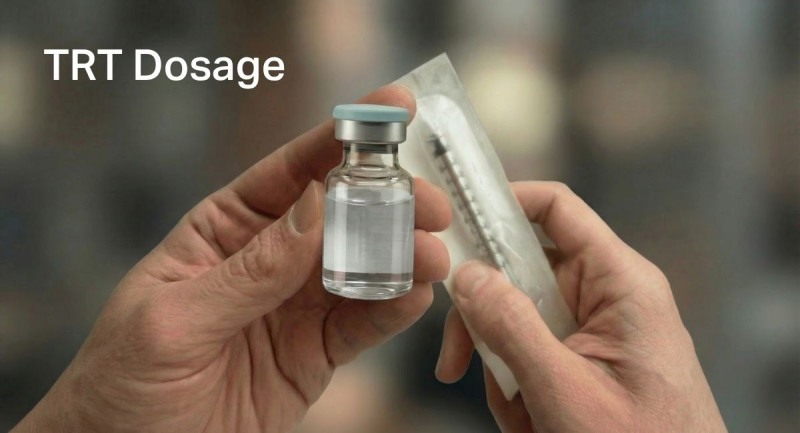

Testosterone replacement therapy (TRT) is a widely utilized medical treatment in Canada, designed to address the symptoms associated with low testosterone levels, or hypogonadism.

This condition can significantly impact an individual's health and quality of life, affecting everything from physical stamina to emotional well-being. Properly determining the correct dosage of TRT is crucial for achieving optimal hormone levels and enhancing the effectiveness of the treatment.
Understanding these dosage considerations is essential not only for ensuring therapeutic outcomes but also for maintaining safety, particularly when integrating TRT into broader treatment plans such as those for erectile dysfunction.
For more comprehensive insights into TRT dosage and its role in erectile dysfunction treatment in Canada, further details are available on our website.
This guide aims to explore the key factors that influence TRT dosing to help individuals make informed decisions about their healthcare options.
Topics covered in this article:
- What Is a Typical TRT Dose?
- Common TRT Dosage: What Most Doctors Prescribe
- Guidelines for Optimal Testosterone Levels in TRT
- Key Factors Influencing TRT Dosage
- How Does My Doctor Determine My TRT Dose?
- Exploring TRT Administration Methods
- TRT Dosage by Method: Injections, Gels, and Patches Compared
- Initial Dosage and Titration Strategies in TRT
- TRT Safety and Monitoring Guidelines
- Conclusion: Navigating TRT Dosage Effectively
- Medical disclaimer
- References
What Is a Typical TRT Dose?
There is no single “standard” TRT dose — testosterone dosage is always individualized based on your hormone levels, symptoms, and how your body responds to treatment.
In clinical practice, doctors use general dosage ranges as a starting point, then adjust based on lab results and symptom improvement.
Common TRT dosage ranges
While protocols vary, typical starting ranges for injectable testosterone (such as cypionate or enanthate) are:
- Approximately 75 to 200 mg per week, depending on the patient
- Often divided into once-weekly or twice-weekly injections
Other methods follow different dosing approaches:
- Topical gels: measured in daily milligram applications
- Patches or oral options: adjusted based on absorption and response
These ranges are used as general clinical guidelines, not fixed prescriptions.
How doctors determine your TRT dose
Your healthcare provider will individualize your dosage based on:
- Baseline testosterone levels
- Symptoms and treatment goals
- Age, weight, and overall health
- Response to treatment over time
Monitoring and dose adjustment
TRT dosing is not static — it is adjusted over time to maintain optimal levels and symptom control.
Doctors typically monitor:
- Blood testosterone levels (peak and trough)
- Symptom improvement
- Side effects such as hematocrit or estrogen levels
Based on these results, your provider may increase, decrease, or adjust the frequency of your dose.
Important medical note
TRT dosage should always be determined and adjusted by a licensed healthcare provider. Self-adjusting your dose can lead to hormone imbalances and unwanted side effects.
Common TRT Dosage: What Most Doctors Prescribe
There is no single “common” TRT dose that fits everyone — but most doctors start within a standard clinical range and adjust based on individual response.
Dosage varies depending on the method of administration, as each delivers testosterone differently in the body.
Common dosage ranges by method
Injectable testosterone (cypionate or enanthate):
- Typically around 75 to 200 mg per week in modern clinical practice, based on clinical guidelines and product labelling for injectable testosterone (ICSM 2024; DailyMed), although broader labelled ranges and individualized protocols may vary depending on the patient.
- Often split into once-weekly or twice-weekly injections
Topical gels:
- Applied daily
- Dosed in measured milligrams per application based on absorption and response
Transdermal patches:
- Applied once daily, typically at night
- Deliver a steady dose of testosterone over 24 hours
- Dosing is adjusted by changing patch strength based on response
These ranges reflect commonly used clinical guidelines based on product labelling and medical research, but they are not fixed prescriptions and must be individualized by a healthcare provider.
What determines a “common” dose?
A typical TRT dose is influenced by:
- Your baseline testosterone levels
- The severity of your symptoms
- Your treatment goals (energy, libido, body composition)
- How your body responds to treatment
Why dosing varies between patients
TRT is designed to restore healthy testosterone levels — not to reach a specific universal dose.
Doctors adjust dosing to:
- Keep levels within a normal physiological range
- Minimize side effects
- Maintain consistent symptom improvement
Key takeaway
A “common” TRT dose is best understood as a flexible range across different treatment methods — always tailored to the individual and adjusted under medical supervision.
Guidelines for Optimal Testosterone Levels in TRT
Determining the appropriate testosterone levels for individuals undergoing Testosterone replacement therapy (TRT) involves several critical factors:
A) Reference Ranges: Medical professionals use established reference ranges to assess whether a patient's testosterone levels fall within the normal range. It is important to note that reference values can vary slightly from lab to lab in Canada, but on average are as follows:
Total Testosterone: This represents the total amount of testosterone in the blood, including both bound and unbound forms. Typically considered within the normal range between 9 to 29 nmol/L. Generally speaking, treatment aims to bring levels above the midpoint of this range, without exceeding the upper limit.
Free Testosterone: This refers to the portion of testosterone that is not bound to proteins and is readily available for the body to use. Typically considered within the normal range between 190 to 650 pmol/L. Similarly, the goal is often to achieve levels above the midpoint of the range while staying within normal limits.
B) Individual Variability: It is crucial to acknowledge that optimal testosterone levels can vary widely among individuals. Factors such as age, overall health status, specific symptoms of low testosterone, and personal treatment goals all influence what is considered an optimal level for each person.
C) Symptom Improvement: Ultimately, the primary goal of adjusting testosterone dosage in TRT is to alleviate the symptoms associated with low testosterone and enhance the individual's quality of life. Monitoring symptom improvement is, therefore, essential to assess the effectiveness of TRT and make necessary adjustments to the treatment plan.
By considering these elements, healthcare providers can tailor TRT programs that are both effective and safe, ensuring that testosterone levels are optimized to meet individual needs and health objectives.
Key Factors Influencing TRT Dosage
The selection of an appropriate dosage in testosterone replacement therapy (TRT) is influenced by multiple factors that ensure the treatment is effective and tailored to the individual's needs.
A) Baseline Testosterone Levels: Initial dosages are often determined based on an individual's baseline testosterone levels. Those with lower starting levels might require higher doses to elevate their hormone levels to the therapeutic range.
B) Treatment Goals: Dosage decisions should also take into account the specific treatment goals of the individual, which may include:
- Symptom Relief: Addressing specific symptoms of low testosterone, such as fatigue or mood disturbances.
- Improvements in Sexual Function: Enhancing libido and erectile function.
- Muscle Mass Increase: Aiding in muscle development and overall physical strength.
- Bone Density Improvements: Preventing osteoporosis and strengthening bone structure.
C) Response to Treatment: Ongoing assessment of how well the individual responds to the prescribed dosage is crucial. This includes:
- Monitoring Testosterone Levels: Ensuring levels are maintained within a therapeutic range.
- Symptom Response: Observing changes in symptoms to determine if the current dosage is effective.
Regularly reviewing these factors allows healthcare providers to make informed adjustments to TRT dosages, optimize treatment outcomes, and address any evolving health needs effectively.
How Does My Doctor Determine My TRT Dose?
Doctors determine your TRT dose based on your baseline testosterone levels, symptoms, and how your body responds to treatment over time.
There is no single number that automatically determines your dosage. Instead, providers use a combination of lab results and clinical evaluation to guide treatment.
Baseline testosterone levels
Blood tests are the starting point for TRT.
In Canada, total testosterone levels are often considered low when they fall below the lower end of the reference range (commonly around 8–12 nmol/L, depending on the lab). However, treatment decisions are not based on numbers alone.
Doctors may recommend TRT when:
- Testosterone levels are consistently low
- Symptoms of low testosterone are present
- Other potential causes have been ruled out
Symptom assessment
Symptoms play a critical role in determining whether TRT is appropriate and how dosing should be adjusted.
Common symptoms include:
- Low energy or fatigue
- Reduced libido
- Mood changes
- Difficulty building or maintaining muscle
Even if levels are borderline, significant symptoms may influence treatment decisions.
Ongoing monitoring and dose adjustment
TRT dosing is adjusted over time based on both lab results and how you feel.
Doctors typically monitor:
- Testosterone levels (including peak and trough for injections)
- Symptom improvement
- Side effects such as elevated hematocrit or estrogen levels
Based on these factors, your provider may adjust:
- The dose amount
- The injection frequency or application method
Key takeaway
TRT dosing is not determined by a single test result — it is a personalized process that combines lab values, symptoms, and ongoing monitoring to achieve safe and effective results.
Exploring TRT Administration Methods
Choosing the right administration method for testosterone replacement therapy (TRT) significantly affects dosage determination and overall treatment efficacy. Each method has its unique dosing strategies:
- Injectable Formulations: Hormone esters are commonly administered through subcutaneous injections. The dosage and frequency depend on the specific formulation used but generally range from once to twice a week, aiming for stable hormone levels over time.
- Topical Formulations (Hydrogels): Hydrogels are applied directly to the skin, allowing for transdermal absorption of the hormone. The dosage for these formulations is typically measured in milligrams per application, and the application is usually recommended daily to maintain consistent hormone levels.
- Transdermal Patches: These are applied to the skin and deliver testosterone steadily over a 24-hour period. Dosing is typically once daily, with adjustments made by changing patch strength based on individual response and tolerability.
Understanding the nuances of each administration method helps tailor TRT to individual lifestyles and treatment goals, ensuring optimal outcomes and patient compliance. Before each injection, review our guide to TRT vial expiration.
Wondering when to take your dose? Read about the best time of day for TRT injections.
TRT Dosage by Method: Injections, Gels, and Patches Compared
TRT dosage varies significantly depending on the method used, as each delivery system affects how testosterone is absorbed and maintained in the body.
Understanding these differences helps explain why dosing protocols are not interchangeable across methods.
Injectable testosterone (cypionate and enanthate)
Injectable testosterone is one of the most commonly used TRT methods due to its flexibility and cost-effectiveness.
Typical protocol:
- 75 to 200 mg per week, depending on the patient
- Administered once weekly, twice weekly, or more frequently
- Dose may be adjusted based on peak and trough hormone levels
Because injections create a rise and fall in hormone levels, frequency plays a key role in how stable patients feel.
Topical gels
Topical testosterone gels are applied daily and provide steady absorption through the skin.
Typical protocol:
- Applied once daily
- Dosed in measured milligrams per application
- Adjusted based on blood levels and symptom response
This method avoids large peaks and troughs but depends heavily on consistent daily use and proper application.
Transdermal patches
Testosterone patches deliver the hormone through the skin over a fixed period.
Typical protocol:
- Applied once daily, typically at night
- Delivers a steady dose over 24 hours
- Dose adjustments are made by changing patch strength
Patches aim to mimic the body’s natural rhythm but may cause skin irritation in some patients.
Key takeaway
Each TRT method follows a different dosing strategy — injections focus on weekly totals and frequency, while gels and patches rely on consistent daily application.
The best method and dosage depend on individual response, lifestyle, and medic
Initial Dosage and Titration Strategies in TRT
Setting the right initial dosage and managing titration is crucial for the success of testosterone replacement therapy (TRT). Here's how these processes are typically managed:
- Starting Dose: The recommended starting dosage of testosterone is determined by clinical guidelines, product labelling, and takes into account individual patient factors such as age, baseline hormone levels, and health status. This careful consideration ensures the dosage is safe and effective when starting the therapy.
- Monitoring and Adjustment: Ongoing monitoring of testosterone levels and patient symptomatology is critical. Regular blood tests and patient feedback are used to assess the effectiveness of the current dosage and make necessary adjustments. This might involve increasing or decreasing the dosage or altering the frequency of administration based on how the patient's body is responding.
- Individualized Approach: Every patient's journey with TRT is unique, necessitating a tailored treatment plan. This personalized approach allows healthcare providers to adjust treatment according to specific needs, preferences, and responses, enhancing both the efficacy and safety of therapy.
Effective titration and dosage management are essential to achieving the therapeutic goals of TRT, optimizing benefits while minimizing potential risks.
TRT Safety and Monitoring Guidelines
Ensuring safety during testosterone replacement therapy (TRT) involves rigorous monitoring of various health parameters to mitigate potential risks associated with treatment:
- Hematocrit Levels: Regular monitoring of hematocrit levels is crucial to detect signs of erythrocytosis or polycythemia, conditions characterized by an abnormal increase in red blood cell mass. These conditions can occur as a side effect of TRT and increase the risk of vascular complications if left unchecked.
- Estradiol Levels: Monitoring estradiol levels is important, as TRT can lead to increased conversion of testosterone into estradiol. Elevated estradiol levels may result in symptoms such as fluid retention, mood changes, or breast tissue sensitivity. If levels become elevated, management may include adjusting the dosage or adding medications to help control estradiol levels.
- Prostate Health: Ongoing evaluation of prostate-specific antigen (PSA) levels and prostate health is essential, as TRT can influence prostate gland activity. This monitoring helps the early detection of potential prostate enlargement or cancer, ensuring prompt medical response to these serious health concerns.
By maintaining strict monitoring protocols, healthcare providers can significantly enhance the safety of TRT, addressing any complications early and adjusting treatment as necessary to maintain patient health and safety.
Conclusion: Navigating TRT Dosage Effectively
This comprehensive guide has provided key insights into the various considerations necessary for determining the appropriate dosing of testosterone replacement therapy (TRT). From understanding how optimal testosterone levels are assessed to exploring the impact of different administration methods and the importance of initial dosing and subsequent titration, this article has covered essential aspects to ensure effective and safe treatment.
Making informed decisions based on individual health needs, preferences, and specific treatment goals is crucial. This proactive approach ensures that TRT is not only effective in alleviating symptoms of low testosterone but also aligns with each patient's unique health profile and lifestyle, maximizing the testosterone replacement therapy's benefits while minimizing risks.
Medical disclaimer
All TRT dosing should be prescribed and adjusted by a licensed healthcare provider. Dosage ranges are provided for general educational purposes only and may not apply to individual cases. Self-adjusting testosterone without medical supervision can lead to hormone imbalances and adverse effects.
References
UPGUYS has strict sourcing guidelines to ensure our content is accurate and current. We rely on peer-reviewed studies, academic research institutions, and medical associations. We strive to use primary sources and refrain from using tertiary references.- The Ideal Goal of Testosterone Replacement Therapy: Maintaining Testosterone Levels or Managing Symptoms? pubMed
https://www.ncbi.nlm.nih.gov/pmc/articles/PMC6463248/ - The Optimal Indication for Testosterone Replacement Therapy in Late Onset Hypogonadism, PubMed
https://www.ncbi.nlm.nih.gov/pmc/articles/PMC6406807/ - DEPO-TESTOSTERONE- testosterone cypionate injection, solution, DailyMed
https://dailymed.nlm.nih.gov/dailymed/drugInfo.cfm?setid=fe808a56-7542-4d23-97b4-d98a3ef63016 - Subcutaneous testosterone pellet implant (Testopel) therapy for men with testosterone deficiency syndrome: a single-site retrospective safety analysis, PubMed
https://pubmed.ncbi.nlm.nih.gov/19796052/ - Efficacy and safety of the 2% formulation of testosterone topical solution applied to the axillae in androgen-deficient men, Wiley Online Library
https://onlinelibrary.wiley.com/doi/abs/10.1111/j.1365-2265.2011.04152.x - Testosterone therapy: Potential benefits and risks as you age, Mayo Clinic
https://www.mayoclinic.org/healthy-lifestyle/sexual-health/in-depth/testosterone-therapy/art-20045728 - Male hypogonadism: recommendations from the Fifth International Consultation on Sexual Medicine (ICSM 2024), Oxford Academic,
https://academic.oup.com/smr/article/13/4/548/8242145
This article is written for informational purposes only and does not constitute medical advice. The information provided in the articles cannot and should not replace advice from a healthcare professional. Talk to your healthcare provider about any physical or mental health concerns or the risks and benefits of any treatment or medication.




UPRX Pharmacy (West) Licenced by:
College of Pharmacists of British Columbia
Licence Number: 38287
1221543 B.C. LTD
224 – 3989 Henning Dr.
Burnaby BC, V5C 6P8 Canada
P: 604-291-1094 F: 604-291-0827
Pharmacy Manager: Mehrdad Rezaei
UPRX Pharmacy (East)
Accredited by:
Ontario College of Pharmacists
Accreditation Number: 309322
1000286128 Ontario Inc.
105 - 91 Skyway Ave
Etobicoke, ON M9W 6R5 Canada
P: 416-679-1774 F: 416-679-1808
Designated Manager: Todd Spetter