GLP-1 Side Effects: What To Expect And When To Worry
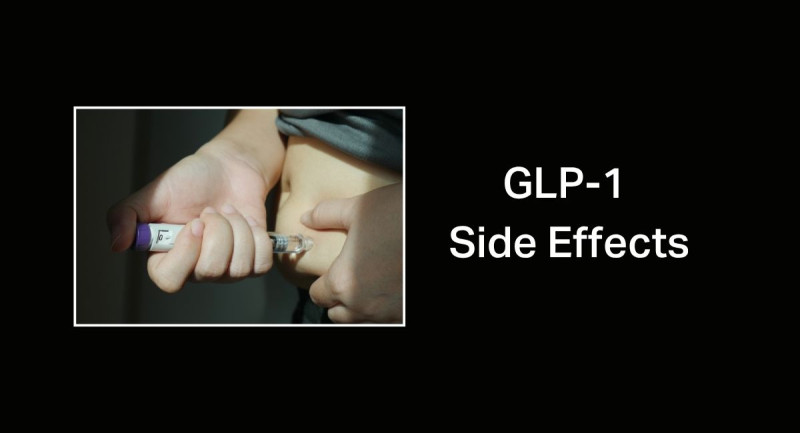

GLP-1 medications can cause side effects, and the most common are gastrointestinal, including nausea, vomiting, diarrhea, constipation, and heartburn. For many patients, these effects are mild to moderate and tend to be most noticeable when treatment begins or while the dose is being increased. Canadian obesity guidance notes that these symptoms are often temporary and may improve as the body adjusts.
Not everyone experiences the same side effects, and the likelihood and severity can vary depending on the specific GLP-1 or GLP-1/GIP medication, dose, titration schedule, other medications, and individual health factors. Different medications within this group also have somewhat different safety profiles and prescribing considerations.
Although most side effects are manageable, more serious complications are possible. Depending on the medication and individual circumstances, important risks can include pancreatitis, gallbladder problems, severe gastrointestinal symptoms, dehydration that may contribute to kidney problems, and hypoglycemia, particularly when GLP-1 medications are combined with certain diabetes treatments.
This guide explains the common and serious side effects associated with GLP-1 medications, when symptoms typically appear, how long they may last, what may help manage them, and which warning signs should prompt medical attention.
Topics covered in this article:
- What Are the Most Common GLP-1 Side Effects?
- Why Do GLP-1 Medications Cause Digestive Side Effects?
- When Do GLP-1 Side Effects Usually Start?
- How Long Do GLP-1 Side Effects Last?
- Do GLP-1 Side Effects Get Worse When the Dose Increases?
- How Can You Manage Nausea on a GLP-1?
- Constipation on GLP-1 Medications
- Diarrhea and Vomiting on GLP-1 Medications
- Can GLP-1 Medications Cause Acid Reflux or Sulphur Burps?
- Can GLP-1 Medications Cause Fatigue?
- Can GLP-1 Medications Cause Hair Loss?
- Do GLP-1 Medications Cause Muscle Loss?
- Can GLP-1 Medications Cause Gallbladder Problems?
- What Is the Risk of Pancreatitis With GLP-1 Medications?
- Can GLP-1 Side Effects Affect the Kidneys?
- Can GLP-1 Medications Cause Low Blood Sugar?
- GLP-1 Medications and Gastroparesis
- GLP-1 Medications Before Surgery or Sedation
- Are There Thyroid Cancer Risks With GLP-1 Medications?
- Do GLP-1 Medications Affect Mental Health?
- Are Side Effects Different Between Semaglutide, Tirzepatide and Liraglutide?
- When Should You Contact a Healthcare Provider About GLP-1 Side Effects?
- Should You Stop Taking a GLP-1 Because of Side Effects?
- How to Reduce the Risk of GLP-1 Side Effects
- Key Takeaways
- FAQ
- References
What Are the Most Common GLP-1 Side Effects?
The most common side effects of GLP-1-based medications are gastrointestinal. Across studies of medications such as semaglutide, liraglutide, and tirzepatide, nausea, diarrhea, constipation, vomiting, and abdominal discomfort are reported most often. These effects are usually most noticeable when treatment begins or while the dose is being increased.
Common side effects can include:
- Nausea: Often one of the most frequently reported symptoms and may be more noticeable after starting treatment or increasing the dose.
- Constipation: Slower gastrointestinal movement and reduced food intake can contribute to less frequent bowel movements.
- Diarrhea: Loose or more frequent stools can occur, particularly during the adjustment period.
- Vomiting: Less common than nausea but still reported, especially when gastrointestinal symptoms are more pronounced.
- Heartburn or reflux: Some people experience indigestion, belching, or reflux symptoms while taking GLP-1 medications.
- Abdominal discomfort: Bloating, stomach pain, cramping, or a prolonged feeling of fullness can occur.
- Reduced appetite: This is an expected effect of GLP-1 treatment and contributes to weight loss, although appetite suppression that makes it difficult to meet nutritional needs should be discussed with a healthcare provider.
Clinical evidence shows that gastrointestinal side effects with GLP-1-based therapies are commonly temporary and manageable, although the experience varies from person to person. Gradual dose escalation is used with most of these medications partly to improve tolerability and reduce gastrointestinal symptoms.
If symptoms become severe, persist rather than improving, or make it difficult to eat or stay hydrated, they should be assessed by a healthcare provider rather than simply considered a normal part of treatment.
Why Do GLP-1 Medications Cause Digestive Side Effects?
GLP-1 medications commonly affect the digestive system because they change how quickly food moves through the stomach and how the brain regulates hunger and fullness. These same effects that support weight loss can also contribute to nausea, bloating, reflux, constipation, or an uncomfortable feeling of fullness.
One important mechanism is slower gastric emptying. GLP-1-based medications can delay how quickly food leaves the stomach, which helps people feel full for longer. Canadian obesity guidance specifically notes delayed gastric emptying with medications such as semaglutide and tirzepatide.
GLP-1 medications also act on appetite and satiety pathways in the brain. This can reduce hunger and make smaller amounts of food feel more satisfying. As appetite decreases, people may naturally change their portion sizes, meal frequency, and overall food intake, which can also affect bowel habits and digestion.
Digestive symptoms are often more noticeable early in treatment or after a dose increase because the gastrointestinal system is still adjusting to the medication’s effects. This is one reason GLP-1 medications used for weight management are generally increased gradually rather than started immediately at the full maintenance dose.
Larger meals may feel particularly uncomfortable because the stomach may empty more slowly than usual. Foods that are rich or high in fat can also take longer to digest, so some people find that large or heavy meals worsen nausea, bloating, reflux, or prolonged fullness while taking a GLP-1 medication.
These effects vary from person to person. If digestive symptoms are severe, persistent, or make it difficult to eat or stay hydrated, they should be discussed with a healthcare provider rather than assumed to be a normal part of treatment.
When Do GLP-1 Side Effects Usually Start?
GLP-1 side effects can begin after the first dose, but they are often most noticeable during the first few weeks of treatment and after the dose is increased. The exact timing varies by medication and by how an individual responds.
During the first few doses, some people notice nausea, reduced appetite, bloating, reflux, constipation, diarrhea, or a stronger feeling of fullness. Others may have few or no symptoms at the starting dose.
Symptoms can also become more noticeable after a dose increase. This is one reason GLP-1 medications are usually titrated gradually rather than started at the full maintenance dose. Canadian obesity guidance notes that gastrointestinal side effects commonly occur during dose escalation and may improve as treatment continues.
GLP-1 side effects may also come and go rather than remain constant. Symptoms can vary with dose changes, meal size, food choices, hydration, and how quickly the body adapts to treatment.
For many people, gastrointestinal symptoms become less noticeable over time. However, side effects that are severe, persistent, or suddenly worsen should be assessed by a healthcare provider rather than assumed to be part of normal adjustment.
How Long Do GLP-1 Side Effects Last?
GLP-1 side effects often improve as the body adjusts to treatment, especially gastrointestinal symptoms such as nausea, vomiting, diarrhea, constipation, and reflux. However, there is no single timeline that applies to everyone.
For some people, symptoms settle within days or weeks. Others may notice side effects for longer, particularly after a dose increase. The duration can depend on the specific medication, dose, titration schedule, individual tolerance, and other health factors.
Persistent symptoms should not automatically be considered normal. Side effects that continue, worsen, interfere with eating or drinking, or significantly affect daily life should be reviewed by a healthcare provider.
Different GLP-1 and GLP-1/GIP medications also have somewhat different dosing schedules and safety profiles, so the timing and intensity of side effects can vary between treatments.
Do GLP-1 Side Effects Get Worse When the Dose Increases?
They can. Gastrointestinal side effects may become more noticeable after a dose increase, which is why GLP-1 medications are generally started at a lower dose and increased gradually.
This process, called dose titration, gives the body time to adapt and can improve tolerability. It also means that someone who had few side effects at a starting dose may notice nausea, fullness, constipation, diarrhea, or other symptoms after moving to a higher dose.
The goal is not necessarily to reach the highest available dose as quickly as possible. Obesity Canada’s current clinical guidance states that the dose of weight-management medication should be tailored to treatment goals, need, and tolerance, and that some people may achieve their treatment goals at a dose below the maximum.
For that reason, you should not increase the dose faster than prescribed in an attempt to accelerate weight loss. If side effects become difficult to tolerate, a healthcare provider can assess whether the dosing schedule or treatment plan needs to be adjusted.
How Can You Manage Nausea on a GLP-1?
Nausea is one of the most common GLP-1 side effects, especially when treatment begins or the dose is increased. For many people, it improves as the body adjusts, and a few practical changes may make symptoms easier to manage.
Helpful strategies can include:
- Eat smaller portions: Large meals may worsen nausea or prolonged fullness because GLP-1 medications can slow gastric emptying.
- Eat slowly: Giving your body more time to recognize fullness can help reduce the chance of overeating.
- Stop when comfortably full: Continuing to eat after fullness begins may make nausea, bloating, or reflux worse.
- Stay hydrated: Sip fluids regularly, particularly if nausea is affecting how much you eat or drink.
- Notice trigger foods: High-fat, rich, spicy, or very large meals may aggravate symptoms for some people.
Canadian obesity guidance also emphasizes gradual dose escalation to improve gastrointestinal tolerability rather than rushing to a higher dose.
Nausea should be assessed if it is persistent, severe, worsening, associated with repeated vomiting, or making it difficult to eat or stay hydrated. Severe abdominal pain with nausea or vomiting also warrants prompt medical attention because it may indicate a more serious complication.
Constipation on GLP-1 Medications
Constipation can occur with GLP-1 treatment because these medications can slow gastrointestinal movement, while reduced appetite may also lead to lower overall food and fluid intake.
Several measures may help:
- Drink enough fluids: Dehydration can make constipation worse.
- Increase fibre gradually: Vegetables, fruit, whole grains, legumes, and other fibre-rich foods can support bowel regularity.
- Stay physically active: Regular movement can help stimulate normal bowel function.
- Maintain regular meals: Very low food intake can reduce stool volume and contribute to slower bowel movements.
Fibre should generally be increased gradually and alongside adequate hydration, since adding large amounts of fibre without enough fluid may worsen bloating or constipation.
Persistent constipation should be discussed with a healthcare provider, particularly if lifestyle measures are not helping. Severe abdominal pain, significant bloating or swelling, repeated vomiting, inability to pass stool or gas, or rapidly worsening symptoms require prompt medical assessment because they can be signs of bowel obstruction or another serious gastrointestinal problem.
Do not increase, stop, or change your GLP-1 dose on your own because of constipation. A healthcare provider can assess whether the symptoms are related to the medication and whether the treatment or dosing plan needs adjustment.
Diarrhea and Vomiting on GLP-1 Medications
Diarrhea and vomiting are among the gastrointestinal side effects that can occur with GLP-1 medications, particularly when treatment begins or the dose is increased. These symptoms are often temporary, but they can become more concerning if they lead to dehydration or make it difficult to maintain adequate food and fluid intake.
Helpful measures may include:
- Drink fluids regularly: Small, frequent sips may be easier to tolerate than drinking a large amount at once.
- Replace fluids and electrolytes when needed: Repeated diarrhea or vomiting can lead to losses of water and electrolytes.
- Keep meals small and simple: Large, rich, or high-fat meals may worsen nausea, fullness, or vomiting for some people.
- Avoid forcing food: If appetite is reduced, focus on tolerable, nutrient-dense foods and maintaining hydration.
The main concern with ongoing vomiting or diarrhea is significant fluid loss. Dehydration can cause dizziness, weakness, reduced urination, or worsening kidney function, and Health Canada-recognized GLP-1 safety information includes kidney injury associated with volume depletion among important risks.
Contact a healthcare provider if diarrhea or vomiting is severe, persistent, repeatedly returns, or prevents you from keeping fluids down. Very little urination, significant dizziness or weakness, severe abdominal pain, repeated vomiting, or signs of substantial dehydration warrant prompt medical assessment.
Can GLP-1 Medications Cause Acid Reflux or Sulphur Burps?
Yes. GLP-1 medications can contribute to reflux, indigestion, belching, bloating, and prolonged fullness in some people. These symptoms are thought to be related partly to slower gastric emptying, which means food may remain in the stomach longer than usual.
When digestion slows, stomach contents may contribute to belching or reflux, especially after a large meal. Some people describe unusually strong or “sulphur-like” burps while taking GLP-1 medications. “Sulphur burps” is a common descriptive term rather than a specific diagnosis, and they are not listed as a distinct adverse effect for every GLP-1 product.
Eating habits can influence these symptoms. Some people find reflux, bloating, or belching is worse after:
- Large portions
- Eating quickly
- High-fat or rich meals
- Eating beyond comfortable fullness
- Lying down soon after eating
Smaller meals, slower eating, and stopping when comfortably full may help reduce symptoms.
Persistent reflux or belching should not automatically be assumed to be harmless. If symptoms are severe, progressively worsening, associated with repeated vomiting, significant abdominal pain, difficulty eating, or prolonged inability to tolerate food, a healthcare provider should assess whether the symptoms reflect medication intolerance or another gastrointestinal problem.
Can GLP-1 Medications Cause Fatigue?
Fatigue can occur during GLP-1 treatment, but it is not always caused directly by the medication itself. Low energy may sometimes be related to eating fewer calories, dehydration, gastrointestinal side effects, changes in blood glucose, or another unrelated health issue.
Because GLP-1 medications can significantly reduce appetite, some people may unintentionally eat too little. Inadequate calorie, protein, or nutrient intake can contribute to weakness or tiredness, especially during periods of faster weight loss.
Dehydration can also play a role. Nausea, vomiting, or diarrhea may reduce fluid intake or increase fluid losses, which can leave a person feeling tired, dizzy, or weak.
For people taking GLP-1 medications alongside certain diabetes treatments, low blood sugar may also cause fatigue, shakiness, sweating, confusion, or weakness. The risk of hypoglycemia depends on the medication combination and individual circumstances.
Persistent fatigue should not automatically be blamed on a GLP-1 medication. Sleep problems, anemia, thyroid conditions, infection, nutritional deficiencies, and many other factors can cause similar symptoms. If fatigue is new, severe, persistent, or accompanied by other concerning symptoms, a healthcare provider can help identify the cause.
Can GLP-1 Medications Cause Hair Loss?
Hair shedding has been reported by some people using GLP-1-based weight-loss medications, but the relationship is more complicated than a simple direct drug side effect. Significant or rapid weight loss itself can trigger temporary hair shedding, particularly a condition known as telogen effluvium.
Telogen effluvium occurs when a larger-than-usual number of hairs shift into the resting and shedding phase after a physical stressor. Rapid weight loss, major dietary changes, illness, surgery, and nutritional deficiencies can all contribute.
Reduced appetite during GLP-1 treatment may also make it harder to consume enough protein, iron, zinc, and other nutrients needed for normal hair growth. For this reason, hair shedding during treatment may sometimes reflect the pace of weight loss or nutritional intake rather than direct toxicity from the medication.
It is important not to assume that all hair loss during GLP-1 treatment is caused by the medication. Genetic hair loss, thyroid conditions, iron deficiency, stress, hormonal changes, and other medical issues can also cause thinning or shedding.
If hair loss is substantial, patchy, persistent, or accompanied by other symptoms, a healthcare provider can assess whether nutritional deficiencies, rapid weight loss, another medical condition, or the treatment itself may be contributing.
Do GLP-1 Medications Cause Muscle Loss?
Weight loss with GLP-1 medications can include some loss of lean mass as well as body fat, but this should not automatically be considered a direct medication side effect. Lean mass commonly decreases during significant weight loss regardless of how the weight is lost, and current Canadian obesity guidance notes that the quality of weight loss, including how much lean muscle is lost relative to fat, still needs further study.
Preserving muscle is important during treatment, particularly for older adults, who may already be at greater risk of age-related declines in muscle mass and strength. Helpful strategies include:
- Adequate protein intake: Reduced appetite can make it easier to fall short on protein and overall nutrition.
- Resistance training: Weight training, resistance bands, body-weight exercises, or similar activities can help maintain muscle and strength.
- Regular physical activity: Staying active supports mobility, cardiovascular health, and physical function.
- Avoiding excessive restriction: Very low calorie or nutrient intake may increase the risk of losing lean tissue along with fat.
The goal of GLP-1 treatment should therefore be more than simply reducing the number on the scale. Maintaining strength, mobility, nutrition, and overall health is also important.
If you notice significant weakness, difficulty maintaining normal activity, or rapid weight loss accompanied by poor food intake, discuss it with a healthcare provider or dietitian.
Can GLP-1 Medications Cause Gallbladder Problems?
Yes. GLP-1-based weight-loss medications have been associated with an increased risk of gallstones and gallbladder inflammation in some patients. The absolute risk is generally low, but it is a recognized concern with medications such as semaglutide.
Weight loss itself can also contribute. Rapid or substantial weight loss is a known risk factor for gallstone formation, so it can be difficult to separate the effect of the medication completely from the effect of losing weight.
Possible signs of a gallbladder problem can include:
- Pain in the upper-right abdomen, particularly after eating
- Pain that may spread toward the back or right shoulder
- Nausea or vomiting
- Fever or chills
- Yellowing of the skin or eyes
Obesity Canada’s current pharmacotherapy guidance includes gallstone disease among the safety considerations associated with semaglutide treatment and emphasizes selecting and monitoring obesity medications according to individual risks and tolerability.
Persistent or severe right-upper abdominal pain, especially when accompanied by fever, vomiting, or jaundice, should be assessed promptly. A healthcare provider can determine whether gallstones, gallbladder inflammation, or another condition may be responsible.
What Is the Risk of Pancreatitis With GLP-1 Medications?
Pancreatitis, or inflammation of the pancreas, is a rare but potentially serious concern with GLP-1-based medications. The absolute risk appears low, but product labelling and Canadian guidance still treat pancreatitis as an important warning that requires prompt medical assessment if symptoms occur.
Possible warning signs include:
- Severe, persistent abdominal pain
- Pain that may radiate to the back
- Nausea or repeated vomiting
- Abdominal pain that does not improve
If pancreatitis is suspected, the symptoms should not be treated as a routine digestive side effect. A healthcare provider can determine whether urgent testing or treatment is needed.
Because abdominal discomfort and nausea are relatively common with GLP-1 medications, the key distinction is usually severity and persistence. Mild nausea or fullness is different from intense or ongoing abdominal pain, especially when accompanied by vomiting or pain extending toward the back.
Can GLP-1 Side Effects Affect the Kidneys?
GLP-1 medications do not usually damage the kidneys directly. However, vomiting, diarrhea, and reduced fluid intake can lead to dehydration, which may contribute to worsening kidney function in some people.
This risk is especially relevant when gastrointestinal symptoms are severe or prolonged. Significant fluid loss can reduce blood flow to the kidneys and increase the risk of acute kidney injury, particularly in people who already have kidney disease or other factors that make them more vulnerable.
Obesity Canada’s current pharmacotherapy guidance notes that semaglutide and tirzepatide generally do not require dose adjustment in people with renal insufficiency, although there are limitations for people with end-stage renal disease. Canadian evidence also includes studies showing potential kidney benefits from semaglutide in some populations, so kidney concerns should not be interpreted as meaning GLP-1 medications are inherently harmful to kidney function.
To reduce dehydration risk:
- Drink fluids regularly
- Pay attention to ongoing vomiting or diarrhea
- Seek advice if you are unable to keep fluids down
- Monitor for reduced urination, dizziness, weakness, or other signs of dehydration
Persistent vomiting or diarrhea, very little urination, severe weakness, or signs of significant dehydration should be assessed promptly. People with existing kidney disease may require closer monitoring depending on the medication and their overall health.
Can GLP-1 Medications Cause Low Blood Sugar?
GLP-1 medications generally have a low risk of causing hypoglycemia when used on their own, because their effects on insulin release are largely glucose-dependent. The risk becomes more important when GLP-1 treatment is combined with certain other diabetes medications that can also lower blood sugar.
Possible signs of hypoglycemia can include:
- Shakiness
- Sweating
- Dizziness
- Hunger
- Weakness or fatigue
- Confusion
- A fast heartbeat
People who use insulin or other glucose-lowering medications may need closer blood sugar monitoring when starting or adjusting a GLP-1-based treatment. A healthcare provider may also need to review the doses of other diabetes medications to reduce the risk of low blood sugar.
If symptoms of hypoglycemia occur repeatedly, the medication combination should be reviewed rather than assuming the GLP-1 dose alone is responsible. Severe confusion, loss of consciousness, or inability to treat low blood sugar requires urgent medical attention.
GLP-1 Medications and Gastroparesis
GLP-1 medications slow gastric emptying, meaning food can remain in the stomach longer before moving into the small intestine. This is one of the ways these medications increase fullness and support appetite control, and it does not automatically mean that someone has gastroparesis.
Gastroparesis is a medical condition involving abnormally delayed stomach emptying without a mechanical blockage. Symptoms may include persistent early fullness, prolonged fullness after eating, nausea, vomiting, bloating, abdominal discomfort, and difficulty tolerating normal meals.
The distinction is important because some slowing of gastric emptying is an expected medication effect, whereas severe or persistent symptoms may require further assessment. Obesity Canada’s 2025 pharmacotherapy guidance notes that semaglutide slows gastric emptying and has not been studied in people with gastroparesis. Tirzepatide also slows gastric emptying.
People with existing gastroparesis or significant gastrointestinal disease should make sure their healthcare provider knows about it before starting treatment. The suitability of a particular medication depends on the product, symptom severity, and individual medical history.
Persistent vomiting, inability to tolerate food or fluids, severe prolonged fullness, significant abdominal pain, or symptoms that are progressively worsening should be medically assessed rather than treated as routine GLP-1 digestive effects.
GLP-1 Medications Before Surgery or Sedation
GLP-1 medications can delay gastric emptying, which means food may remain in the stomach longer than expected. This matters before procedures involving general anesthesia or deep sedation because retained stomach contents can increase the risk of pulmonary aspiration, where food or liquid enters the lungs.
In 2026, Health Canada completed a safety review of GLP-1 receptor agonists, including products containing semaglutide, liraglutide, tirzepatide, dulaglutide, and lixisenatide. The review found a possible link between GLP-1 use and pulmonary aspiration during general anesthesia or deep sedation, and Canadian product monographs were updated to include this risk.
If you are scheduled for surgery, an endoscopy, or another procedure requiring sedation or anesthesia, tell the surgical and anesthesia team that you are taking a GLP-1 medication. They may consider factors such as your medication, dose, gastrointestinal symptoms, fasting status, and the type of procedure when deciding how to manage the risk.
Do not stop your GLP-1 medication on your own before a procedure. Follow the specific instructions provided by your healthcare and anesthesia team, since recommendations may differ depending on your circumstances and the procedure being performed.
Are There Thyroid Cancer Risks With GLP-1 Medications?
Some GLP-1-based medications carry medication-specific warnings related to thyroid C-cell tumours, but this issue should not be generalized to mean that GLP-1 medications have been proven to cause thyroid cancer in humans.
For certain medications, including semaglutide and tirzepatide products, thyroid C-cell tumours were observed in animal studies. Canadian product monographs include warnings and precautions based on these findings. Health Canada maintains current Canadian product monographs for weight-management products such as Wegovy and Zepbound, which should be consulted for the exact contraindications and warnings that apply to each medication.
The significance of the animal findings for humans remains uncertain. Therefore, it is more accurate to describe thyroid tumours as a potential medication-specific safety concern rather than a confirmed general GLP-1 cancer effect.
Personal and family medical history matters. Before starting treatment, patients should tell their healthcare provider about any history of medullary thyroid carcinoma, multiple endocrine neoplasia type 2, thyroid nodules, or other relevant thyroid conditions, since these may affect whether a particular medication is appropriate.
Any new neck lump, persistent hoarseness, difficulty swallowing, or unexplained neck symptoms should be medically assessed. The exact thyroid-related precautions depend on the specific GLP-1 medication being considered.
Do GLP-1 Medications Affect Mental Health?
Concerns about depression, suicidal thoughts, and self-harm have been discussed in relation to GLP-1 medications, but current Canadian evidence does not support a causal link between GLP-1 receptor agonists and suicide, self-harm, or related thoughts in the general type 2 diabetes population.
Health Canada completed a safety review in 2025 covering GLP-1 receptor agonists including semaglutide and liraglutide. The review concluded that the available evidence did not support a causal relationship between these medications and suicide, self-harm, or suicidal or self-harm ideation.
That does not mean changes in mental health should be ignored. New or worsening depression, significant mood changes, suicidal thoughts, or other concerning psychological symptoms should still be discussed promptly with a healthcare provider, regardless of whether a medication is thought to be the cause.
It is also important not to automatically attribute every mood change to GLP-1 treatment. Mental health can be influenced by many factors, including existing conditions, other medications, major changes in eating or weight, sleep, stress, and life circumstances.
Are Side Effects Different Between Semaglutide, Tirzepatide and Liraglutide?
Semaglutide, tirzepatide, and liraglutide have many overlapping side effects, particularly gastrointestinal symptoms such as nausea, diarrhea, constipation, vomiting, and abdominal discomfort. However, their dosing schedules, mechanisms, and individual tolerability are not identical. Canadian obesity guidance recommends considering safety, side effects, dosing frequency, interactions, and individual preferences when choosing obesity pharmacotherapy.
Medication | Type | Typical Weight-Management Dosing | Common Side-Effect Pattern |
Semaglutide | GLP-1 receptor agonist | Once weekly | Mainly gastrointestinal effects, often most noticeable during dose escalation |
Tirzepatide | Dual GIP/GLP-1 receptor agonist | Once weekly | Mainly gastrointestinal effects; injection-site reactions can also occur |
Liraglutide | GLP-1 receptor agonist | Once daily | Mainly gastrointestinal effects, particularly during treatment initiation and dose escalation |
Obesity Canada’s 2025 pharmacotherapy guidance reports that gastrointestinal effects were the most common adverse events with both semaglutide and tirzepatide and were generally mild to moderate and concentrated around dose escalation. In a head-to-head obesity trial cited in the guideline, treatment discontinuation because of gastrointestinal effects occurred with both medications, while injection-site reactions were more frequent with tirzepatide.
Liraglutide differs practically because it is administered daily rather than weekly, while semaglutide and tirzepatide are given once weekly for obesity management in Canada.
There is no GLP-1 medication that is universally the “easiest” or has the fewest side effects for everyone. Individual response varies, and the most appropriate option depends on tolerability, medical history, treatment goals, other medications, dosing preferences, and potential risks.
When Should You Contact a Healthcare Provider About GLP-1 Side Effects?
Many GLP-1 side effects are mild and temporary, but some symptoms should be reviewed promptly rather than treated as routine adjustment effects. This is especially important if symptoms are severe, persistent, or interfere with hydration, nutrition, or normal daily activities.
Contact a healthcare provider if you experience:
- Persistent or repeated vomiting
- Inability to keep fluids down
- Severe or persistent abdominal pain, especially if it radiates to the back
- Signs of dehydration, such as dizziness, weakness, very little urination, or marked thirst
- Severe constipation, particularly with abdominal swelling, vomiting, or inability to pass stool or gas
- Symptoms of a serious allergic reaction, such as facial or throat swelling, difficulty breathing, or widespread hives
- Repeated episodes of low blood sugar, especially if you also use insulin or other glucose-lowering medications
- Side effects that make it difficult to eat adequately, stay hydrated, work, sleep, or carry out normal activities
Canadian obesity guidance notes that gastrointestinal effects are the most common adverse events with medications such as semaglutide and tirzepatide and often occur during dose escalation, but tolerability should still be assessed individually.
Severe or rapidly worsening symptoms may require urgent medical attention. In particular, severe abdominal pain, repeated vomiting with dehydration, symptoms of bowel obstruction, or a serious allergic reaction should not be managed by simply waiting for the body to adjust.
Should You Stop Taking a GLP-1 Because of Side Effects?
Not necessarily. Mild side effects do not automatically mean that GLP-1 treatment needs to be stopped. Nausea, constipation, diarrhea, reflux, and other gastrointestinal symptoms may improve over time or may be managed by adjusting eating habits, hydration, or the dosing schedule.
If side effects become difficult to tolerate, a healthcare provider may consider options such as slowing dose escalation, delaying an increase, remaining at a lower tolerated dose, or reassessing whether the medication is still appropriate.
Obesity Canada’s current guidance emphasizes that obesity medications should be titrated according to individual treatment goals and tolerance, and some people may achieve meaningful benefits without reaching the maximum available dose.
You should not independently increase, reduce, skip, or permanently stop a prescribed GLP-1 medication solely because of mild side effects without discussing the situation with a healthcare provider.
However, serious or concerning symptoms require prompt assessment, and in some situations treatment may need to be interrupted or discontinued. The decision depends on the specific medication, severity of symptoms, underlying health conditions, other medications, and overall treatment response.
The goal is to find a treatment plan that is both effective and tolerable, rather than assuming everyone should remain on the same medication or reach the same dose.
How to Reduce the Risk of GLP-1 Side Effects
GLP-1 side effects cannot always be prevented, but several strategies may make treatment easier to tolerate, particularly during the first few weeks and after dose increases.
Helpful approaches include:
- Follow gradual dose titration: GLP-1 medications are generally started at a lower dose and increased over time. Obesity Canada notes that more gradual titration can help reduce gastrointestinal side effects and that dosing should be individualized according to treatment goals and tolerance.
- Eat smaller meals: Large portions may worsen nausea, bloating, reflux, or prolonged fullness because GLP-1 medications can slow gastric emptying.
- Avoid overeating: Stop eating when comfortably full rather than trying to finish a usual portion if your appetite has decreased.
- Stay hydrated: Regular fluid intake is especially important if nausea, diarrhea, or vomiting occurs.
- Maintain appropriate nutrition: Reduced appetite can make it harder to consume enough protein, fibre, vitamins, and minerals, so food quality remains important even when portions are smaller.
- Pay attention to trigger foods: Some people find that large, rich, or high-fat meals worsen digestive symptoms.
- Review other medications: Other prescription drugs or supplements may affect digestion, blood glucose, or overall tolerability and should be reviewed with a healthcare provider.
- Follow the prescribed dosing schedule: Do not take extra doses, shorten the interval between doses, or increase the dose faster than recommended.
The goal is not necessarily to reach the maximum available dose. Current Canadian guidance emphasizes that some people may achieve their treatment goals at a lower tolerated dose, and treatment should be adjusted according to clinical benefit and tolerability.
If side effects remain difficult to manage despite these measures, a healthcare provider can assess whether the dose, titration schedule, medication, or overall treatment plan should be changed.
Key Takeaways
- The most common GLP-1 side effects are gastrointestinal, including nausea, vomiting, diarrhea, constipation, heartburn, and abdominal discomfort. They are often mild to moderate and are frequently most noticeable during dose escalation.
- Side effects often improve as the body adjusts, but the timeline and severity vary from person to person.
- Gradual titration, smaller meals, adequate hydration, appropriate nutrition, and avoiding overeating may improve tolerability.
- More serious risks can include pancreatitis, gallbladder problems, severe dehydration, kidney complications, and hypoglycemia in certain circumstances.
- GLP-1 medications can delay gastric emptying, which may contribute to fullness, reflux, nausea, and other digestive symptoms.
- Hair shedding and loss of lean mass can occur during significant weight loss, but these should not automatically be assumed to be direct drug toxicity.
- Serious or persistent symptoms, including severe abdominal pain, repeated vomiting, significant dehydration, severe constipation, or allergic reactions, require medical assessment.
- A higher dose is not automatically better. Canadian guidance recommends individualizing the dose according to treatment goals and tolerance rather than assuming everyone needs the maximum dose.
- Do not independently increase, reduce, or stop a prescribed GLP-1 medication because of side effects without appropriate medical guidance.
FAQ
The most common GLP-1 side effects are gastrointestinal, especially nausea, diarrhea, constipation, vomiting, heartburn, and abdominal discomfort. These symptoms are often most noticeable when treatment begins or the dose increases.
For many people, gastrointestinal side effects improve within days to several weeks as the body adapts. Symptoms may temporarily return after a dose increase, and some people experience them for longer.
Side effects can appear after the first dose or within the first few weeks. They may also become more noticeable after the dose is increased.
They can. Nausea, fullness, diarrhea, constipation, and other digestive effects are commonly reported during dose escalation, which is why GLP-1 medications are increased gradually rather than started at the full maintenance dose.
No. Some people experience noticeable gastrointestinal symptoms, while others have mild or few side effects. Tolerability varies by medication, dose, individual health, and response to treatment.
Eating smaller meals, eating slowly, stopping when comfortably full, staying hydrated, and avoiding foods that trigger symptoms may help. Persistent or severe nausea should be discussed with a healthcare provider.
GLP-1 medications can slow gastrointestinal movement, and reduced appetite may also lead to less food and fluid intake. Adequate fluids, fibre, and physical activity may help maintain bowel regularity.
Yes. Diarrhea is one of the commonly reported gastrointestinal side effects of GLP-1-based medications, particularly during treatment initiation or dose escalation.
Yes. Slower gastric emptying and prolonged fullness may contribute to heartburn, reflux, indigestion, or belching in some people.
“Sulphur burps” describes belching with a strong, sulphur-like smell. Slower digestion may contribute to belching in some people taking GLP-1 medications, although sulphur burps are not a distinct listed adverse effect for every GLP-1 product.
Fatigue can occur, but it may result from reduced calorie intake, dehydration, vomiting or diarrhea, low blood sugar in certain patients, or another unrelated condition. Persistent fatigue should not automatically be attributed to the medication.
Hair shedding may occur during GLP-1-supported weight loss, but rapid weight loss, reduced protein or nutrient intake, and telogen effluvium may contribute. A direct medication effect has not been clearly established in every case.
Weight loss can include some lean mass as well as fat, regardless of how the weight is achieved. Adequate protein intake and resistance training can help support muscle preservation, which is particularly important for older adults.
Yes. Gallstones and gallbladder inflammation are recognized concerns with some GLP-1-based weight-management medications. Rapid or substantial weight loss itself can also increase gallstone risk.
Pancreatitis is a rare but serious concern associated with GLP-1 medications. Severe persistent abdominal pain, especially if it radiates to the back or occurs with vomiting, requires prompt medical assessment.
GLP-1 medications do not usually damage the kidneys directly. However, severe vomiting or diarrhea can cause dehydration, which may contribute to acute kidney injury, particularly in people who are already vulnerable.
The risk is generally low when GLP-1 medications are used alone. Hypoglycemia becomes more likely when they are combined with insulin or certain other diabetes medications, so those treatments may require review.
GLP-1 medications delay gastric emptying, but this expected medication effect is not the same as having gastroparesis. Persistent vomiting, severe prolonged fullness, or difficulty tolerating food may require assessment. Obesity Canada notes that semaglutide has not been studied in people with gastroparesis.
Not automatically. In 2026, Health Canada identified a possible pulmonary aspiration risk during general anesthesia or deep sedation because GLP-1 medications can delay gastric emptying. Tell your surgical or anesthesia team that you take a GLP-1 and follow their specific instructions rather than stopping it on your own.
Some GLP-1 medications carry warnings related to thyroid C-cell tumours observed in animal studies, but this does not establish that GLP-1 medications cause thyroid cancer in humans. The exact warning and contraindications depend on the specific medication and personal or family medical history.
Current Canadian evidence has not established a causal relationship between GLP-1 receptor agonists and suicide or self-harm in the general type 2 diabetes population. For people with obesity, Health Canada has described the available evidence as inconsistent and inconclusive. New or worsening mood symptoms should still be taken seriously and discussed with a healthcare provider.
There is no GLP-1 medication that consistently has the fewest side effects for everyone. Semaglutide, tirzepatide, and liraglutide all commonly cause gastrointestinal effects, and individual tolerability varies.
Seek medical advice for severe or persistent abdominal pain, repeated vomiting, inability to keep fluids down, significant dehydration, severe constipation with abdominal swelling or vomiting, serious allergic symptoms, or recurrent hypoglycemia.
Not automatically. Mild side effects may improve with time, slower titration, or other adjustments. Serious symptoms require prompt assessment, but decisions about reducing, interrupting, switching, or stopping treatment should be individualized with a healthcare provider.
References
UPGUYS has strict sourcing guidelines to ensure our content is accurate and current. We rely on peer-reviewed studies, academic research institutions, and medical associations. We strive to use primary sources and refrain from using tertiary references.- Do no harm: managing nausea and vomiting in GLP-1 based obesity therapies, PubMed,
https://pmc.ncbi.nlm.nih.gov/articles/PMC12992036/ - GLP-1 diabetes and weight-loss drug side effects: "Ozempic face" and more, Harvard Health Publishing,
https://www.health.harvard.edu/healthy-aging-and-longevity/glp-1-diabetes-and-weight-loss-drug-side-effects-ozempic-face-and-more - GLP-1RA and thyroid cancer: New study suggests detection bias, not causation, Mayo Clinic,
https://www.mayoclinic.org/medical-professionals/endocrinology/news/glp-1ra-and-thyroid-cancer-new-study-suggests-detection-bias-not-causation/mac-20587812 - Clinical Recommendations to Manage Gastrointestinal Adverse Events in Patients Treated with Glp-1 Receptor Agonists: A Multidisciplinary Expert Consensus, PubMed,
https://pmc.ncbi.nlm.nih.gov/articles/PMC9821052/
This article is written for informational purposes only and does not constitute medical advice. The information provided in the articles cannot and should not replace advice from a healthcare professional. Talk to your healthcare provider about any physical or mental health concerns or the risks and benefits of any treatment or medication.






UPRX Pharmacy (West) Licenced by:
College of Pharmacists of British Columbia
Licence Number: 38287
1221543 B.C. LTD
224 – 3989 Henning Dr.
Burnaby BC, V5C 6P8 Canada
P: 604-291-1094 F: 604-291-0827
Pharmacy Manager: Mehrdad Rezaei
UPRX Pharmacy (East)
Accredited by:
Ontario College of Pharmacists
Accreditation Number: 309322
1000286128 Ontario Inc.
105 - 91 Skyway Ave
Etobicoke, ON M9W 6R5 Canada
P: 416-679-1774 F: 416-679-1808
Designated Manager: Todd Spetter