GLP-1 For Weight Loss: A Complete Guide For Canadians
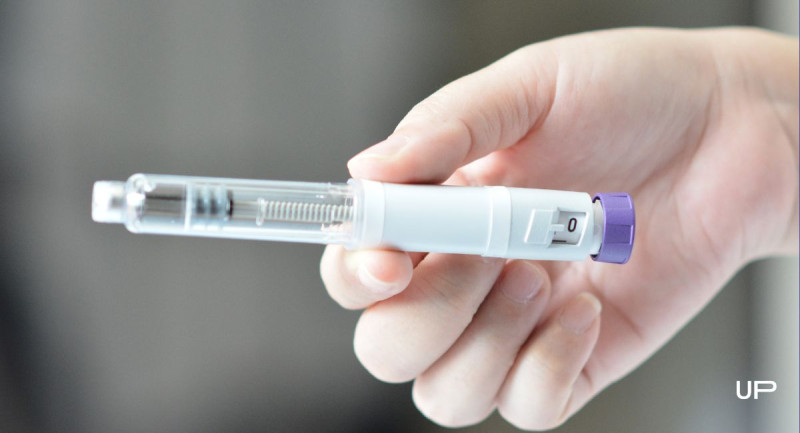

GLP-1 medications have become an increasingly discussed option for people looking for medical support with weight management. By affecting appetite, fullness, digestion, and blood sugar regulation, these prescription medications can help some people eat less and lose weight when used as part of a medically supervised treatment plan.
For Canadians considering GLP-1 medications for weight loss, it is important to understand what these treatments can and cannot do. They are not a quick fix, and results, side effects, eligibility, and treatment duration can vary from person to person.
This guide explains how GLP-1 medications work, who may qualify, how much weight loss may be possible, potential side effects and risks, costs and insurance considerations, and what to expect before, during, and after treatment.
Topics covered in this article:
- What Are GLP-1 Medications?
- How Do GLP-1 Medications Help With Weight Loss?
- Which GLP-1 Medications Are Available for Weight Loss in Canada?
- Who May Qualify for GLP-1 Weight-Loss Treatment?
- Who May Not Be a Good Candidate for GLP-1 Treatment?
- How Much Weight Can You Lose With GLP-1 Medications?
- How Long Does It Take for GLP-1 Weight Loss to Work?
- What Does Starting a GLP-1 Medication Feel Like?
- What Are the Most Common GLP-1 Side Effects?
- Are There Serious Risks With GLP-1 Medications?
- How Are GLP-1 Medications Taken?
- Do You Need to Diet While Taking a GLP-1?
- Exercise and Muscle Loss While Taking GLP-1s
- What Happens if Your Weight Loss Slows or Plateaus?
- What Happens When You Stop Taking a GLP-1?
- How Much Do GLP-1 Medications Cost in Canada?
- Does Insurance Cover GLP-1 Medications in Canada?
- GLP-1 Medications vs Other Weight-Loss Treatments
- How to Get Started With GLP-1 Weight-Loss Treatment
- Key Takeaways
- FAQ
- References
What Are GLP-1 Medications?
GLP-1 medications are prescription treatments that mimic the effects of glucagon-like peptide-1 (GLP-1), a hormone naturally released in the body after eating. GLP-1 helps regulate blood sugar, slows digestion, and sends signals to the brain that contribute to feelings of fullness.
GLP-1 receptor agonists work by activating the same receptors as natural GLP-1, but their effects last much longer. This can help reduce appetite and calorie intake while also improving blood sugar regulation.
Some newer medications act on more than one hormone pathway. GLP-1/GIP medications, for example, target both GLP-1 and glucose-dependent insulinotropic polypeptide (GIP) receptors. Tirzepatide is one example of this type of treatment and is authorized in Canada for certain diabetes and obesity-related indications.
It is also important to distinguish between medications approved for type 2 diabetes and those approved specifically for chronic weight management. The same active ingredient may be sold in different products with different indications, doses, and prescribing criteria. A healthcare provider can determine which option, if any, is appropriate based on a person’s health history, weight-related risks, and treatment goals.
How Do GLP-1 Medications Help With Weight Loss?
GLP-1 medications support weight loss mainly by changing how the body regulates appetite, fullness, digestion, and blood sugar. Rather than directly “burning fat,” they can make it easier for some people to eat less without experiencing the same level of hunger they may have felt before treatment.
One of their main effects is on appetite regulation in the brain. GLP-1 signalling can reduce hunger and increase satiety, helping people feel satisfied with smaller portions. Some people also notice fewer food cravings or less preoccupation with food.
These medications can also slow gastric emptying, meaning food leaves the stomach more gradually. This may help fullness last longer after meals, particularly when treatment is first started or the dose is increased.
GLP-1 medications also influence blood glucose regulation by helping the body release insulin when glucose levels are elevated and reducing inappropriate glucagon release. This is one reason the medication class was originally developed for type 2 diabetes.
Together, these effects can reduce overall calorie intake. For many people, the key difference is that eating less may feel more manageable because hunger, cravings, and portion size are being influenced by physiological signals rather than willpower alone.
Which GLP-1 Medications Are Available for Weight Loss in Canada?
Several GLP-1-based medications are available in Canada, but they are not all approved for the same purpose. Some are authorized specifically for chronic weight management, while others are primarily indicated for type 2 diabetes.
Semaglutide
Semaglutide is a GLP-1 receptor agonist available in Canada under different product names and for different approved uses. Wegovy is authorized for chronic weight management in eligible patients, while other semaglutide products are primarily indicated for type 2 diabetes. Although these medications contain the same active ingredient, their approved indications, dosing, and prescribing criteria can differ.
Canada also reached an important milestone in 2026 with the introduction of generic semaglutide. On June 29, 2026, Health Canada announced the authorization of Sevmia, the first generic semaglutide injection in Canada specifically indicated for chronic weight management. Sevmia is a generic version of Wegovy and is indicated for once-weekly treatment alongside a reduced-calorie diet and increased physical activity in eligible patients aged 12 and older.
The arrival of generic semaglutide may help expand treatment options and potentially reduce costs for patients and the healthcare system over time. However, availability, pricing, insurance coverage, and whether semaglutide is appropriate for an individual can vary, so treatment should be selected with a healthcare provider.
Tirzepatide
Tirzepatide works differently from traditional GLP-1 receptor agonists because it activates both GIP and GLP-1 receptors. For this reason, it is often described as a dual GIP/GLP-1 medication.
In Canada, tirzepatide is available under different brand names depending on its approved indication. Mounjaro is associated with type 2 diabetes treatment, while Zepbound is authorized for chronic weight management in eligible patients.
Liraglutide
Liraglutide is another GLP-1 receptor agonist. Saxenda is authorized for chronic weight management, while liraglutide products intended for diabetes treatment have a different indication. One practical difference is that liraglutide for weight management is typically taken daily, whereas some newer GLP-1-based treatments are administered weekly.
Weight-Loss Approval vs Diabetes Approval
One of the most important distinctions is the approved indication. A medication may contain the same or a similar active ingredient as another product but still be approved for a different condition.
For example, a GLP-1 medication authorized for type 2 diabetes should not automatically be considered the same as a product authorized for chronic weight management. The formulation, dose, treatment criteria, insurance coverage, and prescribing considerations may differ.
The same applies to brand-name and generic medications. A generic contains the same medicinal ingredient as its reference product and must meet Health Canada’s requirements, but patients should still confirm the product’s approved indication and prescribed dose.
A healthcare provider can determine which GLP-1-based treatment, if any, is appropriate based on your health history, weight-related conditions, treatment goals, current medications, and the specific Health Canada-approved indication.
Who May Qualify for GLP-1 Weight-Loss Treatment?
GLP-1 weight-loss medications may be an option for some adults who meet certain weight, health, and clinical criteria. Eligibility is not based on body weight alone and should be determined through an individual medical assessment.
In Canada, obesity pharmacotherapy is generally considered for adults with a BMI of 30 kg/m² or higher, or a BMI of 27 kg/m² or higher when weight-related health complications are present.
These health conditions may include concerns such as:
- Type 2 diabetes or prediabetes
- High blood pressure
- Abnormal cholesterol levels
- Obstructive sleep apnea
- Cardiovascular disease
- Other health problems associated with excess weight
A healthcare provider may also consider your medical history, current medications, previous weight-management efforts, treatment goals, and potential risks or contraindications. Prescription weight-management medications may be particularly relevant when lifestyle and behavioural approaches alone have not provided sufficient results.
Importantly, BMI is only one part of the assessment. Obesity Canada notes that BMI does not fully reflect body composition, fat distribution, or the presence and severity of weight-related health complications. The overall goal of treatment should focus on improving health and quality of life, not simply reaching a particular number on the scale.
Who May Not Be a Good Candidate for GLP-1 Treatment?
GLP-1 medications are not appropriate for everyone. Whether treatment is suitable depends on the specific medication, your medical history, current medications, and individual risk factors. Health Canada notes that these medications can carry important risks, including severe gastrointestinal problems, pancreatitis, kidney complications, and low blood sugar in certain situations.
GLP-1 weight-management medications are generally not recommended during pregnancy or breastfeeding. People who are pregnant, planning a pregnancy, or breastfeeding should discuss weight-management options with a healthcare provider. Obesity Canada’s clinical practice guidelines recommend against using weight-management medications during pregnancy or breastfeeding.
A healthcare provider will also review relevant personal and family medical history before prescribing treatment. Depending on the medication, certain endocrine conditions, previous allergic reactions, or other health concerns may affect whether a GLP-1-based treatment is appropriate.
Particular attention may be needed for people with a history of pancreatitis or significant gastrointestinal problems. Because GLP-1 medications affect digestion and can delay gastric emptying, existing digestive conditions may influence treatment decisions. Health Canada identifies severe gastrointestinal problems and pancreatitis among the known risks associated with GLP-1 products.
Current medications matter as well. GLP-1 treatments can affect blood glucose and digestion, and combining them with certain diabetes medications may increase the risk of hypoglycemia. Slower gastric emptying may also be relevant when considering other oral medications or procedures requiring sedation.
This is why medical screening before starting treatment is essential. A healthcare provider can review your health history, medications, potential contraindications, and treatment goals to determine whether a GLP-1 medication is appropriate and which option may be safest for you.
How Much Weight Can You Lose With GLP-1 Medications?
Weight loss with GLP-1 medications can vary significantly from one person to another. Some people experience substantial changes over time, while others lose less weight or respond more gradually. There is no single result that can be guaranteed.
The amount of weight lost can depend on several factors, including the specific medication used, starting weight, dose reached, how well the medication is tolerated, nutrition, physical activity, and consistency with treatment.
Different GLP-1 and GLP-1/GIP medications have also produced different average results in clinical trials. In general, newer treatments such as semaglutide and tirzepatide have shown greater average weight reductions than older GLP-1 medications such as liraglutide, although individual responses can still vary considerably.
Dose matters as well. These medications are usually started at a lower dose and increased gradually to improve tolerability. Some people may not be able to reach the highest recommended dose because of side effects, which can influence their overall response.
Lifestyle habits remain important during treatment. A nutritious eating pattern, adequate protein, regular physical activity, and resistance training can support weight loss while also helping preserve muscle and overall health.
Finally, GLP-1 treatment requires time and consistency. Weight loss is generally gradual rather than immediate, and progress may slow or plateau during treatment. A healthcare provider can monitor your response and determine whether the treatment plan remains appropriate for your health and weight-management goals.
How Long Does It Take for GLP-1 Weight Loss to Work?
GLP-1 medications can begin affecting appetite and fullness within the first few weeks, but meaningful weight loss usually develops gradually over several months. The timeline varies depending on the medication, dose, individual response, and how consistently treatment is followed.
During the first few weeks, many people are still taking a low starting dose. This stage is mainly intended to help the body adjust and reduce side effects such as nausea or digestive discomfort, so weight loss may be modest at first.
Over the first few months, the dose may be increased gradually if the medication is well tolerated. As treatment progresses, some people notice stronger appetite control, smaller portions, and more consistent weight loss.
Longer-term results often become clearer after several months of treatment. Clinical trials of GLP-1 and GLP-1/GIP medications generally assess outcomes over many months, not just a few weeks, because weight loss tends to accumulate over time.
Results are not immediate because these medications are titrated gradually rather than started at the full treatment dose. Your starting weight, nutrition, physical activity, tolerance, and individual biology can also affect how quickly you respond.
If weight loss is slower than expected, it does not necessarily mean the medication is not working. A healthcare provider can review your dose, side effects, eating patterns, activity level, and overall response before deciding whether any changes are appropriate.
What Does Starting a GLP-1 Medication Feel Like?
Starting a GLP-1 medication can feel different for everyone, but many people first notice changes in appetite and fullness. You may feel less hungry between meals, become satisfied with smaller portions, or think about food less often than before.
Because fullness may come earlier, adjusting portion sizes and eating habits can help. Eating slowly and stopping when comfortably full may reduce discomfort, especially during the first few weeks.
Some people also experience digestive changes as their body adjusts. Nausea, constipation, diarrhea, bloating, reflux, or an unusually full feeling after eating can occur. These effects are often more noticeable when treatment begins or after the dose is increased.
GLP-1 medications are generally started at a low dose and increased gradually. This dose-escalation process, known as titration, gives the body time to adapt and can help improve tolerability.
You should not expect to feel a dramatic change overnight. Appetite, digestion, side effects, and weight loss can change gradually throughout treatment. If side effects are persistent or difficult to manage, a healthcare provider can assess whether the dose, escalation schedule, or treatment plan needs to be adjusted.
What Are the Most Common GLP-1 Side Effects?
The most common side effects of GLP-1 medications are gastrointestinal, particularly nausea, constipation, diarrhea, vomiting, reflux or indigestion, and reduced appetite. Canadian obesity guidelines list nausea, constipation, diarrhea, and vomiting among the common effects of GLP-1-based weight-management medications.
Common side effects may include:
- Nausea: Often one of the most noticeable effects when treatment begins or the dose increases.
- Constipation: Slower digestion can make bowel movements less frequent for some people.
- Diarrhea: Some people experience loose or more frequent stools, particularly while adjusting to treatment.
- Vomiting: This can occur, especially when nausea is more pronounced.
- Reflux or heartburn: Slower stomach emptying may contribute to indigestion or reflux symptoms.
- Reduced appetite: This is an expected effect of treatment and one of the ways GLP-1 medications can support weight loss.
These effects are often most noticeable when treatment is first started or after a dose increase.
Gradual dose escalation is designed partly to improve tolerability. If side effects are persistent, severe, or making it difficult to eat or drink normally, contact your healthcare provider rather than changing or stopping the medication on your own.
Are There Serious Risks With GLP-1 Medications?
Yes. Although many people tolerate GLP-1 medications well, serious complications can occur, and the risks vary depending on the specific medication and a person’s health history. Health Canada identifies pancreatitis, severe gastrointestinal problems, worsening kidney injury, and low blood sugar in certain situations among the known risks of GLP-1 products.
Potential serious risks can include:
- Pancreatitis: Inflammation of the pancreas is uncommon but can be serious. Severe or persistent abdominal pain, particularly if it spreads to the back or is accompanied by vomiting, requires prompt medical assessment.
- Gallbladder problems: Some GLP-1-based weight-loss medications are associated with gallstones and gallbladder inflammation. Rapid or substantial weight loss itself can also increase the risk of gallstones.
- Severe dehydration and kidney problems: Persistent vomiting or diarrhea can lead to significant fluid loss. In some cases, dehydration can contribute to worsening kidney function.
- Hypoglycemia: GLP-1 medications generally have a relatively low risk of causing low blood sugar on their own, but the risk can increase when they are combined with certain medications used to treat diabetes.
- Other medication-specific warnings: Depending on the product, warnings may involve thyroid tumours, severe allergic reactions, diabetic eye complications, or delayed stomach emptying. Delayed gastric emptying can also be important before surgery or procedures involving sedation.
Seek medical attention if you experience severe or persistent abdominal pain, repeated vomiting, signs of significant dehydration, symptoms of a serious allergic reaction, or severe symptoms of low blood sugar. Any new or concerning symptoms should be discussed with a healthcare provider.
The presence of these risks does not mean GLP-1 treatment is unsafe for everyone. It highlights why screening, appropriate prescribing, gradual dose escalation, and ongoing monitoring are important. A healthcare provider can assess your individual risk factors and explain the warnings that apply to the specific medication being considered.
How Are GLP-1 Medications Taken?
How a GLP-1 medication is taken depends on the specific treatment. In Canada, GLP-1-based medications may be available as weekly injections, daily injections, or oral tablets, although not every formulation is approved specifically for weight management. Health Canada currently lists injectable semaglutide and liraglutide products for chronic weight management, while oral semaglutide products are primarily indicated for type 2 diabetes.
Many newer weight-management options are given as a once-weekly injection under the skin. For example, semaglutide used for chronic weight management is administered once weekly. Liraglutide-based weight-management treatment, by comparison, is administered once daily.
Most injectable GLP-1 medications are designed for self-injection at home using a prefilled pen or similar device. Patients should receive instructions on how to prepare and administer their medication, choose appropriate injection sites, store it correctly, and safely dispose of needles or devices. Injection training from a pharmacist or other healthcare professional can make the process easier and help reduce administration errors.
Treatment also typically involves dose titration. Rather than beginning at the full maintenance dose, patients usually start with a lower dose that is gradually increased according to the medication’s dosing schedule and individual tolerance. This approach can help the body adjust and reduce gastrointestinal side effects.
The exact dose, schedule, and formulation should always follow the prescription provided by your healthcare professional. Do not increase the dose faster than recommended or change the dosing schedule on your own, even if weight loss is slower than expected.
Do You Need to Diet While Taking a GLP-1?
You do not need to follow an extreme or highly restrictive diet while taking a GLP-1 medication. However, nutrition still plays an important role in supporting weight loss, maintaining muscle, managing side effects, and meeting your body’s nutritional needs.
GLP-1 medications can reduce hunger and increase fullness, which may naturally make it easier to eat smaller portions. Obesity Canada recommends using obesity medications as part of comprehensive care that includes health-behaviour changes rather than relying on medication alone.
Because appetite may decrease significantly, food quality becomes especially important. Helpful priorities can include:
- Adequate protein: Helps support muscle maintenance while losing weight.
- Fibre-rich foods: Vegetables, fruits, whole grains, and legumes can support digestive health and help with fullness.
- Hydration: Drinking enough fluids is particularly important if nausea, vomiting, diarrhea, or constipation occurs.
- Balanced meals: Nutrient-dense foods can help provide vitamins and minerals even when portions become smaller.
Very restrictive dieting or deliberately eating as little as possible is generally not the goal. Eating too little can make it harder to meet protein and nutrient needs and may contribute to fatigue or loss of lean mass.
A more sustainable approach is to use the medication’s appetite-regulating effects to build realistic eating habits that can be maintained over time. Your healthcare provider or dietitian can help tailor nutrition recommendations to your health, treatment response, and weight-management goals.
Exercise and Muscle Loss While Taking GLP-1s
Weight loss with GLP-1 medications does not come entirely from body fat. As with other forms of significant weight loss, some lean mass, including muscle, may also be lost. This makes maintaining muscle an important part of a GLP-1 weight-management plan.
Resistance training is one of the most useful strategies for helping preserve muscle during weight loss. Exercises using weights, resistance bands, machines, or body weight can help maintain strength and physical function. Regular aerobic activity, such as walking, cycling, or swimming, can also support cardiovascular and metabolic health.
Getting enough protein is equally important. Because GLP-1 medications can significantly reduce appetite, some people may unintentionally eat too little protein along with fewer calories overall. Including protein-rich foods throughout the day can help support muscle maintenance, recovery, and overall nutrition.
Preserving muscle matters for more than appearance. Muscle supports strength, mobility, physical independence, bone health, and metabolic function. The goal of treatment should therefore be improving health and body composition, not simply making the number on the scale as low as possible.
Your exercise and nutrition plan should reflect your age, health, fitness level, and treatment response. A healthcare provider or dietitian can help determine appropriate protein intake and physical activity, particularly if you are losing weight rapidly, have a medical condition, or are concerned about weakness or muscle loss.
What Happens if Your Weight Loss Slows or Plateaus?
A slowdown or plateau during GLP-1 treatment can be normal. Weight loss is rarely perfectly steady, and the body may adapt over time as weight decreases, appetite changes, and energy needs become lower.
Several factors can affect progress, including:
- Dose: Some people may still be in the gradual dose-escalation phase or may not tolerate a higher dose.
- Treatment adherence: Missed doses or inconsistent use can affect results.
- Nutrition: Portion sizes, calorie-dense foods, liquid calories, or inadequate protein may influence progress.
- Physical activity: Changes in movement, exercise, and resistance training can affect energy balance and body composition.
- Individual response: People respond differently to the same medication, and a plateau does not always mean treatment has failed.
If weight loss has slowed for several weeks or months, a healthcare provider can review your dose, side effects, eating patterns, activity level, medications, and overall health to determine whether the current plan remains appropriate.
Do not increase your dose, shorten the dosing interval, or combine weight-loss medications on your own in an attempt to restart weight loss. Any treatment adjustment should be made with a qualified healthcare provider.
What Happens When You Stop Taking a GLP-1?
When GLP-1 treatment is stopped, appetite and hunger signals may increase again, and some people regain part of the weight they lost. This does not happen the same way for everyone, but weight regain is a recognized possibility after stopping treatment.
One reason is that GLP-1 medications help regulate appetite and fullness while they are being taken. Once treatment ends, those effects may fade, making it harder to maintain the same calorie intake or portion sizes.
Obesity Canada recognizes obesity as a chronic disease, which means long-term management may be appropriate for some people rather than treating medication as a short, fixed “course.” (obesitycanada.ca)
This does not mean everyone who starts a GLP-1 medication will need to take it indefinitely. Treatment duration should be individualized based on factors such as:
- Weight-loss response
- Side effects and tolerability
- Health improvements
- Personal preferences
- Cost and insurance coverage
- Ability to maintain nutrition, activity, and other healthy behaviours
- Overall medical assessment
If treatment is being reduced or stopped, it can help to have a long-term weight-management plan in place. This may include nutrition support, resistance training, regular physical activity, sleep and stress management, and ongoing follow-up with a healthcare provider.
The decision to continue, change, or stop a GLP-1 medication should be made with a healthcare professional rather than based on a predetermined timeline. The goal is sustainable health improvement, not simply reaching a target weight and ending treatment automatically.
How Much Do GLP-1 Medications Cost in Canada?
The cost of GLP-1 medications in Canada can vary considerably depending on the specific medication, dose, brand or generic product, pharmacy, and insurance coverage. For that reason, there is no single monthly price that applies to everyone.
Brand-name GLP-1 medications can be costly when paid for entirely out of pocket. However, the Canadian market is changing. In 2026, Health Canada began approving generic semaglutide products, including a generic version authorized for chronic weight management. Generic medicines are typically priced lower than their brand-name equivalents, although actual pharmacy prices and availability can still vary.
Insurance coverage is another major factor. Some employer or private drug plans may cover weight-management medications, but coverage is inconsistent. Obesity Canada reports that fewer than 20% of private drug plans currently cover obesity medications, and access varies by province, employer benefits, and insurer.
Provincial drug plans may also have different eligibility requirements, restrictions, or coverage policies. In some cases, coverage can depend on the medication’s approved indication, meaning a product prescribed for chronic weight management may be treated differently from one indicated for type 2 diabetes.
Before starting treatment, it can be helpful to ask your pharmacy or insurance provider about:
- The expected out-of-pocket cost
- Whether the prescribed medication is covered
- Any prior authorization requirements
- Whether a generic option is available
- Deductibles or annual coverage limits
Because medication prices and coverage policies can change, confirming the current cost directly with your pharmacy and insurance provider is more reliable than relying on a fixed price published online.
Does Insurance Cover GLP-1 Medications in Canada?
Insurance coverage for GLP-1 weight-loss medications in Canada varies considerably by plan. Some private or employer-sponsored drug plans provide coverage, while others exclude medications prescribed specifically for obesity or weight management. Obesity Canada reports that fewer than 20% of private drug plans currently cover obesity medications.
The approved indication can also affect coverage. A GLP-1 medication prescribed for type 2 diabetes may be treated differently by an insurer than a medication approved specifically for chronic weight management. This is why coverage should be confirmed for the exact product and reason it has been prescribed.
Some insurance plans also require prior authorization before they will cover a weight-management medication. This may involve documentation from the prescriber confirming that the patient meets the insurer’s eligibility requirements.
A pharmacist or healthcare provider may be able to help with the coverage process by confirming formulary requirements, reviewing whether prior authorization is needed, and providing the documentation required by the insurer.
Because formularies and coverage rules can change, it is best to confirm your benefits before starting treatment. Your pharmacy and insurance provider can help determine whether the prescribed medication is covered and what your expected out-of-pocket cost may be.
GLP-1 Medications vs Other Weight-Loss Treatments
GLP-1 medications are one option for managing obesity, but they are not the only treatment available. The right approach depends on a person’s health, weight-related complications, treatment goals, preferences, previous attempts, and eligibility.
GLP-1 medications can help regulate appetite, increase fullness, and support clinically meaningful weight loss when used as part of a broader treatment plan. They may be particularly useful for people who meet medical criteria for prescription obesity treatment.
Other prescription weight-loss medications work through different mechanisms and may be appropriate when a GLP-1 medication is not suitable, well tolerated, available, or preferred. Each option has its own benefits, risks, and eligibility criteria.
Lifestyle and behavioural interventions remain an important part of weight management. Nutrition, physical activity, sleep, stress management, and behavioural support can improve health whether or not medication is used. For some people, these approaches may be sufficient on their own, while others may benefit from combining them with medication.
Bariatric surgery may be considered for people with more severe obesity or significant weight-related health complications when appropriate. It can produce substantial and durable weight loss, but it also involves surgery, lifelong nutritional considerations, and ongoing medical follow-up.
There is no single treatment that is best for everyone. Obesity is a chronic and complex condition, so treatment should be individualized based on overall health rather than weight alone. A healthcare provider can help compare the available options and determine which approach, or combination of approaches, is most appropriate.
How to Get Started With GLP-1 Weight-Loss Treatment
Getting started with GLP-1 treatment usually begins with a medical assessment to determine whether prescription weight-management medication is appropriate for you. The process should focus on your overall health, not simply your weight or BMI.
Before the assessment, it can help to gather information about your:
- Medical history: Including weight-related conditions, digestive concerns, previous surgeries, and other relevant health issues.
- Current medications and supplements: Some treatments can affect blood sugar, digestion, or interact with other medications.
- Weight and health goals: Consider what you hope to improve, such as weight, mobility, blood pressure, blood sugar, sleep, or overall quality of life.
- Previous weight-management efforts: Your healthcare provider may ask about nutrition, physical activity, previous medications, and what has or has not worked for you.
During the assessment, a healthcare provider can review whether you meet the criteria for treatment and discuss the potential benefits, side effects, serious risks, alternatives, and expected treatment timeline. This is also an opportunity to ask questions about cost, insurance coverage, dosing, and what happens if treatment does not produce the expected results.
If a GLP-1 medication is prescribed, treatment usually begins at a lower dose with gradual dose escalation. Follow-up monitoring is important to assess side effects, weight and health changes, medication tolerance, and whether the treatment plan continues to be appropriate.
Starting GLP-1 treatment should be viewed as the beginning of an individualized weight-management plan, not simply receiving a prescription. Ongoing nutrition, physical activity, monitoring, and medical follow-up can all contribute to safer and more sustainable results.
Key Takeaways
- GLP-1 medications can support weight loss by reducing appetite, increasing fullness, and helping regulate food intake.
- Not all GLP-1-based medications have the same approved indication. Some are authorized for chronic weight management, while others are primarily used for type 2 diabetes.
- Eligibility depends on more than body weight alone. Medical history, weight-related health conditions, current medications, risks, and treatment goals should all be considered.
- Weight-loss results vary by medication and individual, and meaningful changes generally develop gradually over several months.
- Gastrointestinal effects such as nausea, constipation, diarrhea, and vomiting are among the most common side effects, particularly while the dose is being increased.
- Nutrition, adequate protein, resistance training, hydration, and regular physical activity remain important during treatment.
- GLP-1 treatment may be part of long-term obesity management rather than a short-term solution. Obesity Canada recommends individualized pharmacotherapy as part of comprehensive obesity care.
- GLP-1 medications are prescription drugs in Canada and should be obtained through legitimate healthcare providers and licensed pharmacies.
FAQ
A GLP-1 medication is a prescription treatment that mimics or acts on glucagon-like peptide-1, a hormone involved in appetite, digestion, and blood glucose regulation. Some GLP-1 medications are approved for type 2 diabetes, chronic weight management, or both depending on the specific product.
GLP-1 medications can reduce hunger, increase feelings of fullness, influence appetite signals in the brain, and slow digestion. Together, these effects can make it easier to consume fewer calories over time.
There is no single GLP-1 medication that is best for everyone. Semaglutide, tirzepatide, and liraglutide are among the medications used for chronic weight management in Canada, and they differ in effectiveness, dosing, side effects, contraindications, cost, and individual suitability.
There is no guaranteed amount. Weight loss varies according to the medication, dose, starting weight, treatment duration, tolerance, nutrition, physical activity, and individual response.
Changes in hunger or fullness may be noticed within the first few weeks, while meaningful weight loss generally develops over several months. Because doses are usually increased gradually, treatment is not expected to produce maximum results immediately.
Eligibility depends on the specific medication and a clinical assessment. Factors can include BMI, weight-related health conditions, medical history, previous weight-management efforts, current medications, and potential contraindications. Canadian obesity guidelines recommend individualized treatment rather than relying on weight alone.
Yes. Certain GLP-1 and GLP-1/GIP medications are authorized in Canada specifically for chronic weight management, including for eligible people who do not have type 2 diabetes.
GLP-1 medications can be appropriate for many eligible patients when prescribed and monitored properly, but they are not risk-free. Common gastrointestinal side effects and less common serious complications should be discussed with a healthcare provider before treatment.
Common side effects include nausea, constipation, diarrhea, vomiting, and other gastrointestinal symptoms. These can be more noticeable when treatment begins or during dose increases.
Weight regain is possible after stopping treatment because appetite and hunger signals may increase again. How much weight is regained varies, which is why a long-term weight-management plan can be important when treatment is changed or discontinued.
Weight loss can include both body fat and lean mass, including muscle. Adequate protein intake, resistance training, and appropriate physical activity can help support muscle preservation during weight loss.
Alcohol is not automatically prohibited for everyone taking a GLP-1 medication, but it may worsen nausea, dehydration, or gastrointestinal symptoms and can affect blood glucose in some people. Individual considerations, other medications, and medical conditions matter, so it is best to discuss alcohol use with your healthcare provider.
Costs vary considerably according to the medication, dose, brand or generic product, pharmacy, and insurance coverage. Canada has also begun approving generic semaglutide products, which may affect pricing and access over time.
Sometimes. Coverage depends on the private, employer, or provincial drug plan and the medication’s approved indication. Some insurers may also require prior authorization before providing coverage.
Yes. GLP-1 medications such as semaglutide and tirzepatide are prescription drugs in Canada. Health Canada advises obtaining them only through legitimate healthcare providers and licensed pharmacies.
A medical assessment for prescription weight-management treatment may be available through virtual healthcare services in Canada. However, online access does not remove the need for proper medical assessment and prescribing. GLP-1 medications still require a prescription, and Health Canada recommends purchasing prescription medications only from licensed pharmacies.
References
UPGUYS has strict sourcing guidelines to ensure our content is accurate and current. We rely on peer-reviewed studies, academic research institutions, and medical associations. We strive to use primary sources and refrain from using tertiary references.- Health Basics: GLP-1s, National Academy of Medicine,
https://nam.edu/product/health-basics-glp-1s/ - How does Ozempic work? Understanding GLP-1s for diabetes, weight loss, and beyond, Harvard Health Publishing,
https://www.health.harvard.edu/healthy-aging-and-longevity/how-does-ozempic-work-understanding-glp-1s-for-diabetes-weight-loss-and-beyond - Efficacy of GLP-1 RA Approved for Weight Management in Patients With or Without Diabetes: A Narrative Review, PubMed,
https://pmc.ncbi.nlm.nih.gov/articles/PMC9063254/ - Canada approves first generic semaglutide for weight loss, Canada,
https://www.canada.ca/en/health-canada/news/2026/06/canada-approves-first-generic-semaglutide-for-weight-loss.html - How Long Should You Be on a GLP-1? Cleveland Clinic,
https://health.clevelandclinic.org/how-long-to-take-glp-1-for-weight-loss
This article is written for informational purposes only and does not constitute medical advice. The information provided in the articles cannot and should not replace advice from a healthcare professional. Talk to your healthcare provider about any physical or mental health concerns or the risks and benefits of any treatment or medication.




UPRX Pharmacy (West) Licenced by:
College of Pharmacists of British Columbia
Licence Number: 38287
1221543 B.C. LTD
224 – 3989 Henning Dr.
Burnaby BC, V5C 6P8 Canada
P: 604-291-1094 F: 604-291-0827
Pharmacy Manager: Mehrdad Rezaei
UPRX Pharmacy (East)
Accredited by:
Ontario College of Pharmacists
Accreditation Number: 309322
1000286128 Ontario Inc.
105 - 91 Skyway Ave
Etobicoke, ON M9W 6R5 Canada
P: 416-679-1774 F: 416-679-1808
Designated Manager: Todd Spetter