Blood Donation On TRT In Canada: Eligibility, Hematocrit Limits, And Safety
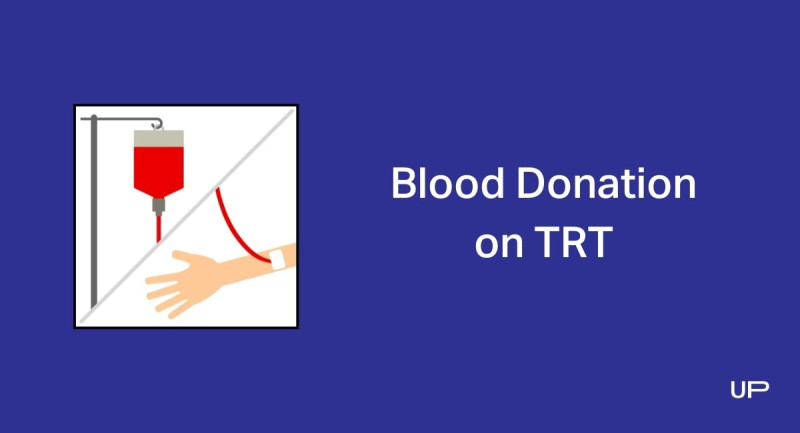

Testosterone replacement therapy (TRT) in Canada has helped many men improve energy, strength, mood, and overall well-being as testosterone levels decline with age.
Along with these benefits, clinicians also monitor several safety markers during treatment, one of the most important being hematocrit, the percentage of red blood cells in the blood.
Because TRT can increase red blood cell production in some men, hematocrit levels may rise over time. When this happens, many patients begin searching for practical solutions and often hear that donating blood might help lower hematocrit. This leads to a common question: Can you donate blood while on TRT in Canada, and is it actually a safe or effective way to manage elevated hematocrit?
Understanding how blood donation works, when it is allowed, and when medical treatment such as dose adjustments or therapeutic phlebotomy may be more appropriate is important for anyone using testosterone therapy. In this guide, we explain eligibility rules in Canada, how hematocrit affects donation, and what clinicians recommend when levels start to rise.
Topics covered in this article:
- Can men on TRT donate blood in Canada?
- Why TRT can increase hematocrit
- Does donating blood lower hematocrit on TRT?
- Canadian blood donation rules for men on TRT
- When clinicians recommend therapeutic phlebotomy instead
- Signs your hematocrit may be too high
- Safer ways to manage high hematocrit on TRT
- How often should hematocrit be monitored on TRT?
- FAQs
- Conclusion
- References
Can men on TRT donate blood in Canada?
Yes, some men on testosterone replacement therapy (TRT) in Canada may be eligible to donate blood, but eligibility depends on individual screening and hemoglobin levels at the time of donation.
Being on TRT alone does not automatically disqualify someone from donating blood, but all donors must pass standard health and laboratory checks.
Blood donation centers in Canada screen every donor to ensure both donor safety and blood supply safety. This screening typically includes:
- Hemoglobin testing before donation
- A health questionnaire about medications and medical conditions
- A brief clinical assessment to confirm eligibility
Men on TRT may be allowed to donate if they meet the same criteria required for any donor. However, eligibility can vary depending on several factors:
- Hemoglobin level at screening
- Overall health status
- Frequency of previous donations
- Other medications or medical conditions
One important point is that TRT can sometimes raise hemoglobin and hematocrit levels, which may affect whether a person passes donation screening. If levels are too high or outside acceptable limits, donation may not be permitted at that time.
For this reason, donating blood while on TRT is sometimes possible but not guaranteed, and eligibility must be determined during the screening process at the donation center.
Why TRT can increase hematocrit
Testosterone replacement therapy (TRT) can increase hematocrit because testosterone stimulates the body to produce more red blood cells. While this effect can improve oxygen delivery and energy in some men, it can also cause hematocrit levels to rise beyond the normal range if not monitored carefully.
Testosterone influences the production of erythropoietin, a hormone that signals the bone marrow to produce red blood cells. When testosterone levels increase during TRT, this signal can become stronger, leading to higher red blood cell production. As a result, the proportion of red blood cells in the blood — measured as hematocrit — may gradually increase over time.
The likelihood of hematocrit rising can also depend on several factors, including TRT dose, injection frequency, delivery method, age, smoking status, and conditions such as sleep apnea. Because of this potential effect, clinicians routinely monitor hematocrit levels during testosterone therapy.
If you want to understand the process in more detail, you can read our guide on why hematocrit increases with TRT, which explains the mechanisms, risk factors, and monitoring recommendations.
Does donating blood lower hematocrit on TRT?
Yes, donating blood can temporarily lower hematocrit levels in men on testosterone replacement therapy (TRT), but the effect is usually short-term and does not address the underlying cause of elevated red blood cell production.
When blood is donated, a portion of red blood cells is removed from circulation. This naturally reduces the concentration of red blood cells in the blood, which lowers hematocrit for a period of time. However, because TRT can continue stimulating red blood cell production in the bone marrow, hematocrit levels may gradually rise again after donation.
For this reason, blood donation may help temporarily reduce hematocrit, but it does not always fully control TRT-related increases. Some men experience repeated elevations despite donating blood, especially if the underlying drivers—such as higher testosterone peaks, sleep apnea, or dehydration—are not addressed.
Clinicians therefore view blood donation as a possible short-term measure rather than a primary treatment strategy. Managing elevated hematocrit on TRT often requires a broader approach, which may include reviewing the testosterone dose, adjusting injection frequency, switching formulations, or evaluating other health factors that contribute to rising levels.
Canadian blood donation rules for men on TRT
Men on testosterone replacement therapy (TRT) in Canada may be eligible to donate blood, but they must meet the same screening requirements applied to all donors. Eligibility is determined during the donation appointment through health questionnaires, laboratory testing, and general safety criteria established by Canadian Blood Services.
Several factors are evaluated before donation.
Hemoglobin limits
Every donor must pass a hemoglobin screening test before donating blood.
Canadian Blood Services checks hemoglobin levels at the donation centre to ensure the donor has enough red blood cells to safely give blood. If hemoglobin is above or below the acceptable range, donation may be deferred.
Because TRT can increase red blood cell production, some men may have hemoglobin levels that fall outside donation thresholds, which can affect eligibility at the time of screening.
Medication disclosure
Donors must disclose all medications they are currently using.
Testosterone therapy itself does not automatically disqualify someone from donating blood, but it must be reported during the screening process so staff can assess eligibility based on current guidelines.
General eligibility rules
Like all donors, men on TRT must meet standard requirements such as:
- Being in generally good health
- Meeting age and weight requirements
- Passing the pre-donation health questionnaire
- Waiting the required interval between donations
These criteria help ensure both donor safety and the safety of the blood supply.
Canadian Blood Services considerations
Final eligibility is always determined at the donor centre.
Canadian Blood Services evaluates each donor individually based on laboratory results, medical history, and current health status. Even if someone has donated previously while on TRT, eligibility can change depending on hemoglobin levels and overall health at the time of donation.
For this reason, men using testosterone therapy should view donation as subject to screening approval rather than guaranteed eligibility, and they should continue regular monitoring of hematocrit and hemoglobin with their clinician.
When clinicians recommend therapeutic phlebotomy instead
Clinicians may recommend therapeutic phlebotomy when hematocrit levels become significantly elevated on testosterone replacement therapy (TRT), especially when standard blood donation is not appropriate or sufficient to control red blood cell levels. While both procedures remove blood from the body, they serve different purposes and are managed differently.
Blood donation
Blood donation is a voluntary process intended to collect blood for transfusion to patients.
Donors must meet strict eligibility criteria set by organizations such as Canadian Blood Services, including acceptable hemoglobin levels and general health requirements. Because of these rules, not everyone with elevated hematocrit on TRT will qualify to donate blood.
Therapeutic phlebotomy
Therapeutic phlebotomy is a medical treatment prescribed by a clinician to reduce excessive red blood cells.
It involves removing a specific volume of blood under medical supervision to lower hematocrit levels and reduce the risk of complications related to thickened blood. Unlike regular blood donation, therapeutic phlebotomy is performed for medical management rather than for blood supply purposes.
Physician-directed treatment
When hematocrit rises above recommended safety thresholds—often around 52–54%—clinicians may recommend therapeutic phlebotomy as part of a broader treatment plan. This plan may also include:
- Reviewing TRT dose or injection frequency
- Considering switching testosterone formulations
- Addressing contributing factors such as sleep apnea, smoking, or dehydration
- Scheduling follow-up blood tests to monitor hematocrit
In this context, therapeutic phlebotomy is not used as a standalone solution but rather as a physician-guided strategy to restore safe hematocrit levels while maintaining appropriate TRT management.
Signs your hematocrit may be too high
High hematocrit on testosterone replacement therapy (TRT) does not always cause noticeable symptoms, which is why regular blood tests are important. However, when red blood cell levels become significantly elevated, some men may begin to experience symptoms related to thicker blood and increased cardiovascular strain.
Possible signs of elevated hematocrit include:
- Headaches — persistent or pressure-like headaches
- Facial flushing — redness or warmth in the face or neck
- Dizziness or lightheadedness — especially when standing or during activity
- Fatigue — unusual tiredness despite adequate rest
- High blood pressure — elevated readings during routine checks
These symptoms can also be caused by other health conditions, so they should not be used to diagnose high hematocrit on their own. The most reliable way to detect elevated hematocrit is through routine bloodwork, which is typically performed before starting TRT and periodically during treatment.
If you experience these symptoms while on TRT, it is important to speak with your clinician and review recent laboratory results to determine whether hematocrit levels may be contributing to the issue.
Safer ways to manage high hematocrit on TRT
Managing elevated hematocrit on testosterone replacement therapy (TRT) usually involves adjusting treatment or addressing underlying risk factors rather than relying on blood donation alone. Clinicians typically review several factors to help bring hematocrit back into a safer range while maintaining the benefits of therapy.
Common approaches include:
- Dose adjustment
- Reducing the testosterone dose can decrease stimulation of red blood cell production and help stabilize hematocrit levels.
- Injection frequency changes
- Smaller, more frequent injections may reduce hormone peaks that can stimulate excess red blood cell production.
- Switching to gel or another formulation
- Transdermal options such as testosterone gels often provide more stable hormone levels, which may reduce the likelihood of large hematocrit increases in some men.
- Treating sleep apnea
- Untreated sleep apnea can increase red blood cell production. Managing this condition can improve both hematocrit levels and overall health.
- Maintaining good hydration
- Dehydration can temporarily increase hematocrit readings by concentrating the blood, so staying well hydrated helps ensure accurate lab results.
- Therapeutic phlebotomy when indicated
- When hematocrit rises above recommended thresholds, clinicians may recommend therapeutic phlebotomy to safely lower red blood cell levels.
In practice, clinicians often use a combination of these strategies to manage hematocrit while keeping TRT effective and safe. Regular monitoring and individualized treatment adjustments are key to maintaining healthy blood markers during therapy.
How often should hematocrit be monitored on TRT?
Hematocrit should be checked before starting testosterone replacement therapy (TRT), monitored regularly during the first year of treatment, and then tested periodically once levels are stable. Routine monitoring helps detect rising hematocrit early and allows clinicians to adjust therapy if needed.
A typical monitoring schedule includes:
- Baseline testing
- Hematocrit should be measured before starting TRT to establish a reference level and identify any pre-existing elevation.
- Every 3–6 months during the first year
- During the first year of therapy, hematocrit is usually checked every 3 to 6 months, since this is when increases are most likely to occur.
- Annual testing after levels stabilize
- Once testosterone levels and hematocrit remain stable, most clinicians recommend checking hematocrit once per year as part of routine TRT monitoring.
Regular bloodwork allows clinicians to identify rising hematocrit early and adjust TRT safely, helping maintain both treatment effectiveness and cardiovascular safety.
FAQs
No. Donating blood should not replace TRT dose adjustments. While blood donation can temporarily lower hematocrit, it does not address the underlying cause of increased red blood cell production from testosterone therapy. If hematocrit continues to rise, clinicians usually review TRT dose, injection frequency, or formulation to manage levels safely.
Most blood donation programs allow donations every 8–12 weeks, depending on the type of donation and eligibility criteria. However, men on TRT must still pass hemoglobin screening and other health checks at each visit. Eligibility is determined by the donation center, and donation frequency should not be used as the primary strategy to manage TRT-related hematocrit changes.
Donating blood may help reduce symptoms related to very high hematocrit in some men, but it is not a universal solution for TRT side effects. Symptoms such as headaches, flushing, or fatigue linked to elevated red blood cell levels may improve after blood removal, but clinicians typically address the root cause through TRT adjustments and medical monitoring.
No. Therapeutic phlebotomy is a medical treatment, while blood donation is a voluntary contribution to the blood supply. Therapeutic phlebotomy is prescribed by a clinician specifically to reduce high hematocrit levels and is performed under medical supervision. Blood donation, by contrast, follows strict donor eligibility rules and may not be permitted if hemoglobin levels fall outside acceptable limits.
Donation centers usually evaluate hemoglobin levels rather than hematocrit directly, but very high hematocrit levels may lead to donation deferral. Clinically, hematocrit levels around 52–54% or higher often prompt medical evaluation and may require treatment adjustments before donation is considered. Eligibility ultimately depends on the screening results at the donation center.
Conclusion
Donating blood while on testosterone replacement therapy (TRT) in Canada may be possible for some men, but eligibility always depends on individual screening, hemoglobin levels, and overall health at the time of donation. While blood donation can temporarily lower hematocrit, it should not be viewed as the primary strategy for managing TRT-related increases in red blood cell levels.
The safest approach is consistent monitoring and clinician-guided treatment adjustments. Regular blood tests allow healthcare providers to track hematocrit and identify changes early, while treatment adjustments—such as modifying dose, injection frequency, or formulation—can help maintain safe and stable levels.
If hematocrit rises significantly, clinicians may recommend additional steps such as therapeutic phlebotomy or further evaluation of contributing factors. With proper monitoring and medical guidance, most men can continue TRT safely while maintaining healthy blood markers and reducing potential risks.
References
UPGUYS has strict sourcing guidelines to ensure our content is accurate and current. We rely on peer-reviewed studies, academic research institutions, and medical associations. We strive to use primary sources and refrain from using tertiary references.- Eligibility criteria, Canadian Blood Services,
https://www.blood.ca/en/blood/am-i-eligible-donate-blood/eligibility - Eligibility: medications and vaccinations, Canadian Blood Services,
https://www.blood.ca/en/blood/am-i-eligible-donate-blood/eligibility/medications-vaccinations - Blood donation and testosterone replacement therapy, PubMed,
https://pubmed.ncbi.nlm.nih.gov/28150363/ - Hematocrit Test, Cleveland Clinic,
https://my.clevelandclinic.org/health/diagnostics/17683-hematocrit
This article is written for informational purposes only and does not constitute medical advice. The information provided in the articles cannot and should not replace advice from a healthcare professional. Talk to your healthcare provider about any physical or mental health concerns or the risks and benefits of any treatment or medication.




UPRX Pharmacy (West) Licenced by:
College of Pharmacists of British Columbia
Licence Number: 38287
1221543 B.C. LTD
224 – 3989 Henning Dr.
Burnaby BC, V5C 6P8 Canada
P: 604-291-1094 F: 604-291-0827
Pharmacy Manager: Mehrdad Rezaei
UPRX Pharmacy (East)
Accredited by:
Ontario College of Pharmacists
Accreditation Number: 309322
1000286128 Ontario Inc.
105 - 91 Skyway Ave
Etobicoke, ON M9W 6R5 Canada
P: 416-679-1774 F: 416-679-1808
Designated Manager: Todd Spetter