High Hematocrit On TRT: What It Means And What To Do Next


Testosterone Replacement Therapy (TRT) in Canada has helped many men improve energy, mood, strength, and overall quality of life.
However, routine bloodwork sometimes reveals a result that can feel concerning: elevated hematocrit levels. Seeing this number rise on your lab report can raise questions about blood thickness, heart health, and whether you can safely continue TRT.
What does high hematocrit mean on TRT?
High hematocrit on Testosterone Replacement Therapy (TRT) in Canada means the percentage of red blood cells in your blood has risen above the normal range, causing the blood to become thicker and potentially harder to circulate. If hematocrit climbs too high, it can increase cardiovascular strain and may require monitoring or treatment adjustments to keep therapy safe.
For men on TRT, a rising hematocrit is relatively common and usually manageable with proper monitoring. Understanding what your numbers mean, when levels become medically concerning, and what steps to take next can help you stay on treatment safely while protecting your long-term health.
Topics covered in this article:
- What does high hematocrit mean on TRT?
- What hematocrit level is considered too high on TRT?
- What symptoms can high hematocrit cause?
- Why does TRT increase hematocrit?
- What should you do if your hematocrit is high on TRT?
- When is therapeutic phlebotomy recommended on TRT?
- Can you donate blood if your hematocrit is high?
- Should you lower your TRT dose or switch methods?
- How often should hematocrit be monitored in Canada?
- Can you stay on TRT if hematocrit is elevated?
- FAQs
- Conclusion
- References
What hematocrit level is considered too high on TRT?
On Testosterone Replacement Therapy (TRT), hematocrit levels above 52% are generally considered elevated, and levels at or above 54% typically require medical action or treatment adjustment. Most clinicians begin closer monitoring once hematocrit approaches 50%, as this is where upward trends become clinically important.
Understanding these thresholds helps determine when simple monitoring is enough — and when intervention may be needed.
Hematocrit around 50%: watch closely
A hematocrit level near 50% is usually considered the upper end of the normal range for many men on TRT.
At this stage:
- No immediate intervention is usually required
- Repeat bloodwork may be scheduled sooner
- Hydration and lifestyle factors may be reviewed
- Providers monitor for continued upward trends
This range serves as an early signal to stay proactive.
Hematocrit at 52%: elevated and requires attention
When hematocrit reaches about 52%, most clinicians consider it elevated and worth addressing.
At this level, your provider may:
- Review testosterone dose and frequency
- Assess injection schedule or formulation
- Evaluate risk factors such as sleep apnea or smoking
- Consider blood donation if appropriate
The goal is to prevent further rise while maintaining TRT benefits.
Hematocrit at 54% or higher: intervention range
A hematocrit of 54% or higher is widely considered the threshold where active intervention is recommended.
At this point, blood thickness may increase cardiovascular risk if not addressed. Common next steps can include:
- Therapeutic phlebotomy or blood donation (if eligible)
- Adjusting TRT dose or frequency
- Switching testosterone formulation (for example, injections to gel)
- Temporary treatment pause in some cases
With proper monitoring and timely action, most men can safely bring hematocrit back into range and continue TRT under medical supervision.
What symptoms can high hematocrit cause?
High hematocrit on TRT may not always cause noticeable symptoms, but when levels rise significantly, thicker blood can affect circulation and cardiovascular strain. Some men feel completely normal, while others experience subtle warning signs that should prompt follow-up bloodwork and medical review.
Common symptoms of elevated hematocrit on TRT include:
- Headaches — often mild but persistent due to thicker blood flow
- Facial flushing or redness — especially in the face or neck
- Dizziness or lightheadedness — sometimes during exertion or standing
- Fatigue or low energy — despite adequate testosterone levels
- Higher blood pressure readings — or feeling pressure in the head
These symptoms can develop gradually and may be easy to overlook. However, many men with elevated hematocrit experience no symptoms at all, which is why routine bloodwork remains the most reliable way to detect rising levels.
If hematocrit continues to increase without monitoring, thicker blood can place additional strain on the heart and circulation over time. Early detection allows for simple adjustments that keep TRT safe and effective.
Why does TRT increase hematocrit?
Testosterone can increase hematocrit because it stimulates the body to produce more red blood cells. This effect supports oxygen delivery and energy levels, but in some men on TRT, red blood cell production rises enough to thicken the blood and elevate hematocrit beyond the ideal range.
Injectable testosterone, especially at higher doses or longer intervals, can create stronger hormone peaks that trigger a greater red blood cell response. Other factors such as age, smoking, untreated sleep apnea, and dehydration may also contribute to rising hematocrit while on TRT.
If you want a deeper explanation of the science and risk factors behind this process, read our full guide:
What should you do if your hematocrit is high on TRT?
If your hematocrit is elevated while on Testosterone Replacement Therapy (TRT) in Canada, the first step is not to panic — most cases are manageable with monitoring and simple adjustments. The right approach depends on how high your level is, your symptoms, and your overall risk profile.
Here is a practical, step-by-step action plan.
1. Do not panic
Mild to moderate hematocrit elevation is common on TRT and usually reversible.
Many men remain asymptomatic, and early intervention prevents complications. The key is measured, medically guided action — not stopping therapy abruptly on your own.
2. Repeat the lab to confirm
A repeat CBC may be recommended to confirm the result.
Temporary factors such as dehydration, recent illness, or lab variation can slightly elevate hematocrit. Rechecking ensures the number is accurate before making treatment decisions.
3. Review your TRT dose and frequency
Higher doses or longer injection intervals can contribute to rising hematocrit.
Your clinician may:
- Reduce your testosterone dose
- Split injections into smaller, more frequent doses
- Adjust timing to reduce hormone peaks
Even small adjustments can significantly improve red blood cell trends.
4. Review your testosterone formulation
Switching delivery methods may help if hematocrit continues to rise.
Injectable testosterone is more commonly associated with higher peaks. In some men, switching to a gel or cream provides steadier levels and reduces hematocrit stimulation.
5. Check hydration and lifestyle factors
Dehydration can falsely elevate hematocrit levels.
Ensure you are well hydrated before testing. Also review:
- Smoking status
- Alcohol intake
- Sleep quality
- High altitude exposure
Correcting contributing factors can improve lab results without major treatment changes.
6. Assess underlying risk factors
Certain health conditions increase the likelihood of hematocrit elevation.
Your provider may evaluate for:
- Obstructive sleep apnea
- Cardiovascular risk factors
- History of clotting disorders
- Lung disease
Addressing these conditions can help stabilize hematocrit while continuing TRT safely.
Most cases of elevated hematocrit can be managed through structured monitoring, dose refinement, and lifestyle adjustments. Early, proactive steps help you stay on TRT while protecting your cardiovascular health.
When is therapeutic phlebotomy recommended on TRT?
Therapeutic phlebotomy is typically recommended when hematocrit reaches about 52–54% or higher and remains elevated despite initial adjustments to TRT. At this level, blood thickness may begin increasing cardiovascular risk, and removing a controlled amount of blood can safely bring hematocrit back into range.
Phlebotomy is always physician-guided and used as a targeted safety measure — not a routine requirement for all men on TRT.
Hematocrit thresholds that may trigger phlebotomy
Most clinicians begin considering therapeutic phlebotomy when hematocrit approaches or exceeds 52–54%.
It may be recommended if:
- Hematocrit continues rising despite dose adjustments
- Levels exceed the safe upper range
- Symptoms of thickened blood appear
- Cardiovascular risk factors are present
The goal is to reduce red blood cell concentration before complications develop.
How therapeutic phlebotomy works
Therapeutic phlebotomy involves removing a measured amount of blood to lower hematocrit safely.
The process is similar to donating blood but performed under medical guidance. It helps:
- Reduce blood thickness
- Lower cardiovascular strain
- Restore hematocrit to a safer range
- Allow TRT to continue safely in many cases
Most men tolerate the procedure well, and it often provides rapid improvement in hematocrit levels.
How often is phlebotomy needed?
Frequency depends on how elevated hematocrit is and how your body responds.
Some men require:
- A single session to return to range
- Occasional repeat sessions
- Temporary monitoring without repeat treatment
Once hematocrit stabilizes, clinicians may adjust TRT dose, frequency, or formulation to prevent recurrence.
Is therapeutic phlebotomy permanent?
For most men, therapeutic phlebotomy is occasional rather than permanent.
With proper dose adjustments, monitoring, and lifestyle support, many patients maintain stable hematocrit without frequent procedures.
Used appropriately, therapeutic phlebotomy is a safe and effective tool that allows many men to continue TRT while protecting long-term cardiovascular health.
Can you donate blood if your hematocrit is high?
Yes — some men on TRT in Canada may be eligible to donate blood if their hematocrit is elevated, but eligibility depends on national donation criteria and your overall health status. Donating blood can sometimes help lower hematocrit, but it must be done safely and within approved guidelines.
When blood donation may be allowed
You may be able to donate if your hematocrit is elevated but still within the acceptable range for blood donation programs.
In Canada, eligibility is determined by screening criteria that typically include:
- Hemoglobin within donation limits
- No active infection or disqualifying medical condition
- Meeting general donor requirements
- Appropriate time since last donation
If approved, donation may help reduce red blood cell concentration and support healthier circulation.
When donation may not be sufficient
If hematocrit is significantly elevated (often above 52–54%), therapeutic phlebotomy under medical supervision may be recommended instead.
Blood donation centers may not accept donors with levels above certain thresholds, or donation frequency limits may not be enough to manage hematocrit quickly.
Important considerations for men on TRT
Before donating blood:
- Always inform your clinician
- Confirm eligibility with the donation center
- Avoid using donation as a self-directed treatment
- Continue regular bloodwork monitoring
Some men can safely use periodic donation as part of their hematocrit management plan, while others require physician-guided therapeutic phlebotomy.
Canada-specific note
Blood donation policies in Canada are designed to protect both donor and recipient safety. Because eligibility rules can change, it is best to confirm with the national blood service and your clinician before using donation as a strategy to manage hematocrit.
When done appropriately, blood donation can be a helpful option for some men — but it should always be part of a structured, medically supervised TRT monitoring plan.
Should you lower your TRT dose or switch methods?
If hematocrit rises on Testosterone Replacement Therapy (TRT) in Canada, clinicians usually start by adjusting dose or injection frequency before considering a full method switch. The goal is to reduce red blood cell stimulation while preserving the benefits of stable testosterone levels.
Peer-reviewed clinical research has shown that testosterone delivery method and dosing strategy can influence red blood cell production and hematocrit levels during therapy.
Here’s how providers typically approach it.
1. Adjust injection frequency first
Splitting injections into smaller, more frequent doses can reduce hormone peaks that stimulate red blood cell production.
For example:
- Weekly injections → divided into twice-weekly doses
- Larger single doses → smaller, more consistent dosing
This approach often smooths testosterone levels and lowers hematocrit trends without reducing total weekly dose.
2. Reduce the overall TRT dose
Lowering the testosterone dose is one of the most effective ways to bring hematocrit back into range.
Even modest reductions can decrease red blood cell stimulation. The aim is to maintain symptom relief while avoiding excessive hormonal peaks.
Dose adjustments are typically monitored with repeat labs 6–12 weeks later.
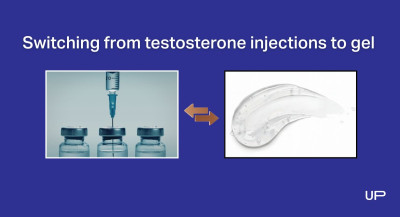
3. Switch from injections to gel
Switching to a gel or cream may help if hematocrit continues to rise despite dose optimization.
Injectable testosterone is more commonly associated with higher peaks. Transdermal formulations provide steadier daily absorption, which may reduce hematocrit stimulation in some men.
This option is often considered when:
- Hematocrit repeatedly exceeds 52–54%
- Therapeutic phlebotomy becomes frequent
- Injection peak levels are suspected to drive the rise
4. Temporary pause (rare cases)
A short pause in TRT may be recommended if hematocrit reaches a high intervention threshold and other measures are insufficient.
This is uncommon and usually reserved for:
- Levels well above 54%
- Persistent elevation despite intervention
- Additional cardiovascular risk factors
Once hematocrit returns to a safer range, TRT can often be restarted with adjustments.
Most cases of elevated hematocrit can be corrected with small, structured adjustments rather than stopping therapy entirely. The decision to reduce dose, adjust frequency, or switch methods should always be guided by lab results, symptoms, and individualized cardiovascular risk assessment.
How often should hematocrit be monitored in Canada?
Hematocrit should be checked before starting TRT, every 3–6 months during the first year, and at least annually once levels are stable. Additional testing is recommended after any dose change, formulation switch, or if symptoms suggest rising hematocrit.
Regular monitoring is one of the most important safety steps for men on Testosterone Replacement Therapy (TRT) in Canada.
Baseline testing before starting TRT
A baseline CBC (complete blood count) should be done before beginning TRT.
This establishes your starting hematocrit level and helps identify any pre-existing elevation or risk factors before treatment begins.
Every 3–6 months during the first year
Hematocrit should typically be rechecked every 3–6 months during the first year of TRT.
This is when levels are most likely to rise, especially with injectable testosterone. Early monitoring allows clinicians to detect trends and make adjustments before hematocrit becomes too high.
Annual monitoring once stable
After testosterone levels and hematocrit stabilize, most men move to annual testing.
Yearly monitoring helps ensure long-term safety while keeping follow-up simple and predictable.
After any dose or method change
Extra testing is recommended whenever TRT dosage, frequency, or formulation changes.
Hematocrit may shift after:
- Increasing or decreasing dose
- Changing injection frequency
- Switching from injections to gel or vice versa
- Restarting TRT after a pause
Repeating labs about 6–12 weeks after any change helps confirm levels remain within a safe range.
Consistent monitoring allows men on TRT in Canada to maintain stable results while addressing hematocrit changes early and safely.
Can you stay on TRT if hematocrit is elevated?
Yes — most men can stay on Testosterone Replacement Therapy (TRT) in Canada if hematocrit is elevated, as long as it is monitored and managed appropriately. In many cases, small adjustments to dose, frequency, or formulation are enough to bring levels back into range without stopping treatment entirely.
An elevated hematocrit does not automatically mean TRT must be discontinued. What matters most is:
- How high the level is (for example, 50% vs 54%+)
- Whether it is rising quickly or stabilizing
- Your overall cardiovascular risk profile
- Whether symptoms are present
For mild elevations, providers may simply increase monitoring frequency.
For moderate elevations, they may adjust dose or injection schedule.
For higher levels (typically 52–54% or more), therapeutic phlebotomy or formulation changes may be recommended.
When might TRT need to be paused?
Temporary interruption is uncommon and usually reserved for significantly elevated hematocrit that does not respond to standard adjustments. Once levels return to a safer range, TRT can often be restarted at a modified dose or with a different delivery method.
The key is structured monitoring, not abrupt self-directed changes. Stopping TRT suddenly without guidance can cause hormone fluctuations and unwanted symptoms.
With proactive management, most men are able to continue TRT safely while keeping hematocrit within an acceptable range.
FAQs
High hematocrit can become dangerous if it rises significantly above the normal range and remains untreated. Elevated levels can thicken the blood, potentially increasing strain on the heart and circulation. Mild elevations are usually manageable with monitoring and treatment adjustments when caught early.
Hematocrit above 54% is generally considered a level that requires prompt medical attention and intervention. While not always an emergency in the urgent-care sense, levels at or above this range typically require action such as therapeutic phlebotomy or TRT adjustment to reduce cardiovascular risk.
Hematocrit often begins to decrease within days after therapeutic phlebotomy, with noticeable reduction seen over several weeks. The exact speed depends on how elevated the level was and how your body responds. Follow-up bloodwork is usually done within a few weeks to confirm improvement.
Switching from injections to gel may help lower hematocrit in some men because gels provide steadier testosterone levels with fewer hormonal peaks. However, response varies by individual, and monitoring is still required to confirm improvement.
Yes. Dehydration can temporarily raise hematocrit levels because lower fluid volume makes red blood cells more concentrated. This is why clinicians may recommend repeating bloodwork while well hydrated if a result appears unexpectedly high.
Yes. Untreated sleep apnea can increase red blood cell production and contribute to elevated hematocrit. When combined with TRT, this effect may become more pronounced. Treating sleep apnea can help stabilize hematocrit and improve overall treatment safety.
Conclusion
High hematocrit on Testosterone Replacement Therapy (TRT) in Canada can sound concerning, but in most cases it is manageable with the right monitoring and timely adjustments. Regular bloodwork, clear communication with your clinician, and small treatment refinements are usually enough to bring levels back into a safe range without losing the benefits of therapy.
For many men, elevated hematocrit is not a sign that TRT must stop — it is simply a signal to optimize treatment. Adjusting dose, refining injection frequency, switching formulations, or using physician-guided phlebotomy can help maintain healthy blood flow while preserving symptom improvements.
The most important step is staying proactive. When hematocrit is tracked consistently and addressed early, TRT can remain a safe, sustainable part of long-term health. With proper oversight and individualized care, most men continue therapy confidently while keeping cardiovascular safety a top priority.
References
UPGUYS has strict sourcing guidelines to ensure our content is accurate and current. We rely on peer-reviewed studies, academic research institutions, and medical associations. We strive to use primary sources and refrain from using tertiary references.- Testosterone Therapy: Review of Clinical Applications, AAFP,
https://www.aafp.org/pubs/afp/issues/2017/1001/p441.html#:~:text=Monitoring%20of%20Men%20on%20Testosterone%20Therapy,-Men%20receiving%20testosterone&text=Before%20initiation%20of%20testosterone%20therapy,to%20detect%20preexisting%20prostate%20cancer. - Hematocrit Test, Cleveland Clinic,
https://my.clevelandclinic.org/health/diagnostics/17683-hematocrit - Issues Surrounding Testosterone Replacement Therapy, PubMed,
https://pmc.ncbi.nlm.nih.gov/articles/PMC5080989/
This article is written for informational purposes only and does not constitute medical advice. The information provided in the articles cannot and should not replace advice from a healthcare professional. Talk to your healthcare provider about any physical or mental health concerns or the risks and benefits of any treatment or medication.





UPRX Pharmacy (West) Licenced by:
College of Pharmacists of British Columbia
Licence Number: 38287
1221543 B.C. LTD
224 – 3989 Henning Dr.
Burnaby BC, V5C 6P8 Canada
P: 604-291-1094 F: 604-291-0827
Pharmacy Manager: Mehrdad Rezaei
UPRX Pharmacy (East)
Accredited by:
Ontario College of Pharmacists
Accreditation Number: 309322
1000286128 Ontario Inc.
105 - 91 Skyway Ave
Etobicoke, ON M9W 6R5 Canada
P: 416-679-1774 F: 416-679-1808
Designated Manager: Todd Spetter