TRT And Beard Growth: Can Testosterone Improve Facial Hair Density?
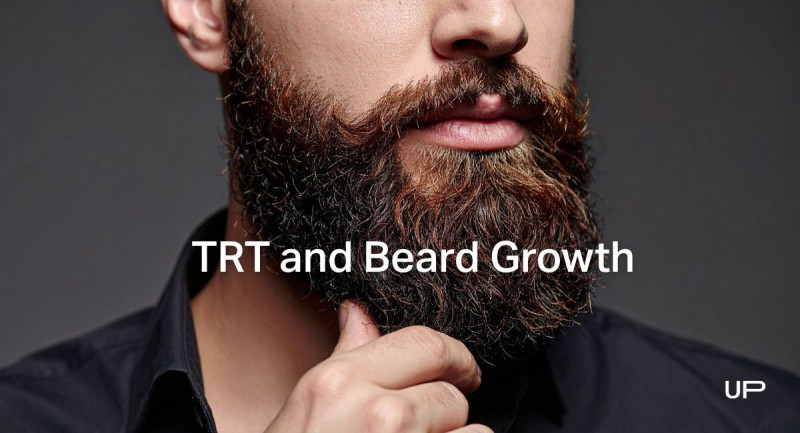

Beard growth is often seen as a sign of masculinity, health, and hormonal balance. For many men in Canada, thin or patchy facial hair raises an important question: can testosterone replacement therapy (TRT) improve beard density?
Online searches for “TRT beard growth” have surged as more men explore testosterone replacement therapy (TRT) in Canada for symptoms such as low energy, reduced libido, and mood changes.
Testosterone plays a role in facial hair development, but beard growth is influenced by more than just hormone levels. Genetics, androgen sensitivity, and the body’s conversion of testosterone into dihydrotestosterone (DHT) all affect how facial hair grows and how dense it becomes. This leads to confusion about what TRT can realistically change and what it cannot.
This article explains how testosterone and DHT influence beard growth, whether low testosterone can affect facial hair density, and what men in Canada should expect when considering testosterone replacement therapy (TRT) in Canada. The goal is to separate medical evidence from common myths and provide clear, realistic guidance for men exploring TRT.
Topics covered in this article:
- What role does testosterone play in beard growth?
- Is beard growth driven by testosterone or DHT?
- Can low testosterone cause patchy or thin facial hair?
- Does starting TRT increase beard density?
- Why do some men see beard changes on TRT while others do not?
- How long would beard changes take after starting TRT?
- Can TRT cause unwanted hair growth in other areas?
- Is TRT prescribed to improve beard growth?
- What should men know before expecting beard changes from TRT?
- Conclusion
- Frequently Asked Questions About TRT and Beard Growth
- References
What role does testosterone play in beard growth?
Testosterone plays a foundational role in beard growth, but it does not directly determine how full or dense a man’s beard will be.
Facial hair development depends on how testosterone interacts with hair follicles, particularly through its conversion into dihydrotestosterone (DHT), as well as individual genetic sensitivity to these hormones.
How testosterone influences facial hair growth
Testosterone is an androgen hormone responsible for the development of male secondary sex characteristics, including facial hair. During puberty, rising testosterone levels activate dormant hair follicles in the beard area, initiating facial hair growth.
However, testosterone alone is not the main driver of beard thickness or coverage.
Why DHT matters more than testosterone
Once testosterone enters the body, a portion of it is converted into dihydrotestosterone (DHT) by the enzyme 5-alpha reductase. DHT binds more strongly to androgen receptors in facial hair follicles than testosterone itself.
This means:
- DHT is the primary hormonal signal for beard growth
- Hair follicles that are more sensitive to DHT tend to produce thicker, darker facial hair
- Men with similar testosterone levels can have very different beard density due to genetics
Genetics and androgen sensitivity
Beard growth is largely genetic. Even with normal or high testosterone levels, some men naturally have fewer or less sensitive androgen receptors in facial hair follicles.
As a result:
- Normal testosterone does not guarantee a full beard
- Low testosterone does not always mean poor beard growth
- Hormonal balance works alongside genetics, not instead of it
Is beard growth driven by testosterone or DHT?
Beard growth is primarily driven by dihydrotestosterone (DHT), not testosterone itself.
Testosterone serves as a precursor hormone, but DHT is the androgen that directly stimulates facial hair follicles and determines beard thickness, density, and growth pattern.
How DHT affects facial hair follicles
When testosterone circulates in the body, a portion of it is converted into DHT by the enzyme 5-alpha reductase. DHT binds more strongly to androgen receptors in facial hair follicles than testosterone, making it the dominant hormonal signal for beard growth.
- DHT promotes thicker, coarser facial hair
- Higher follicle sensitivity to DHT leads to denser beard growth
- Low sensitivity results in patchy or sparse facial hair, even with normal testosterone levels
Why testosterone levels alone are not enough
Men with similar testosterone levels can experience very different beard growth patterns. This variation occurs because beard density depends on how individual hair follicles respond to DHT rather than how much testosterone is circulating in the blood.
Factors that influence this response include:
- Genetic sensitivity of androgen receptors
- Local DHT activity in facial hair follicles
- Enzyme activity converting testosterone into DHT
How this relates to testosterone replacement therapy (TRT) in Canada
Testosterone replacement therapy (TRT) in Canada raises testosterone levels into a normal physiological range for men with clinically low testosterone. As testosterone increases, DHT levels may also rise modestly. However, TRT does not change genetic sensitivity to DHT.
For this reason, some men notice mild improvements in facial hair growth on TRT, while others see no visible change. The presence or absence of beard growth reflects follicle responsiveness, not treatment effectiveness.
Can low testosterone cause patchy or thin facial hair?
Yes, low testosterone can contribute to thinner or slower facial hair growth, but it is usually not the main cause of a patchy beard.
In most men, beard density and growth patterns are determined primarily by genetics and follicle sensitivity to DHT rather than testosterone levels alone.
How low testosterone may affect facial hair
Testosterone helps support the hormonal environment needed for facial hair growth. When levels are clinically low, this support can be reduced, which may affect how facial hair develops or maintains itself.
Low testosterone may be associated with:
- Slower beard growth
- Finer or lighter facial hair
- Reduced overall facial hair density in some men
Why patchy beards are usually not caused by low testosterone
Patchy or uneven beard growth is most often genetic. Hair follicles in different areas of the face vary in their sensitivity to DHT, which explains why some areas grow thick hair while others remain sparse.
Because of this:
- Men with normal testosterone can still have patchy beards
- Increasing testosterone does not activate follicles that lack androgen sensitivity
- Beard growth patterns often remain consistent over time
When low testosterone is more likely to be a factor
Low testosterone is more likely to play a role when changes in facial hair occur alongside other symptoms of testosterone deficiency, such as:
- Low energy or fatigue
- Reduced libido
- Loss of muscle mass
- Mood or concentration changes
In these cases, hormonal testing may help determine whether testosterone levels are below the normal range.
What this means for men considering testosterone replacement therapy (TRT) in Canada
Testosterone replacement therapy (TRT) in Canada is prescribed to treat clinically low testosterone, not cosmetic beard concerns. While restoring testosterone to normal levels may support overall hair health, TRT does not guarantee fuller or more even beard growth.
Beard changes, if they occur, should be viewed as a secondary effect rather than an expected outcome of treatment.
Does starting TRT increase beard density?
No, starting testosterone replacement therapy (TRT) does not reliably increase beard density.
While TRT restores testosterone levels in men with clinically low testosterone, it does not change genetic sensitivity of facial hair follicles, which is the primary determinant of beard density.
Why TRT may not change beard thickness
Testosterone replacement therapy (TRT) increases circulating testosterone and may modestly raise DHT levels. However, beard growth depends on how strongly facial hair follicles respond to DHT rather than how much testosterone is present.
Because of this:
- Men with high follicle sensitivity may notice slight thickening
- Men with low sensitivity often see no visible change
- Beard growth patterns usually remain genetically fixed
When some men notice minor beard changes
In men with long-standing testosterone deficiency, restoring testosterone to normal physiological levels may improve overall hair quality. This can include:
- Slightly darker facial hair
- Faster growth rate
- Improved hair texture
These changes are typically subtle and inconsistent.
What men in Canada should realistically expect from TRT
Testosterone replacement therapy (TRT) in Canada is prescribed to treat medical symptoms of low testosterone, not to enhance beard growth. Any changes in facial hair should be viewed as a secondary effect rather than a treatment goal.
Men considering TRT should base their decision on medically confirmed hormone deficiency and overall health needs, not expectations of cosmetic beard improvement.
Why do some men see beard changes on TRT while others do not?
Because individual beard follicles respond differently to hormones, some men notice beard changes on TRT while others see no difference at all.
Testosterone replacement therapy restores hormone levels, but it does not standardize how facial hair follicles react to testosterone or DHT.
Genetic sensitivity of facial hair follicles
Beard growth depends heavily on genetic variation in androgen receptors. Even when testosterone levels rise into a normal range, follicles with low androgen sensitivity may remain unchanged.
This explains why:
- Two men on the same TRT dose can have different beard outcomes
- Normal testosterone does not guarantee fuller facial hair
- Genetics determines follicle responsiveness
Differences in DHT conversion
Testosterone must be converted into DHT to stimulate facial hair growth. The rate of this conversion varies from person to person based on enzyme activity.
As a result:
- Some men experience higher local DHT levels in facial hair follicles
- Others convert less testosterone into DHT at the follicle level
- Beard response to TRT can vary widely
Baseline testosterone levels before TRT
Men who begin TRT with significantly low testosterone may notice more visible changes than men whose levels were borderline low.
In these cases:
- Hormonal normalization may enhance existing hair growth
- Changes are typically mild and gradual
- Beard density still remains genetically limited
What this means for men considering TRT in Canada
Testosterone replacement therapy (TRT) in Canada supports overall hormonal health but does not guarantee changes in facial hair. Differences in beard response reflect biological variability rather than treatment effectiveness.
Men should evaluate TRT based on symptom relief and medical need rather than expectations of beard enhancement.
How long would beard changes take after starting TRT?
If beard changes occur, they usually develop gradually over several months, not weeks.
Facial hair follicles respond slowly to hormonal changes, and any effect from testosterone replacement therapy (TRT) happens over time as hair cycles progress.
Typical timeline for potential beard changes
Beard hair grows in cycles, and hormonal influences are only reflected when follicles enter an active growth phase. Because of this, visible changes—if they happen at all—tend to follow this general pattern:
- First 1–3 months: Hormone levels stabilize; no visible beard changes expected
- 3–6 months: Some men may notice slightly faster growth or darker hair
- 6–12 months: Subtle changes in texture or coverage may become noticeable in responsive follicles
Not all men experience changes, and the timeline varies widely.
Why results are slow and inconsistent
TRT does not create new facial hair follicles or alter genetic patterns. It can only influence follicles that are already hormonally responsive.
Timing depends on:
- Individual hair growth cycles
- Follicle sensitivity to DHT
- Baseline testosterone levels before treatment
Even when testosterone and DHT levels increase, follicles with low sensitivity may not respond.
What men in Canada should expect when starting TRT
For men starting testosterone replacement therapy (TRT) in Canada, beard changes should not be expected on a specific timeline or used as a measure of treatment success. TRT is intended to address clinical symptoms of low testosterone, and any facial hair changes are secondary and unpredictable.
Men considering TRT should focus on symptom improvement and medical outcomes rather than cosmetic timelines.
Can TRT cause unwanted hair growth in other areas?
Yes, testosterone replacement therapy (TRT) can cause increased hair growth in areas other than the beard in some men.
This occurs because higher testosterone levels can lead to increased DHT activity, which affects hair follicles throughout the body, not just the face.
Where unwanted hair growth may occur
When testosterone levels rise into a normal physiological range, some hair follicles that are sensitive to androgens may become more active. This can lead to increased hair growth in areas such as:
- Chest
- Back
- Shoulders
- Arms and legs
The degree of change varies widely and depends on individual follicle sensitivity.
Why some areas respond more than others
Hair follicles across the body do not respond equally to hormones. Some areas have higher concentrations of androgen receptors or greater sensitivity to DHT.
As a result:
- Body hair may thicken even if beard density does not change
- Increased hair growth does not indicate excessive testosterone levels
- Responses reflect genetics, not treatment error
Does increased body hair mean TRT is unsafe?
No. Increased body hair is a known and generally benign effect of restoring testosterone levels. It does not mean TRT is harmful or improperly prescribed when hormone levels are maintained within a normal range.
However, hormone levels should always be monitored to ensure treatment remains medically appropriate.
What men considering TRT in Canada should know
Testosterone replacement therapy (TRT) in Canada is prescribed and monitored to maintain safe, physiological hormone levels. While increased body hair may occur in some men, this effect is typically mild and manageable.
Men concerned about hair-related changes should discuss expectations and side effects with a licensed healthcare practitioner before starting TRT.
Is TRT prescribed to improve beard growth?
No, testosterone replacement therapy (TRT) is not prescribed to improve beard growth.
TRT is a medical treatment intended to address clinically low testosterone and its associated symptoms, not cosmetic concerns such as facial hair density.
What TRT is medically prescribed for
Testosterone replacement therapy is used to treat men with confirmed testosterone deficiency based on symptoms and laboratory testing. Common treatment goals include improving:
- Energy levels and fatigue
- Libido and sexual function
- Mood and cognitive clarity
- Muscle mass and bone health
Beard growth is not a clinical indication for TRT.
Why beard growth is not a treatment goal
While testosterone and DHT influence facial hair, prescribing TRT solely to enhance beard density would be medically inappropriate. Beard growth depends largely on genetic factors that TRT cannot change.
Because of this:
- TRT is not recommended for cosmetic hair enhancement
- Beard changes are considered a secondary or incidental effect
- Treatment decisions must be based on medical need
How this applies to testosterone replacement therapy (TRT) in Canada
Testosterone replacement therapy (TRT) in Canada is regulated and requires medical oversight, laboratory confirmation, and ongoing monitoring. Prescribing TRT for non-medical reasons, including beard growth, does not align with clinical guidelines.
Men considering TRT should focus on symptom relief and long-term health rather than expectations of facial hair improvement.
What should men know before expecting beard changes from TRT?
Men should know that beard changes are unpredictable and should not be expected from testosterone replacement therapy (TRT).
While TRT restores testosterone levels in men with deficiency, it does not override genetic factors that control facial hair growth.
Beard growth is largely genetic
Facial hair density, pattern, and thickness are determined primarily by genetics. TRT can influence hormonal balance but cannot activate dormant follicles or change inherited growth patterns.
This means:
- TRT does not guarantee fuller or more even beard growth
- Patchy areas often remain unchanged
- Beard response varies widely between individuals
Hormonal normalization is not cosmetic treatment
TRT is designed to restore testosterone to a normal physiological range, not to enhance appearance. Any facial hair changes that occur are incidental and typically mild.
Men should avoid viewing TRT as:
- A beard growth solution
- A substitute for cosmetic or dermatologic treatments
- A way to accelerate natural genetic development
Medical evaluation matters
Before starting TRT, men should undergo proper medical assessment to confirm testosterone deficiency. Decisions should be based on symptoms, lab results, and overall health, not expectations of cosmetic outcomes.
What this means for men considering TRT in Canada
Testosterone replacement therapy (TRT) in Canada is a medically supervised treatment that prioritizes safety and long-term health. Men should approach TRT with realistic expectations and a clear understanding of what the therapy can and cannot do.
Conclusion
Testosterone plays an important role in facial hair development, but beard growth is primarily driven by genetics and follicle sensitivity to dihydrotestosterone (DHT), not testosterone levels alone. For men with clinically low testosterone, testosterone replacement therapy (TRT) may help restore normal hormonal signalling, but it does not reliably increase beard density or change established growth patterns.
In Canada, testosterone replacement therapy (TRT) is prescribed to treat medical symptoms of testosterone deficiency under licensed medical supervision. Beard changes, if they occur, are typically mild, inconsistent, and secondary to treatment. Men considering TRT should base their decision on overall health, symptom improvement, and medical need rather than expectations of fuller facial hair.
Understanding the difference between hormonal support and genetic limitations helps set realistic expectations and prevents common misconceptions about TRT and beard growth.
Frequently Asked Questions About TRT and Beard Growth
No. TRT does not create new facial hair follicles or activate genetically inactive areas of the beard.
Sometimes, but only slightly. Some men notice minor changes in growth rate or texture, but significant increases in beard density are uncommon.
No. TRT effectiveness is measured by symptom improvement and lab results, not cosmetic changes like facial hair growth.
Yes. DHT can stimulate facial and body hair while contributing to scalp hair thinning in genetically susceptible men.
No. TRT should be considered only after medical evaluation and confirmation of low testosterone, not for cosmetic reasons.
References
UPGUYS has strict sourcing guidelines to ensure our content is accurate and current. We rely on peer-reviewed studies, academic research institutions, and medical associations. We strive to use primary sources and refrain from using tertiary references.- Testosterone Therapy for Hypogonadism Guideline Resources, Endocrine Society,
https://www.endocrine.org/clinical-practice-guidelines/testosterone-therapy - Summary Safety Review - Testosterone Replacement Products - Cardiovascular Risk, Canada.ca,
https://dhpp.hpfb-dgpsa.ca/review-documents/resource/SSR00058 - Hormonal Effects on Hair Follicles, PubMed,
https://pmc.ncbi.nlm.nih.gov/articles/PMC7432488/ - Testosterone therapy: Potential benefits and risks as you age, Mayo Clinic,
https://www.mayoclinic.org/healthy-lifestyle/sexual-health/in-depth/testosterone-therapy/art-20045728
This article is written for informational purposes only and does not constitute medical advice. The information provided in the articles cannot and should not replace advice from a healthcare professional. Talk to your healthcare provider about any physical or mental health concerns or the risks and benefits of any treatment or medication.




UPRX Pharmacy (West) Licenced by:
College of Pharmacists of British Columbia
Licence Number: 38287
1221543 B.C. LTD
224 – 3989 Henning Dr.
Burnaby BC, V5C 6P8 Canada
P: 604-291-1094 F: 604-291-0827
Pharmacy Manager: Mehrdad Rezaei
UPRX Pharmacy (East)
Accredited by:
Ontario College of Pharmacists
Accreditation Number: 309322
1000286128 Ontario Inc.
105 - 91 Skyway Ave
Etobicoke, ON M9W 6R5 Canada
P: 416-679-1774 F: 416-679-1808
Designated Manager: Todd Spetter