TRT And Bone Density: How Testosterone Protects Your Bones As You Age
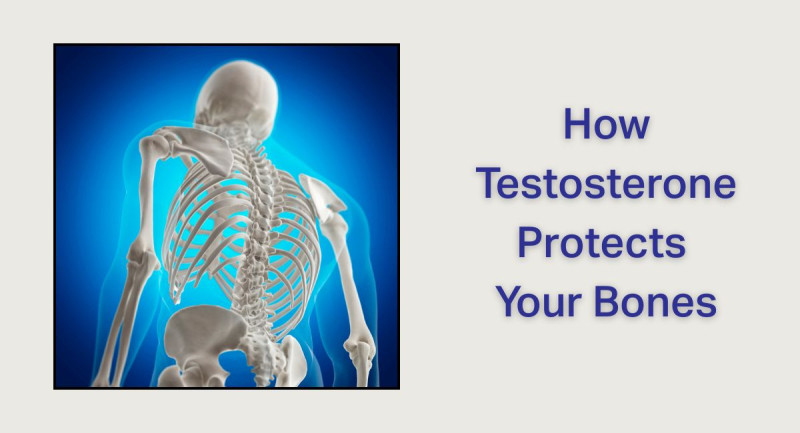

Bone health often becomes a concern for men over 40, especially as energy levels shift, hormones decline, and small aches or injuries start to feel different than they once did.
Many men do not realize that testosterone plays a direct role in keeping bones strong, dense, and resilient. As testosterone declines with age, bone density can decrease as well, increasing the risk of fractures and mobility issues later in life.
More men are exploring testosterone replacement therapy (TRT) in Canada, not only for energy, mood, and sexual health, but also for its potential impact on long-term bone strength. Understanding how testosterone supports the skeletal system can help men make informed decisions about their health as they age.
This article breaks down the science behind testosterone and bone density, the potential benefits of TRT, and the practical steps men can take to protect their bone health for years to come.
Topics covered in this article:
- What Is Bone Density and Why It Matters for Men
- One-Minute Takeaway
- The Link Between Testosterone and Bone Health
- Can TRT Improve Bone Density?
- Early Warning Signs of Low Bone Density in Men
- Lifestyle Habits That Support Strong Bones (With or Without TRT)
- Risks, Considerations, and When TRT Is Not Enough
- Final Thoughts
- FAQs
- References
What Is Bone Density and Why It Matters for Men
Bone density refers to how strong and tightly packed your bone tissue is. Higher bone density means stronger bones that can withstand daily stress, support physical activity, and protect the body from fractures. As men age, bone density naturally declines, making bones more fragile and increasing the risk of injuries that can impact long-term mobility and independence.
How bone remodelling works
Bone is constantly being broken down and rebuilt in a process called remodelling. Specialized cells remove old bone tissue while new bone tissue forms in its place. This balance keeps bones strong throughout adulthood. Testosterone plays a key role in this cycle by supporting the cells responsible for bone formation and helping maintain healthy mineral levels within the bone.
The impact of aging on bone strength
As men enter their 40s and 50s, bone remodelling starts to slow, and more bone may be lost than replaced. Lower testosterone levels, reduced physical activity, and changes in nutrient absorption all contribute to weaker bones over time. This gradual decline often goes unnoticed until symptoms or fractures appear.
Why men experience fractures later in life
Unlike women, who often lose bone rapidly after menopause, men tend to lose bone more slowly but steadily over decades. Because men typically start with higher bone density, fractures tend to appear later in life, often in the spine, hips, or wrists. Unfortunately, once a fracture occurs, it can significantly affect quality of life, mobility, and long-term health outcomes.
Understanding bone density helps men recognize the importance of early prevention and monitoring, especially as testosterone levels change with age.
One-Minute Takeaway
- Testosterone plays an essential role in keeping bones strong, dense, and resilient.
- As testosterone levels decline with age, bone loss accelerates and fracture risk increases.
- TRT may help improve bone density in men with clinically low testosterone.
- Strong bones depend on a combination of hormones, nutrition, lifestyle habits, and regular monitoring.
- Early awareness and proactive care can help men protect their mobility and long-term health.
The Link Between Testosterone and Bone Health
Testosterone is more than a hormone tied to energy, mood, and sexual function. It also plays a significant role in maintaining healthy bones. When testosterone levels drop, the cells responsible for building bone slow down, which leads to a gradual decline in bone density. Understanding this connection helps explain why so many men develop bone-related issues as they age and why TRT may offer benefits for those with low testosterone.
Testosterone’s role in bone formation
Testosterone supports osteoblasts, the cells that build and strengthen bone. It helps increase the mineral content of bones while supporting the ongoing repair process that keeps bones resilient. Without adequate testosterone, bone formation slows, and bones become more fragile over time.
Effects on calcium absorption
Calcium is essential for strong bones, and testosterone helps regulate how the body absorbs and uses it. When testosterone levels fall, calcium may not be absorbed as efficiently, which further contributes to weakening bone structure. This is one reason men with low testosterone have a higher risk of developing osteoporosis.
Consequences of low testosterone
Low testosterone can lead to reduced bone density, increased risk of fractures, and slower recovery after injuries. Many men with low testosterone also experience muscle loss, which reduces the mechanical support bones need to stay strong. Over time, this combination of weaker bones and reduced muscle mass creates a greater risk of mobility issues.
With a clear understanding of how testosterone supports bone health, men can take proactive steps to protect their skeletal strength as they age.
Can TRT Improve Bone Density?
Testosterone replacement therapy (TRT) has shown promising results in supporting bone health for men with clinically low testosterone. Because testosterone plays a key role in maintaining bone mass, restoring levels through TRT may help slow bone loss or improve bone density over time. While TRT is not a universal solution, research suggests it can be an important part of bone health management for the right patients.
What clinical research shows
Multiple studies have found that TRT can increase bone mineral density, particularly in the spine and hip, which are common areas of age-related bone loss. Research indicates that men with confirmed low testosterone are more likely to see meaningful improvements. Clinical trials also suggest that TRT can help reduce the rate of bone turnover, keeping bones stronger and more stable as men age.
Which men benefit most
TRT tends to be most effective for men who have low testosterone symptoms combined with documented low or borderline-low testosterone levels on blood tests. Men with osteoporosis or early signs of bone weakening may also benefit when TRT is part of a broader treatment plan that includes lifestyle and nutritional support. Those with normal testosterone levels typically do not see bone benefits from TRT.
How long improvements take
Bone density does not change overnight. Studies show that improvements often appear after 6 to 12 months of consistent therapy, with more significant changes occurring over one to two years. Because bone remodeling is a slow process, long-term TRT use combined with regular monitoring offers the best chance for meaningful results.
When paired with healthy lifestyle habits and medical supervision, TRT may play an important role in protecting bone strength and reducing fracture risk in aging men.
Early Warning Signs of Low Bone Density in Men
Low bone density often develops slowly and quietly, which means many men do not notice a problem until a fracture occurs. Recognizing the early signs can help men take action sooner and potentially prevent more serious issues later on. These symptoms may be subtle but should never be ignored, especially if testosterone levels are also low.
Back pain
Persistent or recurring back pain can be an early sign of weakened vertebrae. As bone density declines, the spine becomes more vulnerable to compression, which can cause discomfort during daily activities. Men may mistake this pain for age-related stiffness, but it is often a sign that bone strength is changing.
Height loss
A gradual decrease in height over time may indicate compression fractures in the spine. Even small fractures can shorten the vertebrae and cause noticeable height changes. This is one of the most common signs of bone loss in men over 50.
Frequent fractures or microfractures
Men with low bone density may experience fractures from minor injuries that previously would not have caused harm. This includes wrist fractures, rib fractures, or tiny microfractures that cause pain but are not always immediately diagnosed. These injuries signal that bone strength has weakened and should prompt a medical evaluation.
Recognizing these early signs allows men to take steps toward better bone health, including testing testosterone levels and discussing possible treatments with a healthcare provider.
Lifestyle Habits That Support Strong Bones (With or Without TRT)
While testosterone plays an important role in bone strength, everyday habits also have a major impact on long-term bone health. Whether a man is on TRT or not, certain lifestyle choices can significantly improve bone density, reduce fracture risk, and support overall mobility as he ages. Combining these habits with proper medical care creates the strongest foundation for lifelong bone health.
Strength training
Weight-bearing exercises such as squats, lunges, deadlifts, and resistance training encourage the body to build stronger bones. When muscles pull against bones, it stimulates bone formation. Even light or moderate strength training a few times per week can make a meaningful difference.
Vitamin D and calcium
Calcium helps maintain bone structure, and vitamin D helps the body absorb calcium effectively. Many men in Canada have low vitamin D levels, especially during winter months. Ensuring adequate intake of both nutrients through food or supplements supports bone density and overall skeletal strength.
Reducing alcohol and smoking
Excessive alcohol and smoking are linked to lower bone density and an increased risk of fractures. Cutting back on alcohol and avoiding smoking improves bone health, hormone balance, and overall wellness. These habits also support better results for men using TRT.
Maintaining a healthy body weight
Carrying extra weight puts stress on bones and joints, while being underweight can reduce bone density. Maintaining a stable, healthy body weight helps bones stay strong and reduces the likelihood of fractures. Balanced nutrition and regular physical activity play a key role in achieving this.
By adding these habits into daily life, men can strengthen their bones naturally and enhance the benefits of any medical treatment they may be receiving.
Risks, Considerations, and When TRT Is Not Enough
While TRT may help support bone density for men with clinically low testosterone, it is not a complete solution for everyone. Bone health is influenced by many factors, including medical conditions, lifestyle habits, and genetics. Understanding when TRT is helpful and when additional evaluation is necessary ensures men get the most appropriate care for their long-term health.
Medical conditions that affect bone density
Certain health conditions can weaken bones regardless of testosterone levels. These include osteoporosis, thyroid disorders, chronic kidney disease, gastrointestinal absorption issues, and long-term use of certain medications such as steroids. Men with these conditions may require additional treatments beyond TRT to protect their bone strength.
When to consider bone density scans
A bone density scan, also known as a DEXA scan, provides a clear picture of bone strength and fracture risk. Men over 50, men with a history of fractures, and those with symptoms such as height loss or persistent back pain should consider screening. A scan can determine whether bone loss has already begun and whether medication or lifestyle changes are needed alongside TRT.
Working with a healthcare provider
Bone health is best managed with medical guidance, especially for men already experiencing symptoms or bone loss. A healthcare provider can evaluate testosterone levels, review medical history, and recommend the right combination of treatments. This may include TRT, supplements, lifestyle adjustments, or additional medications designed specifically to preserve or increase bone density.
For many men, protecting bone health requires a multi-layered approach. TRT can be one important tool, but working with a healthcare provider ensures a customized plan that supports strength, mobility, and long-term wellness.
Final Thoughts
Bone health becomes more important as men age, and understanding the role of testosterone is a powerful first step. Many men are surprised to learn how closely connected hormone levels and bone strength truly are. The good news is that bone loss can be slowed or even improved when low testosterone is identified and treated appropriately.
Regular monitoring is essential. Keeping track of hormone levels, bone density, and overall health helps men stay ahead of potential issues. With the right combination of lifestyle habits, nutrition, and medical support, long-term bone health is achievable for most men.
If you are noticing early signs of bone loss or simply want to be proactive about your health, early evaluation is key. Speaking with a healthcare provider can help you understand your options, including whether TRT may play a role in your long-term bone strength and overall wellness.
Strong bones support a strong future, and taking action now can make all the difference.
FAQs
TRT may improve bone density in men with clinically low testosterone by supporting bone formation and reducing bone loss. Results are typically gradual and appear over several months to a year.
Most studies show improvements within 6 to 12 months, with more noticeable changes occurring after one to two years of consistent therapy and monitoring.
Yes. Low testosterone is a significant risk factor for reduced bone density and osteoporosis, especially in men over 40.
Yes. Strength training, calcium and vitamin D, avoiding smoking, and maintaining a healthy weight are essential for bone health, whether or not you use TRT.
Men with low testosterone, a history of fractures, chronic back pain, height loss, or age over 50 should consider a bone density scan to assess their current bone health.
References
UPGUYS has strict sourcing guidelines to ensure our content is accurate and current. We rely on peer-reviewed studies, academic research institutions, and medical associations. We strive to use primary sources and refrain from using tertiary references.- Testosterone Therapy in Men With Hypogonadism: An Endocrine Society* Clinical Practice Guideline, Oxford,
https://academic.oup.com/jcem/article/103/5/1715/4939465?login=false - Osteoporosis in men, PubMed,
https://pubmed.ncbi.nlm.nih.gov/35247315/ - Osteoporosis in Men, NIH,
https://www.niams.nih.gov/health-topics/osteoporosis-men?utm_source=chatgpt.com
This article is written for informational purposes only and does not constitute medical advice. The information provided in the articles cannot and should not replace advice from a healthcare professional. Talk to your healthcare provider about any physical or mental health concerns or the risks and benefits of any treatment or medication.





UPRX Pharmacy (West) Licenced by:
College of Pharmacists of British Columbia
Licence Number: 38287
1221543 B.C. LTD
224 – 3989 Henning Dr.
Burnaby BC, V5C 6P8 Canada
P: 604-291-1094 F: 604-291-0827
Pharmacy Manager: Mehrdad Rezaei
UPRX Pharmacy (East)
Accredited by:
Ontario College of Pharmacists
Accreditation Number: 309322
1000286128 Ontario Inc.
105 - 91 Skyway Ave
Etobicoke, ON M9W 6R5 Canada
P: 416-679-1774 F: 416-679-1808
Designated Manager: Todd Spetter