TRT And Bone Density: Can Testosterone Help Osteoporosis?
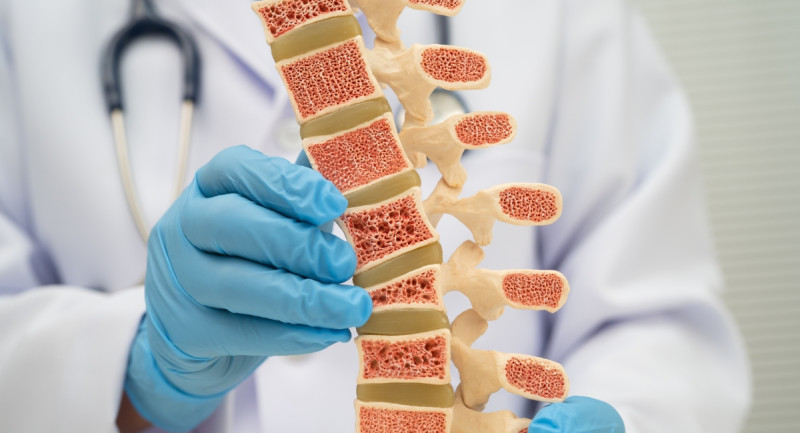

Testosterone plays an important role in maintaining bone health in men. When testosterone remains low over time, bone mineral density can decline, increasing the risk of osteopenia, osteoporosis and fractures.
This is particularly important as men age because osteoporosis can be overlooked until a fracture occurs. Men considering testosterone replacement therapy (TRT) in Canada may also have questions about whether treatment can protect or improve bone strength.
TRT may increase bone mineral density in appropriately diagnosed men with testosterone deficiency, but it should not be viewed as a stand-alone treatment for osteoporosis. Bone health depends on multiple factors, including age, hormone levels, nutrition, physical activity, medications and underlying medical conditions.
Topics covered in this article:
- Can Low Testosterone Cause Low Bone Density?
- Can Low Testosterone Cause Osteoporosis in Men?
- Why Does Testosterone Matter for Bone Health?
- Does TRT Increase Bone Density?
- How Long Does TRT Take to Affect Bone Density?
- Does TRT Reduce the Risk of Fractures?
- What Is Osteopenia vs Osteoporosis?
- When Should a Man With Low Testosterone Get a Bone Density Test?
- What Is a DXA Scan?
- Which Men With Low Testosterone Are at Higher Risk of Osteoporosis?
- Can TRT Alone Treat or Prevent Osteoporosis?
- What Else Helps Protect Bone Health During TRT?
- How Is Bone Health Monitored During TRT?
- Can High Testosterone Make Bones Stronger?
- When Should You Speak to a Healthcare Provider?
- Key Takeaways
- FAQ
- References
Can Low Testosterone Cause Low Bone Density?
Yes, low testosterone can contribute to reduced bone mineral density in men.
Bone is constantly being renewed through a process called remodelling, in which older bone tissue is broken down and replaced with new bone. Testosterone helps support this balance by influencing bone-forming cells, muscle strength and other hormonal pathways involved in skeletal health.
Some of testosterone's effects on bone also occur after it is converted into estradiol, a form of estrogen. Although estrogen is often associated with women's health, it also plays an important role in maintaining bone density in men.
When testosterone remains low for a prolonged period, as can occur with chronic hypogonadism, bone remodelling may become less favourable and bone mineral density can gradually decrease.
However, low testosterone is only one possible contributor to bone loss. Age, low body weight, smoking, heavy alcohol use, poor nutrition, low vitamin D, inactivity, certain medications and other medical conditions can also affect bone density.
For this reason, reduced bone density in a man with low testosterone should be evaluated in the context of his overall health rather than being attributed to testosterone alone.
Can Low Testosterone Cause Osteoporosis in Men?
Low testosterone can increase the risk of osteoporosis in men, but it is not the only cause and not every man with low testosterone will develop osteoporosis.
Osteopenia and osteoporosis describe different degrees of reduced bone density. Osteopenia means bone density is lower than expected but has not reached the threshold used to diagnose osteoporosis. Osteoporosis represents more substantial bone loss and is associated with a higher risk of fractures.
Long-standing testosterone deficiency can be considered a secondary factor that contributes to bone loss. Men with chronic hypogonadism may therefore have a higher likelihood of reduced bone mineral density, particularly when other osteoporosis risk factors are also present.
Other contributors may include:
- Increasing age
- Certain medication classes
- Low calcium or vitamin D intake
- Limited weight-bearing activity
- Smoking
- Heavy alcohol consumption
- Low body weight
- Previous fractures
- Other hormonal or medical conditions
Low testosterone should therefore be viewed as one part of a broader osteoporosis risk assessment. A man can have low testosterone without developing osteoporosis, and osteoporosis can occur even when testosterone levels are not low.
Why Does Testosterone Matter for Bone Health?
Testosterone supports bone health by influencing both bone formation and bone resorption.
Bone is constantly being remodelled. Osteoblasts help build new bone, while osteoclasts break down older bone tissue. Healthy bone depends on maintaining an appropriate balance between these two processes.
Testosterone contributes to this balance directly and through its conversion to estradiol. Estradiol plays an important role in limiting excessive bone resorption in men, which helps preserve bone mineral density over time.
Testosterone also supports muscle mass and strength. This matters for bone health because stronger muscles can improve mobility, balance and physical function, potentially reducing the risk of falls that can lead to fractures.
When testosterone remains low for a prolonged period, these protective effects may be reduced. However, bone health still depends on many other factors, including age, activity level, nutrition, vitamin D status, medications and other medical conditions.
Does TRT Increase Bone Density?
TRT can increase bone mineral density in some men with confirmed testosterone deficiency, but the amount of improvement varies from one man to another.
The clearest benefits are generally seen in men who begin treatment with genuinely low testosterone levels, particularly when low testosterone has been present for a long time or is associated with reduced bone density.
Bone mineral density is commonly assessed at areas such as the lumbar spine and hip. In men who respond to treatment, improvements may be seen at one or both of these sites, although the degree of change varies.
The response can depend on factors such as:
- Baseline testosterone level
- Starting bone mineral density
- How long testosterone deficiency has been present
- Age
- Treatment adherence
- Vitamin D and calcium status
- Physical activity
- Other osteoporosis risk factors
- Other medical conditions or medications that affect bone
Men with more significant testosterone deficiency or lower baseline bone density may sometimes have more room for improvement, but this does not guarantee a large response. Some men may show measurable gains, while others may have smaller changes or mainly maintain existing bone density.
These improvements also do not happen quickly. Bone remodelling is a slow process, so measurable changes in bone density usually develop over months rather than weeks and may continue over longer periods of treatment.
It is also important to distinguish between improving bone mineral density and preventing fractures. A higher BMD result does not automatically mean that TRT has been proven to reduce fracture risk. Fracture prevention depends on many factors, including age, fall risk, overall bone quality and whether other osteoporosis treatments are needed.
TRT should therefore be viewed as a treatment for appropriately diagnosed testosterone deficiency that may also improve bone density, not as a stand-alone osteoporosis therapy.
How Long Does TRT Take to Affect Bone Density?
Bone-density changes generally take months to become measurable and may continue over one to two years or longer.
Bone remodelling is a slow process. Unlike symptoms such as energy, mood or libido, which may change earlier in treatment for some men, improvements in bone mineral density usually develop gradually.
Because of this, a DXA scan is not typically repeated every few weeks or months simply to see whether TRT is working. Bone-density monitoring is usually considered over a longer time frame, based on baseline results, fracture risk and the overall treatment plan.
The timing of follow-up testing can vary depending on whether a man already has osteopenia or osteoporosis, has experienced a fracture, or has other risk factors for bone loss.
Longer-term monitoring is more useful than short-term testing because meaningful changes in bone density take time to appear.
Does TRT Reduce the Risk of Fractures?
Improving bone density does not necessarily mean TRT has been proven to reduce fractures.
Bone mineral density is an important marker of bone strength, but it is only one part of fracture risk. A treatment can improve BMD without necessarily showing that it prevents fractures in real-world outcomes.
Fracture risk also depends on factors such as:
- Age
- Previous fractures
- Fall risk
- Muscle strength and balance
- Bone quality
- Other medical conditions
- Medications that affect bone
- Severity of osteoporosis
TRT may improve bone mineral density in some men with testosterone deficiency, but that benefit should not be interpreted as proof that TRT alone prevents hip, spine or other fractures.
Men with osteoporosis or high fracture risk may still need standard osteoporosis treatment, fall-prevention strategies, appropriate exercise and nutritional support alongside management of low testosterone.
What Is Osteopenia vs Osteoporosis?
Osteopenia means bone density is lower than normal, while osteoporosis refers to more substantial bone loss and a higher risk of fractures.
Both are commonly assessed with a DXA scan, which measures bone mineral density and reports a T-score.
In simple terms:
- Osteopenia means bone density is below the expected range but has not reached the osteoporosis threshold.
- Osteoporosis means bone density is reduced enough to indicate a greater risk of fractures.
A T-score is one part of the assessment. A healthcare practitioner will also consider age, fracture history and other clinical risk factors.
When Should a Man With Low Testosterone Get a Bone Density Test?
A man with low testosterone may need a bone density test if he has additional risk factors for osteoporosis or fracture.
A DXA scan may be considered when there is:
- Known or suspected osteoporosis
- A previous fragility fracture
- Long-standing hypogonadism
- Older age
- Significant risk factors for bone loss
- Other medical conditions or medications that increase fracture risk
Low testosterone alone does not automatically mean every man needs immediate bone-density testing. The decision should be based on the broader fracture-risk profile and clinical history.
A healthcare practitioner can determine whether a DXA scan is appropriate and when it should be repeated.
What Is a DXA Scan?
A DXA scan is a quick, non-invasive test used to measure bone mineral density.
DXA stands for dual-energy X-ray absorptiometry. It is commonly used to assess areas such as the hip and spine, where osteoporosis-related bone loss can be clinically important.
The scan helps healthcare practitioners:
- Measure bone mineral density
- Identify osteopenia or osteoporosis
- Estimate fracture risk
- Monitor changes in bone density over time
DXA is one of the main tools used to evaluate bone health in men who may be at increased risk of osteoporosis.
Which Men With Low Testosterone Are at Higher Risk of Osteoporosis?
Men with low testosterone may have a higher risk of osteoporosis when other bone-loss risk factors are also present.
Risk may be greater in men with:
- Older age
- Long-standing hypogonadism
- Low body weight
- Smoking
- Heavy alcohol use
- Low calcium or vitamin D intake
- Limited weight-bearing activity
- Use of certain medication classes that affect bone
- A previous fragility fracture
- A family history of osteoporosis or hip fracture
The more risk factors a man has, the more important it becomes to consider overall fracture risk rather than looking at testosterone levels alone.
A healthcare practitioner may recommend bone-density testing or further assessment based on the combination of testosterone deficiency, age, medical history and other osteoporosis risks.
Can TRT Alone Treat or Prevent Osteoporosis?
No. TRT may improve bone mineral density in men with confirmed testosterone deficiency, but it should not be considered a stand-alone treatment or universal prevention strategy for osteoporosis.
In men with hypogonadism, restoring testosterone to an appropriate range may support bone health and improve bone density over time. However, osteoporosis can develop for many reasons beyond low testosterone, including age, genetics, medications, nutrition, physical activity, vitamin D status and other medical conditions.
A man receiving TRT may still need a separate osteoporosis evaluation if his fracture risk is elevated. This may include a DXA scan, assessment of previous fractures and review of other risk factors.
If osteoporosis is diagnosed, management may include:
- Adequate calcium and vitamin D
- Resistance and weight-bearing exercise
- Fall-prevention strategies
- Treatment of underlying medical conditions
- Review of medications that may contribute to bone loss
- Osteoporosis medications when medically indicated
Treating confirmed testosterone deficiency may be one part of the overall approach, but TRT does not replace standard osteoporosis care when osteoporosis or high fracture risk is present.
What Else Helps Protect Bone Health During TRT?
Bone health during TRT depends on more than testosterone levels alone.
Several lifestyle and medical factors can help support bone strength:
- Resistance training: Helps support muscle strength and places useful mechanical stress on bone.
- Weight-bearing exercise: Activities such as walking, stair climbing and similar movement can help maintain bone health.
- Adequate calcium: Supports bone mineralization when intake is appropriate.
- Vitamin D: Helps the body absorb calcium and supports normal bone metabolism.
- Adequate protein: Supports muscle and overall musculoskeletal health.
- Smoking cessation: Smoking is associated with poorer bone health and greater fracture risk.
- Moderate alcohol intake: Heavy alcohol use can increase the risk of bone loss and falls.
- Fall-risk reduction: Improving balance, strength and home safety can help lower fracture risk.
- Treating underlying conditions: Medical problems that affect hormones, nutrition, mobility or bone metabolism should be addressed when possible.
TRT should be viewed as one part of a broader bone-health strategy in men with confirmed testosterone deficiency, especially when other osteoporosis risk factors are present.
How Is Bone Health Monitored During TRT?
Bone health during TRT is monitored based on a man's symptoms, medical history and overall fracture risk.
Monitoring may include:
- Review of fracture history and osteoporosis risk factors
- Ongoing testosterone testing to confirm levels remain in the intended range
- DXA scanning when clinically indicated
- Assessment of vitamin D and calcium status when appropriate
- Review of medications and medical conditions that may affect bone
- Evaluation of fall risk, mobility and muscle strength
Men who already have osteopenia, osteoporosis or other significant fracture risks may need more focused bone-health follow-up.
Not every man receiving TRT needs repeated DXA scans. The need and timing of follow-up bone-density testing should be individualized based on baseline findings, age, fracture risk and the broader treatment plan.
Can High Testosterone Make Bones Stronger?
More testosterone is not necessarily better for bone health.
The goal of TRT is to restore testosterone to an appropriate physiological range in men with confirmed deficiency, not to push testosterone above normal levels in an attempt to increase bone density.
Once testosterone is adequate, raising levels further does not mean bones will continue becoming stronger. Bone health depends on many other factors, including age, estradiol levels, nutrition, exercise, vitamin D status and underlying medical conditions.
Supraphysiologic testosterone levels should not be pursued as a strategy for preventing osteoporosis or fractures.
TRT dosing should instead be based on medical need, treatment response and appropriate laboratory monitoring.
When Should You Speak to a Healthcare Provider?
You should speak to a healthcare provider if you have symptoms of low testosterone along with concerns about bone loss or fracture risk.
Medical assessment is particularly important if you:
- Have symptoms consistent with low testosterone
- Experience a fracture after a minor fall or relatively small injury
- Notice unexplained height loss
- Have persistent or unexplained back pain
- Have already been diagnosed with osteopenia or osteoporosis
- Have long-standing hypogonadism
- Have multiple risk factors for osteoporosis
- Are unsure whether you need a DXA scan
A fracture after minimal trauma, unexplained height loss or persistent back pain can sometimes indicate underlying bone weakness and should be medically evaluated.
TRT should not be started solely to improve bone density without confirming testosterone deficiency and assessing the broader cause of bone loss. A healthcare practitioner can determine whether TRT, osteoporosis treatment or another approach is appropriate.
Key Takeaways
- Low testosterone can contribute to lower bone mineral density in men.
- Men can develop osteopenia and osteoporosis, particularly as age and other risk factors accumulate.
- TRT may improve bone mineral density in men with confirmed testosterone deficiency.
- An increase in BMD does not automatically mean TRT has been proven to reduce fracture risk.
- TRT should not replace standard osteoporosis evaluation or treatment when those are needed.
- A DXA scan may be appropriate for men with low testosterone who also have osteoporosis or fracture-risk factors.
FAQ
Low testosterone can contribute to osteoporosis, particularly when testosterone deficiency is long-standing.
Testosterone helps support bone remodelling and bone mineral density, both directly and through its conversion to estradiol. However, osteoporosis usually involves several risk factors rather than testosterone alone.
TRT can increase bone mineral density in some men with confirmed testosterone deficiency.
The response varies between individuals, and improvements generally develop gradually over months or longer.
Adequate testosterone helps support bone strength and bone mineral density.
Testosterone influences bone remodelling, muscle strength and estradiol production, all of which contribute to skeletal health.
TRT may improve bone density in men with testosterone deficiency, but it is not a general osteoporosis-prevention treatment or a stand-alone treatment for osteoporosis.
Men with diagnosed osteoporosis may still need exercise, nutritional support, fall-prevention measures and osteoporosis-specific treatment when medically indicated.
An improvement in bone density does not automatically mean that TRT reduces fracture risk.
Fractures are influenced by bone density as well as age, previous fractures, fall risk, bone quality and other health factors.
Bone-density changes generally take months to become measurable and may continue over one to two years or longer.
Bone remodelling occurs slowly, so BMD changes are usually assessed over longer periods rather than weeks.
A bone density test may be appropriate when low testosterone occurs alongside other osteoporosis or fracture-risk factors.
These may include older age, long-standing hypogonadism, a previous fragility fracture, low body weight or other conditions associated with bone loss.
A DXA scan is a non-invasive test used to measure bone mineral density.
It commonly evaluates the hip and spine and can help identify osteopenia, osteoporosis and changes in bone density over time.
Osteopenia means bone density is lower than normal, while osteoporosis represents more substantial bone loss and greater fracture risk.
Bone-density results are interpreted alongside factors such as age, previous fractures and overall clinical risk.
Yes. Long-standing testosterone deficiency can contribute to reduced bone mineral density and osteopenia.
Whether bone loss progresses depends on testosterone status and other osteoporosis risk factors.
There is no single testosterone level that predicts bone loss in every man.
Bone health depends on factors such as the severity and duration of testosterone deficiency, age, estradiol levels and other causes of osteoporosis.
Yes. Estradiol plays an important role in maintaining bone density in men.
Some testosterone is converted to estradiol, which helps limit excessive bone resorption and supports normal bone maintenance.
Men should maintain adequate calcium and vitamin D, but supplements are not automatically necessary for everyone receiving TRT.
Dietary intake, vitamin D status, medical history and osteoporosis risk should guide whether supplementation is appropriate.
Resistance and weight-bearing exercise can help support bone strength and muscle function.
They can also improve strength, balance and mobility, which may help reduce fall risk.
The timing of repeat bone-density testing depends on baseline results and overall fracture risk.
Not every man receiving TRT needs repeated DXA scans. Follow-up should be individualized based on factors such as age, osteopenia or osteoporosis, previous fractures and treatment plans.
References
UPGUYS has strict sourcing guidelines to ensure our content is accurate and current. We rely on peer-reviewed studies, academic research institutions, and medical associations. We strive to use primary sources and refrain from using tertiary references.- Testosterone and Bone Health in Men: A Narrative Review, PubMed,
https://pmc.ncbi.nlm.nih.gov/articles/PMC7867125/ - Effect of Testosterone Treatment on Volumetric Bone Density and Strength in Older Men With Low Testosterone, JAMA,
https://jamanetwork.com/journals/jamainternalmedicine/fullarticle/2604138 - Clinical practice guideline for management of osteoporosis and fracture prevention in Canada: 2023 update, CMAJ,
https://www.cmaj.ca/content/195/39/E1333
This article is written for informational purposes only and does not constitute medical advice. The information provided in the articles cannot and should not replace advice from a healthcare professional. Talk to your healthcare provider about any physical or mental health concerns or the risks and benefits of any treatment or medication.




UPRX Pharmacy (West) Licenced by:
College of Pharmacists of British Columbia
Licence Number: 38287
1221543 B.C. LTD
224 – 3989 Henning Dr.
Burnaby BC, V5C 6P8 Canada
P: 604-291-1094 F: 604-291-0827
Pharmacy Manager: Mehrdad Rezaei
UPRX Pharmacy (East)
Accredited by:
Ontario College of Pharmacists
Accreditation Number: 309322
1000286128 Ontario Inc.
105 - 91 Skyway Ave
Etobicoke, ON M9W 6R5 Canada
P: 416-679-1774 F: 416-679-1808
Designated Manager: Todd Spetter