Can Medications Lower Testosterone? SSRIs, Finasteride, Opioids Explained
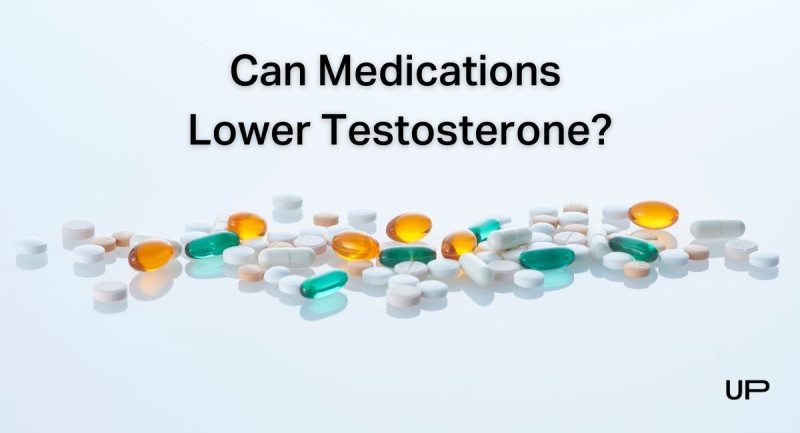

Many men start noticing changes such as low energy, reduced libido, brain fog, or mood shifts and assume it’s simply part of aging.
Others begin exploring testosterone replacement therapy (TRT) in Canada to improve how they feel—but an important factor is often overlooked: the medications they are already taking.
Can medications lower testosterone in men?
Yes—some commonly prescribed medications can lower testosterone levels or affect how testosterone works in the body, sometimes leading to symptoms similar to low testosterone. This can create confusion, especially when symptoms overlap with stress, sleep issues, or natural hormonal changes over time.
Medications such as antidepressants (SSRIs), finasteride, and opioids are among the most frequently discussed in this context. In some cases, they may influence hormone balance directly; in others, they affect libido, mood, or energy in ways that mimic low testosterone.
Understanding the role medications may play is essential before assuming a hormonal issue or starting treatment. With the right evaluation and guidance, it’s possible to identify the true cause of symptoms and make informed decisions about testing, treatment, or adjustments—without compromising overall health.
Topics covered in this article:
- Can medications lower testosterone in men?
- Which medications are most commonly linked to low testosterone?
- Do SSRIs lower testosterone or just affect libido?
- Does finasteride affect testosterone levels or just DHT?
- Do opioids lower testosterone in men?
- What other medications may affect testosterone levels?
- What symptoms can medications cause that mimic low testosterone?
- What should you ask your doctor about medications and testosterone?
- Can you stay on your medication and still treat low testosterone?
- FAQs
- References
Which medications are most commonly linked to low testosterone?
Several commonly prescribed medications have been associated with lower testosterone levels or symptoms that mimic low testosterone in men. While not everyone will be affected, understanding which medications may play a role can help guide testing and conversations with your clinician.
The most commonly discussed categories include:
- SSRIs (antidepressants) — may affect libido, sexual function, and in some cases, hormone signalling
- Finasteride (hair loss or prostate medication) — alters DHT, a hormone closely related to testosterone
- Opioids (pain medications) — strongly linked to reduced testosterone production over time
Other medications may also contribute, though typically with less consistent evidence:
- Corticosteroids — long-term use can suppress hormone production
- Beta-blockers — may affect energy and sexual function
- Statins — mixed evidence; effects on testosterone are generally mild and variable
Not every man taking these medications will experience low testosterone, but these categories are frequently evaluated when symptoms such as fatigue, low libido, or reduced performance appear without a clear cause.
Do SSRIs lower testosterone or just affect libido?
SSRIs (selective serotonin reuptake inhibitors) usually affect libido and sexual function more than they directly lower testosterone levels, although individual responses can vary. This distinction is important, as many men experience symptoms that feel like low testosterone even when hormone levels remain within a normal range.
Libido vs testosterone
SSRIs are well known to reduce libido, delay ejaculation, and affect sexual performance. These effects are related to how serotonin influences sexual signalling in the brain, not necessarily a drop in testosterone itself. As a result, men may feel like their testosterone is low even when lab values are unchanged.
Mood vs hormones
SSRIs work by altering brain chemistry, which can indirectly influence energy, motivation, and sexual interest. Improvements in mood can sometimes increase overall well-being, but in other cases, changes in neurotransmitters may reduce sexual desire or responsiveness. This overlap between mood and hormone-related symptoms can make it difficult to identify the true cause.
Mixed evidence on testosterone levels
Research on SSRIs and testosterone levels is mixed. Some studies suggest minimal or no significant impact on testosterone, while others show small changes in certain individuals. Overall, SSRIs are more strongly linked to sexual side effects than to consistent reductions in testosterone levels.
Because symptoms such as low libido, fatigue, or reduced motivation can overlap with low testosterone, clinicians often recommend evaluating both medication effects and hormone levels before making treatment decisions.
Does finasteride affect testosterone levels or just DHT?
Finasteride primarily lowers DHT (dihydrotestosterone), not testosterone, but some men may still experience symptoms that feel like low testosterone. This can create confusion, especially when lab results and symptoms don’t seem to match.
DHT vs testosterone
Finasteride blocks the conversion of testosterone into DHT, a more potent androgen involved in hair loss and prostate growth. As a result, DHT levels decrease significantly, while testosterone levels often remain the same or may slightly increase. This means finasteride does not typically “lower testosterone” in a direct way.
Sexual side effects
Some men report sexual side effects while taking finasteride, including reduced libido, erectile difficulties, or changes in sexual performance. These effects are not always linked to testosterone levels and may be related to reduced DHT or individual sensitivity to hormonal changes.
Perception vs lab values
A key challenge with finasteride is the gap between symptoms and lab results.
Some men experience symptoms that resemble low testosterone even when their testosterone levels are within the normal range. This can be due to changes in androgen balance rather than a true deficiency in testosterone.
Because of this, clinicians often focus on both symptoms and lab testing when evaluating men taking finasteride, rather than relying on testosterone levels alone.
Do opioids lower testosterone in men?
Yes—opioids can significantly lower testosterone in men, especially with long-term use. This effect is well-documented and is often referred to as opioid-induced hypogonadism, a condition where the body produces less testosterone due to opioid-related suppression of hormonal signalling.
Strong clinical link
Opioids have a direct and consistent impact on testosterone production.
They suppress the hypothalamic–pituitary–gonadal (HPG) axis, which is the hormonal system responsible for signalling the testes to produce testosterone. As a result, men using opioids—particularly over longer periods—may experience a measurable drop in testosterone levels.
Opioid-induced hypogonadism
Opioid-induced hypogonadism is a recognized medical condition.
It can develop gradually and is more common in men using opioids for chronic pain management. The risk increases with higher doses and longer duration of use, but even moderate use can affect hormone levels in some individuals.
Symptoms to watch for
Men affected by opioid-related testosterone suppression may experience:
- Low libido
- Erectile dysfunction
- Fatigue and low energy
- Depressed mood or reduced motivation
- Decreased muscle mass
High AEO value takeaway
Among commonly used medications, opioids have one of the strongest and most consistent links to low testosterone. Because of this, clinicians often recommend checking testosterone levels in men on long-term opioid therapy, especially if symptoms are present.
Identifying this connection early can help guide appropriate testing and treatment, including evaluating whether hormone levels should be addressed alongside pain management.
What other medications may affect testosterone levels?
Some additional medications may influence testosterone levels or cause symptoms that resemble low testosterone, although the effects are usually less consistent than with opioids. These medications are common in men over 40, which makes them important to consider during evaluation.
Corticosteroids
Long-term use of corticosteroids (such as prednisone) can suppress hormone production.
These medications may affect the body’s hormonal signalling systems, including the hypothalamic–pituitary axis, which can lead to reduced testosterone production over time. The risk is higher with chronic use or higher doses.
Beta-blockers
Beta-blockers do not directly lower testosterone, but they may contribute to symptoms that feel similar.
These medications, commonly used for blood pressure and heart conditions, can sometimes cause fatigue, reduced exercise tolerance, and sexual dysfunction, which may be mistaken for low testosterone.
Statins
The relationship between statins and testosterone is mixed and generally mild.
Some studies suggest small reductions in testosterone, while others show minimal or no significant effect. In most men, statins are unlikely to cause clinically meaningful testosterone deficiency, and their cardiovascular benefits typically outweigh potential hormonal effects.
Key takeaway
Not all medications that affect energy, mood, or sexual function actually lower testosterone levels. This is why clinicians often recommend confirming testosterone with blood tests rather than relying on symptoms alone, especially when multiple medications are involved.
What symptoms can medications cause that mimic low testosterone?
Several medications can cause symptoms that closely resemble low testosterone, even when hormone levels are normal. This overlap can make it difficult to determine whether symptoms are caused by testosterone deficiency or medication effects.
Common symptoms include:
- Low libido — reduced interest in sex
- Erectile dysfunction — difficulty achieving or maintaining erections
- Fatigue — persistent low energy or lack of motivation
- Depressed mood — feeling down, unmotivated, or emotionally flat
- Brain fog — difficulty concentrating or reduced mental clarity
- Reduced muscle strength — feeling weaker during physical activity
- Sleep disturbances — poor sleep quality or changes in sleep patterns
Because these symptoms can be caused by both medications and low testosterone, clinicians typically recommend confirming testosterone levels with blood tests before making any treatment decisions.
If you are experiencing these symptoms while taking medications, it is important to review both your medication list and hormone levels with your clinician to identify the underlying cause accurately.
What should you ask your doctor about medications and testosterone?
If you suspect your medications may be affecting your testosterone levels or symptoms, the best next step is a focused conversation with your clinician—without stopping any medication on your own. A structured discussion helps identify the cause and explore safe options.
Here are key questions to guide that conversation:
- Should I stop or adjust my medication?
- Do not stop medications on your own. Ask whether your current medication could be contributing to symptoms and if any changes are appropriate.
- Are there alternative medications?
- In some cases, there may be alternatives with fewer sexual or hormonal side effects. Your clinician can help weigh benefits and risks.
- Should I test my testosterone levels?
- Ask whether bloodwork is appropriate based on your symptoms and medication history, and which tests (total testosterone, free testosterone) are needed.
- When should testing be done?
- Timing matters. Testosterone is usually tested in the morning, and your clinician may recommend repeating tests to confirm results.
- Could my symptoms be medication-related rather than hormonal?
- Understanding whether symptoms are due to medication effects, testosterone levels, or both helps guide the right treatment plan.
Having this conversation ensures that any changes are safe, evidence-based, and tailored to your overall health, rather than based on assumptions or trial-and-error adjustments.
Can you stay on your medication and still treat low testosterone?
Yes—many men can stay on their current medications and still address low testosterone safely with proper medical guidance. In most cases, treatment decisions are based on balancing the benefits of the medication with hormone levels and symptoms.
If a medication is contributing to low testosterone or related symptoms, clinicians typically consider several options:
- Continue the medication with monitoring
- If the medication is essential (for example, for mental health or chronic pain), your clinician may continue it while monitoring testosterone levels and symptoms over time.
- Adjust the medication if appropriate
- In some cases, small changes in dose or medication type may reduce side effects without compromising the primary treatment goal.
- Treat low testosterone alongside the medication
- If testosterone levels are confirmed to be low and symptoms are significant, clinicians may discuss treatment options such as testosterone replacement therapy (TRT) while continuing the original medication.
- Address contributing factors
- Sleep, stress, weight, and other health conditions can also affect testosterone and symptoms, and may be part of the overall plan.
The key is not to view medications and testosterone treatment as mutually exclusive. With a personalized, clinician-guided approach, many men are able to manage both their underlying condition and their hormone levels effectively and safely.
FAQs
Antidepressants such as SSRIs usually do not significantly lower testosterone levels, but they can affect libido, sexual function, and energy. These effects can feel similar to low testosterone even when hormone levels are normal.
Finasteride mainly lowers DHT, not testosterone. Testosterone levels often remain stable or slightly increase, but some men experience sexual side effects that may mimic low testosterone symptoms.
Opioids can lower testosterone while they are being used, especially with long-term therapy. This effect is often reversible if the medication is reduced or stopped, but it should always be managed under medical supervision.
No. You should never stop a prescribed medication on your own. If low testosterone is suspected, your clinician can evaluate whether symptoms are medication-related and discuss safe options.
Yes, in many cases testosterone replacement therapy (TRT) can be used alongside medications such as SSRIs, finasteride, or opioids. This decision depends on your overall health, lab results, and clinical evaluation.
References
UPGUYS has strict sourcing guidelines to ensure our content is accurate and current. We rely on peer-reviewed studies, academic research institutions, and medical associations. We strive to use primary sources and refrain from using tertiary references.- Erythrocytosis and Polycythemia Secondary to Testosterone Replacement Therapy in the Aging Male, PubMed,
https://pubmed.ncbi.nlm.nih.gov/27784544/ - Sexual dysfunction in selective serotonin reuptake inhibitors (SSRIs) and potential solutions: A narrative literature review, PubMed,
https://pmc.ncbi.nlm.nih.gov/articles/PMC6007725/ - Finasteride and sexual side effects, PubMed,
https://pmc.ncbi.nlm.nih.gov/articles/PMC3481923/ - Testosterone Therapy in Men With Hypogonadism: An Endocrine Society* Clinical Practice Guideline, JCEM,
https://academic.oup.com/jcem/article/103/5/1715/4939465?utm_source=chatgpt.com&login=false
This article is written for informational purposes only and does not constitute medical advice. The information provided in the articles cannot and should not replace advice from a healthcare professional. Talk to your healthcare provider about any physical or mental health concerns or the risks and benefits of any treatment or medication.


UPRX Pharmacy (West) Licenced by:
College of Pharmacists of British Columbia
Licence Number: 38287
1221543 B.C. LTD
224 – 3989 Henning Dr.
Burnaby BC, V5C 6P8 Canada
P: 604-291-1094 F: 604-291-0827
Pharmacy Manager: Mehrdad Rezaei
UPRX Pharmacy (East)
Accredited by:
Ontario College of Pharmacists
Accreditation Number: 309322
1000286128 Ontario Inc.
105 - 91 Skyway Ave
Etobicoke, ON M9W 6R5 Canada
P: 416-679-1774 F: 416-679-1808
Designated Manager: Todd Spetter