Growth Hormone Therapy (GHT) In Canada: Complete Guide
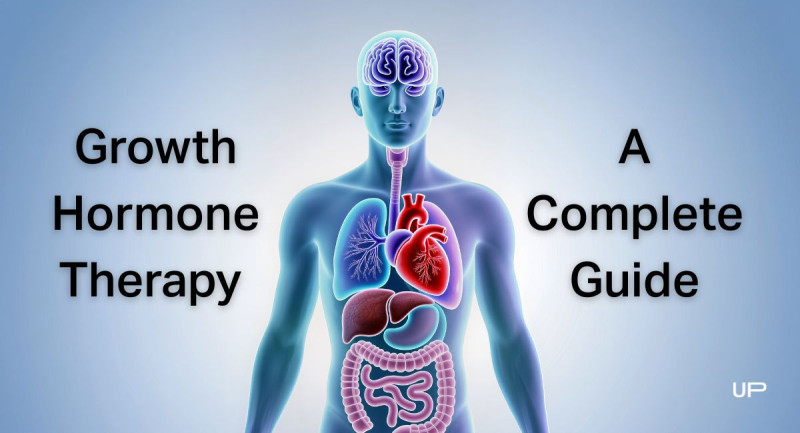

Growth Hormone Therapy (GHT) in Canada is a medically regulated treatment used to address clinically diagnosed growth hormone deficiency in children and adults.
Growth hormone plays a critical role in growth, metabolism, body composition, bone health, and overall quality of life, yet its natural production declines with age and can be impaired by certain medical conditions.
As awareness around hormonal health increases, many Canadians are seeking clear, evidence-based information about what growth hormone therapy is, who it is for, how it works, and how it is safely prescribed.
This complete guide to Growth Hormone Therapy (GHT) in Canada is designed to provide a clear, medically grounded overview of the topic. It explains the role of growth hormone in the body, how deficiency is diagnosed, the potential benefits and risks of therapy, and how growth hormone treatment is regulated and accessed within the Canadian healthcare system.
By addressing common questions, misconceptions, and safety considerations, this guide aims to help readers make informed decisions in collaboration with qualified healthcare professionals.
Topics covered in this article:
- What Is Growth Hormone (GH)?
- What Is Growth Hormone Therapy (GHT)?
- The Role of Growth Hormone in the Body
- Growth Hormone, IGF-1, and IGF-2 Explained
- How Common Is Low Growth Hormone in Adults?
- Why Do Growth Hormone Levels Decline With Age?
- Symptoms of Low Growth Hormone in Adults
- How Is Growth Hormone Deficiency Diagnosed?
- Treatment Options for Growth Hormone Deficiency
- Benefits of Growth Hormone Therapy in Adults
- Safety, Side Effects, and Risks of Growth Hormone Therapy
- Myths and Misconceptions About Growth Hormone Therapy
- Can You Stop Growth Hormone Therapy?
- Supporting Natural GH Levels (Adjunct, Not Replacement)
- Role of Other Hormones
- How Growth Hormone Therapy Is Prescribed and Regulated in Canada
- How to Access Growth Hormone Therapy in Canada
- Cost of Growth Hormone Therapy in Canada
- Monitoring and Follow-Up During GHT
- Frequently Asked Questions About Growth Hormone Therapy
- Final Thoughts: Is Growth Hormone Therapy Right for You?
- References
What Is Growth Hormone (GH)?
Growth hormone (GH), also known as somatotropin, is a naturally occurring hormone that plays a key role in growth, metabolism, and tissue repair throughout life. It influences how the body builds muscle, breaks down fat, maintains bone density, and regulates energy balance. While growth hormone is best known for its role in childhood growth, it remains essential for many physiological functions in adulthood.
Where Is Growth Hormone Produced?
Growth hormone is produced and released by the pituitary gland, a small, pea-sized gland located at the base of the brain. The pituitary gland acts as a central regulator of the endocrine system, releasing growth hormone in pulses throughout the day and night. Secretion is influenced by factors such as sleep, physical activity, stress, nutrition, and signals from the hypothalamus, another region of the brain involved in hormonal regulation.
How Growth Hormone Changes Across the Lifespan
Growth hormone levels are highest during childhood and adolescence, supporting linear growth and physical development. Production peaks during puberty and gradually declines with age, a process sometimes referred to as somatopause. In adults, lower growth hormone levels are a normal part of aging, but in some cases, levels fall below what is considered healthy due to underlying medical conditions, pituitary disorders, or previous brain injury or treatment.

When growth hormone production is significantly impaired, it may lead to symptoms that affect body composition, bone health, energy levels, and overall well-being.
What Is Growth Hormone Therapy (GHT)?
Definition of Growth Hormone Therapy (GHT)
Growth Hormone Therapy (GHT) is a medical treatment used to replace growth hormone in individuals who have been clinically diagnosed with growth hormone deficiency. It involves the use of synthetic growth hormone designed to replicate the hormone naturally produced by the body.
Difference Between Natural Growth Hormone Secretion and Medical Replacement
- Natural Growth Hormone Secretion: Under normal conditions, the body releases growth hormone in pulses, primarily during deep sleep and in response to exercise and metabolic signals.
- Medical Growth Hormone Replacement: Growth hormone therapy provides a controlled and consistent dose of growth hormone to compensate for insufficient natural production, helping restore physiological hormone levels under medical supervision.
Prescription-Only Status in Canada
In Canada, growth hormone therapy is a prescription-only treatment. It can only be accessed following a physician’s assessment, diagnosis, and ongoing monitoring, ensuring its use is medically appropriate and safely managed.
The Role of Growth Hormone in the Body
Growth hormone plays a vital role in human development and ongoing physiological function from childhood through adulthood. While its effects are most visible during early growth years, growth hormone continues to influence metabolism, tissue maintenance, and overall health throughout life. The way growth hormone functions differs between children and adults, which is why deficiency and treatment considerations are age-specific.
Role of Growth Hormone in Children
In children, growth hormone is essential for normal physical development and growth. Adequate production supports the body’s ability to grow in height, develop strong bones, and achieve age-appropriate physical milestones.
- Linear growth: Growth hormone stimulates the lengthening of long bones, allowing children to grow taller at a healthy and expected rate.
- Bone development: It supports bone maturation and mineralization, contributing to skeletal strength and proper structural development.
- When pediatric growth hormone therapy is indicated (high-level): Pediatric growth hormone therapy may be considered when a child has a confirmed growth hormone deficiency or certain growth disorders, following a thorough medical evaluation. Treatment decisions are made by pediatric specialists and are based on clinical findings, growth patterns, and diagnostic testing.
Role of Growth Hormone in Adults
Although growth hormone levels naturally decline after adolescence, the hormone continues to play an important role in adult health and well-being. In adults, growth hormone contributes primarily to metabolic regulation and tissue maintenance rather than linear growth.

- Body composition: Growth hormone helps regulate the balance between fat mass and lean body mass.
- Muscle and fat metabolism: It supports protein synthesis in muscle tissue and promotes the use of fat as an energy source.
- Bone density: Growth hormone contributes to ongoing bone remodeling and helps maintain bone strength over time.
- Energy and recovery: Adequate growth hormone levels are associated with improved physical recovery and overall vitality.
- Quality of life: In adults with deficiency, growth hormone plays a role in physical function, endurance, and perceived well-being.
Together, these age-specific functions highlight why growth hormone remains important well beyond childhood. Understanding its role across the lifespan helps clarify when low levels may become clinically relevant and why proper medical assessment matters.
Growth Hormone, IGF-1, and IGF-2 Explained
Growth hormone does not work in isolation. Many of its effects in the body are carried out through insulin-like growth factors, particularly IGF-1. Understanding how growth hormone interacts with IGF-1 helps explain how deficiency is diagnosed and how growth hormone therapy is monitored in clinical practice.
What Is IGF-1 and Why It Matters
- GH → IGF-1 relationship: Growth hormone stimulates the liver and other tissues to produce insulin-like growth factor 1 (IGF-1), which is responsible for many of the growth-promoting and metabolic effects associated with growth hormone.
- Why IGF-1 is measured instead of GH: Growth hormone is released in short pulses and fluctuates significantly throughout the day, making single measurements unreliable. IGF-1 levels are more stable, which makes them a more practical and accurate marker for evaluating growth hormone activity.
- IGF-1 as a marker of average GH activity: Because IGF-1 reflects the cumulative effect of growth hormone over time, it is commonly used to assess suspected growth hormone deficiency and to monitor response to growth hormone therapy.
What About IGF-2?
- Brief explanation: IGF-2 is another insulin-like growth factor that shares structural similarities with IGF-1 but functions differently in the body.
- Role in fetal development: IGF-2 plays a more prominent role during fetal growth and early development, where it contributes to cell growth and differentiation.
- Limited relevance in adult GHT: In adults, IGF-2 is not routinely measured or targeted in growth hormone therapy, as it has limited clinical relevance in the diagnosis or treatment of growth hormone deficiency.
Together, these growth factors help clarify how growth hormone exerts its effects and why IGF-1 is central to clinical assessment. This relationship also explains how growth hormone deficiency is evaluated and monitored in a medically appropriate way.
How Common Is Low Growth Hormone in Adults?
Low growth hormone levels in adults are more common than many people realize, but they do not present in a simple binary way. Rather than being classified strictly as “deficient” or “normal,” growth hormone levels exist along a spectrum. Some individuals experience more pronounced suboptimal levels that are universally recognized by physicians, while others experience more moderate but still meaningful declines that still fall below what is considered optimal for health and well-being.
- Degrees of suboptimal growth hormone levels: Growth hormone production naturally decreases with age, but the extent of this decline varies significantly between individuals. In some cases, the reduction is substantial and clearly associated with symptoms and functional changes. In others, the decline is more moderate but still meaningful, particularly when it affects energy levels, body composition, recovery, or quality of life. Many physicians recognize that suboptimal levels, even if not severe, may warrant further evaluation.
- Underdiagnosis in adults: Low or suboptimal growth hormone levels in adults are often underdiagnosed. Symptoms can be subtle, develop gradually, or overlap with normal aging or other hormonal imbalances. As a result, many adults do not undergo assessment unless there is a clear history of pituitary disease, head injury, or other known risk factors.
- Who is at higher risk: Adults with a history of pituitary disorders, brain injury, radiation therapy, or certain neurological conditions are at increased risk of reduced growth hormone production. In addition, individuals experiencing persistent symptoms such as low energy, reduced muscle mass, increased fat accumulation, or poor recovery may have growth hormone levels below their optimal range and may benefit from medical evaluation.
Taken together, this perspective reflects a growing clinical understanding that growth hormone status is not simply about meeting a minimum threshold. Any sustained level below an individual’s optimal range may have physiological consequences and represents a valid reason to explore further assessment with a qualified healthcare professional.
Why Do Growth Hormone Levels Decline With Age?
Growth hormone levels tend to decrease as people get older, but this change should not be viewed as something that must simply be accepted without question. Aging is associated with a variety of physiological shifts that influence hormone production, and understanding these factors helps explain why growth hormone levels may fall below an optimal range over time.

- Aging process: As part of the aging process, the signalling pathways between the brain, hypothalamus, and pituitary gland become less active. This can lead to reduced frequency and intensity of growth hormone release. While this change is common, it varies widely between individuals and does not occur at the same rate for everyone.
- Sleep changes: Growth hormone is primarily released during deep sleep. With age, sleep patterns often become lighter and more fragmented, reducing the amount of restorative sleep and, in turn, growth hormone secretion.
- Stress and cortisol: Chronic stress and persistently elevated cortisol levels can suppress growth hormone release. As people age, prolonged stress exposure and reduced stress resilience may further contribute to lower growth hormone activity.
- Body composition changes: Increases in body fat and reductions in lean muscle mass are associated with lower growth hormone secretion. These changes can both result from and contribute to declining growth hormone levels, creating a reinforcing cycle over time.
Rather than viewing these changes as something to simply accept, this understanding supports a more proactive approach to health. Identifying factors that influence growth hormone levels allows for informed discussions about assessment, lifestyle strategies, and, when appropriate, medical evaluation aimed at optimizing health despite aging.
Symptoms of Low Growth Hormone in Adults
Low or suboptimal growth hormone levels in adults can affect multiple aspects of physical, metabolic, and emotional well-being. Symptoms often develop gradually and may be mistaken for normal aging or lifestyle-related changes, which is why they are frequently overlooked.
- Fatigue: Persistent low energy levels or reduced stamina, even with adequate rest.
- Reduced muscle mass: Difficulty maintaining or building muscle despite regular physical activity.
- Increased fat mass: A tendency to accumulate body fat, particularly around the abdomen.
- Low exercise tolerance: Reduced endurance and quicker onset of physical exhaustion during activity.
- Reduced bone density: Increased risk of bone loss over time, which may contribute to fractures or skeletal weakness.
- Poor recovery: Slower recovery after exercise, injury, or physical stress.
- Decreased quality of life: A general decline in physical function, motivation, or overall sense of well-being.
- Poor skin elasticity: Thinner, less resilient skin and reduced firmness.
- Poor sleep quality: Lighter or more superficial sleep, with fewer restorative sleep cycles.
- Anxiety or low confidence: Changes in mood, increased anxiety, reduced self-confidence, or feelings of hopelessness.
- Visible physical signs: Changes such as thinning hair, drooping eyelids, sagging facial features, or a more stooped posture over time.
Taken together, these symptoms reflect how growth hormone influences both physical structure and overall vitality. When multiple signs are present or progressively worsening, they may indicate growth hormone levels below an individual’s optimal range and warrant further medical evaluation rather than being dismissed as unavoidable aging.
How Is Growth Hormone Deficiency Diagnosed?
Diagnosing growth hormone deficiency in adults requires a careful and structured medical approach. Because growth hormone levels fluctuate throughout the day and symptoms can overlap with other conditions, diagnosis is based on a combination of clinical evaluation and targeted testing rather than symptoms alone.

- Clinical assessment: Diagnosis begins with a detailed medical history and symptom review. Physicians consider factors such as changes in body composition, energy levels, physical performance, bone health, and overall quality of life. Past medical history, including pituitary disorders, head injury, radiation exposure, or neurological conditions, is also an important part of the assessment.
- Blood testing (IGF-1): Blood testing typically focuses on measuring insulin-like growth factor 1 (IGF-1), which reflects average growth hormone activity over time. Because growth hormone itself is released in pulses and varies widely throughout the day, IGF-1 provides a more reliable indicator when evaluating suspected deficiency and monitoring treatment response.
- Why diagnosis must be physician-led: Growth hormone deficiency cannot be accurately diagnosed through self-testing or symptom checklists alone. Interpretation of results requires clinical context, appropriate reference ranges, and an understanding of how other hormones and health conditions may influence findings. Physician-led diagnosis ensures that testing is medically appropriate, results are correctly interpreted, and treatment decisions are made safely and responsibly.
Accurate diagnosis is essential to distinguish clinically meaningful deficiency from normal variation and to determine whether growth hormone therapy may be appropriate as part of a broader, individualized care plan.
Treatment Options for Growth Hormone Deficiency
Treatment for growth hormone deficiency is individualized and depends on the severity of hormone reduction, underlying medical causes, symptoms, and overall health profile. When clinically indicated, treatment aims to restore growth hormone activity to a physiological range under medical supervision.
- Recombinant human growth hormone (rhGH): The primary treatment for growth hormone deficiency is recombinant human growth hormone, a synthetic form designed to be biologically identical to the hormone naturally produced by the body. It is administered in carefully controlled doses to replace insufficient endogenous production.
- Individualized dosing and administration: Growth hormone therapy is typically administered through subcutaneous injection, with dosing tailored to the individual rather than based on age alone. Physicians adjust dosage gradually based on symptoms, IGF-1 levels, response to therapy, and tolerance, with the goal of achieving optimal—not excessive—hormone levels.
- Growth hormone secretagogues and alternatives: In some cases, medications or compounds that stimulate the body’s own growth hormone release may be discussed. These approaches are not the same as growth hormone replacement therapy and are evaluated separately based on clinical context. Their role varies, and they are not universally appropriate for individuals with confirmed growth hormone deficiency.
- Why treatment requires medical oversight: Growth hormone therapy is not a one-size-fits-all intervention. Proper treatment requires ongoing monitoring, dose adjustments, and evaluation of potential side effects. Medical oversight ensures therapy remains safe, effective, and aligned with evidence-based practice.
Treatment decisions are made collaboratively between the patient and healthcare provider, with a focus on balancing potential benefits, risks, and long-term health outcomes.
Benefits of Growth Hormone Therapy in Adults
When growth hormone therapy is prescribed appropriately for adults with confirmed deficiency or persistently suboptimal levels, it may support several aspects of physical and metabolic health. Benefits tend to develop gradually and vary between individuals, which is why realistic expectations and ongoing medical supervision are essential.
- Improved body composition: Growth hormone therapy may help reduce excess fat mass while supporting lean muscle maintenance. Changes are typically modest and occur over time rather than rapidly.
- Support for muscle strength and physical performance: By promoting protein synthesis and tissue repair, growth hormone therapy may contribute to improved muscle function and exercise tolerance in individuals with low baseline levels.
- Bone health support: Growth hormone plays a role in bone remodelling. In adults with deficiency, therapy may help support bone density over time, particularly when combined with adequate nutrition and physical activity.
- Energy levels and recovery: Some adults report improved energy, stamina, and recovery following growth hormone therapy, especially when low energy has been associated with suboptimal hormone levels.
- Quality of life and well-being: Improvements in physical function, sleep quality, and overall vitality may contribute to better perceived quality of life in individuals whose symptoms were linked to low growth hormone activity.
It is important to note that growth hormone therapy is not intended to produce dramatic or immediate changes, nor is it a substitute for healthy lifestyle habits. When used appropriately, its potential benefits reflect the restoration of physiological hormone balance rather than enhancement beyond normal levels.
Safety, Side Effects, and Risks of Growth Hormone Therapy
When prescribed and monitored appropriately, growth hormone therapy is generally considered safe for individuals with clinically indicated deficiency. Like any medical treatment, however, it carries potential side effects and risks that must be carefully managed through proper dosing and ongoing medical supervision.
- Common side effects: Some individuals may experience mild and temporary side effects, particularly during the early stages of treatment or when doses are adjusted. These may include fluid retention, joint stiffness, muscle discomfort, or mild swelling in the hands or feet. Symptoms often improve as the body adapts or with dose refinement.
- Dose-related risks: Many side effects associated with growth hormone therapy are linked to excessive dosing rather than the therapy itself. Maintaining hormone levels within a physiological range is critical to minimizing risk and avoiding unwanted effects.
- Metabolic considerations: Growth hormone can influence glucose metabolism. In susceptible individuals, this may affect blood sugar regulation, which is why clinicians monitor metabolic markers and adjust treatment as needed.
- Who should not use growth hormone therapy: Growth hormone therapy is not appropriate for everyone. Individuals with active malignancy, uncontrolled diabetes, or certain untreated medical conditions may not be candidates. Careful screening ensures therapy is reserved for those who can use it safely.
- Importance of monitoring and follow-up: Ongoing follow-up allows healthcare providers to assess response, monitor IGF-1 levels, evaluate side effects, and make necessary dose adjustments. This ensures treatment remains safe, effective, and aligned with long-term health goals.
When used responsibly under physician guidance, growth hormone therapy is focused on restoring balance rather than pushing hormone levels beyond healthy limits. Understanding potential risks allows patients and providers to make informed decisions and maintain safety throughout treatment.
Myths and Misconceptions About Growth Hormone Therapy
Growth hormone therapy is often surrounded by misinformation, much of which stems from confusion between medically supervised treatment and non-medical use. Addressing these misconceptions is essential for understanding what growth hormone therapy is — and what it is not.
Does Growth Hormone Therapy Cause Cancer?
This is one of the most common concerns associated with growth hormone therapy. Current medical evidence does not support the idea that properly prescribed growth hormone therapy causes cancer. Growth hormone does not initiate cancer on its own. Instead, concerns typically arise from misunderstandings about growth hormone’s role in cell growth and from studies involving supraphysiological dosing or non-medical use.
In clinical settings, growth hormone therapy is prescribed at doses intended to restore physiological hormone levels, not exceed them. Patients are carefully screened, and therapy is avoided in individuals with active malignancy. Ongoing monitoring further reduces risk. When used appropriately, growth hormone therapy has not been shown to increase cancer incidence in adults treated for deficiency.
Is Growth Hormone Therapy the Same as Bodybuilding or Anti-Aging HGH Use?
No. Medical growth hormone therapy is fundamentally different from the use of growth hormone for bodybuilding, performance enhancement, or anti-aging purposes. Illicit or unsupervised use often involves excessive dosing, lack of medical oversight, and use without a legitimate medical indication.
In contrast, growth hormone therapy in Canada is prescription-only, physician-led, and based on documented clinical need. The goal is to restore normal physiological function, not to enhance performance beyond healthy limits.
Is Growth Hormone a Shortcut or Quick Fix?
Growth hormone therapy is not a shortcut, and it does not replace healthy lifestyle habits. Improvements, when they occur, tend to be gradual and are most effective when combined with proper nutrition, physical activity, sleep, and overall health management. Growth hormone therapy supports the body’s natural processes rather than overriding them.
Understanding these distinctions helps separate evidence-based medical care from exaggerated claims and misconceptions. Accurate information allows individuals to approach growth hormone therapy with realistic expectations and informed confidence.
Can You Stop Growth Hormone Therapy?
Yes, growth hormone therapy can be stopped, but the decision to do so should always be made in consultation with a healthcare provider. Growth hormone therapy does not permanently alter the body’s ability to produce growth hormone, and stopping treatment does not cause dependency in the way some medications do.
When therapy is discontinued, growth hormone levels generally return to their pre-treatment state. Any benefits gained during treatment may gradually diminish over time, particularly if the underlying cause of low or suboptimal growth hormone levels remains unchanged. For this reason, clinicians typically reassess symptoms, laboratory values, and overall health before making decisions about continuing, adjusting, or stopping therapy.
In some cases, growth hormone therapy may be paused or discontinued due to changes in health status, side effects, personal preference, or reassessment of treatment goals. Ongoing medical supervision ensures that stopping therapy is done safely and that alternative strategies, such as lifestyle or supportive interventions, can be considered when appropriate.
Understanding that growth hormone therapy is adjustable rather than irreversible helps reinforce its role as a medically guided treatment option rather than a lifelong commitment by default.
Supporting Natural GH Levels (Adjunct, Not Replacement)
Lifestyle and nutritional factors can influence growth hormone production and overall hormonal balance. While these approaches do not replace medical treatment for individuals with clinically significant deficiency, they may help support growth hormone activity and overall health, either on their own or alongside physician-guided therapy.
Diet and Nutrition
- Protein intake: Adequate protein intake supports tissue repair, muscle maintenance, and hormonal function. Amino acids play a role in growth hormone signalling, making balanced protein consumption an important foundation for overall metabolic health.
- Blood sugar regulation: Frequent blood sugar spikes and insulin resistance can suppress growth hormone release. Maintaining stable blood sugar levels through balanced meals, appropriate carbohydrate intake, and regular eating patterns may help support normal growth hormone activity.
Supplements That May Support GH Production
- Evidence-based framing: Some supplements are marketed as growth hormone boosters, but evidence supporting their effectiveness is limited and inconsistent. Any potential benefit is typically modest and varies between individuals.
- What supplements can and cannot do: Supplements may support general health or influence related pathways, but they do not replicate the effects of growth hormone therapy and should not be viewed as a replacement for medically indicated treatment. Expectations should remain realistic, and supplement use should be discussed with a healthcare provider when relevant.
Lifestyle Factors That Increase GH Naturally
- Sleep: Growth hormone is primarily released during deep sleep. Prioritizing consistent, high-quality sleep is one of the most important lifestyle factors for supporting natural growth hormone production.
- Exercise: Regular physical activity, particularly resistance training and higher-intensity exercise, can stimulate growth hormone release and support healthy body composition.
- Stress reduction: Chronic stress and elevated cortisol levels can suppress growth hormone activity. Managing stress through lifestyle adjustments, recovery strategies, and mental well-being practices may help support hormonal balance.
While these strategies can positively influence growth hormone regulation, they are best viewed as part of a broader health approach. For individuals with confirmed deficiency or persistently suboptimal levels, lifestyle measures alone may not be sufficient, which is why medical evaluation remains essential.
Role of Other Hormones
Growth hormone does not function independently. Its effects are closely connected to other key hormones that influence metabolism, energy, sleep, and tissue repair. Imbalances in these hormones can affect how growth hormone works in the body and may influence symptoms, diagnosis, and treatment outcomes.
- Testosterone: Testosterone and growth hormone work synergistically to support muscle mass, bone density, recovery, and overall physical performance. Low testosterone levels may amplify symptoms commonly associated with low growth hormone, and addressing both hormones, when appropriate, can be important for achieving optimal results.
- Thyroid hormones: Thyroid hormones play a central role in metabolism and energy regulation. If thyroid function is suboptimal, growth hormone activity may be reduced, even when GH levels appear adequate. Proper thyroid balance is essential for normal growth hormone signalling and overall metabolic health.
- Melatonin: Melatonin influences sleep quality and circadian rhythm, both of which are closely tied to growth hormone release. Disrupted sleep patterns or low melatonin levels may impair nighttime growth hormone secretion, making sleep health an important component of hormonal regulation.
Together, these hormones form an interconnected system rather than acting in isolation. A comprehensive hormonal assessment helps ensure that growth hormone status is evaluated within the broader context of overall endocrine health, allowing for more effective and individualized care.
How Growth Hormone Therapy Is Prescribed and Regulated in Canada
Growth hormone therapy in Canada is governed by strict medical and regulatory standards. These safeguards are in place to ensure that treatment is used appropriately, safely, and only when there is a clear clinical indication. Understanding how growth hormone therapy is prescribed and regulated helps distinguish legitimate medical care from non-medical or illegal use.
- Prescription-only status: Growth hormone therapy is classified as a prescription medication in Canada. It may only be prescribed by a licensed healthcare provider following proper medical evaluation and confirmation of need.
- Health Canada oversight: Growth hormone products approved for use in Canada are regulated by federal health authorities to ensure their safety, quality, and effectiveness. Physicians are required to follow established clinical guidelines, including appropriate dosing and ongoing patient monitoring.
- Why online or self-prescribing is illegal: Growth hormone therapy cannot be legally obtained through self-prescribing or unregulated online sources. These pathways bypass medical assessment, product verification, and follow-up care, increasing the risk of harm and exposure to counterfeit or unsafe products.
Together, these regulations ensure that growth hormone therapy in Canada remains focused on patient safety, medical necessity, and evidence-based practice.
How to Access Growth Hormone Therapy in Canada
Accessing growth hormone therapy in Canada involves a structured medical process designed to ensure that treatment is appropriate, safe, and evidence-based. Because growth hormone therapy is prescription-only, individuals must undergo proper evaluation and ongoing follow-up under the care of a licensed healthcare provider.
- Medical assessment: The process typically begins with a comprehensive medical assessment. This includes a review of symptoms, medical history, and potential risk factors, such as prior pituitary conditions, head injury, or other endocrine disorders. A physician evaluates whether growth hormone deficiency or suboptimal levels may be contributing to the individual’s health concerns.
- Testing requirements: Diagnostic testing is required before growth hormone therapy can be considered. This often includes blood tests to measure IGF-1 levels and, when appropriate, additional investigations to confirm growth hormone deficiency and rule out other causes of symptoms.
- Ongoing supervision: Growth hormone therapy requires continuous medical supervision. Physicians monitor treatment response, adjust dosing as needed, and track laboratory markers to ensure hormone levels remain within a safe and physiological range. Regular follow-up appointments help optimize outcomes and minimize potential risks.
This step-by-step approach ensures that growth hormone therapy in Canada is delivered responsibly and tailored to each individual’s medical needs.
Cost of Growth Hormone Therapy in Canada
The cost of growth hormone therapy in Canada varies based on the medication used, the dose required, and the duration of treatment. Because dosing is individualized and monitoring is ongoing, there is no single standard price for everyone.
- Typical cost ranges: Growth hormone therapy is generally a high-cost prescription. Canadian pharmacoeconomic sources report annual drug costs commonly in the thousands to over $10,000+ per year, depending on product and dosing, which often translates to hundreds of dollars per month or more.
- Factors affecting cost: Total cost depends on the specific product, prescribed dose, treatment duration, and the need for follow-up and monitoring. Dosing changes over time may also affect ongoing costs.
- Insurance considerations (if applicable): Coverage varies by plan and typically involves prior authorization with medical documentation and eligibility criteria. Public coverage is often more limited and may focus primarily on specific pediatric indications, with adult coverage varying by jurisdiction and criteria.
If you want, I can also tailor this section to be province-neutral but still accurate, so it doesn’t accidentally imply coverage rules that differ across provinces.
Monitoring and Follow-Up During GHT
Monitoring is a core part of safe, effective growth hormone therapy. Because dosing is individualized and response varies from person to person, follow-up helps ensure growth hormone activity stays within a physiological range while side effects and metabolic changes are identified early.
- IGF-1 monitoring: IGF-1 is commonly used to track overall growth hormone activity over time. Regular IGF-1 testing helps clinicians confirm that therapy is working as intended and that levels are not rising beyond an optimal and safe range.
- Symptom tracking: Lab markers matter, but so do real-world outcomes. Clinicians typically track changes in symptoms such as energy, recovery, sleep quality, body composition, exercise tolerance, and overall quality of life. Tracking symptoms over time helps determine whether therapy is providing meaningful benefit and whether other contributing factors (sleep, stress, thyroid, testosterone, nutrition) should also be addressed.
- Dose adjustments: Growth hormone dosing is not static. Providers often start conservatively and adjust gradually based on IGF-1 levels, symptom response, and tolerance. If side effects occur (such as fluid retention or joint discomfort) or if IGF-1 trends too high, doses may be reduced or modified to maintain safety and long-term sustainability.
Ongoing follow-up ensures GHT remains tailored to the individual, focused on optimizing health outcomes rather than simply increasing hormone levels.
Frequently Asked Questions About Growth Hormone Therapy
Growth hormone therapy is used to treat adults with clinically diagnosed growth hormone deficiency or persistently suboptimal levels that are associated with symptoms and confirmed through medical evaluation. The goal is to restore physiological hormone activity, not to enhance performance beyond normal levels.
Responses vary. Some individuals notice improvements in energy or recovery within a few months, while changes in body composition or bone health typically develop more gradually over longer periods. Progress is monitored over time rather than judged by immediate effects.
When appropriately prescribed and monitored, growth hormone therapy is generally considered safe. Risks are minimized through conservative dosing, regular follow-up, and monitoring of IGF-1 and other relevant health markers.
Current evidence does not show that medically supervised growth hormone therapy causes cancer. Therapy is avoided in individuals with active malignancy, and dosing is kept within physiological ranges to maintain safety.
Growth hormone therapy may support improvements in body composition, such as reducing fat mass and supporting lean muscle maintenance, but it is not a weight-loss or bodybuilding treatment. Results are typically modest and depend on overall health, lifestyle, and underlying hormone levels.
No. Medical growth hormone therapy is prescribed for documented clinical need and managed under physician supervision. Non-medical or enhancement use involves different goals, dosing practices, and risk profiles.
Not necessarily. Growth hormone therapy can be adjusted or discontinued based on response, health changes, or personal circumstances. Decisions about continuing or stopping therapy should always be made with a healthcare provider.
Healthy sleep, exercise, nutrition, and stress management can support natural growth hormone production, but they do not replace medical treatment for individuals with confirmed deficiency. Lifestyle strategies are best viewed as supportive measures.
Persistent symptoms such as low energy, reduced muscle mass, increased body fat, poor recovery, or decreased quality of life may warrant discussion with a healthcare provider. Testing decisions are based on symptoms, medical history, and clinical judgment rather than self-assessment alone.
Final Thoughts: Is Growth Hormone Therapy Right for You?
Growth hormone therapy can play an important role for individuals whose growth hormone levels are consistently below an optimal range and are contributing to meaningful symptoms or health changes. When used appropriately, it is a medically guided treatment focused on restoring balance rather than enhancing performance or reversing aging altogether.
Determining whether growth hormone therapy is right for you requires more than symptom recognition alone. Proper medical assessment, diagnostic testing, and thoughtful consideration of overall health are essential to distinguish between normal variation, age-related changes, and clinically significant hormone deficiency. Equally important is understanding that growth hormone therapy works best as part of a broader, individualized health approach that includes lifestyle, nutrition, sleep, and attention to other hormonal factors.
For those experiencing persistent symptoms and seeking clarity, consulting with a qualified healthcare provider is the most reliable next step. A physician-led evaluation can help determine whether further testing is appropriate and whether growth hormone therapy may be a reasonable option based on medical evidence, safety, and personal health goals.
This complete guide to Growth Hormone Therapy (GHT) in Canada is intended to support informed conversations—not replace professional care—so individuals can make confident, well-informed decisions about their health.
References
UPGUYS has strict sourcing guidelines to ensure our content is accurate and current. We rely on peer-reviewed studies, academic research institutions, and medical associations. We strive to use primary sources and refrain from using tertiary references.- Growth hormone treatment of Canadian children: results from the GeNeSIS phase IV prospective observational study, cmajOPEN,
https://www.cmajopen.ca/content/6/3/E372.short - Growth hormone deficiency, NHS,
https://www.gosh.nhs.uk/conditions-and-treatments/conditions-we-treat/growth-hormone-deficiency/ - Somapacitan (Sogroya): CADTH Reimbursement Review: Therapeutic area: Growth hormone deficiency (GHD) [Internet], NIH,
https://www.ncbi.nlm.nih.gov/books/NBK602405/table/tr8269868382077982_ch02_t08/ - SAIZEN, Medinfo,
https://medinfo.emdserono.ca/content/dam/web/healthcare/biopharma/medinfo/canada/pdf/Saizen_EngPM.pdf - Growth Hormone Treatment for Adults & Webinar - Growth Hormone and IGF-1 Supplementation, Tierry Hertoghe, MD,
https://www.youtube.com/watch?v=Mm3PyzFl0a0
This article is written for informational purposes only and does not constitute medical advice. The information provided in the articles cannot and should not replace advice from a healthcare professional. Talk to your healthcare provider about any physical or mental health concerns or the risks and benefits of any treatment or medication.



UPRX Pharmacy (West) Licenced by:
College of Pharmacists of British Columbia
Licence Number: 38287
1221543 B.C. LTD
224 – 3989 Henning Dr.
Burnaby BC, V5C 6P8 Canada
P: 604-291-1094 F: 604-291-0827
Pharmacy Manager: Mehrdad Rezaei
UPRX Pharmacy (East)
Accredited by:
Ontario College of Pharmacists
Accreditation Number: 309322
1000286128 Ontario Inc.
105 - 91 Skyway Ave
Etobicoke, ON M9W 6R5 Canada
P: 416-679-1774 F: 416-679-1808
Designated Manager: Todd Spetter