How Stress Impacts Testosterone Levels (and Where TRT Fits In)
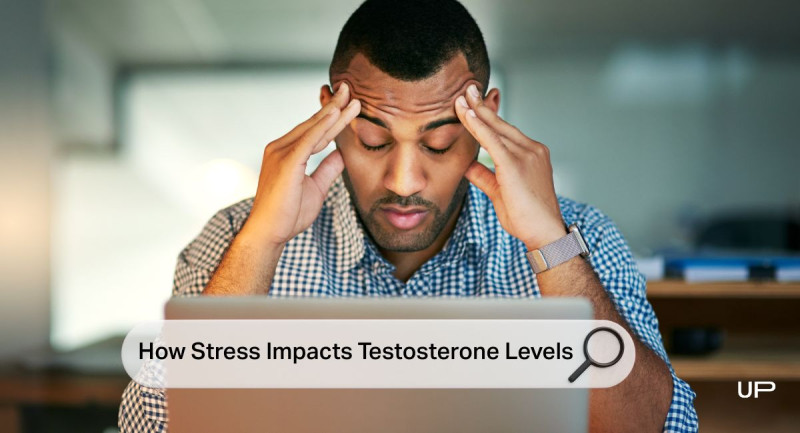

Stress is becoming a daily reality for many men, especially those balancing work, family, and health demands.
What most men do not realize is how strongly chronic stress can affect their hormones, including testosterone — the hormone that influences energy, mood, libido, motivation, and overall well-being.
As interest in testosterone replacement therapy (TRT) in Canada continues to grow, more men are asking whether stress is the real cause behind their symptoms and how stress management fits into maintaining healthy testosterone levels.
This article breaks down the science in a clear, practical way so you can understand what stress does to your hormones and what steps can help you feel your best again.
Topics covered in this article:
- How Stress Affects Hormones
- How Stress Lowers Testosterone Levels
- Signs of Stress-Related Low Testosterone
- Can TRT Help With Stress-Related Low Testosterone?
- Lifestyle Strategies to Support Testosterone During Stress
- One-Minute Takeaway
- When to Talk to a Provider
- Final Thoughts
- Frequently Asked Questions (FAQs)
- References
How Stress Affects Hormones
Stress triggers a natural response in the body. When your brain senses pressure, conflict, workload, or emotional strain, it signals the adrenal glands to release cortisol. Cortisol is useful in short bursts, but when it stays high for long periods, it begins affecting other hormones, including testosterone.
Acute stress vs chronic stress
Short-term stress can temporarily boost alertness and focus, but chronic stress keeps cortisol elevated for too long. High cortisol competes with the pathways that help produce testosterone, which leads to hormonal imbalance over time.
How hormone imbalance develops
When cortisol remains high, the body prioritizes survival mode instead of hormone production. This can affect sleep, mood, appetite, and recovery. Over weeks or months, this pattern can slowly lower testosterone levels and create symptoms many men do not immediately connect to stress.
As stress becomes more constant, it creates a cycle that is hard to break. Understanding this connection is the first step toward improving both stress levels and testosterone health.
How Stress Lowers Testosterone Levels
Chronic stress affects the body in ways that directly lower testosterone production. Even men who have never struggled with symptoms before can notice changes when stress becomes part of their daily routine.
Impact on the hormone axis
Stress disrupts the communication between the brain and the testes, known as the HPA and HPG axes. When cortisol is high, the brain sends fewer signals to produce testosterone. Over time, this reduces overall hormone output.
Sleep disruption
Stress often affects sleep quality. Poor or inconsistent sleep lowers testosterone levels the following day. This is especially true for men over 40, who already experience natural declines in hormone production.
Inflammation from stress
Chronic stress increases systemic inflammation. Inflammation makes it harder for the body to maintain hormone balance and can reduce testosterone production.
Weight gain and metabolic slowdown
Stress can increase appetite, cravings, and abdominal fat. Higher body fat increases the conversion of testosterone into estrogen, which lowers testosterone further and worsens symptoms.
Stress affects multiple pathways at once, which is why the symptoms of stress and low testosterone often overlap.
Signs of Stress-Related Low Testosterone
Stress and low testosterone can feel similar, which is why many men overlook the connection. When stress is persistent, the hormonal impact becomes more noticeable and can interfere with daily life.
Mood and emotional changes
Men may feel irritable, overwhelmed, or less resilient. Stress affects neurotransmitters that support calmness and motivation, and lower testosterone can intensify these effects.
Reduced libido
A drop in sexual desire is one of the earliest signs of stress-related hormonal changes. High cortisol reduces the signals responsible for healthy sexual function.
Persistent fatigue
Stress drains mental and physical energy. When testosterone levels begin to fall, fatigue becomes more constant and recovery from daily activities feels harder.
Reduced performance and drive
Many men notice difficulty focusing, reduced productivity, or slower reaction times. These changes often appear during periods of chronic stress.
Recognizing these signs can help men identify whether stress is affecting their hormones and when it might be time to discuss symptoms with a healthcare provider.
Can TRT Help With Stress-Related Low Testosterone?
Testosterone replacement therapy can help stabilize hormone levels when stress has contributed to a measurable drop in testosterone. However, TRT works best when it addresses true hormonal imbalance rather than stress alone.
What TRT can improve
For men whose testosterone is clinically low, TRT may help restore energy, mood stability, libido, and overall motivation. Consistent hormone levels can make it easier to manage daily stress and feel more like yourself again.
When TRT makes sense
TRT is most effective when symptoms are paired with low bloodwork results. If stress has pushed testosterone below a healthy range, medically supervised TRT may help bring levels back to normal.
What TRT cannot fix
TRT does not replace healthy habits or reduce cortisol on its own. If lack of sleep, poor nutrition, or chronic worry are the main issues, these need to be addressed alongside treatment.
As part of a complete approach, TRT can support men who are dealing with both stress and low testosterone, but it works best when lifestyle strategies are included.
Lifestyle Strategies to Support Testosterone During Stress
Even when stress is unavoidable, certain habits can protect testosterone levels and support better resilience. These lifestyle approaches work alongside or without TRT to help stabilize hormones.
Prioritizing sleep
Quality sleep is one of the strongest natural boosters for testosterone. Aim for consistent sleep and wake times, reduce screen time before bed, and create a dark, cool sleeping environment.
Strength and cardio exercise
Regular movement helps reduce cortisol and support healthier testosterone levels. Strength training two to three times per week can improve mood, energy, and metabolic health.
Stress reduction techniques
Simple daily practices can lower cortisol. Mindful breathing, short breaks during the day, time outdoors, or even a quick walk can calm the nervous system.
Limiting alcohol
Alcohol can raise cortisol and lower testosterone, especially during stressful periods. Reducing intake or choosing alcohol-free days can make a noticeable difference.
Balanced nutrition
Eating regular meals with enough protein, healthy fats, and whole foods helps regulate blood sugar and support hormone production.
Small changes add up. Supporting your body during times of stress can help keep hormones more stable and reduce the severity of symptoms.
One-Minute Takeaway
- Stress increases cortisol, which can lower testosterone when it becomes chronic.
- Symptoms often overlap, including fatigue, irritability, low libido, and reduced focus.
- TRT may help when stress has contributed to clinically low testosterone, but lifestyle habits remain essential.
- Improving sleep, exercise, nutrition, and stress management supports healthier hormone levels.
- If symptoms persist, a healthcare provider can determine whether low testosterone or stress is the primary cause.
When to Talk to a Provider
Stress and low testosterone can feel similar, so it is important to reach out for support when symptoms begin to interfere with your quality of life. A healthcare provider can help determine whether ongoing stress, true hormonal imbalance, or a combination of both is responsible.
Persistent symptoms
If fatigue, irritability, low libido, or trouble concentrating continue for several weeks, it is helpful to discuss these changes with a professional. Ongoing symptoms often point to more than temporary stress.
Difficulty coping with stress
If stress feels constant or overwhelming, a provider can help rule out underlying issues and offer tools or referrals for support.
Signs of hormone imbalance
If you notice changes in body composition, sexual health, or motivation, a provider can determine whether testosterone testing is appropriate.
Talking with a healthcare provider ensures that you receive accurate testing, clear guidance, and a plan that fits your symptoms. You do not need to navigate stress or hormonal changes alone.
Final Thoughts
Stress affects every man differently, but its impact on testosterone is well-documented. When stress becomes long-lasting, it can drain energy, lower mood, and disrupt hormonal balance in ways that feel hard to manage alone. The good news is that these changes are not permanent and can often be improved with better stress habits, healthier routines, and medical guidance when needed.
Testosterone replacement therapy can help some men when low testosterone is part of the picture, but it works best alongside lifestyle strategies that keep stress in check. If symptoms are affecting your daily life, reaching out to a healthcare provider is the safest next step for proper testing and personalized support.
A balanced approach to stress and hormone health can help you feel more focused, more energized, and more like yourself again.
Frequently Asked Questions (FAQs)
Yes. Long-lasting stress increases cortisol, a hormone that interferes with natural testosterone production. High cortisol over time can lead to lower energy, reduced libido, poor focus, and disrupted sleep.
TRT does not treat stress directly, but it can help men who have clinically low testosterone feel more stable, energized, and resilient. Many men report better mood and stress tolerance once their testosterone levels normalize.
Because the symptoms overlap, bloodwork is the only reliable way to tell the difference. A healthcare provider can measure your testosterone levels, review your symptoms, and assess whether stress, hormones, or both are contributing.
Yes. Improving sleep, exercising regularly, reducing alcohol, managing weight, and lowering daily stress can all support healthier testosterone levels. These habits also make TRT work better for men who need it.
No. Current evidence shows that TRT does not increase cortisol levels. In many cases, men experience better mood, improved sleep, and greater mental clarity when testosterone levels are optimized under proper medical supervision.
References
UPGUYS has strict sourcing guidelines to ensure our content is accurate and current. We rely on peer-reviewed studies, academic research institutions, and medical associations. We strive to use primary sources and refrain from using tertiary references.- Salivary testosterone and cortisol response in acute stress modulated by seven sessions of mindfulness meditation in young males, PubMed,
https://pubmed.ncbi.nlm.nih.gov/38377148/ - Testosterone and cortisol moderate perception of mild psychosocial stress in young males, PubMed,
https://pubmed.ncbi.nlm.nih.gov/40706183/
This article is written for informational purposes only and does not constitute medical advice. The information provided in the articles cannot and should not replace advice from a healthcare professional. Talk to your healthcare provider about any physical or mental health concerns or the risks and benefits of any treatment or medication.




UPRX Pharmacy (West) Licenced by:
College of Pharmacists of British Columbia
Licence Number: 38287
1221543 B.C. LTD
224 – 3989 Henning Dr.
Burnaby BC, V5C 6P8 Canada
P: 604-291-1094 F: 604-291-0827
Pharmacy Manager: Mehrdad Rezaei
UPRX Pharmacy (East)
Accredited by:
Ontario College of Pharmacists
Accreditation Number: 309322
1000286128 Ontario Inc.
105 - 91 Skyway Ave
Etobicoke, ON M9W 6R5 Canada
P: 416-679-1774 F: 416-679-1808
Designated Manager: Todd Spetter