Can You Preserve Fertility While On TRT? When HCG May Be Considered And What To Monitor
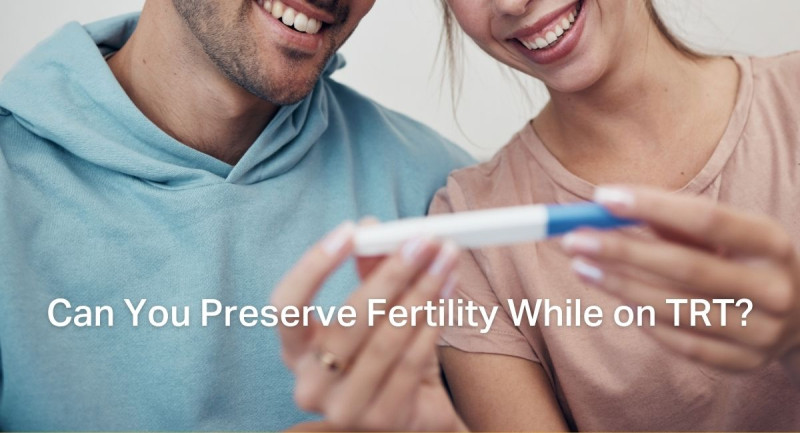

Testosterone replacement therapy (TRT) in Canada is increasingly used by men over 40 to support energy levels, mood, strength, and overall well-being.
As more men explore treatment, one important question often comes up before or after starting: what happens to fertility?
While TRT can influence the body’s natural hormone signalling involved in sperm production, many men are not aware that fertility may still be part of the conversation. Questions around whether fertility can be preserved, when supportive approaches like hCG may be considered, and what needs to be monitored are common but not always clearly explained.
In this guide, we’ll walk through how TRT may affect fertility, when hCG may be discussed in a clinical setting, and what Canadian patients should understand to make informed decisions aligned with their long-term goals.
Topics covered in this article:
- What happens to fertility when starting testosterone replacement therapy (TRT)?
- Can fertility be preserved while on TRT?
- What is hCG and why is it sometimes considered with TRT?
- Who may be considered for hCG alongside TRT?
- What should be monitored when using TRT with fertility considerations?
- Does using hCG guarantee fertility while on TRT?
- Are there risks or trade-offs to consider?
- When should you talk to a practitioner about fertility and TRT?
- Frequently Asked Questions About TRT, hCG, and Fertility
- Conclusion: Planning Ahead Makes a Difference
- References
What happens to fertility when starting testosterone replacement therapy (TRT)?
Testosterone replacement therapy (TRT) can reduce or suppress sperm production by affecting the body’s natural hormone signalling involved in fertility.
When you start TRT, the body detects higher levels of testosterone in the bloodstream. In response, it reduces signals from the brain that normally stimulate the testes to produce both testosterone and sperm. This process is part of a natural feedback system involving hormones like luteinizing hormone (LH) and follicle-stimulating hormone (FSH). When these signals decrease, sperm production may slow down significantly or stop altogether in some men.
It’s important to understand that this effect is not identical for everyone. Some men may experience a rapid decline in sperm production, while others may retain some level of fertility, especially early in treatment. Factors such as age, baseline hormone levels, duration of TRT, and individual biology all play a role in how the body responds.
If you’re looking for a broader overview of how TRT and fertility are connected, you can explore this in more detail here:
👉 TRT And Fertility: Can You Still Have Kids On Testosterone?
Understanding how TRT influences fertility is the first step toward making informed decisions, especially if having children now or in the future is part of your plan.
Can fertility be preserved while on TRT?
Yes, fertility may be preserved or supported in some cases while on testosterone replacement therapy (TRT), but outcomes vary and depend on individual factors and medical guidance.
It’s important to understand that preservation is not guaranteed. TRT can affect sperm production differently from one person to another, and results depend on factors such as baseline hormone levels, overall health, and how the body responds to treatment.
Timing plays a key role. Men who address fertility goals before starting TRT often have more options available, as treatment can be planned with those goals in mind from the outset. However, even if TRT has already been started, it is still possible to discuss fertility considerations and potential next steps with a practitioner.
Age is another important factor. While many men over 40 can still have children, natural fertility may already be changing over time, which makes early awareness and planning especially valuable.
Planning ahead offers the most flexibility when balancing symptom improvement with long-term fertility goals, but it’s never too late to start the conversation.
What is hCG and why is it sometimes considered with TRT?
hCG is a hormone that may be considered in some cases to help maintain signals involved in sperm production during testosterone replacement therapy (TRT).
Human chorionic gonadotropin (hCG) works by mimicking certain signals the body naturally produces to support testosterone production within the testes. Under normal conditions, the brain sends hormonal signals that stimulate the testes to produce both testosterone and sperm. When TRT is introduced, those signals can decrease, which may affect sperm production.
In some clinical situations, hCG may be discussed as a way to support these natural signalling pathways, even while testosterone levels are being managed through TRT. The goal is not to replace TRT, but to complement it in a way that aligns with fertility considerations.
It’s important to note that hCG is not used in every case, and it is not a one-size-fits-all approach. Whether it is appropriate depends on individual goals, baseline health, and practitioner guidance.
hCG is best understood as one possible component of a broader, fertility-aware approach to TRT, rather than a standard or automatic addition to treatment.
Who may be considered for hCG alongside TRT?
hCG may be discussed for men who want to maintain fertility potential while undergoing testosterone replacement therapy (TRT).
While not needed in every case, hCG may be considered in situations where preserving fertility is an active goal. This discussion is typically individualized and based on medical history, timing, and long-term plans.
Men who may explore this option include:
- Men planning to have children in the future
- Those who want to keep the possibility of fatherhood open while addressing low testosterone symptoms.
- Men early in their TRT journey
- Starting TRT with fertility in mind may allow for more proactive planning and monitoring from the outset.
- Men with specific clinical goals related to hormone balance
- In some cases, treatment may be tailored to balance symptom improvement with maintaining certain physiological functions.
- Men over 40 considering delayed or second families
- Fertility may still be an important consideration, especially for those starting new relationships or expanding their families later in life.
Eligibility varies from person to person, and decisions around using hCG alongside TRT are always made based on individual goals, medical context, and practitioner guidance.
What should be monitored when using TRT with fertility considerations?
Monitoring typically includes hormone levels and, in some cases, sperm-related parameters to assess changes over time.
When fertility is part of the discussion, tracking how the body responds to testosterone replacement therapy (TRT) becomes especially important. Monitoring helps ensure that treatment remains aligned with both symptom improvement and long-term reproductive goals.
Common areas that may be reviewed include:
- Hormonal markers
- Blood tests may be used to track testosterone levels along with other related hormones involved in the body’s signalling system. These markers help provide a clearer picture of how TRT is influencing overall hormonal balance.
- 👉 Why It’s Smart To Get A Testosterone Blood Test Early
- Semen parameters (when relevant)
- In some cases, a semen analysis may be discussed to assess sperm count and quality over time. This is not required for everyone, but may be considered when fertility is an active priority.
- Ongoing clinical follow-up
- Regular check-ins with a practitioner allow for adjustments based on how the body is responding. This may include reviewing symptoms, lab results, and any changes in goals.
- 👉 Why Monitoring After TRT Matters For Your Health
Consistent monitoring plays a key role in making informed, individualized decisions throughout the course of TRT.
Does using hCG guarantee fertility while on TRT?
No, using hCG does not guarantee fertility while on testosterone replacement therapy (TRT), and outcomes can vary between individuals.
It’s important to set realistic expectations. While hCG may be considered as part of a fertility-aware approach, it does not ensure that sperm production will be maintained or restored in every case.
Several factors can influence outcomes, including:
- Timing of use
- The earlier fertility is considered and discussed, the more options may be available. Delays in addressing this can affect how the body responds over time.
- Duration of TRT
- Longer exposure to TRT may have a greater impact on natural hormone signalling, which can influence fertility potential.
- Individual response
- Each person’s biology is different, and responses to TRT and supportive approaches like hCG can vary widely.
Because of this variability, decisions around fertility and TRT should always be individualized and guided by a practitioner, with ongoing monitoring and adjustments as needed.
hCG may support certain fertility-related goals in some cases, but it should not be viewed as a guaranteed solution.
Are there risks or trade-offs to consider?
Yes, there may be trade-offs, including additional monitoring, potential side effects, and varying responses between individuals.
When fertility is part of the plan, treatment may become more nuanced. This doesn’t mean it’s unsafe, but it does mean there are additional factors to consider alongside symptom improvement.
Some of the common trade-offs include:
- Increased monitoring requirements
- Managing TRT with fertility considerations may involve more frequent bloodwork, follow-ups, and, in some cases, additional testing to track changes over time.
- Potential side effects
- As with any hormone-related approach, responses can vary. Some individuals may experience changes that require adjustments, which is why ongoing supervision is important.
- Balancing priorities
- There may be situations where optimizing symptoms and maintaining fertility goals require careful alignment. This balance is different for each person and may evolve over time.
For a broader understanding of how benefits and risks are weighed during treatment, you can explore:
👉 TRT Long-Term Risks Vs. Benefits
A balanced, informed approach—guided by regular monitoring and clear communication—plays a key role in achieving sustainable, long-term outcomes.
When should you talk to a practitioner about fertility and TRT?
Ideally, you should discuss fertility before starting testosterone replacement therapy (TRT), but it’s never too late to bring it up.
Having this conversation early allows your treatment plan to be shaped with both symptom improvement and future family goals in mind. However, even if you’ve already started TRT, there are still opportunities to review your situation and explore next steps.
Here’s how timing can influence the discussion:
- Before starting TRT (best case)
- This allows for more proactive planning, including baseline assessments and a treatment approach that considers fertility from the beginning.
- After starting TRT (still possible)
- If TRT has already begun, you can still raise the topic with your practitioner. Adjustments or additional considerations may be discussed based on your current situation.
- Open and transparent communication
- Being clear about your goals, whether immediate or long-term, helps guide more personalized and appropriate care decisions.
If you’re unsure how to start this conversation, you can learn more here:
👉 How To Talk To Your Doctor About TRT
Early discussions often lead to better planning, clearer expectations, and fewer surprises along the way.
Frequently Asked Questions About TRT, hCG, and Fertility
Yes, it is possible in some cases, but TRT can reduce sperm production and may affect fertility.
Some men may retain partial fertility, especially early in treatment, while others may experience a more significant decline. Individual response varies, which is why planning and monitoring are important if having children is a goal.
It can take several months or longer, and recovery timelines vary between individuals.
Factors such as duration of TRT, age, baseline hormone levels, and overall health can influence how quickly sperm production may recover. In some cases, recovery may take longer or may not fully return to previous levels.
No, hCG is not always required and is not used in every case.
Whether it is considered depends on individual goals, medical history, and practitioner guidance. Some men may not need additional interventions, while others may explore options based on their specific situation.
Not necessarily, but it’s important to discuss your plans with a practitioner beforehand.
In some cases, treatment can be planned with fertility in mind from the start. The best approach depends on your symptoms, timeline, and overall health priorities.
Fertility is typically assessed using hormone tests and, in some cases, semen analysis.
Blood tests help evaluate hormone levels involved in reproductive function, while semen analysis can provide insight into sperm count and quality when needed.
Conclusion: Planning Ahead Makes a Difference
Testosterone replacement therapy (TRT) and fertility are closely connected, and understanding this relationship is essential before or during treatment. While TRT can influence sperm production, there may be approaches to consider depending on your goals and individual situation.
Options may exist, but they require thoughtful planning, proper monitoring, and ongoing communication with a practitioner. Each case is different, and decisions are best made with a clear understanding of both short-term benefits and long-term priorities.
The most favourable outcomes often come from early, informed discussions that align treatment with your personal goals.
If fertility is part of your long-term plans, having the right conversation before or during TRT can make all the difference.
References
UPGUYS has strict sourcing guidelines to ensure our content is accurate and current. We rely on peer-reviewed studies, academic research institutions, and medical associations. We strive to use primary sources and refrain from using tertiary references.- Testosterone Is a Contraceptive and Should Not Be Used in Men Who Desire Fertility, PubMed,
https://pmc.ncbi.nlm.nih.gov/articles/PMC6305868/ - Human Chorionic Gonadotropin Injection, Cleveland Clinic,
https://my.clevelandclinic.org/health/drugs/18559-human-chorionic-gonadotropin-hcg-injection - Male infertility, Mayo Clinic,
https://www.mayoclinic.org/diseases-conditions/male-infertility/symptoms-causes/syc-20374773
This article is written for informational purposes only and does not constitute medical advice. The information provided in the articles cannot and should not replace advice from a healthcare professional. Talk to your healthcare provider about any physical or mental health concerns or the risks and benefits of any treatment or medication.



UPRX Pharmacy (West) Licenced by:
College of Pharmacists of British Columbia
Licence Number: 38287
1221543 B.C. LTD
224 – 3989 Henning Dr.
Burnaby BC, V5C 6P8 Canada
P: 604-291-1094 F: 604-291-0827
Pharmacy Manager: Mehrdad Rezaei
UPRX Pharmacy (East)
Accredited by:
Ontario College of Pharmacists
Accreditation Number: 309322
1000286128 Ontario Inc.
105 - 91 Skyway Ave
Etobicoke, ON M9W 6R5 Canada
P: 416-679-1774 F: 416-679-1808
Designated Manager: Todd Spetter