How Long Does GLP-1 Take To Work For Weight Loss?
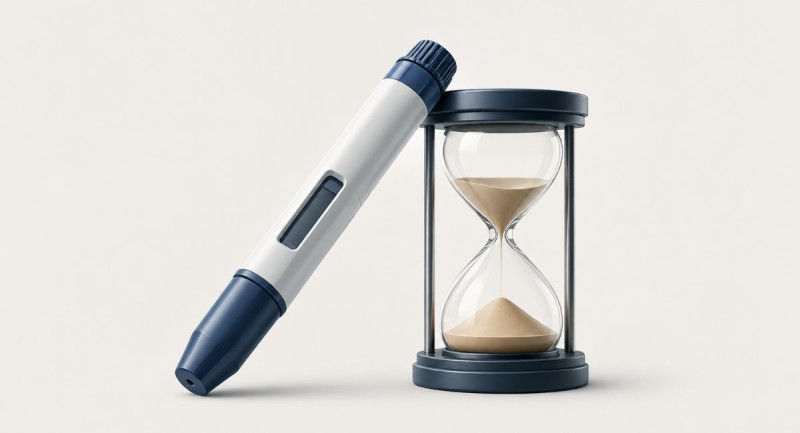

GLP-1 medications can begin affecting appetite, fullness, and food intake relatively early in treatment, but noticeable weight loss usually develops more gradually over the following weeks and months. Some people notice that they feel full sooner or are less interested in food before they see a substantial change on the scale.
One reason results are gradual is that GLP-1 medications used for weight management are generally started at a lower dose and increased over time. Starting doses are designed to help the body adjust and improve tolerability rather than produce the maximum possible weight-loss effect immediately. Many GLP-1-based weight-management treatments use this gradual dosing approach.
There is no single timeline that applies to everyone. How quickly treatment appears to work can depend on the type of GLP-1 treatment, dose reached, appetite response, starting weight, nutrition, physical activity, other health conditions, and individual biology.
This guide explains what may happen during the first days, weeks, and months of GLP-1 treatment, why some people respond faster than others, and when slower-than-expected weight loss may be worth discussing with a healthcare provider.
Topics covered in this article:
- When Do GLP-1 Medications Start Working?
- When Does GLP-1 Start Suppressing Appetite?
- When Do You Start Losing Weight on a GLP-1?
- GLP-1 Weight-Loss Timeline: What to Expect
- Why Doesn’t GLP-1 Cause Maximum Weight Loss Right Away?
- How Does Dose Escalation Affect GLP-1 Weight Loss?
- How Long Do Weekly GLP-1 Medications Take to Work for Weight Loss?
- How Long Do Dual GIP/GLP-1 Medications Take to Work for Weight Loss?
- How Long Do Daily GLP-1 Medications Take to Work for Weight Loss?
- How Much Weight Should You Lose in the First Month?
- Why Am I Not Losing Weight on GLP-1 Yet?
- Does GLP-1 Work if You Don’t Feel Less Hungry?
- Why Do Some People Respond Faster Than Others?
- When Is GLP-1 Weight Loss Usually Fastest?
- Why Does GLP-1 Weight Loss Slow Down?
- What If You Stop Losing Weight on a GLP-1?
- How Long Should You Try a GLP-1 Before Deciding if It Works?
- How Long Can You Stay on a GLP-1?
- How to Support GLP-1 Weight-Loss Results
- When Should You Speak to a Healthcare Provider?
- Key Takeaways
- FAQ
- References
When Do GLP-1 Medications Start Working?
GLP-1 medications can begin producing biological effects early in treatment, but that does not mean substantial weight loss will happen immediately. For many people, changes in appetite or fullness are among the first effects they notice.
You may begin to experience:
- Less hunger between meals
- Feeling full sooner
- Smaller portions feeling more satisfying
- Reduced interest in food or fewer cravings
These changes can occur before the scale shows a clear downward trend. Weight can fluctuate from day to day because of hydration, food intake, bowel movements, and other factors, so the overall trend over time is more meaningful than a single weigh-in.
Not everyone experiences an obvious sensation that the medication has “kicked in.” Some people notice a dramatic reduction in appetite, while others experience subtler changes, such as naturally eating smaller portions or feeling satisfied for longer after meals.
Canadian obesity guidance emphasizes that weight-management medication should be individualized according to effectiveness, treatment goals, and tolerance. This means the response should be assessed over time rather than judging whether treatment is working based only on how you feel after the first few doses.
When Does GLP-1 Start Suppressing Appetite?
Some people notice appetite changes within the first days or weeks of GLP-1 treatment, but there is no single timeline that applies to everyone. Appetite response can vary depending on the medication, starting dose, dose escalation, and individual biology.
Early changes may include:
- Reduced hunger: You may feel less hungry between meals.
- Earlier fullness: Smaller amounts of food may feel more satisfying.
- Smaller portions: You may naturally stop eating sooner than before.
- Fewer cravings: Some people notice less interest in certain foods or less frequent thoughts about eating.
These effects are linked to GLP-1 signalling in the brain and digestive system, which influences appetite, satiety, and gastric emptying. However, not everyone experiences a dramatic drop in hunger. For some people, the effect is more subtle and may show up as eating less without consciously trying to restrict food.
Appetite response can also change as the dose is increased. Starting doses are intentionally lower to improve tolerability, so some people may notice stronger appetite effects later in treatment rather than immediately.
When Do You Start Losing Weight on a GLP-1?
Weight loss can begin during the first few weeks, but it is usually gradual rather than immediate. Some people see an early change on the scale, while others may need more time before a clear downward trend appears.
Early weight changes can also be affected by hydration, food intake, bowel movements, and normal day-to-day fluctuations, so a single weigh-in does not always reflect whether treatment is working.
As treatment continues and the dose is gradually increased, appetite control may become more consistent and weight loss may become easier to see over time. Clinical trials of GLP-1 and GLP-1/GIP medications generally evaluate weight-loss outcomes over many months, which reflects how gradually these treatments tend to work.
There is no guaranteed week when weight loss should begin. The timeline can depend on the medication, dose reached, starting weight, nutrition, physical activity, treatment adherence, and individual response.
If the scale has not changed after the first few doses, that does not automatically mean the medication is ineffective. It is often more useful to look at the overall trend over several weeks and discuss progress with a healthcare provider as treatment advances.
GLP-1 Weight-Loss Timeline: What to Expect
GLP-1 weight loss usually develops gradually over weeks and months, rather than all at once. Appetite and fullness may change before a clear downward trend appears on the scale, and the exact timeline varies by treatment type, dose, and individual response.
Treatment stage | What you may notice |
First few days | Appetite or fullness may begin changing for some people, although others may notice very little at first. |
Weeks 1–4 | The body adjusts to the starting dose. Early appetite changes or digestive side effects may occur, while weight loss may still be modest. |
Months 1–3 | As treatment continues and the dose is gradually increased, the overall weight trend may become easier to see. |
Months 3–6 | More sustained changes in appetite, food intake, and body weight may become apparent for people who respond to treatment. |
Longer term | Weight loss may continue, slow, or eventually plateau depending on the dose, adherence, lifestyle factors, and individual biology. |
These are general expectations rather than guaranteed milestones. Some people respond sooner, while others need more time before meaningful changes appear.
Canadian obesity guidance supports GLP-1-based pharmacotherapy as part of individualized obesity management and emphasizes that treatment response, dose, effectiveness, and tolerability can vary from person to person.
Why Doesn’t GLP-1 Cause Maximum Weight Loss Right Away?
GLP-1 medications do not usually produce their maximum weight-loss effect immediately because treatment generally begins with a lower starting dose that is increased gradually. This process, known as dose titration, is designed to improve tolerability and reduce gastrointestinal side effects.
Many GLP-1-based weight-management treatments use gradual dose escalation rather than starting at the highest treatment dose. This gives the body time to adapt while treatment progresses.
Starting at a lower dose allows the body to adjust to changes in appetite signalling, fullness, digestion, and gastric emptying. As the dose is gradually increased and treatment continues, these effects may become more consistent.
Weight loss itself also accumulates over time. Even when appetite decreases early, the resulting change in calorie intake does not translate into the full expected weight change within days or a few weeks.
This is why early results should not be used as the only measure of whether treatment is working. Tolerability, dose reached, time on treatment, nutrition, physical activity, and individual biological response all influence the eventual outcome.
You should not increase the dose faster than prescribed in an attempt to accelerate weight loss. Current Canadian guidance recommends selecting and adjusting obesity pharmacotherapy according to individual treatment goals, safety, effectiveness, and tolerability.
How Does Dose Escalation Affect GLP-1 Weight Loss?
GLP-1 medications used for weight management are generally started at a lower dose and increased gradually over time. The starting dose is mainly intended to help the body adjust to treatment, while maintenance doses are used to provide an ongoing therapeutic effect.
Dose escalation can affect weight-loss progress because appetite regulation and other treatment effects may become more noticeable as treatment advances. However, a higher dose is not automatically better for everyone.
Tolerability is an important part of treatment. Increasing the dose too quickly can make gastrointestinal side effects such as nausea, vomiting, diarrhea, constipation, or prolonged fullness more difficult to manage. This is why the prescribed titration schedule should be followed rather than increasing the dose independently in an attempt to accelerate weight loss.
The goal is also not necessarily for everyone to reach the maximum available dose. Some people may achieve meaningful improvements in appetite, weight, or weight-related health concerns at a lower dose that they tolerate well.
Dose decisions should therefore be individualized according to factors such as:
- Treatment response
- Weight and health goals
- Side effects
- Tolerability
- Other medical conditions and treatments
- Cost and access
- Overall benefit from treatment
If weight loss seems slower than expected, the dose should not be increased early without medical guidance. A healthcare provider can assess whether more time, continued titration, or another adjustment is appropriate.
How Long Do Weekly GLP-1 Medications Take to Work for Weight Loss?
Weekly GLP-1 medications can begin affecting appetite and fullness relatively early, but meaningful weight loss generally develops gradually over several months rather than after only the first few doses.
Treatment typically begins at a low dose and is gradually increased to improve tolerability. Because the early doses are part of this adjustment period, someone who has only recently started treatment may not yet experience the full effects that can develop later.
Some people notice reduced hunger, earlier fullness, fewer cravings, or smaller portion sizes during the first few weeks. However, these appetite changes can occur before substantial changes appear on the scale.
Long-term clinical trials help put the timeline into perspective. Major studies of once-weekly GLP-1 treatment for weight management have followed participants for well over a year, including a landmark 68-week trial. This reinforces that weight-loss effectiveness is assessed over months rather than the first several injections.
There is no guaranteed week when a weekly GLP-1 medication should produce noticeable weight loss. Results can depend on the dose reached, starting weight, appetite response, nutrition, physical activity, treatment adherence, and individual biology.
If progress is limited during the early dose-escalation period, that does not automatically mean treatment is ineffective. The overall response is better assessed over time and in the context of the prescribed treatment plan.
How Long Do Dual GIP/GLP-1 Medications Take to Work for Weight Loss?
Dual GIP/GLP-1 medications are typically taken once weekly and are started at a lower dose that is increased gradually over time. As with other incretin-based treatments, appetite changes may begin before substantial weight loss becomes visible on the scale.
Some people may notice:
- Reduced hunger
- Earlier fullness
- Smaller portion sizes
- Less interest in food
- Gradual changes in body weight
Because treatment begins with dose escalation, the first few weeks are often an adjustment period rather than the point of maximum treatment effect. Results generally become clearer over the following months as treatment continues and the dose is adjusted according to tolerance.
Individual response can vary considerably. Starting weight, dose reached, appetite response, nutrition, activity, other health conditions, and treatment adherence can all influence how quickly weight changes occur.
It is therefore better to assess the overall trend over time rather than assume that a weekly dual GIP/GLP-1 medication should work within a specific number of days or weeks. It should also not be assumed that this treatment will necessarily work faster or better for every individual than other GLP-1-based options.
How Long Do Daily GLP-1 Medications Take to Work for Weight Loss?
Some GLP-1 medications used for weight management are taken once daily rather than once weekly. These treatments also use gradual dose titration, meaning the dose is increased step by step while the body adjusts.
Appetite and fullness may begin changing during the early stages of treatment, but meaningful weight loss usually develops gradually over weeks and months. The daily dosing schedule does not mean that maximum weight-loss results occur more quickly than with weekly medications.
As treatment progresses, some people may notice more consistent appetite control and a clearer downward weight trend. However, the response varies according to the dose tolerated, starting weight, eating patterns, physical activity, adherence, and individual biology.
Longer-term assessment remains important. Obesity treatment studies generally evaluate changes over many months because early weight loss does not necessarily predict the full response to treatment.
If progress appears limited during the initial titration period, it does not automatically mean the medication is ineffective. The response should be considered over time and reviewed alongside tolerability, health improvements, and other treatment goals.
How Much Weight Should You Lose in the First Month?
There is no required amount of weight you should lose during the first month of GLP-1 treatment. Some people see an early change on the scale, while others lose very little at first and make more noticeable progress later.
One reason is that treatment often begins at a lower starting dose. The first few weeks are primarily an adjustment period, so the full effect on appetite and weight may not yet be apparent.
Early scale changes can also be influenced by factors that are not body fat, including:
- Water-weight fluctuations
- Changes in food and sodium intake
- Bowel movements
- Starting body weight
- Appetite response
- Physical activity
- Treatment adherence
People with a higher starting body weight may sometimes see larger absolute changes on the scale, while others may progress more gradually.
It is also important not to compare your first-month results with dramatic transformations shared online. Social media tends to highlight unusually fast or highly visible outcomes and does not reflect the full range of normal responses.
A better approach is to look at the overall trend over several weeks and months, along with changes in appetite, portion size, health markers, and how well the treatment is tolerated.
Why Am I Not Losing Weight on GLP-1 Yet?
Not losing much weight early in GLP-1 treatment does not automatically mean the medication is not working. Several factors can affect how quickly weight loss becomes noticeable.
Possible reasons include:
- You are still at the starting dose: Early doses are generally intended to improve tolerability rather than produce the maximum treatment effect.
- Individual response varies: Some people respond quickly, while others need more time.
- Treatment duration is still short: Meaningful weight loss is usually assessed over months, not just the first few injections.
- Medication adherence: Missed or inconsistent doses can affect progress.
- Nutrition: Portion sizes, calorie-dense foods, frequent snacking, or overall intake may influence the rate of weight loss.
- Liquid calories: Sugary drinks, specialty coffees, juices, and alcohol can add substantial calories without producing the same fullness as solid food.
- Physical activity: Daily movement and structured exercise can affect energy balance and body composition.
- Other medications: Some treatments can affect appetite, fluid retention, or body weight.
- Medical factors: Sleep problems, hormonal conditions, metabolic health, and other medical issues may influence progress.
Expectations can also play a role. Online stories may make it seem as though everyone loses weight rapidly, but GLP-1 response is highly individual, and steady progress can still be clinically meaningful.
If weight loss remains limited after an appropriate period on a tolerated treatment plan, a healthcare provider can review adherence, dose progression, nutrition, physical activity, other medications, and possible medical factors before deciding whether any changes are needed.
Does GLP-1 Work if You Don’t Feel Less Hungry?
Yes. A GLP-1 medication may still be having an effect even if you do not notice a dramatic reduction in hunger. Appetite changes can be subtle, and people do not all experience treatment in the same way.
For some people, the first noticeable change is not feeling less hungry, but rather:
- Feeling full sooner during meals
- Staying satisfied for longer afterward
- Naturally eating smaller portions
- Having fewer cravings or less interest in snacking
- Finding it easier to stop eating when comfortably full
This means the medication does not need to create a strong sensation of appetite suppression to be effective. Changes in portion size, eating patterns, weight trend, and weight-related health measures may provide a better picture of treatment response than hunger alone.
If you do not notice any changes in appetite, fullness, food intake, weight, or other treatment goals after an appropriate period, a healthcare provider can review the dose, treatment duration, adherence, and other factors that may be affecting your response.
Why Do Some People Respond Faster Than Others?
GLP-1 response varies considerably from person to person. Some people notice appetite and weight changes relatively early, while others experience a slower or more modest response.
Several factors can influence how quickly treatment appears to work:
- Starting weight: People starting at different body weights may see different absolute changes on the scale.
- Type of GLP-1 treatment: Different GLP-1-based therapies have different mechanisms, dosing schedules, and expected treatment responses.
- Dose tolerated: Someone who remains at a lower dose because of side effects may have a different response from someone who progresses further through the prescribed dosing schedule.
- Individual biology and genetics: Appetite regulation, metabolism, hormone signalling, and genetic differences can influence treatment response.
- Diabetes status: People with and without type 2 diabetes may experience different average weight-loss responses in clinical studies.
- Eating patterns: Overall calorie intake, portion sizes, food choices, snacking, and liquid calories can affect progress.
- Physical activity: Daily movement and exercise influence energy balance, fitness, and body composition.
- Other health factors: Sleep, other medications, hormonal conditions, mobility, and underlying health issues can influence weight management.
A faster response does not necessarily mean treatment is working “better,” and slower progress does not automatically mean it is failing. The most useful measure is the overall response over time, including weight trend, appetite, tolerability, and improvements in health.
When Is GLP-1 Weight Loss Usually Fastest?
There is no universal point when GLP-1 weight loss is fastest. The pace can vary by individual, dose progression, treatment response, starting weight, eating patterns, physical activity, and other health factors.
For some people, the more active phase of weight loss occurs after the initial dose-escalation period, once appetite regulation becomes more consistent and treatment has had more time to affect overall food intake. Others may lose weight steadily without a clearly defined “fastest” period.
As treatment continues, weight loss commonly becomes slower than it was earlier on. This does not necessarily mean the medication has stopped working. As body weight decreases, the body generally requires fewer calories to maintain itself, and physiological adaptations can make further weight loss more difficult.
The most useful approach is to look at the overall trend over months, rather than expecting a particular week or month to produce the greatest change.
Why Does GLP-1 Weight Loss Slow Down?
GLP-1 weight loss often slows over time because the body adapts as weight decreases. A slower rate of loss or a period of little change on the scale can be part of the normal weight-management process.
Several factors may contribute:
- Lower energy requirements: A smaller body generally requires less energy to maintain than it did at a higher weight.
- Physiological adaptation: Weight loss can trigger biological responses that influence appetite, hunger, and energy regulation.
- Changes in appetite response: The appetite-suppressing effect may feel different over time, even when treatment is still providing benefit.
- Changes in food intake or activity: Portion sizes, eating patterns, movement, and exercise can shift during long-term treatment.
- Individual response: Some people continue losing gradually, while others eventually reach a period where their weight remains relatively stable.
A weight-loss plateau does not automatically mean treatment has failed. Maintaining previously lost weight and improvements in health can also be meaningful outcomes.
If weight remains unchanged for an extended period, a healthcare provider can review the treatment plan, dose, adherence, nutrition, physical activity, other medications, and medical factors before deciding whether an adjustment is appropriate.
What If You Stop Losing Weight on a GLP-1?
If your weight stops changing for a period of time, it does not automatically mean the treatment has stopped working. Weight can fluctuate from day to day, so it is more useful to look at the overall trend across several weeks rather than individual weigh-ins.
A plateau can be influenced by several factors, including:
- Dose and tolerability: Some people remain at a lower dose because of side effects, while others may still be progressing through dose escalation.
- Nutrition: Portion sizes, calorie-dense foods, snacking, and liquid calories can influence progress.
- Physical activity: Changes in movement, resistance training, and overall activity can affect energy balance and body composition.
- Medication adherence: Missed or inconsistent doses can reduce treatment effectiveness.
- Physiological adaptation: As body weight decreases, energy requirements also fall, which can make further weight loss slower.
- Other health factors: Sleep, other medications, hormonal conditions, and medical issues may also contribute.
If your weight has remained stable for an extended period, a healthcare provider can review the overall treatment response, including dose, side effects, adherence, eating patterns, activity level, and other medical factors.
Do not increase the dose, shorten the interval between doses, or otherwise change the prescribed schedule on your own in an attempt to restart weight loss.
How Long Should You Try a GLP-1 Before Deciding if It Works?
There is no single amount of time that determines whether every GLP-1 treatment is working. The appropriate assessment period depends on the specific treatment, dose progression, tolerability, individual response, and treatment goals.
Time at the starting dose alone may not provide a complete picture, because early doses are often used primarily to improve tolerability. It may take longer to assess effectiveness once a person has reached a therapeutic or well-tolerated dose.
Weight is also not the only outcome that matters. A healthcare provider may consider changes in:
- Appetite and portion size
- Overall weight trend
- Waist circumference or body composition
- Blood pressure
- Blood glucose or other metabolic measures
- Mobility and physical function
- Weight-related health conditions
- Treatment tolerability
- Quality of life
Canadian obesity guidance treats pharmacotherapy as individualized and potentially long term when it is effective and tolerated, rather than recommending one universal short trial for everyone.
If there is little meaningful benefit after an appropriate treatment period, or side effects outweigh the benefits, a healthcare provider can reassess the dose, adherence, treatment goals, other contributing factors, and whether a different approach may be more appropriate.
How Long Can You Stay on a GLP-1?
GLP-1 treatment may be used long term when it continues to provide meaningful benefits and remains safe and tolerable. There is no universal maximum duration that applies to everyone.
Obesity is recognized as a chronic disease, so weight-management treatment may need to continue over time in the same way that other chronic conditions often require ongoing care. Stopping treatment solely because a target weight has been reached may not be appropriate for every person.
The decision to continue treatment should consider:
- Effectiveness: Is the treatment helping with weight, appetite, or weight-related health concerns?
- Tolerability: Are side effects manageable?
- Benefits vs risks: Do the health benefits continue to outweigh potential risks?
- Personal goals and preferences: Does the treatment still fit the individual’s needs?
- Cost and access: Is long-term treatment realistic and sustainable?
- Overall health: Have other medical conditions or treatments changed?
Ongoing monitoring remains important during long-term treatment. A healthcare provider can review weight trends, side effects, nutrition, other medications, and relevant health markers to determine whether the treatment should be continued, adjusted, or changed.
Long-term use should therefore be viewed as an individualized decision, not as a commitment that everyone must make when starting treatment.
How to Support GLP-1 Weight-Loss Results
GLP-1 medications can support appetite regulation and weight loss, but treatment works best as part of a broader weight-management plan. Nutrition, physical activity, sleep, hydration, and consistent follow-up can all influence long-term results.
Helpful strategies include:
- Follow the prescribed dose: Take the medication according to the recommended schedule and do not increase or change the dose independently.
- Prioritize nutritious foods: Smaller portions still need to provide enough vitamins, minerals, fibre, and other nutrients.
- Get adequate protein: Protein can help support muscle maintenance while body weight decreases.
- Include resistance training: Strength-based exercise can help preserve muscle, strength, and physical function.
- Stay physically active: Walking, cycling, swimming, and other regular movement can support cardiovascular health and weight management.
- Stay hydrated: Adequate fluid intake is particularly important if appetite is reduced or digestive side effects occur.
- Prioritize sleep: Poor sleep can affect appetite, energy, eating patterns, and overall health.
- Attend follow-up appointments: Ongoing review can help assess progress, side effects, dose tolerance, nutrition, and whether the treatment plan remains appropriate.
The goal is not simply to lose weight as quickly as possible. A more useful measure of success is whether treatment helps support sustainable improvements in weight, health, strength, and quality of life over time.
When Should You Speak to a Healthcare Provider?
You should speak to a healthcare provider if your GLP-1 treatment is not producing meaningful benefits after an appropriate period, if side effects are difficult to manage, or if you have concerns about whether the treatment is still appropriate.
Reasons to seek medical review include:
- Little or no meaningful response: If appetite, weight, or other treatment goals have not improved after enough time at an appropriate tolerated dose, the treatment plan may need reassessment.
- Severe side effects: Persistent vomiting, severe abdominal pain, significant dehydration, or other concerning symptoms should be evaluated promptly.
- Difficulty tolerating dose escalation: If side effects prevent you from progressing through the prescribed dosing schedule, a provider can assess whether slower titration or another approach is appropriate.
- Rapid or excessive weight loss: Losing weight too quickly may increase the risk of inadequate nutrition, muscle loss, weakness, or other complications.
- Nutritional concerns: Very low food intake, difficulty meeting protein needs, or signs of nutrient deficiency should be addressed.
- Significant weakness or muscle loss: Reduced strength, declining physical function, or noticeable loss of muscle may require changes to nutrition, activity, or treatment.
- Medication questions: Ask before changing the dose, skipping doses, stopping treatment, or combining GLP-1 therapy with other weight-management treatments.
You should also seek review if your health, other medications, or treatment goals change. GLP-1 therapy should be monitored over time so that its benefits, risks, effectiveness, and tolerability continue to be assessed together.
Key Takeaways
- GLP-1 medications can begin affecting appetite and fullness early, but noticeable weight loss usually develops gradually over weeks and months.
- Starting doses are intentionally low, so the first few weeks may be more about tolerability and adjustment than maximum weight-loss effect.
- There is no guaranteed week when GLP-1 treatment should start producing visible results.
- Appetite changes can be subtle. Feeling full sooner, eating smaller portions, or having fewer cravings may occur even without dramatic hunger suppression.
- Dose escalation can influence results, but higher doses are not automatically better for everyone.
- Weight-loss response varies according to dose, starting weight, treatment duration, adherence, nutrition, physical activity, other health factors, and individual biology.
- First-month weight loss can vary widely, so early results should not be compared with dramatic outcomes seen online.
- Weight loss often slows over time, and a plateau does not automatically mean treatment has failed.
- Treatment effectiveness should be judged by more than the scale. Appetite, health markers, physical function, tolerability, and quality of life may also matter.
- GLP-1 treatment may be used long term when it remains effective, safe, and tolerable.
- Nutrition, adequate protein, resistance training, physical activity, hydration, sleep, and regular follow-up can support better long-term outcomes.
- Do not increase, reduce, or stop a prescribed GLP-1 treatment independently because progress seems too slow.
FAQ
GLP-1 medications may begin affecting appetite and fullness within the first days or weeks, but meaningful weight loss usually develops gradually over several months. The timeline varies depending on dose progression, treatment type, starting weight, adherence, and individual response.
Some people notice reduced hunger, earlier fullness, or smaller portion sizes during the first few weeks. Others experience subtler appetite changes or notice them later as the dose is gradually increased.
Yes. Biological effects can begin after the first dose, and some people notice appetite or fullness changes early. However, substantial weight loss should not be expected immediately after the first injection or dose.
Weight loss may begin during the first few weeks, but there is no guaranteed week when it should start. The overall trend over several weeks and months is more meaningful than individual weigh-ins.
There is no required amount. First-month results vary widely because treatment often begins at a low dose, and early scale changes can also reflect water, food intake, and normal weight fluctuations.
You may still be at a starting dose, need more time on treatment, or respond differently than others. Nutrition, physical activity, adherence, other medications, medical conditions, and individual biology can also affect progress.
Yes. GLP-1 treatment does not need to eliminate hunger to be effective. You may instead notice earlier fullness, smaller portions, fewer cravings, or staying satisfied longer after meals.
Signs can include reduced appetite, earlier fullness, smaller portions, a downward weight trend, or improvements in weight-related health measures. Treatment response should be assessed over time rather than based on one specific sensation.
Not necessarily. Higher doses may produce stronger effects for some people, but they may also increase side effects. Canadian guidance recommends individualizing the dose according to clinical benefit and tolerability, and some people may reach their treatment goals below the maximum dose.
Weekly GLP-1 medications may begin affecting appetite during the early weeks, but meaningful weight loss generally develops over several months. Gradual dose escalation means the earliest doses may not produce the full treatment effect.
Dual GIP/GLP-1 treatments can begin influencing appetite and fullness early, but weight-loss results generally accumulate over weeks and months. Individual response and the dose tolerated can substantially affect the timeline.
Daily GLP-1 treatments are also gradually titrated. Appetite changes may occur during the early treatment period, while meaningful weight loss is generally assessed over a longer period of weeks to months.
Differences in starting weight, dose, biology, diabetes status, eating patterns, physical activity, other medications, and health conditions can all influence the rate of weight loss.
There is no universal peak period. Some people experience a more active phase of weight loss after progressing beyond the initial dose-escalation period, while others lose weight at a steadier rate.
As body weight decreases, the body usually requires fewer calories, and physiological adaptations can make continued weight loss harder. A slowdown or plateau is therefore not automatically a sign that treatment has stopped working.
Look at your weight trend over several weeks rather than a single measurement. A healthcare provider can review dose progression, adherence, nutrition, physical activity, other medications, and medical factors before deciding whether changes are appropriate.
There is no universal cutoff. The appropriate assessment period depends on the treatment, time spent at an effective or tolerated dose, side effects, weight response, and other health goals.
Yes. Although appetite effects may appear earlier, meaningful weight-loss results often develop over several months, particularly because the dose is increased gradually.
GLP-1 treatment may be used long term when it continues to be effective, safe, and tolerable. Obesity is a chronic condition, so treatment duration should be individualized rather than based on a predetermined end date.
Speak to a healthcare provider if there is little meaningful response after an appropriate treatment period, you cannot tolerate dose escalation, side effects are significant, or you have concerns about nutrition, weakness, muscle loss, or whether the treatment is appropriate.
References
UPGUYS has strict sourcing guidelines to ensure our content is accurate and current. We rely on peer-reviewed studies, academic research institutions, and medical associations. We strive to use primary sources and refrain from using tertiary references.- Canadian Adult Obesity Clinical Practice Guideline, Obesity Canada,
https://obesitycanada.ca/healthcare-professionals/adult-clinical-practice-guideline/ - Once-Weekly Semaglutide in Adults with Overweight or Obesity, The New England Journal of Medicine,
https://www.nejm.org/doi/full/10.1056/NEJMoa2032183 - How Long Should You Be on a GLP-1? Cleveland Clinic,
https://health.clevelandclinic.org/how-long-to-take-glp-1-for-weight-loss
This article is written for informational purposes only and does not constitute medical advice. The information provided in the articles cannot and should not replace advice from a healthcare professional. Talk to your healthcare provider about any physical or mental health concerns or the risks and benefits of any treatment or medication.


UPRX Pharmacy (West) Licenced by:
College of Pharmacists of British Columbia
Licence Number: 38287
1221543 B.C. LTD
224 – 3989 Henning Dr.
Burnaby BC, V5C 6P8 Canada
P: 604-291-1094 F: 604-291-0827
Pharmacy Manager: Mehrdad Rezaei
UPRX Pharmacy (East)
Accredited by:
Ontario College of Pharmacists
Accreditation Number: 309322
1000286128 Ontario Inc.
105 - 91 Skyway Ave
Etobicoke, ON M9W 6R5 Canada
P: 416-679-1774 F: 416-679-1808
Designated Manager: Todd Spetter