Can TRT Make Sleep Apnea Worse? What Men Need To Know
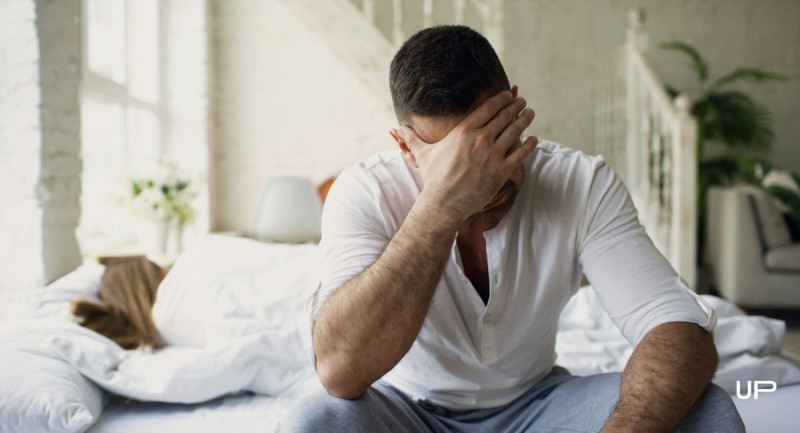

Sleep apnea and testosterone replacement therapy (TRT) in Canada are closely linked concerns for many men, especially those already diagnosed with breathing-related sleep issues.
Some men notice changes after starting TRT, such as increased snoring, poorer sleep quality, or more daytime fatigue. This can raise an important question: is TRT making sleep apnea worse, or is something else going on?
Understanding the relationship between TRT and sleep apnea is important for managing both conditions safely. In some cases, TRT can influence sleep-disordered breathing, but this effect is not the same for everyone and depends on individual risk factors.
Topics covered in this article:
Can TRT Make Sleep Apnea Worse?
Yes—TRT can worsen sleep apnea in some men, particularly those who already have obstructive sleep apnea or underlying risk factors.
What the evidence shows
- Association exists: Testosterone therapy has been linked to worsening sleep-disordered breathing in some cases
- Not universal: Not all men experience worsening symptoms
- More likely in existing cases: Men with diagnosed sleep apnea are at higher risk
Result: TRT may worsen sleep apnea in certain individuals, but the effect varies.
Who this affects most
- Men with diagnosed sleep apnea: Especially moderate to severe cases
- Men with untreated apnea: Higher risk without proper management
- Men with risk factors: Including excess weight or airway obstruction
Result: The presence of existing sleep apnea significantly increases the likelihood of worsening symptoms.
What “worsening” looks like
- More frequent breathing interruptions during sleep
- Increased snoring intensity
- Worse sleep quality despite treatment
- More daytime fatigue or sleepiness
Result: Symptoms may become more noticeable or harder to control.
Important context
- TRT is not the sole cause: Sleep apnea is influenced by anatomy, weight, and overall health
- Changes may be subtle: Not all worsening is immediately obvious
- Monitoring is essential: Especially after starting or adjusting TRT
Key takeaway
TRT can worsen sleep apnea in some men, particularly those with existing or untreated apnea, but the effect is not universal and should be monitored rather than assumed.
Why TRT Can Worsen Sleep Apnea
TRT can worsen sleep apnea because testosterone influences airway stability, hormone-driven tissue changes, and how the brain regulates breathing during sleep.
Airway mechanics
- Reduced airway stability: Testosterone may affect the muscles that keep the airway open
- Increased airway collapse risk: Especially during deep sleep when muscle tone naturally decreases
- Upper airway resistance: Small changes can make breathing more difficult at night
Result: The airway may become more prone to obstruction during sleep.
Hormonal effects
- Changes in soft tissue: Hormonal shifts can influence tissue behaviour around the neck and throat
- Fluid redistribution: TRT-related fluid retention may increase pressure around the airway
- Weight-related effects: In some cases, changes in body composition can impact breathing
Result: Hormonal changes can indirectly affect how open the airway remains during sleep.
Respiratory control
- Altered breathing signals: Testosterone can influence how the brain responds to oxygen and carbon dioxide levels
- Reduced respiratory drive during sleep: The body may respond differently to breathing disruptions
- Changes in sleep architecture: Hormones can affect sleep stages, impacting breathing patterns
Result: Breathing regulation during sleep may become less stable in some individuals.
Important context
- Effect varies widely: Not all men experience these changes
- More relevant in existing apnea: Those already diagnosed are more sensitive
- Often manageable: Monitoring and adjustments can reduce risk
Key takeaway
TRT can worsen sleep apnea by affecting airway mechanics, hormonal balance, and respiratory control, particularly in men who already have underlying sleep-disordered breathing.
Who Is Most at Risk
TRT is more likely to worsen sleep apnea in men who already have underlying risk factors related to airway structure, body weight, and age.
Existing sleep apnea
- Diagnosed obstructive sleep apnea: Highest risk group
- Untreated apnea: Symptoms may worsen more noticeably
- Moderate to severe cases: More sensitive to hormonal changes
Result: Men with existing sleep apnea are the most likely to experience worsening symptoms on TRT.
Overweight men
- Increased fat around the neck: Can narrow the airway
- Higher airway resistance: Makes breathing more difficult during sleep
- Greater baseline risk: Weight is a major contributor to sleep apnea severity
Result: Excess weight increases the likelihood that TRT-related changes will impact breathing.
Older men
- Reduced muscle tone: Airway muscles weaken with age
- Higher prevalence of sleep apnea: More common in men over 40
- Slower physiological adaptation: Hormonal changes may have a greater impact
Result: Age-related factors can make the airway more vulnerable during sleep.
Additional risk factors
- Snoring history: Indicates possible airway instability
- Poor sleep quality baseline: Existing disruptions can worsen
- Comorbid conditions: Such as cardiovascular or metabolic issues
Result: Multiple risk factors increase the chance of worsening symptoms.
Important context
- Risk is cumulative: The more factors present, the higher the likelihood
- Not all high-risk men will worsen: Individual response varies
- Monitoring is essential: Especially in higher-risk groups
Key takeaway
Men with existing sleep apnea, excess body weight, and older age are at the highest risk of worsening symptoms on TRT, particularly when multiple risk factors are present.
Signs Your Sleep Apnea Is Getting Worse on TRT
Sleep apnea may be worsening on TRT if you notice changes in breathing during sleep, reduced sleep quality, or decreased effectiveness of existing treatment.
Increased snoring
- Louder or more frequent snoring: Compared to your baseline before TRT
- Partner notices changes: Snoring becomes more disruptive or constant
- Interrupted breathing sounds: Gasping or choking during sleep
Result: Increased snoring can indicate greater airway obstruction at night.
Daytime fatigue
- Waking up tired: Even after a full night of sleep
- Increased daytime sleepiness: Difficulty staying alert during the day
- Reduced mental clarity: Brain fog or difficulty concentrating
Result: Poor sleep quality due to worsening apnea often leads to persistent fatigue.
CPAP-related changes
- Less effective CPAP therapy: Symptoms persist despite regular use
- Need for higher pressure settings: Breathing support may need adjustment
- Mask discomfort or leaks: Changes in airflow requirements can affect fit and comfort
Result: Changes in CPAP effectiveness may signal that sleep apnea severity has shifted.
Additional signs
- More frequent nighttime awakenings
- Morning headaches
- Dry mouth or sore throat upon waking
Result: These symptoms often accompany worsening sleep-disordered breathing.
Important context
- Changes may be gradual: Not always immediately noticeable
- Requires comparison to baseline: Look for differences before and after starting TRT
- Monitoring is critical: Especially in the first few months
Key takeaway
Signs that sleep apnea is getting worse on TRT include increased snoring, persistent daytime fatigue, and reduced effectiveness of CPAP therapy, all of which should be monitored and evaluated if they continue.
Does TRT Always Worsen Sleep Apnea?
No—TRT does not always worsen sleep apnea, and many men experience no change when treatment is properly monitored.
Not universal
- Many men see no worsening: Especially those without significant risk factors
- Effects are inconsistent: Some experience changes, others do not
- Depends on baseline health: Existing apnea severity plays a major role
Result: TRT-related worsening is possible, but not expected in every case.
Individual variability
- Different physiological responses: Hormones affect each person differently
- Severity matters: Mild apnea may remain stable, while moderate/severe cases are more sensitive
- Treatment quality: Proper monitoring and management reduce risk
Result: Outcomes vary widely depending on the individual.
Role of proper management
- Regular monitoring: Helps detect early changes
- Sleep apnea treatment: Effective CPAP use reduces risk of worsening
- Lifestyle factors: Weight, sleep habits, and overall health influence outcomes
Result: Well-managed cases are less likely to experience significant worsening.
Important context
- Association does not mean inevitability: Not all men will be affected
- Risk is higher in specific groups: Especially those with untreated or severe apnea
- Monitoring is more important than avoidance: TRT can still be used safely in many cases
Key takeaway
TRT does not always worsen sleep apnea, and with proper monitoring and management, many men can continue treatment without significant changes in their condition.
What If You Already Use a CPAP?
If you already use a CPAP, TRT does not automatically create problems, but it may require closer monitoring and occasional adjustments to maintain effective treatment.
Pressure changes
- Increased airway resistance: TRT-related changes may require higher pressure settings
- Less effective airflow: Existing settings may not fully prevent airway collapse
- Adjustment over time: Pressure needs can change as the body adapts
Result: CPAP settings may need to be reassessed to maintain effectiveness.
Monitoring
- Track symptoms closely: Watch for increased snoring, fatigue, or poor sleep quality
- Review CPAP data: Look for changes in apnea events or mask leak reports
- Compare baseline vs current: Identify differences after starting TRT
Result: Monitoring helps detect early signs of worsening sleep apnea.
Compliance
- Consistent CPAP use is critical: Skipping nights increases risk of worsening symptoms
- Comfort matters: Mask fit and comfort should be optimized if pressure changes
- Follow-up is essential: Regular check-ins ensure therapy remains effective
Result: Proper CPAP use reduces the likelihood of TRT-related complications.
Important context
- CPAP remains effective: Most men can continue TRT safely with proper management
- Adjustments are common: Changes do not mean treatment failure
- Coordination of care helps: Sleep and hormone management should work together
Key takeaway
If you use a CPAP, TRT may require adjustments and closer monitoring, but with consistent use and proper follow-up, sleep apnea can usually remain well controlled.
How to Reduce the Risk
The risk of worsening sleep apnea on TRT can be reduced by monitoring symptoms, improving sleep habits, and maintaining regular medical follow-up.
Monitoring
- Track sleep quality: Pay attention to snoring, nighttime awakenings, and morning fatigue
- Watch for changes after starting TRT: Compare symptoms before and after treatment
- Review CPAP data if applicable: Look for increases in apnea events or pressure needs
Result: Early detection helps prevent worsening symptoms from going unnoticed.
Sleep hygiene
- Maintain a consistent sleep schedule: Supports stable breathing patterns
- Avoid alcohol before bed: Alcohol can worsen airway collapse
- Sleep on your side: Reduces airway obstruction compared to back sleeping
- Manage weight: Even small changes can improve airway function
Result: Better sleep habits reduce the overall severity of sleep apnea.
Medical follow-up
- Regular check-ins: Monitor both TRT response and sleep apnea symptoms
- Sleep reassessment if needed: Sleep studies may be recommended if symptoms change
- Coordinated care: Align hormone management with sleep apnea treatment
Result: Ongoing medical oversight ensures both conditions are managed safely.
Important context
- Risk can be managed: Worsening is not inevitable
- Consistency matters: Small habits have a cumulative effect
- Do not self-adjust treatment: Changes should be guided by a healthcare provider
Key takeaway
Reducing the risk of worsening sleep apnea on TRT involves consistent monitoring, strong sleep habits, and regular medical follow-up to ensure both conditions remain well controlled.
Should You Stop TRT If Sleep Apnea Gets Worse?
No—you should not automatically stop TRT if sleep apnea worsens, but the situation should be evaluated and managed appropriately.
When stopping TRT is NOT necessary
- Mild symptom changes: Slight increases in snoring or fatigue
- Early adjustment phase: Changes shortly after starting TRT
- Manageable with treatment: Symptoms improve with CPAP or lifestyle adjustments
Result: In many cases, TRT can be continued safely with proper management.
When evaluation is important
- Persistent worsening: Symptoms do not improve over time
- Significant sleep disruption: Poor sleep quality affecting daily function
- Reduced CPAP effectiveness: Therapy is no longer controlling symptoms
Result: These situations require medical review before making decisions.
Possible next steps (instead of stopping TRT)
- Reassess sleep apnea treatment: CPAP settings or usage may need adjustment
- Review TRT regimen: Ensure dosing and consistency are optimized
- Address contributing factors: Weight, sleep habits, and overall health
Result: Many cases can be improved without discontinuing TRT.
When stopping TRT may be considered
- Severe worsening of apnea: Especially if not controlled with treatment
- Health risks increase: Cardiovascular or respiratory concerns emerge
- No improvement with adjustments: Despite proper management
Result: Discontinuation is typically a last resort after evaluation.
Important context
- Do not stop TRT abruptly: Changes should be guided by a healthcare provider
- Balance risks and benefits: Both testosterone levels and sleep health matter
- Individualized decisions: Based on severity, response, and overall health
Key takeaway
You do not need to stop TRT automatically if sleep apnea worsens, but persistent or severe changes should be evaluated, and treatment should be adjusted based on individual response.
FAQ
Yes. TRT can worsen sleep apnea in some men, especially those with existing or untreated obstructive sleep apnea, but it does not affect everyone the same way.
It is uncommon. TRT is more likely to worsen existing sleep apnea rather than cause new cases, but underlying risk factors may become more noticeable.
Signs include increased snoring, more daytime fatigue, poorer sleep quality, and reduced effectiveness of CPAP therapy.
Yes. Many men continue TRT safely with proper monitoring and effective sleep apnea treatment such as CPAP.
Yes. CPAP remains effective, but pressure settings or usage may need to be adjusted if symptoms change.
Not automatically. Symptoms should be evaluated first, and adjustments should be made before considering stopping treatment.
Men with existing sleep apnea, excess weight, or older age are at higher risk, especially when multiple factors are present.
Conclusion
TRT and sleep apnea are closely connected, but worsening symptoms are not inevitable.
While testosterone therapy can affect breathing during sleep in some men, especially those with existing sleep apnea, the impact varies and is often manageable with proper care. Monitoring symptoms, maintaining consistent CPAP use when applicable, and addressing lifestyle factors all play a key role in reducing risk.
For most men, TRT does not need to be stopped. Instead, the focus should be on identifying changes early and making appropriate adjustments to ensure both hormone levels and sleep health are well controlled.
Understanding this balance allows men to continue treatment confidently while protecting long-term health.
References
UPGUYS has strict sourcing guidelines to ensure our content is accurate and current. We rely on peer-reviewed studies, academic research institutions, and medical associations. We strive to use primary sources and refrain from using tertiary references.- Testosterone Therapy in Men With Hypogonadism: An Endocrine Society* Clinical Practice Guideline, JCEM,
https://academic.oup.com/jcem/article/103/5/1715/4939465 - Evaluation and Management of Testosterone Deficiency (2024), AUA,
https://www.auanet.org/guidelines-and-quality/guidelines/testosterone-deficiency-guideline - Obstructive Sleep Apnea and Testosterone Deficiency, PubMed,
https://pmc.ncbi.nlm.nih.gov/articles/PMC6305865/
This article is written for informational purposes only and does not constitute medical advice. The information provided in the articles cannot and should not replace advice from a healthcare professional. Talk to your healthcare provider about any physical or mental health concerns or the risks and benefits of any treatment or medication.



UPRX Pharmacy (West) Licenced by:
College of Pharmacists of British Columbia
Licence Number: 38287
1221543 B.C. LTD
224 – 3989 Henning Dr.
Burnaby BC, V5C 6P8 Canada
P: 604-291-1094 F: 604-291-0827
Pharmacy Manager: Mehrdad Rezaei
UPRX Pharmacy (East)
Accredited by:
Ontario College of Pharmacists
Accreditation Number: 309322
1000286128 Ontario Inc.
105 - 91 Skyway Ave
Etobicoke, ON M9W 6R5 Canada
P: 416-679-1774 F: 416-679-1808
Designated Manager: Todd Spetter