TRT Water Retention: Bloating, Swelling, And What It Means
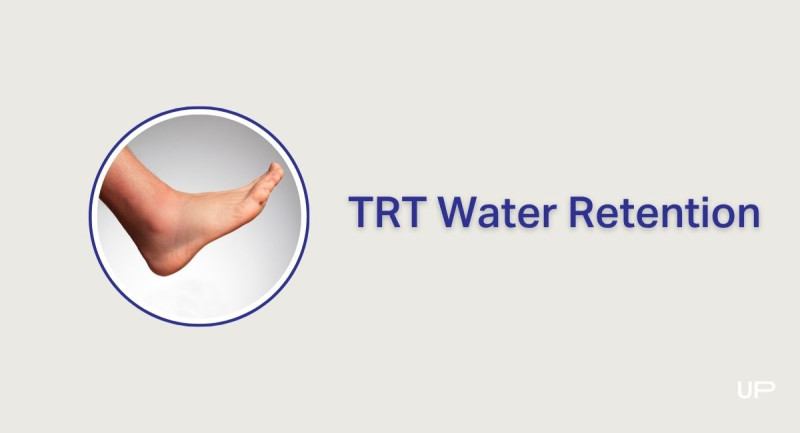

Water retention is one of the most common and misunderstood changes after starting testosterone replacement therapy (TRT) in Canada.
Some men notice facial puffiness, ankle swelling, or a sudden increase in weight within the first few weeks. These changes can be concerning and are often mistaken for fat gain or a sign that something is wrong.
In reality, water retention on TRT is often temporary and related to how the body adjusts to new hormone levels. Understanding why it happens and what to expect can help reduce unnecessary concern and identify when further evaluation may be needed.
Topics covered in this article:
- Does TRT Cause Water Retention?
- Why TRT Can Cause Water Retention
- Common Signs of Water Retention on TRT
- Is Water Retention on TRT Normal?
- How Long Does TRT Water Retention Last?
- When Water Retention Is a Concern
- What Causes Severe Water Retention on TRT
- How to Reduce Water Retention on TRT
- FAQ
- Conclusion
- References
Does TRT Cause Water Retention?
Yes—TRT can cause water retention, especially during the early stages of treatment, as the body adapts to changes in hormone levels.
Why it happens
- Hormonal shifts: Testosterone levels increase, affecting how the body regulates fluids
- Temporary fluid retention: The body may hold onto more water during the adjustment phase
- System-wide response: Hormones influence kidney function, electrolytes, and fluid balance
Result: Mild bloating or swelling can occur as part of the body’s normal response to TRT.
What most men notice
- Face puffiness: Slight swelling around the cheeks or under the eyes
- Ankle or leg swelling: Especially later in the day
- Rapid weight increase: Often due to water, not fat
- General bloating: Feeling “softer” or more swollen
Result: These changes are usually mild and often temporary.
Important context
- Most common early on: Water retention is more likely in the first few weeks
- Not always a problem: Mild symptoms are often part of normal adaptation
- Usually improves over time: As hormone levels stabilize
Key takeaway
TRT can cause temporary water retention, especially early in treatment, but it is often mild, short-term, and part of the body adjusting to new hormone levels.
Why TRT Can Cause Water Retention
TRT can cause water retention because testosterone affects estrogen levels, fluid regulation, and overall hormonal balance, all of which influence how the body holds or releases water.
Estrogen conversion
- Testosterone converts to estrogen: A natural process called aromatization
- Higher estrogen can increase water retention: Especially in the early phase
- Balance matters: Both high and rapidly changing estrogen levels can affect fluid levels
Result: Estrogen changes are one of the main reasons for bloating and puffiness on TRT.
Fluid balance regulation
- Kidney function is influenced by hormones: Testosterone impacts how the body retains sodium and water
- Electrolyte shifts: Changes in sodium balance can lead to temporary fluid retention
- Increased water holding capacity: The body may retain more fluid than usual
Result: The body holds onto extra water as it adjusts to hormonal changes.
Hormonal shifts
- Rapid increase in testosterone: Especially at the start of treatment
- System-wide adaptation: Multiple hormones adjust at the same time
- Temporary instability: The body has not yet reached a steady state
Result: Water retention is often part of the early adjustment phase of TRT.
Important context
- Most common early on: Often seen in the first few weeks
- Usually temporary: Improves as hormone levels stabilize
- Varies between individuals: Not everyone experiences noticeable retention
Key takeaway
TRT can cause water retention due to estrogen conversion, fluid regulation changes, and overall hormonal shifts, but these effects are typically temporary and improve as the body adjusts.
Common Signs of Water Retention on TRT
Water retention on TRT usually presents with visible swelling, a feeling of bloating, and rapid changes in weight, especially in the early stages of treatment.
Face puffiness
- Swelling around the cheeks or under the eyes: Often most noticeable in the morning
- “Softer” facial appearance: Loss of sharpness in facial features
- Fluctuates throughout the day: May improve as the day progresses
Result: One of the earliest and most noticeable signs of fluid retention.
Ankle and leg swelling
- Swelling around the ankles or lower legs: Especially after standing or sitting for long periods
- Tightness in shoes or socks: May leave marks on the skin
- Worsens later in the day: Fluid tends to accumulate in lower extremities
Result: Indicates fluid pooling due to gravity and circulation changes.
Bloating
- Feeling of fullness or pressure: Especially in the abdominal area
- Temporary increase in waist size: Without actual fat gain
- Discomfort after eating: Can feel like digestive bloating
Result: A common but often misunderstood symptom of fluid retention.
Rapid weight gain
- Sudden increase on the scale: Often within days or weeks
- Not linked to fat gain: Occurs too quickly to be body fat
- Fluctuates daily: Weight may go up and down
Result: Rapid weight changes are often due to water, not changes in body composition.
Important context
- Symptoms often appear together: Rarely just one isolated sign
- Most common early on: Especially in the first few weeks of TRT
- Usually temporary: Improves as hormone levels stabilize
Key takeaway
Common signs of water retention on TRT include face puffiness, ankle swelling, bloating, and rapid weight gain, and these changes are typically temporary and related to fluid balance rather than fat gain.
Is Water Retention on TRT Normal?
Yes—water retention on TRT is often normal in the early phase, but it should improve over time rather than persist or worsen.
Early phase (normal response)
- Common in the first few weeks: The body is adjusting to rising testosterone levels
- Temporary fluid retention: Hormonal shifts affect how the body regulates water and sodium
- Mild symptoms: Slight puffiness, bloating, or small weight increases
Result: Early water retention is usually expected and part of normal adaptation.
Ongoing water retention
- Lasts beyond a few months: Symptoms do not improve with time
- More noticeable swelling: Face, ankles, or overall bloating remains persistent
- Less predictable pattern: Does not follow a clear adjustment timeline
Result: Ongoing symptoms may indicate that something is not fully optimized.
What separates normal vs concern
- Normal: Mild, early, improving over time
- Needs attention: Persistent, worsening, or uncomfortable swelling
Result: Duration and severity determine whether it is part of normal adjustment or something that should be evaluated.
Important context
- Not everyone experiences it: Some men have no noticeable water retention
- Varies in severity: Can be subtle or more noticeable depending on the individual
- Often improves with stability: As hormone levels become more consistent
Key takeaway
Water retention on TRT is usually normal in the early stages and tends to improve, but persistent or worsening symptoms may require further evaluation.
How Long Does TRT Water Retention Last?
TRT-related water retention typically lasts a few days to several weeks, and in most cases improves as hormone levels stabilize.
Early phase (0–2 weeks)
- Rapid fluid changes: The body begins adjusting to increased testosterone
- Noticeable puffiness: Face, ankles, or general bloating may appear
- Quick weight fluctuations: Scale may increase due to water, not fat
Result: Water retention is most noticeable during the initial phase.
Adjustment phase (2–6 weeks)
- Gradual improvement: The body starts regulating fluid balance more effectively
- Reduced swelling: Puffiness and bloating begin to decrease
- Less fluctuation: Weight becomes more stable
Result: Symptoms often improve as the body adapts.
Stabilization phase (6–12+ weeks)
- Hormone levels stabilize: Testosterone and related hormones reach a steady range
- Minimal water retention: Most temporary fluid retention resolves
- Consistent baseline: Body composition becomes more predictable
Result: Water retention typically resolves or becomes very mild.
What affects the timeline
- Dosing consistency: Stable routines reduce prolonged fluid retention
- Hormonal balance: Testosterone and estrogen levels influence duration
- Lifestyle factors: Sodium intake, hydration, sleep, and stress
- Individual response: Some men adjust faster than others
Result: While timelines vary, most cases improve within a few weeks.
Important context
- Usually temporary: Persistent water retention is less common
- Not fat gain: Early weight changes are often fluid-related
- May require evaluation if prolonged: Especially if symptoms do not improve
Key takeaway
Water retention on TRT usually lasts from a few days to several weeks, with the most noticeable symptoms early on and gradual improvement as the body adjusts.
When Water Retention Is a Concern
Water retention on TRT becomes a concern when it is severe, persistent, or associated with other symptoms, rather than mild and temporary.
Severe swelling
- Significant ankle or leg swelling: Noticeable enlargement or tightness that does not improve
- Swelling in multiple areas: Face, hands, and legs all affected at the same time
- Discomfort or pain: Pressure, heaviness, or reduced mobility
Result: More pronounced swelling may indicate that fluid balance is not properly regulated.
Persistent symptoms
- Lasts beyond several weeks: No improvement after the typical adjustment phase
- Worsening over time: Swelling or bloating increases instead of decreasing
- Stable despite consistent routine: No change despite steady dosing and lifestyle
Result: Ongoing water retention may suggest hormonal imbalance or another underlying issue.
Additional warning signs
- Shortness of breath: Especially when lying down or with minimal exertion
- Rapid, ongoing weight gain: Beyond typical early fluctuations
- Unusual fatigue or discomfort: Accompanied by swelling
Result: These symptoms require prompt medical evaluation.
Important context
- Mild early symptoms are common: Not all water retention is a concern
- Severity and duration matter: These determine whether action is needed
- Better to evaluate than ignore: Persistent symptoms should not be dismissed
Key takeaway
Water retention on TRT is a concern when it is severe, persistent, or accompanied by other symptoms, and should be evaluated to identify the underlying cause and appropriate adjustments.
What Causes Severe Water Retention on TRT
Severe water retention on TRT is usually caused by hormonal imbalance or lifestyle factors, rather than testosterone alone.
Hormonal imbalance
- Testosterone levels too high: Can disrupt fluid regulation and increase water retention
- Estrogen imbalance: Both high and low levels can affect how the body holds water
- Rapid hormonal changes: Sudden shifts can overwhelm the body’s ability to stabilize
- Unstable levels: Inconsistent dosing can lead to ongoing fluid fluctuations
Result: When hormones are not balanced, the body may retain excess fluid more aggressively.
Lifestyle factors
- High sodium intake: Increases water retention and swelling
- Poor hydration: Can cause the body to hold onto water
- Lack of movement: Sitting or standing for long periods can worsen swelling
- Poor sleep and stress: Hormonal stress responses can affect fluid balance
Result: Lifestyle habits can amplify or prolong water retention on TRT.
Combined effects
- Hormones + lifestyle: Even mild imbalances can become more noticeable with poor habits
- Compounding factors: Multiple small issues can lead to more severe symptoms
Result: Severe water retention is often due to a combination of factors rather than a single cause.
Important context
- Not always caused by TRT alone: Other health factors may contribute
- Often reversible: Addressing the underlying cause usually improves symptoms
- Requires evaluation if persistent: Especially if symptoms are significant
Key takeaway
Severe water retention on TRT is typically caused by hormonal imbalance and lifestyle factors working together, and identifying both is key to resolving the issue.
How to Reduce Water Retention on TRT
Reducing water retention on TRT involves tracking symptoms, optimizing treatment consistency, and improving lifestyle factors that influence fluid balance.
Monitoring
- Track symptoms over time: Note when swelling or bloating appears and improves
- Watch weight trends: Daily fluctuations can help identify fluid-related changes
- Observe patterns: Look for links between symptoms, dosing schedule, and habits
Result: Monitoring helps distinguish temporary adjustment from ongoing issues.
Adjustments
- Maintain consistent dosing: Stable routines help reduce hormonal fluctuations
- Avoid sudden changes: Gradual adjustments support better hormone balance
- Review overall routine: Consistency in timing and habits improves stability
Result: Small adjustments in consistency can significantly reduce fluid retention.
Lifestyle factors
- Reduce sodium intake: Lower salt helps decrease water retention
- Stay well hydrated: Adequate water intake supports fluid regulation
- Increase movement: Regular activity improves circulation and reduces swelling
- Improve sleep quality: Supports hormonal balance and recovery
- Manage stress: Reduces cortisol-related fluid retention
Result: Lifestyle improvements often have a strong impact on reducing symptoms.
Important context
- Most cases improve over time: Especially when consistency is maintained
- Not all retention needs intervention: Mild symptoms often resolve naturally
- Persistent issues may need evaluation: Especially if symptoms are severe
Key takeaway
Water retention on TRT can often be reduced by monitoring patterns, maintaining consistent routines, and improving lifestyle factors that support fluid balance.
Does Water Retention Mean Fat Gain?
No—water retention on TRT does not mean fat gain, and the two are often confused because they both affect body weight and appearance.
Key differences between water and fat
- Speed of change:
- Water: Can increase within days
- Fat: Takes weeks or months to accumulate
- Fluctuation:
- Water: Weight goes up and down quickly
- Fat: Weight increases gradually and consistently
- Appearance:
- Water: Puffiness, bloating, softer look
- Fat: More stable increase in body size and composition
Result: Rapid, fluctuating changes are almost always water, not fat.
Why confusion happens
- Scale increases quickly: Many men associate any weight gain with fat
- Visual changes: Puffiness can resemble fat gain in the face or midsection
- Timing with TRT start: Changes happen early, creating concern
Result: Water retention is often misinterpreted as fat gain.
What actually indicates fat gain
- Sustained weight increase over time: Not fluctuating daily
- Changes in body composition: Increase in body fat percentage
- Lifestyle-driven: Linked to diet, calorie intake, and activity
Result: Fat gain follows a different pattern than water retention.
Important context
- Early TRT weight gain is often water: Especially in the first few weeks
- Body composition may improve over time: Muscle gain can offset fat changes
- Monitoring trends matters: Not single-day scale readings
Key takeaway
Water retention on TRT does not mean fat gain, and rapid or fluctuating weight changes are usually due to fluid, not changes in body fat.
FAQ
Yes. Mild water retention is relatively common, especially in the first few weeks as the body adjusts to changing hormone levels.
Some men may notice a small, temporary increase in weight, often within the first few weeks. This is usually fluid-related and not fat gain.
In most cases, yes. Water retention typically improves as hormone levels stabilize and the body adapts to treatment.
Yes. Facial puffiness is a common early sign of water retention and is usually temporary.
Mild, early swelling is usually not a concern. However, severe or persistent swelling should be evaluated.
Yes. Reducing sodium intake, staying hydrated, improving sleep, and staying active can help reduce symptoms.
No. Water retention is often a temporary side effect and does not indicate that TRT is ineffective.
Conclusion
Water retention on TRT is a common and often temporary response, especially during the early stages of treatment.
Symptoms such as face puffiness, bloating, ankle swelling, and rapid weight changes can be concerning, but they are usually related to fluid balance rather than fat gain. In most cases, these changes improve as hormone levels stabilize and the body adapts.
Understanding the difference between normal adjustment and concerning symptoms is key. Mild, short-term water retention is typically not a problem, while persistent or severe swelling may require further evaluation.
With proper monitoring, consistent routines, and supportive lifestyle habits, most men can manage or reduce water retention and continue treatment with confidence.
References
UPGUYS has strict sourcing guidelines to ensure our content is accurate and current. We rely on peer-reviewed studies, academic research institutions, and medical associations. We strive to use primary sources and refrain from using tertiary references.- Testosterone Therapy in Men With Hypogonadism: An Endocrine Society, Clinical Practice Guideline, JCEM,
https://academic.oup.com/jcem/article/103/5/1715/4939465 - Testosterone Replacement Therapy (TRT), Cleveland Clinic,
https://my.clevelandclinic.org/health/treatments/testosterone-replacement-therapy-trt - Adverse Events Associated with Testosterone Administration, PubMed,
https://pmc.ncbi.nlm.nih.gov/articles/PMC3440621/
This article is written for informational purposes only and does not constitute medical advice. The information provided in the articles cannot and should not replace advice from a healthcare professional. Talk to your healthcare provider about any physical or mental health concerns or the risks and benefits of any treatment or medication.





UPRX Pharmacy (West) Licenced by:
College of Pharmacists of British Columbia
Licence Number: 38287
1221543 B.C. LTD
224 – 3989 Henning Dr.
Burnaby BC, V5C 6P8 Canada
P: 604-291-1094 F: 604-291-0827
Pharmacy Manager: Mehrdad Rezaei
UPRX Pharmacy (East)
Accredited by:
Ontario College of Pharmacists
Accreditation Number: 309322
1000286128 Ontario Inc.
105 - 91 Skyway Ave
Etobicoke, ON M9W 6R5 Canada
P: 416-679-1774 F: 416-679-1808
Designated Manager: Todd Spetter