Can You Take Blood Pressure Medication With TRT? What To Know


Yes, in many cases you can take blood pressure medication with testosterone replacement therapy (TRT), but it depends on how well your blood pressure is controlled and how closely you are monitored.
Testosterone replacement therapy (TRT) in Canada can often be used alongside blood pressure medication under medical supervision. However, TRT can influence factors like fluid balance and red blood cell levels, which may affect cardiovascular health.
The key is not simply whether you are on blood pressure medication—but:
- How stable your blood pressure is
- Your overall cardiovascular risk
- Whether proper monitoring is in place
TRT is typically approached cautiously in men with uncontrolled hypertension or significant cardiovascular concerns, with adjustments made as needed.
Topics covered in this article:
How TRT Affects Blood Pressure
TRT does not affect blood pressure in the same way for everyone. Some men experience minimal changes, while others may see increases or fluctuations depending on their response and dosing.
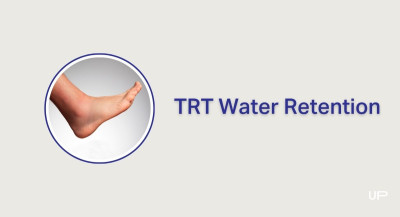
Fluid retention
- TRT can cause mild fluid retention, especially early in treatment
- This may increase blood pressure in some individuals
- Usually stabilizes as hormone levels balance
Hematocrit increase
- TRT can raise red blood cell production (hematocrit)
- Higher hematocrit can make blood thicker
- This may increase cardiovascular strain if not monitored
Vascular effects
- Testosterone influences blood vessel function
- Effects can vary:
- Some men may see improved vascular function
- Others may experience slight increases in blood pressure
Because these effects differ between individuals, regular monitoring is essential to ensure TRT remains safe and well-tolerated.
Common Blood Pressure Medications and TRT
Most blood pressure medications can be used alongside TRT, but how they interact depends on your overall health, blood pressure control, and how your body responds to treatment.
ACE inhibitors
- Commonly used for high blood pressure and heart protection
- Generally compatible with TRT
- May help offset small increases in blood pressure in some cases
Beta blockers
- Used to reduce heart rate and blood pressure
- Typically safe with TRT
- Important to monitor energy levels, as both can influence fatigue
Diuretics
- Help remove excess fluid from the body
- Relevant because TRT can cause mild fluid retention
- Electrolytes and hydration should be monitored
Calcium channel blockers
- Help relax blood vessels and improve blood flow
- Commonly used in long-term blood pressure management
- No direct interaction with TRT, but blood pressure should still be tracked
The focus should always be on:
- blood pressure stability
- cardiovascular risk
- consistent follow-up
These factors matter more than the specific medication when determining whether TRT is appropriate.
Is TRT Safe If You Have High Blood Pressure?
Yes, TRT can be safe if you have high blood pressure, but only if your blood pressure is well controlled and you are properly monitored.
The key factor is not simply having hypertension, but whether it is stable and managed before starting testosterone therapy.
Controlled vs uncontrolled blood pressure
- Controlled blood pressure:
- TRT is often considered safe with monitoring
- Ongoing tracking helps ensure levels remain stable
- Uncontrolled blood pressure:
- TRT may increase cardiovascular risk
- Treatment is usually delayed until blood pressure is managed
Risk stratification
Not all patients carry the same level of risk.
- Lower risk:
- Well-managed blood pressure
- No major cardiovascular disease
- Higher risk:
- History of heart disease
- Elevated hematocrit
- Poorly controlled hypertension
In practice, TRT safety depends on your overall cardiovascular profile, not just your diagnosis.
When TRT May Not Be Recommended
TRT is not always appropriate, especially when certain risk factors are present that may increase the chance of complications.
Uncontrolled hypertension
- Persistently high blood pressure that is not well managed
- TRT may further increase cardiovascular strain
- Blood pressure should be stabilized before starting treatment
Cardiovascular disease risk
- History of heart disease, stroke, or vascular conditions
- Higher baseline risk may require more cautious evaluation
- In some cases, TRT may be delayed or avoided
High hematocrit
- Elevated red blood cell levels before starting TRT
- TRT can increase hematocrit further
- May raise the risk of blood thickening and related complications
TRT may still be considered in some cases, but only after careful evaluation and with appropriate monitoring in place.
What Needs to Be Monitored
If you are taking blood pressure medication and starting TRT, regular monitoring is essential to ensure safety and adjust treatment as needed.
Blood pressure
- Should be checked regularly, especially after starting TRT
- Helps detect any increases or fluctuations early
- Medication adjustments may be needed in some cases
Hematocrit
- TRT can increase red blood cell levels
- Elevated hematocrit may increase cardiovascular risk
- Routine blood tests help keep levels within a safe range
Symptoms
- Watch for changes such as:
- Headaches
- Shortness of breath
- Swelling or fluid retention
- These may indicate changes in blood pressure or circulation
Monitoring these factors helps ensure TRT remains safe and allows for timely adjustments based on your response to treatment.
Can TRT Improve or Worsen Blood Pressure?
TRT can either improve or worsen blood pressure depending on the individual, their baseline health, and how treatment is managed.
In some men, testosterone therapy may support better metabolic and vascular function, which can have a neutral or even positive effect on blood pressure. In others, especially early in treatment, changes in fluid balance or red blood cell levels may lead to increases.
When TRT may improve blood pressure
- Low testosterone is linked to metabolic issues that affect cardiovascular health
- Some men experience improved energy, body composition, and insulin sensitivity
- These changes may indirectly support better blood pressure control
When TRT may worsen blood pressure
- Fluid retention can temporarily increase blood pressure
- Rising hematocrit may increase cardiovascular strain
- Higher doses or infrequent injections may lead to fluctuations
Overall, TRT does not have a fixed effect on blood pressure—it varies based on how your body responds and how well treatment is monitored.
What to Do If You’re on Blood Pressure Medication
If you are taking blood pressure medication and considering TRT, the next steps should focus on safety, coordination, and ongoing monitoring.
Talk to your provider
- Discuss your current medications and blood pressure control
- Review your cardiovascular history and risk factors
- Confirm whether your blood pressure is stable enough to start TRT
Treatment adjustments
- Medication doses may need to be adjusted over time
- TRT dosing or frequency may be modified to improve stability
- Changes are based on how your body responds, not a fixed plan
Ongoing monitoring
- Regular blood pressure checks
- Periodic blood tests (including hematocrit)
- Tracking symptoms and overall response
These steps help ensure TRT is introduced safely and managed based on your individual response rather than a one-size-fits-all approach.
FAQ
Yes, in many cases you can, as long as your blood pressure is well controlled and you are monitored regularly.
It can in some individuals, especially early in treatment, but effects vary depending on dose, response, and overall health.
TRT may be safe if your hypertension is controlled, but it should be carefully evaluated and monitored.
In some cases, improvements in body composition and metabolism may support better blood pressure control, but this is not guaranteed.
Blood pressure, hematocrit, and symptoms should be monitored regularly to ensure safety.
No. Medications should only be adjusted by a healthcare provider based on your response and monitoring results.
Conclusion
Testosterone replacement therapy can often be used alongside blood pressure medication, but safety depends on how well your blood pressure is controlled and how closely you are monitored.
While TRT may have varying effects on blood pressure, the most important factors are stability, proper dosing, and regular follow-up.
With the right evaluation and monitoring, many men can safely use TRT while managing hypertension, making individualized care the key to long-term safety and effectiveness.
References
UPGUYS has strict sourcing guidelines to ensure our content is accurate and current. We rely on peer-reviewed studies, academic research institutions, and medical associations. We strive to use primary sources and refrain from using tertiary references.- Testosterone Therapy for Hypogonadism Guideline Resources, Endocrine Society,
https://www.endocrine.org/clinical-practice-guidelines/testosterone-therapy - Evaluation and Management of Testosterone Deficiency (2024), AUA,
https://www.auanet.org/guidelines-and-quality/guidelines/testosterone-deficiency-guideline - An Individualized Approach to Managing Testosterone Therapy in the Primary Care Setting, PubMed,
https://pmc.ncbi.nlm.nih.gov/articles/PMC9552794/
This article is written for informational purposes only and does not constitute medical advice. The information provided in the articles cannot and should not replace advice from a healthcare professional. Talk to your healthcare provider about any physical or mental health concerns or the risks and benefits of any treatment or medication.





UPRX Pharmacy (West) Licenced by:
College of Pharmacists of British Columbia
Licence Number: 38287
1221543 B.C. LTD
224 – 3989 Henning Dr.
Burnaby BC, V5C 6P8 Canada
P: 604-291-1094 F: 604-291-0827
Pharmacy Manager: Mehrdad Rezaei
UPRX Pharmacy (East)
Accredited by:
Ontario College of Pharmacists
Accreditation Number: 309322
1000286128 Ontario Inc.
105 - 91 Skyway Ave
Etobicoke, ON M9W 6R5 Canada
P: 416-679-1774 F: 416-679-1808
Designated Manager: Todd Spetter