TRT And Cholesterol: Effects On LDL, HDL And Triglycerides
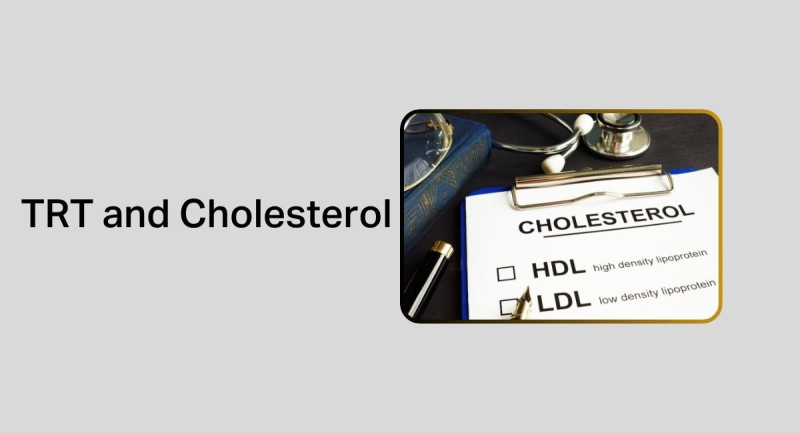

TRT can affect cholesterol levels, but it does not produce the same lipid changes in every man. Research generally suggests that the effects are modest and may vary according to baseline health, testosterone dose, treatment duration and the population being studied.
For men receiving testosterone replacement therapy (TRT) in Canada, cholesterol monitoring may include LDL, HDL and triglycerides because each marker can respond differently. Some studies report small reductions in total cholesterol or LDL, while HDL may remain stable or decrease modestly. Triglyceride changes are also inconsistent and may be influenced by weight, diet, diabetes and insulin resistance.
TRT should not be prescribed specifically to lower cholesterol. Its purpose is to treat confirmed testosterone deficiency when clinically appropriate.
Any cholesterol change should be interpreted as part of the person’s overall cardiovascular risk, including age, blood pressure, smoking, blood sugar, weight, medical history and previous lipid results.
Topics covered in this article:
- What Is a Cholesterol Test?
- Does TRT Raise Cholesterol?
- How Does TRT Affect LDL Cholesterol?
- Does TRT Lower HDL Cholesterol?
- What Happens to Triglycerides on TRT?
- Why Do Cholesterol Results Differ Between Men?
- Can Low Testosterone Affect Cholesterol?
- Can You Start TRT With High Cholesterol?
- Should Cholesterol Be Tested Before TRT?
- How Often Should Cholesterol Be Checked on TRT?
- What if Your Cholesterol Changes After Starting TRT?
- Can TRT Increase Cardiovascular Risk Through Cholesterol?
- Can You Take Cholesterol Medication With TRT?
- Can Lifestyle Changes Improve Cholesterol on TRT?
- When Should You Speak to a Healthcare Provider?
- Key Takeaways
- FAQ
- References
What Is a Cholesterol Test?
A cholesterol test, also called a lipid panel, is a blood test that measures several types of fats in the bloodstream. It usually includes total cholesterol, LDL cholesterol, HDL cholesterol and triglycerides.
- Total cholesterol reflects the combined amount of cholesterol in the blood.
- LDL cholesterol carries cholesterol to tissues and is commonly associated with plaque buildup when levels are high.
- HDL cholesterol helps transport cholesterol away from the bloodstream for processing and removal.
- Triglycerides are another type of blood fat influenced by factors such as diet, weight, alcohol intake, diabetes and physical activity.
Each value provides different information, so one number should not be interpreted on its own. For example, a person may have a normal total cholesterol level but still have elevated LDL or triglycerides.
Cardiovascular risk depends on the full picture, including age, blood pressure, smoking, diabetes, family history, kidney health and previous cardiovascular disease. A lipid panel is therefore one part of a broader risk assessment, not a stand-alone diagnosis.
Does TRT Raise Cholesterol?
Not necessarily. TRT does not consistently raise cholesterol, and research shows that its effects on lipid levels vary between men.
Some studies have reported small reductions in total cholesterol and LDL after testosterone treatment, while others have found little or no meaningful change. HDL and triglycerides may also respond differently, which is why the overall lipid panel matters more than one isolated value.
Differences in study findings may be influenced by:
- the TRT formulation used
- testosterone dose and blood levels
- treatment duration
- baseline cholesterol and metabolic health
- body weight and insulin resistance
- age and other medical conditions
- lifestyle changes made during treatment
TRT should therefore not be expected to reliably improve or worsen cholesterol in every man. The most accurate approach is to compare follow-up lipid results with baseline levels and interpret any changes in the context of overall cardiovascular risk.
How Does TRT Affect LDL Cholesterol?
TRT may lower LDL cholesterol in some men, have little effect in others or occasionally be followed by an increase. The response is not predictable enough to assume TRT will improve LDL.
LDL, often called “bad” cholesterol, carries cholesterol through the bloodstream. When LDL remains elevated, cholesterol can build up in artery walls and contribute to plaque formation, increasing cardiovascular risk over time.
Research on testosterone therapy has shown mixed results. Some studies report modest LDL reductions, while others find no meaningful change. Differences in dose, formulation, treatment duration, baseline health and weight or metabolic changes may help explain these variations.
For that reason, LDL should be checked and compared with baseline results when clinically appropriate. TRT should not replace established cholesterol management, and any significant increase should be assessed as part of the person’s overall cardiovascular risk.
Does TRT Lower HDL Cholesterol?
TRT can lower HDL cholesterol modestly in some men, although the effect is not consistent across all studies or treatment approaches.
HDL helps transport cholesterol away from tissues and back to the liver for processing. It is often called “good” cholesterol because higher levels are generally associated with lower cardiovascular risk.
Some studies of testosterone therapy have reported a small reduction in HDL, particularly with higher testosterone exposure or certain formulations. Other studies have found little or no meaningful change.
The effect may depend on factors such as:
- TRT dose
- treatment formulation
- testosterone levels reached
- treatment duration
- baseline metabolic health
- weight and lifestyle changes
A lower HDL result should not be interpreted on its own. LDL, triglycerides, blood pressure, blood sugar, smoking status and overall cardiovascular history all matter when assessing risk.
What Happens to Triglycerides on TRT?
TRT may lower triglycerides in some men, but the effect is not consistent and may be influenced more strongly by metabolic health and lifestyle factors.
Triglycerides are a type of fat found in the blood. The body uses them for energy, but persistently elevated levels can contribute to cardiovascular risk, especially when combined with high LDL, low HDL, diabetes or other metabolic concerns.
Triglyceride levels are strongly influenced by:
- diet, particularly excess sugar and refined carbohydrates
- alcohol intake
- body weight and waist circumference
- physical activity
- insulin resistance
- type 2 diabetes
- genetics and certain medications
Some studies of men with testosterone deficiency have reported reductions in triglycerides after TRT, particularly when treatment is accompanied by improvements in body composition or insulin sensitivity. Other studies have found little or no meaningful change.
Because many factors can affect triglycerides, a change after starting TRT should not automatically be attributed to testosterone. Healthcare providers may also review recent weight changes, diet, alcohol intake, blood sugar control and other medications when interpreting the result.
Why Do Cholesterol Results Differ Between Men?
Cholesterol results differ between men because TRT is only one of many factors that can influence LDL, HDL and triglycerides. Baseline health, genetics, lifestyle and other treatments may have an equal or greater effect.
Important factors include:
- Baseline cholesterol levels: Men who begin TRT with abnormal lipid levels may respond differently from those whose results are already within the recommended range.
- Age and genetics: Age-related metabolic changes and inherited cholesterol conditions can influence how the body processes fats.
- Body weight and waist circumference: Excess abdominal fat is strongly associated with insulin resistance, higher triglycerides and less favourable cholesterol patterns.
- Diet and physical activity: Food choices, alcohol intake and exercise can meaningfully affect LDL, HDL and triglycerides.
- Diabetes and insulin resistance: Poor blood sugar control commonly contributes to elevated triglycerides and low HDL.
- Thyroid, liver or kidney conditions: These conditions can alter cholesterol production, processing or removal.
- TRT dose, formulation and duration: Different testosterone exposures and treatment methods may affect lipid levels differently.
- Other medications: Cholesterol medication, diabetes treatments, corticosteroids and other drugs may influence lipid results.
Because so many variables are involved, a cholesterol change after starting TRT should not automatically be attributed to testosterone. Healthcare providers usually compare the full lipid panel with baseline results and review any changes in weight, health, lifestyle or medication at the same time.
Can Low Testosterone Affect Cholesterol?
Low testosterone is often associated with less favourable cholesterol patterns, obesity, insulin resistance and metabolic syndrome, but this does not prove that low testosterone directly causes high cholesterol.
Men with testosterone deficiency may be more likely to have:
- excess abdominal fat
- reduced insulin sensitivity
- higher triglycerides
- lower HDL cholesterol
- type 2 diabetes
- other features of metabolic syndrome
These conditions can influence one another. For example, obesity and insulin resistance may contribute to lower testosterone, while low testosterone may also be linked with changes in body composition and metabolic health.
Treating confirmed testosterone deficiency may improve some metabolic markers in certain men, but TRT should not be used as a substitute for cholesterol treatment. High LDL or triglycerides may still require lifestyle changes, cardiovascular risk assessment and medication when clinically appropriate.
The safest approach is to manage testosterone deficiency and abnormal cholesterol as related but separate health concerns.
Can You Start TRT With High Cholesterol?
Often, yes. High cholesterol does not automatically make someone ineligible for TRT. However, the decision should be based on overall cardiovascular health, not cholesterol alone.
Before starting treatment, a healthcare provider may review:
- LDL, HDL and triglyceride levels
- blood pressure
- diabetes or insulin resistance
- smoking status
- body weight and waist circumference
- personal or family history of heart disease
- previous heart attack, stroke or other cardiovascular conditions
A man with elevated cholesterol but otherwise stable health may still be considered for TRT when testosterone deficiency is properly confirmed. At the same time, high cholesterol should continue to be managed with appropriate lifestyle measures, monitoring and medication when prescribed.
Uncontrolled or complex cardiovascular concerns require a more individualized assessment. TRT should not be started with the expectation that it will lower cholesterol or reduce cardiovascular risk.
Should Cholesterol Be Tested Before TRT?
A cholesterol test may be appropriate before starting TRT, especially for men with cardiovascular risk factors, diabetes, obesity or a history of abnormal lipid levels.
A baseline lipid panel can help healthcare providers:
- identify untreated high LDL or triglycerides
- assess overall cardiovascular risk
- review metabolic health and diabetes risk
- compare future results after TRT begins
Testing decisions depend on factors such as age, medical history, medications and local clinical guidance. Not every man will need the same set of tests or the same monitoring schedule.
A lipid panel is also different from the core blood tests used to diagnose testosterone deficiency. Low testosterone is typically confirmed with appropriately timed testosterone testing and clinical assessment, while cholesterol testing evaluates cardiovascular and metabolic risk.
For that reason, cholesterol results can help guide the overall safety assessment, but they do not diagnose low testosterone or determine TRT eligibility on their own.
How Often Should Cholesterol Be Checked on TRT?
Cholesterol may be checked before starting TRT, again after treatment begins or changes significantly, and periodically during ongoing care based on cardiovascular risk.
A baseline lipid panel gives healthcare providers a reference point for comparing future LDL, HDL and triglyceride results.
Follow-up testing may be appropriate after starting TRT or making a meaningful dose or treatment change, especially when cholesterol was already abnormal or other metabolic risks are present.
Ongoing monitoring may be more frequent for men with:
- high LDL or triglycerides
- diabetes or insulin resistance
- obesity
- smoking history
- cardiovascular disease
- changes to cholesterol medication
- significant weight or lifestyle changes
There is no single testing schedule that is right for everyone. The timing should be individualized based on age, previous results, overall cardiovascular risk and the treatment plan.
What if Your Cholesterol Changes After Starting TRT?
If your cholesterol changes after starting TRT, the result should be compared with your baseline and reviewed alongside other possible causes. A change in LDL, HDL or triglycerides should not automatically be blamed on testosterone.
A healthcare provider may review:
- how much the result changed from baseline
- recent changes in diet or alcohol intake
- weight gain or weight loss
- physical activity levels
- diabetes or blood sugar control
- thyroid, liver or kidney health
- changes in other medications
- TRT dose, formulation and testosterone level
Because cholesterol can vary over time, repeat testing may be appropriate when a result is unexpected or significantly different from previous values.
The next step depends on the full cardiovascular picture. Management may involve monitoring, lifestyle changes, reviewing other health conditions or adjusting cholesterol treatment. Men should not stop or change TRT independently based on one lipid result.
Can TRT Increase Cardiovascular Risk Through Cholesterol?
TRT-related cholesterol changes do not automatically mean a man’s risk of heart attack or stroke has increased. Cholesterol is only one part of overall cardiovascular risk.
Healthcare providers also consider:
- LDL and triglyceride levels
- blood pressure
- blood sugar and diabetes
- smoking
- age
- body weight
- kidney health
- personal and family cardiovascular history
A small change in HDL, LDL or triglycerides may not have a major clinical effect by itself. The meaning depends on the size and persistence of the change, the starting values and whether other cardiovascular risk factors are present.
Research does not support describing TRT as universally protective or harmful to cardiovascular health. Its effects can differ based on the individual, the presence of confirmed testosterone deficiency and how treatment is prescribed and monitored.
For this reason, cardiovascular risk should be assessed individually. Cholesterol results should be interpreted alongside the full health profile rather than used alone to decide whether TRT is safe or appropriate.
Can You Take Cholesterol Medication With TRT?
Yes. Many men can take cholesterol medication and TRT at the same time when both treatments are clinically appropriate.
The two treatments address different health concerns. Cholesterol medication is used to lower cardiovascular risk and improve lipid levels, while TRT is used to treat confirmed testosterone deficiency.
A healthcare provider should review the full medication list before or during treatment because other prescriptions, supplements and medical conditions may affect monitoring or treatment decisions.
Do not stop, reduce or change cholesterol medication independently after starting TRT. Improvements in testosterone symptoms or body composition do not necessarily mean cholesterol treatment is no longer needed.
Monitoring may include:
- LDL, HDL and triglyceride levels
- muscle pain, weakness or other new symptoms
- liver-related bloodwork when clinically indicated
- testosterone levels and routine TRT monitoring
- overall cardiovascular risk
Treatment should be adjusted based on bloodwork, symptoms and medical history rather than assumptions about how TRT and cholesterol medication interact.
Can Lifestyle Changes Improve Cholesterol on TRT?
Yes. Lifestyle changes can improve cholesterol levels during TRT, especially when high LDL, low HDL or elevated triglycerides are linked to weight, diet, smoking or metabolic health.
Helpful steps may include:
- following a heart-healthy eating pattern
- getting regular physical activity
- working toward a healthy weight and waist circumference
- reducing or stopping smoking
- moderating alcohol intake
- improving sleep
- managing diabetes and blood sugar levels
These changes may have a stronger effect on cholesterol than TRT itself. They can also support blood pressure, insulin sensitivity and overall cardiovascular health.
Lifestyle measures should complement, not replace, prescribed treatment. Men taking cholesterol medication or receiving TRT should not change either treatment without speaking to a healthcare provider.
When Should You Speak to a Healthcare Provider?
Speak to a healthcare provider if your LDL or triglycerides rise significantly, your lipid results remain abnormal, or you develop new cardiovascular or medication-related symptoms.
You should seek medical advice for:
- a substantial increase in LDL cholesterol
- persistently elevated triglycerides
- very low HDL alongside other cardiovascular risk factors
- repeatedly abnormal cholesterol results
- chest pain, unusual shortness of breath or other concerning cardiovascular symptoms
- new muscle pain, weakness or cramping after starting cholesterol medication
These findings do not automatically mean TRT is the cause, but they should be assessed in the context of your baseline results, overall cardiovascular risk and full medication list.
Do not adjust or stop TRT, cholesterol medication or any other prescribed treatment independently. A healthcare provider can determine whether repeat testing, lifestyle changes, medication review or other follow-up is appropriate.
Key Takeaways
- TRT does not affect cholesterol the same way in every man.
- LDL and triglycerides may decrease or remain stable, while HDL may fall modestly in some cases.
- TRT is not a treatment for high cholesterol.
- Baseline health, genetics, weight, diet, diabetes and other medications can strongly influence lipid results.
- Cholesterol should be monitored as part of overall cardiovascular health, not interpreted in isolation.
FAQ
Not necessarily. Research shows mixed results, with some men experiencing little change and others seeing modest shifts in LDL, HDL or triglycerides.
It can in some men, although LDL may also decrease or remain stable. The effect varies based on treatment, baseline health and other factors.
TRT may modestly lower HDL in some men, particularly with higher testosterone exposure or certain formulations. Many men experience little or no meaningful change.
It may reduce triglycerides in some men, especially when treatment is accompanied by improvements in weight, insulin sensitivity or metabolic health. Results are not consistent for everyone.
Low testosterone is associated with obesity, insulin resistance and less favourable lipid patterns, but this does not prove it directly causes high cholesterol.
Often, yes. High cholesterol does not automatically make someone ineligible, but overall cardiovascular risk should be assessed and managed.
A baseline lipid panel may be appropriate, especially for men with cardiovascular risk factors, diabetes, obesity or a history of abnormal cholesterol.
Testing frequency is individualized. It may include baseline testing, follow-up after treatment starts or changes, and ongoing monitoring based on cardiovascular risk.
TRT may improve some metabolic markers in men with confirmed testosterone deficiency, but it should not be used specifically to treat cholesterol, diabetes or metabolic syndrome.
Yes. Many men can receive both treatments when clinically appropriate because they address different health concerns.
Not automatically. The result should be compared with baseline values and assessed alongside other possible causes. Do not change TRT without medical guidance.
TRT cannot be described as universally harmful or protective. Cardiovascular risk depends on the individual, including cholesterol, blood pressure, diabetes, smoking, age and medical history.
References
UPGUYS has strict sourcing guidelines to ensure our content is accurate and current. We rely on peer-reviewed studies, academic research institutions, and medical associations. We strive to use primary sources and refrain from using tertiary references.- Cardiovascular Effects of Testosterone Replacement Therapy in Hypogonadal Men: A Systematic Review of Lipid Profiles, Inflammatory Markers, and Vascular Function, PubMed,
https://pubmed.ncbi.nlm.nih.gov/41552178/ - The Effect of Testosterone on Cardiovascular Biomarkers in the Testosterone Trials, JCEM,
https://academic.oup.com/jcem/article/103/2/681/4743130 - An update on testosterone, HDL and cardiovascular risk in men, PubMed,
https://pmc.ncbi.nlm.nih.gov/articles/PMC4527564/ - Effects of testosterone supplementation therapy on lipid metabolism in hypogonadal men with T2DM: a meta-analysis of randomized controlled trials, PubMed,
https://pubmed.ncbi.nlm.nih.gov/28950433/
This article is written for informational purposes only and does not constitute medical advice. The information provided in the articles cannot and should not replace advice from a healthcare professional. Talk to your healthcare provider about any physical or mental health concerns or the risks and benefits of any treatment or medication.




UPRX Pharmacy (West) Licenced by:
College of Pharmacists of British Columbia
Licence Number: 38287
1221543 B.C. LTD
224 – 3989 Henning Dr.
Burnaby BC, V5C 6P8 Canada
P: 604-291-1094 F: 604-291-0827
Pharmacy Manager: Mehrdad Rezaei
UPRX Pharmacy (East)
Accredited by:
Ontario College of Pharmacists
Accreditation Number: 309322
1000286128 Ontario Inc.
105 - 91 Skyway Ave
Etobicoke, ON M9W 6R5 Canada
P: 416-679-1774 F: 416-679-1808
Designated Manager: Todd Spetter