TRT And Blood Clots: DVT And Pulmonary Embolism Risk
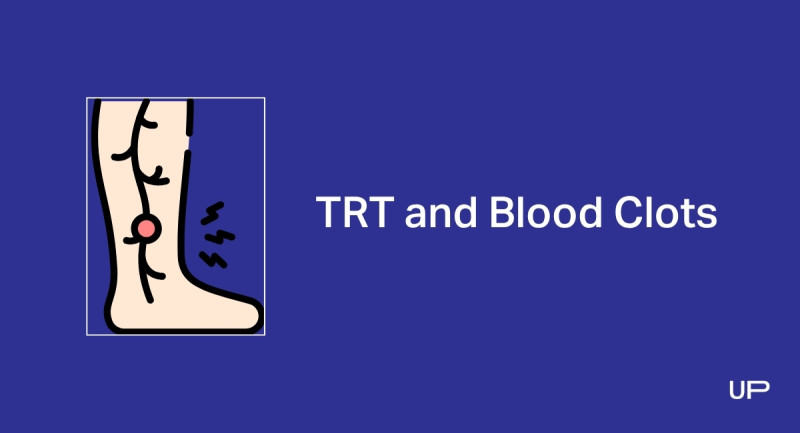

Testosterone replacement therapy (TRT) in Canada can increase red blood cell production in some men, which is one reason blood counts are monitored during treatment. This has led to concern about whether TRT also increases the risk of blood clots.
The relationship is more complicated than saying TRT directly “causes” clots. Deep vein thrombosis (DVT) and pulmonary embolism (PE) are both forms of venous thromboembolism, but an individual man’s risk depends on factors such as medical history, hematocrit, age, mobility, smoking, obesity and other clotting risks.
Because TRT can affect hemoglobin and hematocrit, regular monitoring is an important part of treatment. The goal is to identify significant changes early and consider them alongside the patient’s broader risk profile.
Topics covered in this article:
- Does TRT Increase the Risk of Blood Clots?
- What Are DVT and Pulmonary Embolism?
- Why Can TRT Increase Red Blood Cell Count?
- Is High Hematocrit the Same as a Blood Clot?
- Does High Hematocrit Increase Blood-Clot Risk on TRT?
- How High Is Too High for Hematocrit on TRT?
- Who May Have a Higher Risk of Blood Clots While on TRT?
- What If You Have Had a Blood Clot Before TRT?
- Should Men Be Tested for Clotting Disorders Before TRT?
- When Is Blood-Clot Risk Highest After Starting TRT?
- What Are the Warning Signs of DVT?
- What Are the Warning Signs of Pulmonary Embolism?
- When Should You Seek Emergency Care?
- How Is Blood-Clot Risk Monitored During TRT?
- Can Changing the TRT Dose or Route Help With High Hematocrit?
- Does TRT Need to Be Stopped If Hematocrit Rises?
- Can Dehydration Cause a High Hematocrit Result?
- How Can Men Reduce Blood-Clot Risk While on TRT?
- When Should You Speak to a Healthcare Provider?
- Key Takeaways
- FAQ
- References
Does TRT Increase the Risk of Blood Clots?
TRT may affect blood-clot risk in some men, but the relationship is not as simple as saying testosterone directly causes blood clots.
Research on venous thromboembolism risk with testosterone therapy has been mixed. Some studies have raised concern about an increased risk in certain groups or during particular periods of treatment, while others have not found a clear overall increase.
One reason for concern is that testosterone can stimulate red blood cell production. In some men, this can increase hemoglobin and hematocrit and lead to erythrocytosis, meaning an abnormally high concentration of red blood cells.
A higher hematocrit can make blood more viscous, but hematocrit is only one part of clotting risk. DVT and pulmonary embolism can also be influenced by:
- Previous blood clots
- Known clotting disorders
- Older age
- Obesity
- Smoking
- Prolonged immobility
- Recent surgery
- Active cancer
- Other medical conditions and medications
This is why blood-clot risk should be assessed individually rather than assuming that every man on TRT has the same level of risk.
What Are DVT and Pulmonary Embolism?
DVT and pulmonary embolism are two forms of venous thromboembolism.
A deep vein thrombosis (DVT) is a blood clot that forms in a deep vein, most often in the leg.
A pulmonary embolism (PE) can occur if part of that clot breaks away, travels through the bloodstream and blocks an artery in the lungs.
Pulmonary embolism can be serious because it can interfere with blood flow through the lungs and reduce oxygen delivery. Symptoms such as sudden shortness of breath, chest pain, coughing blood or fainting require urgent medical assessment.
Why Can TRT Increase Red Blood Cell Count?
Testosterone can stimulate erythropoiesis, the process the body uses to produce red blood cells.
As red blood cell production increases, hemoglobin and hematocrit can also rise. Hemoglobin is the oxygen-carrying protein in red blood cells, while hematocrit reflects the proportion of blood made up of red blood cells.
When hematocrit becomes abnormally elevated, this is often referred to as erythrocytosis.
The likelihood of developing erythrocytosis can vary between individuals and may also differ depending on the TRT regimen being used. Some treatment patterns may produce larger changes in hematocrit than others.
Not every man on TRT develops a high red blood cell count. This is why baseline and follow-up blood testing are important: they help identify men whose hematocrit is rising enough to require closer assessment or a change in treatment.
Is High Hematocrit the Same as a Blood Clot?
No. High hematocrit and a blood clot are not the same thing.
Hematocrit is the percentage of blood made up of red blood cells. When hematocrit rises, blood can become more concentrated and viscous.
That is why hematocrit is monitored during TRT. It can be an important safety marker and may contribute to concern about clotting risk when it becomes significantly elevated.
However, a high hematocrit result does not mean that a DVT or pulmonary embolism is already present.
A blood clot is a separate clinical event that usually involves symptoms, imaging or other diagnostic evaluation. Hematocrit is one factor that may influence risk, not a diagnosis of thrombosis.
For more detail on causes, thresholds and management, read High Hematocrit on TRT: What Men Should Know.
Does High Hematocrit Increase Blood-Clot Risk on TRT?
A high hematocrit may contribute to blood-clot risk because increased red blood cell concentration can raise blood viscosity, but clotting risk is not determined by hematocrit alone.
This is one reason major TRT guidance recommends monitoring hematocrit before and during treatment.
When hematocrit rises substantially, practitioners may become more concerned about blood viscosity and the possibility of cardiovascular or thromboembolic complications.
However, venous thromboembolism is multifactorial. Other factors may be equally or more important, including:
- Previous DVT or pulmonary embolism
- Known clotting disorders
- Older age
- Obesity
- Smoking
- Recent surgery
- Prolonged immobility
- Active cancer
- Other cardiovascular or medical conditions
For this reason, erythrocytosis should not be presented as the sole explanation for blood clots in men using TRT.
How High Is Too High for Hematocrit on TRT?
Practitioners use hematocrit thresholds to decide when TRT may need closer review or adjustment.
A complete blood count is typically checked before treatment and again during follow-up so changes in hemoglobin and hematocrit can be tracked over time.
If hematocrit rises above the range considered acceptable for TRT, the next step may include:
- Repeating the blood test
- Reviewing the TRT dose
- Reviewing the dosing interval or route
- Looking for other causes of erythrocytosis
- Temporarily adjusting or interrupting treatment when appropriate
The exact action depends on the degree of elevation, the patient’s symptoms and the rest of the clinical picture.
For a more detailed discussion of thresholds and management, see High Hematocrit on TRT: What Men Should Know.
Who May Have a Higher Risk of Blood Clots While on TRT?
Blood-clot risk may be higher in men who have multiple venous thromboembolism risk factors in addition to TRT.
Factors that may increase risk include:
- Previous DVT or pulmonary embolism
- Known clotting disorder or thrombophilia
- Older age
- Obesity
- Smoking
- Prolonged immobility
- Recent major surgery
- Active cancer
- Elevated hematocrit
- Certain other medical conditions or medications
These factors can be cumulative. A man with several risk factors may need a more careful assessment than someone with none.
This does not mean that any one factor automatically makes TRT inappropriate. The decision should be based on the overall risk profile, treatment need and ongoing monitoring.
What If You Have Had a Blood Clot Before TRT?
A previous DVT or pulmonary embolism does not automatically answer whether TRT is appropriate, but it requires careful medical assessment.
A healthcare practitioner should review the circumstances around the previous clot, including whether it was provoked by a temporary factor such as surgery or prolonged immobility, or whether it occurred without a clear trigger.
The risk of recurrence can vary depending on:
- The cause of the previous clot
- Whether there have been multiple clotting events
- Whether a clotting disorder is known or suspected
- Current medications
- Other cardiovascular or venous thromboembolism risk factors
- Current hematocrit and other laboratory findings
Men who are taking anticoagulant medication or who have a more complex clotting history may also need additional review before TRT is started or restarted.
In some cases, input from another healthcare professional or specialist may be appropriate.
TRT should not be self-started or restarted after a previous blood clot without medical guidance.
Should Men Be Tested for Clotting Disorders Before TRT?
Routine clotting-disorder testing is not necessarily required for every man starting TRT.
Whether additional testing is appropriate depends on the individual history.
A practitioner may be more likely to consider further evaluation when there is:
- A personal history of DVT or pulmonary embolism
- Recurrent blood clots
- A clot that occurred without an obvious trigger
- A strong family history of venous thromboembolism
- Other features that raise concern about an inherited or acquired clotting disorder
Blanket thrombophilia screening for every man considering TRT is not generally the goal. Testing should be guided by the clinical history and the likelihood that the results would change management.
When Is Blood-Clot Risk Highest After Starting TRT?
There is no single time window in which every man is known to have the highest blood-clot risk after starting TRT.
Some studies have raised concern about risk earlier in treatment, but the evidence is not consistent enough to define one universal high-risk period for all patients.
Hematocrit also does not usually rise immediately. Changes in red blood cell production develop over time, which is one reason follow-up blood testing is important after treatment begins and after meaningful dose or regimen changes.
Individual risk depends on factors such as:
- Baseline hematocrit
- Previous DVT or pulmonary embolism
- Clotting disorders
- Age
- Smoking
- Obesity
- Recent surgery
- Prolonged immobility
- Other medical conditions
The practical point is that monitoring should begin early and continue throughout treatment rather than focusing on one specific period after TRT is started.
What Are the Warning Signs of DVT?
A DVT may cause new symptoms in one leg, although some clots can produce few or subtle symptoms.
Possible warning signs include:
- Swelling in one leg
- Pain or tenderness, often in the calf or thigh
- Warmth in the affected area
- Redness or other skin discolouration
- A feeling of heaviness or tightness in the leg
These symptoms are not specific to DVT and can occur for other reasons, but new one-sided leg swelling or pain should be medically assessed, particularly in someone with blood-clot risk factors.
What Are the Warning Signs of Pulmonary Embolism?
Pulmonary embolism can cause sudden and potentially serious symptoms that require urgent medical attention.
Possible warning signs include:
- Sudden shortness of breath
- Chest pain, especially if it worsens with breathing
- Rapid heart rate
- Coughing up blood
- Light-headedness
- Fainting or collapse
Pulmonary embolism can become life-threatening if blood flow through the lungs is significantly blocked.
Anyone with symptoms that could suggest a pulmonary embolism should seek urgent medical assessment rather than waiting to see whether the symptoms improve.
When Should You Seek Emergency Care?
Possible symptoms of pulmonary embolism or a serious blood clot require urgent medical assessment.
Seek emergency care if you develop:
- Sudden or severe difficulty breathing
- New chest pain
- Coughing up blood
- Fainting or collapse
- Severe light-headedness
- Significant one-sided leg swelling together with shortness of breath or chest symptoms
These symptoms should not be managed through routine TRT follow-up or delayed until the next scheduled appointment.
If a pulmonary embolism or other serious blood clot is suspected, call emergency services or go to the nearest emergency department.
How Is Blood-Clot Risk Monitored During TRT?
Blood-clot risk during TRT is monitored by combining laboratory testing with assessment of symptoms, medical history and other risk factors.
Monitoring may include:
- A baseline complete blood count
- Hemoglobin
- Hematocrit
- Follow-up blood testing during treatment
- Blood pressure
- Cardiovascular risk assessment
- Review of previous DVT or pulmonary embolism
- Review of family or personal clotting history
- New symptoms that could suggest DVT or PE
- Other individual risk factors such as smoking, obesity, immobility or recent surgery
Hematocrit monitoring is particularly important because TRT can increase red blood cell production in some men.
However, laboratory results should not be interpreted in isolation. A normal hematocrit does not eliminate all blood-clot risk, and an elevated hematocrit does not mean a clot is already present.
Monitoring is most useful when blood-test results are considered together with the patient's symptoms, treatment regimen and overall venous thromboembolism risk profile.
Can Changing the TRT Dose or Route Help With High Hematocrit?
Sometimes. Adjusting the TRT dose, dosing schedule or route may help reduce a rising hematocrit, but changes should be directed by a healthcare practitioner.
Some TRT regimens may be more likely than others to produce larger swings in testosterone levels or stronger stimulation of red blood cell production. For that reason, a practitioner may consider changing the dose, frequency or route if hematocrit becomes a recurring concern.
Possible adjustments may include:
- Reducing the dose
- Changing the dosing interval
- Switching to a different TRT route
- Repeating blood work after the change
- Looking for other causes of erythrocytosis
No TRT route eliminates blood-clot risk, and patients should not change their dose or switch formulations on their own.
For more detail on thresholds, causes and management, read High Hematocrit on TRT: What Men Should Know.
Does TRT Need to Be Stopped If Hematocrit Rises?
Not always, but a significant rise requires medical review.
The appropriate response depends on how high the hematocrit is, whether the result is persistent and whether the patient has symptoms or other risk factors.
A practitioner may:
- Repeat the blood test to confirm the result
- Review the TRT dose and regimen
- Consider whether dehydration or another condition contributed
- Look for other causes of erythrocytosis
- Adjust the treatment plan
- Temporarily interrupt TRT if clinically appropriate
The goal is not to react to every small change the same way, but to identify clinically meaningful elevations and manage them appropriately.
Patients should not stop or restart TRT on their own based on a single hematocrit result.
Can Dehydration Cause a High Hematocrit Result?
Yes. Dehydration can sometimes cause a temporary or relative increase in hematocrit because there is less plasma volume in the blood.
This can make the hematocrit appear higher even when the actual red blood cell mass has not increased substantially.
If dehydration is suspected, a practitioner may decide that repeat testing is appropriate before making a major treatment decision.
However, a high hematocrit should not automatically be blamed on dehydration. Persistent elevation, especially during TRT, still requires medical evaluation to determine whether increased red blood cell production or another cause is present.
How Can Men Reduce Blood-Clot Risk While on TRT?
Blood-clot risk can often be reduced by addressing modifiable risk factors and keeping up with appropriate TRT monitoring.
Helpful steps may include:
- Attending scheduled blood tests and follow-up appointments
- Avoiding smoking
- Staying physically active
- Addressing obesity and other modifiable cardiovascular risks
- Following medical advice around surgery or prolonged immobility
- Reporting new symptoms promptly
- Managing other medical conditions that increase clotting risk
- Taking prescribed medications as directed
- Avoiding self-directed changes to TRT dose or schedule
Men with a history of DVT, pulmonary embolism or other major clotting risks may need more individualized monitoring.
The aim is to manage the full risk profile rather than focusing on testosterone or hematocrit alone.
When Should You Speak to a Healthcare Provider?
You should speak to a healthcare provider if you develop a rising hematocrit, have a history of blood clots, or have other factors that may increase your risk of venous thromboembolism.
Medical review is particularly important if you:
- Have a rising or persistently elevated hematocrit
- Have previously had a DVT or pulmonary embolism
- Have a strong family history of blood clots
- Develop new one-sided leg swelling, pain or tenderness
- Are planning major surgery
- Expect a period of prolonged immobility
- Have significant cardiovascular risk factors
- Are unsure whether TRT should be continued or adjusted
New symptoms that could suggest a DVT or pulmonary embolism should not be ignored. Sudden shortness of breath, chest pain, coughing blood, fainting or severe leg swelling with breathing symptoms require urgent medical assessment.
TRT should not be stopped, restarted or adjusted without guidance from a healthcare practitioner.
Key Takeaways
- TRT can increase red blood cell production and raise hematocrit in some men.
- High hematocrit is not the same as having a blood clot.
- DVT and pulmonary embolism are serious forms of venous thromboembolism.
- Blood-clot risk depends on multiple factors, including personal history, hematocrit, age, smoking, obesity, immobility and other medical conditions.
- Men with a previous DVT or pulmonary embolism may need additional assessment before starting or continuing TRT.
- CBC, hemoglobin and hematocrit monitoring are important parts of TRT care.
- Sudden shortness of breath, chest pain, coughing blood or fainting can be warning signs of pulmonary embolism and require emergency medical attention.
FAQ
TRT does not simply or directly “cause” blood clots in every man, but it may affect clotting risk in some individuals.
Risk depends on factors such as hematocrit, previous blood clots, smoking, obesity, immobility and other medical conditions.
Testosterone therapy may influence DVT risk in some men, but the evidence is not straightforward.
Individual risk factors and treatment-related changes such as elevated hematocrit need to be considered together.
Pulmonary embolism has been reported in men using testosterone therapy, but this does not mean TRT is the sole cause.
A pulmonary embolism can result from several interacting risk factors, including previous VTE, immobility, surgery, cancer and clotting disorders.
Testosterone can stimulate erythropoiesis, causing the body to produce more red blood cells.
This can increase hemoglobin and hematocrit and, in some men, lead to erythrocytosis.
No. High hematocrit and a blood clot are different conditions.
Hematocrit measures the proportion of blood made up of red blood cells. A DVT or pulmonary embolism is an actual clot within a blood vessel.
A significantly elevated hematocrit may contribute to concern about clotting because it can increase blood viscosity, but it is not the only factor involved in blood-clot risk.
Other cardiovascular and VTE risk factors also matter.
A significant or persistent rise in hematocrit should be reviewed by a healthcare practitioner.
Practitioners use established thresholds together with symptoms, baseline results and overall medical risk to determine whether TRT should be adjusted or temporarily interrupted.
Risk may be higher in men who already have other VTE risk factors.
These may include a previous DVT or pulmonary embolism, a known clotting disorder, obesity, smoking, older age, prolonged immobility, recent major surgery, active cancer or elevated hematocrit.
Possibly, but a previous DVT requires careful medical assessment before TRT is started or continued.
The cause of the previous clot, recurrence risk, current medications and other risk factors all need to be considered.
A history of pulmonary embolism does not automatically determine whether TRT is appropriate, but it warrants individualized medical review.
Some men may also need specialist input depending on the circumstances surrounding the previous clot.
Routine clotting-disorder testing is not necessarily required for every man before TRT.
Additional testing may be considered when there is a history of recurrent or unexplained blood clots or a strong family history of venous thromboembolism.
Possible signs of DVT include new swelling, pain, tenderness, warmth or discolouration in one leg.
Symptoms can sometimes be mild or absent, so suspicious one-sided leg symptoms should be medically assessed.
Possible symptoms include sudden shortness of breath, chest pain, rapid heart rate, coughing up blood, light-headedness or fainting.
Pulmonary embolism can be life-threatening and requires urgent medical attention.
Seek emergency care for sudden breathing difficulty, chest pain, coughing up blood, fainting or severe leg swelling accompanied by respiratory symptoms.
These symptoms should not wait for a routine TRT appointment.
Hematocrit is generally checked before treatment and periodically during TRT.
The exact timing depends on the treatment regimen, previous results and individual risk factors.
Yes, adjusting the TRT dose or dosing schedule may help lower hematocrit in some men.
Any change should be directed by a healthcare practitioner and followed by repeat blood testing.
Yes, the likelihood and degree of hematocrit elevation can vary between TRT regimens.
Route, dose and dosing pattern may influence red blood cell response, but no TRT method completely eliminates the possibility of elevated hematocrit.
Yes. Dehydration can temporarily increase hematocrit by reducing the amount of plasma in the blood.
However, persistent elevation should not automatically be attributed to dehydration and still requires evaluation.
Hematocrit may decrease after TRT is reduced or stopped, but the response takes time and depends on the underlying cause.
Treatment should not be stopped or restarted without practitioner guidance.
Men can reduce modifiable risk by attending regular monitoring, avoiding smoking, staying active and managing other health conditions that increase clotting risk.
They should also follow medical advice during periods of surgery or immobility, report suspicious symptoms promptly and avoid changing their TRT regimen without medical guidance.
References
UPGUYS has strict sourcing guidelines to ensure our content is accurate and current. We rely on peer-reviewed studies, academic research institutions, and medical associations. We strive to use primary sources and refrain from using tertiary references.- Testosterone Therapy as an Isolated Risk Factor for Venous Thrombosis: A Case Report, PubMed,
https://pmc.ncbi.nlm.nih.gov/articles/PMC11290813/ - High hematocrit as a risk factor for venous thrombosis. Cause or innocent bystander? PubMed,
https://pmc.ncbi.nlm.nih.gov/articles/PMC2817018/ - Testosterone Therapy for Hypogonadism Guideline Resources,
https://www.endocrine.org/clinical-practice-guidelines/testosterone-therapy
This article is written for informational purposes only and does not constitute medical advice. The information provided in the articles cannot and should not replace advice from a healthcare professional. Talk to your healthcare provider about any physical or mental health concerns or the risks and benefits of any treatment or medication.





UPRX Pharmacy (West) Licenced by:
College of Pharmacists of British Columbia
Licence Number: 38287
1221543 B.C. LTD
224 – 3989 Henning Dr.
Burnaby BC, V5C 6P8 Canada
P: 604-291-1094 F: 604-291-0827
Pharmacy Manager: Mehrdad Rezaei
UPRX Pharmacy (East)
Accredited by:
Ontario College of Pharmacists
Accreditation Number: 309322
1000286128 Ontario Inc.
105 - 91 Skyway Ave
Etobicoke, ON M9W 6R5 Canada
P: 416-679-1774 F: 416-679-1808
Designated Manager: Todd Spetter