High Hematocrit On TRT: Causes, Risks, And What To Do
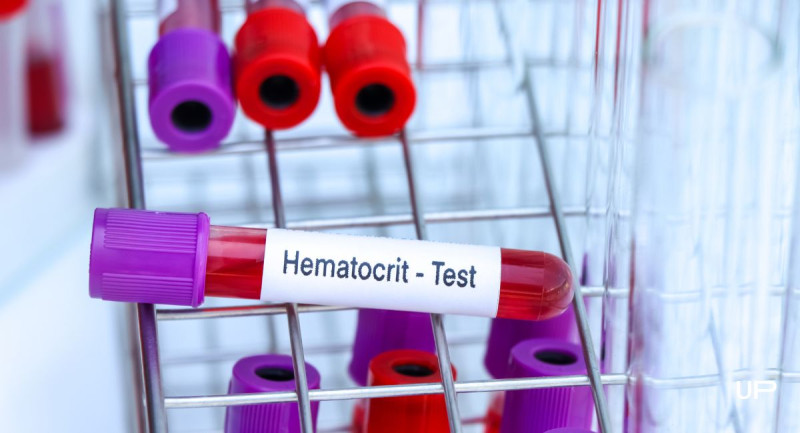

Testosterone replacement therapy (TRT) can increase red blood cell production, which may cause hematocrit levels to rise in some men. This is a known and monitorable effect of treatment, not necessarily a sign that something is wrong.
For men receiving testosterone replacement therapy (TRT) in Canada, regular bloodwork helps healthcare providers track hematocrit and identify increases before they become a concern. Understanding what a high result means can make it easier to know when monitoring is enough and when treatment adjustments may be considered.
Topics covered in this article:
- What Does High Hematocrit on TRT Mean?
- Why Does TRT Raise Hematocrit?
- What Hematocrit Level Is Too High on TRT?
- How Quickly Can Hematocrit Rise on TRT?
- What Increases the Risk of High Hematocrit?
- What Are the Symptoms of High Hematocrit?
- Is High Hematocrit on TRT Dangerous?
- How Is High Hematocrit on TRT Managed?
- Should You Donate Blood for High Hematocrit?
- Can Dehydration Cause a High Hematocrit Reading?
- How Often Should Hematocrit Be Checked on TRT?
- When Should You Speak to a Healthcare Provider?
- Key Takeaways
- FAQ
- References
What Does High Hematocrit on TRT Mean?
High hematocrit on TRT means that red blood cells make up a larger-than-expected percentage of your blood volume. Testosterone can stimulate the body to produce more red blood cells, which is why hematocrit may increase after starting TRT.
Hematocrit is usually reported as a percentage. For example, a hematocrit of 48% means that approximately 48% of the blood’s volume is made up of red blood cells.
Red blood cells carry oxygen from the lungs to tissues throughout the body. Having enough is essential, but when their proportion becomes too high, the blood can become more concentrated. This is why healthcare providers monitor hematocrit during TRT rather than looking only at testosterone levels.
Hematocrit and hemoglobin are related, but they are not the same measurement. Hematocrit measures the proportion of blood made up of red blood cells, while hemoglobin measures the amount of the oxygen-carrying protein inside those cells.
Both values are typically included in a complete blood count (CBC) and can help healthcare providers assess how TRT is affecting red blood cell production.
Why Does TRT Raise Hematocrit?
TRT can raise hematocrit because testosterone stimulates the body to produce more red blood cells. As red blood cell production increases, they make up a greater percentage of the blood, which causes hematocrit levels to rise.
One way testosterone influences this process is by increasing the activity of erythropoietin (EPO), a hormone mainly produced by the kidneys. EPO signals the bone marrow to make more red blood cells. Testosterone may also affect how the body regulates iron, making more iron available for red blood cell production.
The amount hematocrit rises can vary significantly from one person to another. Factors such as TRT dose and formulation, baseline hematocrit, age, smoking, sleep apnea, hydration and other health conditions may influence the response.
This is why two men receiving similar TRT treatment may experience very different changes in hematocrit. Regular blood testing allows healthcare providers to monitor each person’s response rather than assuming everyone will be affected the same way.
What Hematocrit Level Is Too High on TRT?
A hematocrit level around 54% or higher is generally considered a threshold that requires prompt clinical review in men using TRT. However, healthcare providers look at the full pattern, not just a single number.
What counts as normal or elevated can vary slightly by laboratory, but hematocrit that rises above the reference range deserves attention, especially if it continues to increase over time.
The trend matters because a gradual climb from a lower baseline may show that TRT is having a stronger effect on red blood cell production. For example, a rise from 44% to 51% may be more clinically meaningful than a stable result that has remained near the upper end of normal.
A hematocrit of approximately 54% is an important clinical threshold in testosterone therapy guidelines because levels at or above this point may lead healthcare providers to pause treatment, reduce the dose, change the treatment approach or investigate contributing factors.
One elevated result does not always mean the problem is persistent. Dehydration, illness or testing conditions can sometimes temporarily raise hematocrit. A repeat blood test may be needed to confirm whether the elevation is real and ongoing.
For that reason, TRT management should be based on repeat results, the direction of change and the individual’s overall health, rather than one isolated reading.
How Quickly Can Hematocrit Rise on TRT?
Hematocrit can begin to rise within the first few months of TRT, but the increase is often gradual rather than immediate. The timing and size of the change vary between individuals.
Some men may show an early increase after starting treatment or changing their dose, while others develop a more noticeable rise over several months. Hematocrit may continue to increase as the body responds to testosterone’s effect on red blood cell production.
Because the change can happen slowly and without obvious symptoms, follow-up bloodwork is important. Regular testing helps healthcare providers compare results with baseline levels, identify upward trends and decide whether treatment adjustments or further investigation are needed.
Monitoring is especially important after starting TRT or changing the dose or treatment schedule, since these periods can reveal how strongly an individual’s hematocrit responds.
What Increases the Risk of High Hematocrit?
The risk of high hematocrit on TRT can increase with higher testosterone exposure and with health or lifestyle factors that already encourage the body to produce more red blood cells.
Several factors may contribute:
- Higher testosterone exposure: Higher doses or testosterone levels may produce a stronger effect on red blood cell production.
- Injection-related peaks: Some injectable TRT regimens can produce higher testosterone peaks, which may be associated with a greater rise in hematocrit in susceptible individuals.
- Smoking: Smoking can reduce the amount of oxygen available to tissues, prompting the body to compensate by producing more red blood cells.
- Dehydration: Losing body fluid can temporarily concentrate the blood and make hematocrit appear higher, even without an actual increase in red blood cell mass.
- Sleep apnea: Repeated drops in oxygen during sleep may stimulate additional red blood cell production. Untreated sleep apnea can therefore be especially important to consider when hematocrit rises during TRT.
- Living at high altitude: Lower oxygen levels at higher elevations naturally encourage the body to produce more red blood cells.
- Lung or cardiovascular conditions: Conditions that interfere with the body’s ability to deliver oxygen efficiently may also contribute to elevated hematocrit.
Often, more than one factor is involved. When hematocrit rises during TRT, healthcare providers may therefore review not only the testosterone dose and treatment schedule but also sleep, smoking, hydration and underlying health conditions.
What Are the Symptoms of High Hematocrit?
High hematocrit often causes no noticeable symptoms, which is why blood testing is important during TRT. When symptoms do occur, they can be vague and may overlap with many other conditions.
Possible symptoms may include:
- headaches
- dizziness or lightheadedness
- facial flushing or redness
- fatigue
- shortness of breath
These symptoms are not specific to high hematocrit. Headaches, fatigue and dizziness can also be caused by dehydration, blood pressure changes, poor sleep and many other health issues.
For that reason, symptoms alone cannot confirm high hematocrit. A blood test is needed to measure hematocrit and determine whether it is elevated.
Men on TRT should avoid assuming that a symptom means their hematocrit is high, just as they should not assume that feeling well means their level is normal. Regular monitoring provides a much more reliable picture.
Is High Hematocrit on TRT Dangerous?
High hematocrit on TRT can become a concern when it rises enough to make the blood more concentrated, but the level of risk depends on how high it is and the person’s overall health.
As hematocrit increases, blood viscosity can also increase. Thicker blood may place more strain on circulation and is one reason healthcare providers monitor hematocrit during TRT.
There are also concerns about cardiovascular and clotting risk when hematocrit becomes significantly elevated. However, an elevated result does not automatically mean a blood clot, heart attack or stroke will occur.
Risk depends on factors such as:
- how high the hematocrit is
- how quickly it has risen
- whether it remains elevated on repeat testing
- smoking status
- sleep apnea
- cardiovascular history
- other clotting risk factors
The goal is not to panic over one mildly elevated result. Instead, the important step is to identify the cause, confirm whether the elevation is persistent and decide whether monitoring or a TRT adjustment is needed.
How Is High Hematocrit on TRT Managed?
High hematocrit on TRT is usually managed by confirming the result, reviewing the treatment plan and looking for other factors that may be contributing to the increase.
A healthcare provider may first repeat the blood test, especially if dehydration, illness or another temporary factor could have affected the result.
If hematocrit remains elevated, the next step may include reviewing the TRT dose, injection schedule or formulation. In some cases, reducing testosterone exposure or changing how treatment is delivered may help lower hematocrit over time.
It is also important to look beyond TRT itself. Contributing factors may include:
- untreated sleep apnea
- smoking
- dehydration
- high-altitude exposure
- lung or cardiovascular conditions
Addressing these factors can be an important part of treatment. For example, evaluating and treating sleep apnea or reducing smoking may help lower the risk of persistent elevation.
Follow-up bloodwork is then used to track whether hematocrit is improving and to determine whether further changes are needed.
Men should not change their TRT dose or treatment schedule on their own. Management should be individualized based on the hematocrit level, symptoms, medical history and repeat test results.
Should You Donate Blood for High Hematocrit?
Blood donation can lower hematocrit temporarily, but it should not be treated as the default solution for high hematocrit on TRT.
Men on TRT may hear that donating blood is an easy way to bring hematocrit down because removing blood reduces the number of circulating red blood cells. While this can lower hematocrit, it does not explain why the level became elevated in the first place.
A proper evaluation may still be needed to review factors such as TRT dose, treatment schedule, sleep apnea, smoking, dehydration or other health conditions.
Routine blood donation and medically directed blood removal are also not the same thing. Routine donation is done through a blood collection service for eligible donors, while therapeutic phlebotomy is a medical procedure ordered and monitored for a specific clinical reason.
Men should not rely on repeated blood donation to manage high hematocrit without speaking to a healthcare provider. Frequent blood removal can also affect iron stores, so the underlying cause and the overall treatment plan should be reviewed rather than focusing only on lowering the number.
Can Dehydration Cause a High Hematocrit Reading?
Yes. Dehydration can temporarily make hematocrit appear higher because there is less fluid in the bloodstream, making the blood more concentrated.
In this situation, the number of red blood cells may not have increased significantly. Instead, the proportion of red blood cells rises because plasma, the liquid portion of blood, has decreased.
This is why hydration status can matter when interpreting a hematocrit result. Factors such as heavy exercise, sweating, illness, vomiting or not drinking enough fluids before bloodwork may affect the reading.
If a result is unexpectedly high, a healthcare provider may recommend repeat testing under more typical conditions before making major changes to TRT. This helps distinguish a temporary concentration effect from a persistent increase in red blood cell production.
Hydration should not be used to dismiss a repeatedly elevated hematocrit, however. Persistent high results still require proper assessment and monitoring.
How Often Should Hematocrit Be Checked on TRT?
Hematocrit should be checked before starting TRT, again after treatment begins or the dose changes, and periodically during ongoing therapy. The exact schedule depends on the individual and their risk factors.
A baseline blood test helps establish the person’s hematocrit level before testosterone treatment starts. This gives healthcare providers something to compare with future results.
After starting TRT or making a meaningful change to the dose or treatment plan, follow-up bloodwork is typically performed within the first few months to see how red blood cell production is responding.
Once treatment is stable, hematocrit should continue to be monitored regularly. Men whose results are rising, are close to the upper limit, or who have risk factors such as smoking, sleep apnea or cardiovascular disease may require more frequent testing.
There is no single monitoring schedule that is appropriate for everyone. Testing frequency should be individualized based on previous results, the TRT regimen, overall health and how hematocrit changes over time.
When Should You Speak to a Healthcare Provider?
You should speak to a healthcare provider if your hematocrit remains elevated, rises significantly from your baseline, or you develop concerning symptoms while on TRT.
A single mildly elevated result may not always require a treatment change, but persistent or rapidly increasing hematocrit should be reviewed. Your provider may repeat the blood test, look for contributing factors and decide whether your TRT plan needs to be adjusted.
Seek medical advice if you experience symptoms such as persistent headaches, dizziness, unusual shortness of breath, chest discomfort or other new symptoms that concern you.
Do not lower, skip or stop your TRT dose on your own. Changes to testosterone treatment should be made with a healthcare provider who can consider your bloodwork, symptoms, medical history and overall treatment goals.
Key Takeaways
- TRT can increase red blood cell production and raise hematocrit in some men.
- Regular bloodwork is important because high hematocrit may cause no noticeable symptoms.
- A high result does not automatically mean TRT must be stopped permanently.
- Management depends on how high the hematocrit is, how it changes over time and whether other factors such as sleep apnea, smoking or dehydration are contributing.
- TRT dose or treatment changes should be made with a healthcare provider, not independently.
FAQ
No. TRT can raise hematocrit, but the response varies between individuals. Some men experience little change, while others develop a more significant increase.
A hematocrit around 54% or higher is generally considered an important threshold that requires clinical review. Providers may also act earlier if levels are rising quickly or other risk factors are present.
Yes. Hematocrit can decrease when contributing factors are addressed or the TRT plan is adjusted. How quickly it improves depends on the cause and the individual.
It often takes weeks to months for hematocrit to fall. The timeline depends on how elevated it is, the treatment changes made and whether other factors are contributing.
It may. Reducing testosterone exposure can lower red blood cell stimulation in some men, but dose changes should only be made with a healthcare provider.
It can. Injection schedules that produce larger testosterone peaks may influence hematocrit in some individuals. A healthcare provider may review dose, frequency and formulation if hematocrit continues to rise.
Yes. Untreated sleep apnea can cause repeated drops in oxygen during sleep, which may stimulate additional red blood cell production and contribute to elevated hematocrit.
Not automatically. Blood donation may temporarily lower hematocrit, but it does not address the underlying cause. Speak with a healthcare provider before using blood donation as a management strategy.
Yes. Dehydration reduces the liquid portion of blood, making red blood cells appear more concentrated and temporarily increasing the hematocrit reading.
Often, yes, depending on how high the level is and why it is elevated. Some men can continue TRT with closer monitoring or treatment adjustments, while significantly elevated levels may require temporary interruption or other changes under medical supervision.
References
UPGUYS has strict sourcing guidelines to ensure our content is accurate and current. We rely on peer-reviewed studies, academic research institutions, and medical associations. We strive to use primary sources and refrain from using tertiary references.- Diagnosis, Treatment, and Follow-up of Men with Androgen Deficiency, Endocrine Society,
https://www.endocrine.org/-/media/endocrine/files/practice/ad-performance-measures.pdf - Evaluation and Management of Testosterone Deficiency (2024), AUA,
https://www.auanet.org/guidelines-and-quality/guidelines/testosterone-deficiency-guideline - Erythrocytosis Following Testosterone Therapy, PubMed,
https://pmc.ncbi.nlm.nih.gov/articles/PMC5690890/
This article is written for informational purposes only and does not constitute medical advice. The information provided in the articles cannot and should not replace advice from a healthcare professional. Talk to your healthcare provider about any physical or mental health concerns or the risks and benefits of any treatment or medication.





UPRX Pharmacy (West) Licenced by:
College of Pharmacists of British Columbia
Licence Number: 38287
1221543 B.C. LTD
224 – 3989 Henning Dr.
Burnaby BC, V5C 6P8 Canada
P: 604-291-1094 F: 604-291-0827
Pharmacy Manager: Mehrdad Rezaei
UPRX Pharmacy (East)
Accredited by:
Ontario College of Pharmacists
Accreditation Number: 309322
1000286128 Ontario Inc.
105 - 91 Skyway Ave
Etobicoke, ON M9W 6R5 Canada
P: 416-679-1774 F: 416-679-1808
Designated Manager: Todd Spetter