What Happens When You Stop GLP-1 For Weight Loss?
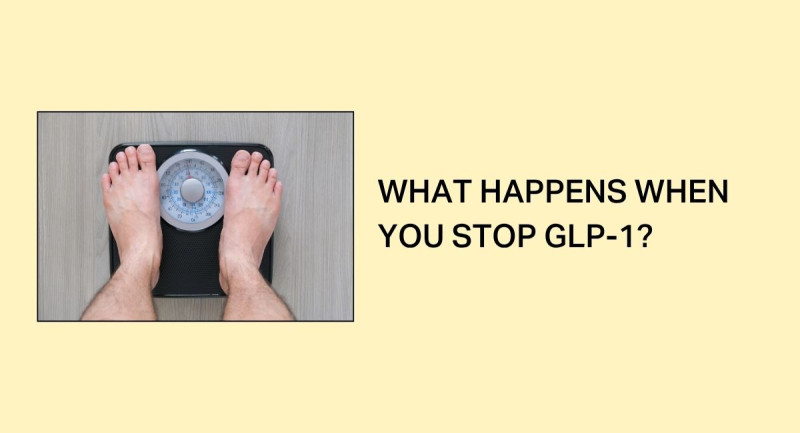

GLP-1 treatment can help regulate appetite, increase fullness, and support weight loss, but these effects do not necessarily continue once treatment is stopped. Appetite may increase again, fullness may become less pronounced, and weight regain is possible and common over time.
Not everyone regains the same amount of weight, and some people may maintain part of the weight they lost. The outcome can depend on individual biology, starting weight, treatment duration, nutrition, physical activity, other health conditions, and the long-term plan in place after stopping.
Some improvements in weight-related health markers may also lessen as weight is regained. Clinical evidence has shown that cardiometabolic improvements achieved during GLP-1-based treatment can move back toward baseline after treatment withdrawal.
Obesity is a chronic and complex disease, so stopping treatment should not automatically be viewed as finishing a short course of therapy. Decisions about continuing or stopping GLP-1 treatment should be individualized based on effectiveness, tolerability, health goals, risks, preferences, and access.
This guide explains what may happen to appetite, weight, and health after GLP-1 treatment ends, why weight regain can occur, and what may help support long-term weight management.
Topics covered in this article:
- What Happens to Your Body When You Stop GLP-1?
- Does Your Appetite Come Back After Stopping GLP-1?
- Will You Gain Weight Back After Stopping GLP-1?
- How Much Weight Do People Regain After Stopping GLP-1?
- How Quickly Can Weight Regain Start?
- Why Does Weight Come Back After Stopping GLP-1?
- Does Everyone Regain Weight After Stopping GLP-1?
- Can You Keep the Weight Off After Stopping GLP-1?
- What Happens to Blood Sugar and Other Health Improvements?
- Do GLP-1 Side Effects Stop After You Stop Treatment?
- Do You Need to Stay on GLP-1 Forever?
- Can You Stop GLP-1 Suddenly?
- Do You Need to Taper Off GLP-1?
- What Happens if You Stop GLP-1 Because of Side Effects?
- What Happens if You Stop GLP-1 After Reaching Your Goal Weight?
- Can You Restart GLP-1 After Stopping?
- How to Prepare Before Stopping GLP-1
- How to Maintain Weight Loss After Stopping GLP-1
- What If You Start Regaining Weight?
- When Should You Speak to a Healthcare Provider?
- Key Takeaways
- FAQ
- References
What Happens to Your Body When You Stop GLP-1?
When GLP-1 treatment is stopped, the medication’s effects on appetite, fullness, digestion, and food intake gradually diminish. As those effects wear off, some of the biological signals that influenced eating during treatment may begin moving back toward their previous pattern.
You may notice changes such as:
- More hunger: Appetite may gradually become stronger again.
- Less fullness: Meals that previously felt satisfying at a smaller portion may no longer produce the same level of satiety.
- More interest in food: Cravings, snacking, or thoughts about food may become more noticeable for some people.
- Higher food intake: Increased hunger and reduced fullness can make it easier to consume more calories.
- Changes in weight: Over time, these changes can contribute to weight regain in some people.
These changes do not necessarily happen immediately after the final dose, and the timeline varies from person to person. Some people may notice appetite changes before any significant movement on the scale.
Weight regain after stopping treatment should also not be viewed simply as a lack of discipline. GLP-1 medications act on biological pathways involved in appetite and weight regulation, so removing that treatment can allow some of the physiological drivers of weight gain to become more active again.
The most useful measure is the overall trend over time. Changes in appetite, eating patterns, weight, and weight-related health markers can all help show how the body is responding after treatment ends.
Does Your Appetite Come Back After Stopping GLP-1?
Yes, appetite may increase again after GLP-1 treatment is stopped, although the timing and degree vary from person to person.
During treatment, GLP-1 medications can reduce hunger, increase fullness, and make smaller portions feel more satisfying. As those effects gradually wear off, some people may notice:
- More hunger between meals
- Less fullness after eating
- Larger portions feeling necessary to feel satisfied
- More frequent cravings or thoughts about food
- Greater interest in snacking
These changes do not necessarily happen immediately after the final dose. Appetite may return gradually over the following weeks as the medication’s effects diminish.
Not everyone experiences the same degree of appetite return. Treatment duration, dose, individual biology, eating patterns, weight lost, and other health factors can all influence what happens after stopping.
An increase in hunger does not mean that previous progress has been lost. However, recognizing appetite changes early can help you adjust nutrition, meal structure, physical activity, and follow-up support before they translate into significant weight regain.
Will You Gain Weight Back After Stopping GLP-1?
Weight regain is common after GLP-1 treatment is discontinued, but this does not mean everyone will regain all of the weight they lost.
Clinical research consistently shows that average body weight tends to increase after treatment ends. However, the amount regained varies substantially between individuals, and some people maintain part of their previous weight loss.
A 2026 systematic review that included 48 studies found a consistent pattern of weight regain after GLP-1 treatment was stopped. In the randomized trials included in the analysis, approximately 60% of the weight lost during treatment had been regained one year after discontinuation.
This figure represents an average across study populations, not a prediction of what will happen to an individual. Weight regain can be influenced by factors such as:
- How much weight was initially lost
- How long treatment was used
- Appetite changes after stopping
- Nutrition and eating patterns
- Physical activity
- Sleep and stress
- Other health conditions
- Ongoing weight-management support
It is therefore more accurate to say that weight regain is a significant possibility rather than an inevitable return to the original weight.
The long-term goal after stopping treatment should be to maintain as much of the health and weight improvement as possible, while recognizing that biological appetite and weight-regulation mechanisms may make maintenance more challenging without ongoing treatment.
How Much Weight Do People Regain After Stopping GLP-1?
There is no universal percentage of weight that everyone regains after stopping GLP-1 treatment. Clinical trials and reviews provide averages across groups, but individual outcomes can vary widely.
How much weight returns can depend on factors such as:
- How much weight was initially lost
- How long treatment had been used
- How long the person has been off treatment
- Changes in appetite and food intake
- Physical activity
- Sleep and stress
- Other health conditions
- Ongoing weight-management support
A person who lost more weight during treatment may regain more pounds in absolute terms, but that does not necessarily mean they will return to their original starting weight.
It is also important to distinguish study averages from individual outcomes. Research may report that a certain proportion of lost weight was regained across a group, but this does not predict exactly what will happen to one person.
The longer someone is followed after stopping treatment, the more opportunity there is for weight to change. Some people maintain a meaningful portion of their weight loss, while others regain more.
For this reason, weight regain should be viewed as a continuum rather than an all-or-nothing outcome.
How Quickly Can Weight Regain Start?
Weight regain can begin within weeks to months after GLP-1 treatment is stopped, but it usually does not happen as an immediate overnight rebound.
For some people, the first noticeable change is not the number on the scale but a shift in appetite, fullness, cravings, or portion size. These changes may appear before a clear upward weight trend develops.
Weight can also fluctuate from day to day because of hydration, food intake, bowel movements, and other factors, so one higher weigh-in does not necessarily mean meaningful regain has started.
The more useful measure is the trend over several weeks and months. If weight begins rising consistently, that may signal that appetite regulation, eating patterns, activity, or other factors have changed after treatment ended.
The timing varies substantially between individuals, so there is no single week when weight regain should be expected to begin.
Why Does Weight Come Back After Stopping GLP-1?
Weight can come back after GLP-1 treatment stops because the biological effects that were helping regulate hunger, fullness, and food intake gradually diminish.
During treatment, GLP-1 medications can reduce appetite and help smaller portions feel more satisfying. After treatment ends, those effects may weaken, which can lead to:
- More hunger
- Less fullness after meals
- More frequent cravings
- Larger portion sizes
- Higher overall calorie intake
Weight loss itself can also trigger biological adaptations that make maintaining a lower weight more difficult. After losing weight, the body generally requires less energy to maintain its new size, while appetite-related signals may encourage increased food intake.
These changes are part of the body’s normal weight-regulation system. They help explain why maintaining weight loss can become more challenging after treatment ends.
For this reason, weight regain should not be viewed simply as a lack of willpower. GLP-1 treatment affects biological pathways involved in appetite and weight regulation, and stopping treatment removes some of that support.
Does Everyone Regain Weight After Stopping GLP-1?
No. Not everyone regains the same amount of weight after stopping GLP-1 treatment, and some people may maintain a meaningful portion of their previous weight loss.
However, research shows that weight regain is common after treatment ends. The degree of regain can vary according to factors such as:
- How much weight was initially lost
- Starting body weight
- How long treatment was used
- Changes in appetite after stopping
- Nutrition and eating patterns
- Physical activity
- Sleep and stress
- Individual biology
- Other health conditions
- The follow-up plan after treatment ends
Some people may regain weight relatively quickly, while others maintain a more stable weight for longer. Clinical studies report average outcomes across groups, but those averages cannot predict exactly what will happen to one individual.
Maintaining part of the weight loss is still meaningful. The goal after stopping treatment should not necessarily be to keep the scale completely unchanged, but to support long-term health, weight stability, nutrition, physical function, and sustainable habits as much as possible.
Can You Keep the Weight Off After Stopping GLP-1?
Yes, some people may maintain part or all of their weight loss after stopping GLP-1 treatment, but weight maintenance can become more difficult once the medication’s effects on appetite and fullness fade.
Helpful strategies may include:
- Prioritize balanced nutrition: Focus on nutrient-dense foods and portion sizes that are sustainable long-term.
- Get enough protein: Adequate protein can support muscle maintenance and help with satiety.
- Include resistance training: Strength-based exercise can help preserve muscle and support physical function.
- Stay physically active: Regular movement can help with weight maintenance, cardiovascular health, and energy balance.
- Prioritize sleep: Poor sleep can affect appetite, cravings, and eating patterns.
- Use behavioural support: Structured routines, meal planning, self-monitoring, or professional support may help maintain consistency.
- Monitor changes over time: Tracking weight trends, appetite, and health markers can help identify early changes before regain becomes more substantial.
Maintaining weight after treatment is not simply a matter of willpower. Biological appetite signals and energy requirements can change after weight loss, so some people may need more structured support once medication is discontinued.
The goal should be long-term stability and health improvement, not perfection. Maintaining even part of the weight lost can still be meaningful.
What Happens to Blood Sugar and Other Health Improvements?
Some of the health improvements that occur during GLP-1 treatment may lessen after treatment is stopped, especially if weight is regained.
Depending on a person’s baseline health, changes may occur in:
- Blood glucose
- Blood pressure
- Cholesterol and triglycerides
- Waist circumference
- Insulin sensitivity
- Other weight-related health conditions
Clinical withdrawal data have shown that cardiometabolic improvements can move back toward baseline alongside weight regain after treatment ends.
This does not mean every health benefit disappears or that everyone follows the same pattern. The degree of change depends on factors such as:
- How much weight is regained
- Starting metabolic health
- Nutrition
- Physical activity
- Other medications
- Existing diabetes or cardiovascular risk
- Ongoing medical care
If GLP-1 treatment was helping manage blood glucose or another metabolic condition, stopping it may require closer follow-up. A healthcare provider can monitor relevant health markers and determine whether another treatment or adjustment is needed.
Do GLP-1 Side Effects Stop After You Stop Treatment?
For many people, GLP-1 side effects such as nausea, constipation, diarrhea, reflux, bloating, or prolonged fullness may improve after treatment is stopped as the medication’s effects gradually wear off.
Improvement is not always immediate. GLP-1 medications can continue affecting appetite and digestion for a period after the final dose, so gastrointestinal symptoms may take some time to settle.
If digestive symptoms persist, become severe, or continue well beyond what would be expected after stopping treatment, they should be assessed by a healthcare provider. Persistent symptoms should not automatically be assumed to be a lingering medication effect.
People who stop treatment because of significant side effects should also discuss what happened with their healthcare provider before restarting or switching weight-management treatments.
Do You Need to Stay on GLP-1 Forever?
Not necessarily. Starting GLP-1 treatment does not automatically mean committing to medication for life. However, long-term treatment may be appropriate for some people when it continues to provide meaningful health benefits and remains safe and tolerable.
Obesity is a chronic disease, and the biological factors that contribute to weight gain may remain even after substantial weight has been lost. This is one reason stopping weight-management medication can be followed by increased appetite, weight regain, and loss of some health improvements.
Whether treatment should continue depends on factors such as:
- Effectiveness: Is it continuing to improve weight or weight-related health concerns?
- Tolerability: Are side effects manageable?
- Benefits and risks: Do the benefits continue to outweigh potential risks?
- Personal preferences: Does ongoing treatment fit the individual’s goals?
- Cost and access: Is long-term treatment practical?
- Overall health: Have other conditions, medications, or circumstances changed?
Current Canadian obesity guidance recommends using pharmacotherapy long term when it is effective, alongside health behaviour changes, to help prevent weight regain and regression of health benefits.
The decision should therefore be individualized rather than based on the assumption that everyone either needs lifelong treatment or should stop once a target weight is reached.
Can You Stop GLP-1 Suddenly?
There is no single stopping approach that applies to every GLP-1 treatment or every patient. How treatment should be discontinued can depend on the specific therapy, why it is being stopped, the condition being treated, other medications, and individual health factors.
For this reason, you should not independently stop, reduce, space out, or otherwise change a prescribed GLP-1 treatment without discussing the plan with a healthcare provider.
This is particularly important for people who also use GLP-1 treatment as part of blood sugar management, because stopping treatment may affect glucose control and could require changes to other parts of the treatment plan.
Stopping because of severe side effects, pregnancy planning, a medical procedure, lack of benefit, or another clinical reason may also require different considerations.
There is no universal rule that everyone must taper GLP-1 treatment before stopping. The safest approach is to follow the instructions provided for your particular treatment and medical situation rather than using a self-directed stopping schedule.
Do You Need to Taper Off GLP-1?
There is no universal rule that everyone needs to taper off GLP-1 treatment. The appropriate way to stop can depend on the specific treatment, why it is being discontinued, other health conditions, and how the medication has been used.
In some situations, a healthcare provider may choose to individualize the transition off treatment, particularly if appetite, weight maintenance, blood sugar, or side effects need to be monitored closely.
However, evidence that gradually reducing GLP-1 treatment specifically prevents weight regain is still limited. Research consistently shows that weight regain is common after treatment ends, but it has not established one standard tapering strategy that reliably prevents this from happening.
For that reason, you should not create your own tapering schedule by reducing doses, extending the time between doses, or using leftover medication differently from how it was prescribed.
If you are considering stopping treatment, discuss the plan with a healthcare provider so the transition can reflect your health, treatment goals, and reason for discontinuation.
What Happens if You Stop GLP-1 Because of Side Effects?
If GLP-1 treatment is stopped because of side effects, the next step depends on how severe the symptoms are, whether they are improving, and whether the benefits of treatment still outweigh the risks.
Mild gastrointestinal symptoms may sometimes be managed through changes to dose progression, eating patterns, hydration, or other parts of the treatment plan. If side effects remain difficult to tolerate, a healthcare provider can reassess whether continuing treatment is appropriate.
After stopping, maintaining adequate hydration and nutrition can be particularly important if nausea, vomiting, diarrhea, or reduced food intake contributed to the decision.
Some symptoms require more urgent attention. Severe or persistent abdominal pain, repeated vomiting, significant dehydration, symptoms of a serious allergic reaction, or other severe reactions should be assessed promptly rather than waiting for them to resolve on their own.
Stopping one GLP-1 treatment also does not mean you should independently switch to another weight-management medication. Alternative treatments may be available, but they should be considered through an individualized medical assessment.
What Happens if You Stop GLP-1 After Reaching Your Goal Weight?
Reaching a goal weight does not necessarily mean that the biological factors involved in appetite and weight regulation have disappeared. After GLP-1 treatment stops, hunger may increase, fullness may become less pronounced, and maintaining the lower weight can become more challenging.
For this reason, reaching a goal weight may be better viewed as the beginning of a weight-maintenance phase, rather than an automatic signal that treatment should end.
A long-term maintenance plan may include:
- Sustainable nutrition
- Adequate protein
- Resistance training
- Regular physical activity
- Consistent sleep
- Monitoring weight trends
- Follow-up for weight-related health conditions
- Early reassessment if significant regain begins
Success also does not have to mean keeping the scale at exactly the same number indefinitely. Maintaining most of the weight loss, preserving health improvements, and preventing substantial regain can all be meaningful outcomes.
Whether treatment should continue after a goal weight is reached depends on its effectiveness, tolerability, risks, personal preferences, health goals, and access. The decision should be individualized rather than based solely on reaching a particular number on the scale.
Can You Restart GLP-1 After Stopping?
Yes, restarting GLP-1 treatment may be possible for some people, but it should be based on a new clinical assessment rather than simply resuming the previous treatment plan.
Several factors may need to be reviewed first, including:
- Why treatment was stopped
- How long you have been off treatment
- Whether side effects occurred previously
- Changes in weight or appetite
- New medications or health conditions
- Whether the original treatment is still appropriate
- Current treatment goals
The dose you were taking before stopping may not be the right dose to restart, especially after a longer break. Restarting at a previous dose without guidance may increase the risk of side effects.
Do not restart leftover medication or change the dosing schedule independently. A healthcare provider can determine whether restarting is appropriate and how treatment should be resumed based on your current health and treatment history.
How to Prepare Before Stopping GLP-1
If you are planning to stop GLP-1 treatment, preparing in advance can make the transition easier and help identify early changes in appetite, weight, or health.
Before stopping, consider discussing:
- Why treatment is ending: Side effects, cost, personal preference, health changes, or reaching a treatment goal may require different follow-up plans.
- Your recent weight trend: Knowing whether weight has been stable, falling, or already increasing can help guide maintenance planning.
- Nutrition: Build a realistic eating pattern that can continue after appetite suppression becomes less pronounced.
- Protein intake: Adequate protein can support muscle maintenance and satiety.
- Resistance training: Strength-based exercise can help preserve muscle and physical function.
- Regular physical activity: Consistent movement supports cardiovascular health and weight maintenance.
- Follow-up: Decide when weight, appetite, symptoms, and relevant health markers will be reviewed.
It can also be useful to establish a baseline for weight, waist measurement, appetite, blood pressure, blood glucose, or other relevant health markers before treatment ends. This can make it easier to recognize meaningful changes afterward.
The goal is to have a maintenance plan in place before appetite and weight begin changing, rather than waiting until substantial regain has already occurred.
How to Maintain Weight Loss After Stopping GLP-1
Maintaining weight loss after stopping GLP-1 treatment can be challenging, but some people are able to preserve part or all of their progress with a structured long-term plan.
Helpful strategies include:
- Use a sustainable eating pattern: Focus on meals and portions that can be maintained long term rather than highly restrictive dieting.
- Prioritize protein and fibre: Both can support satiety, nutrition, and muscle maintenance.
- Continue resistance training: Strength exercise can help preserve lean mass and physical function.
- Stay regularly active: Walking, cycling, swimming, and other consistent activity can support energy balance and overall health.
- Prioritize sleep: Poor sleep can increase hunger, cravings, and difficulty maintaining eating routines.
- Manage stress: Stress can affect appetite, food choices, sleep, and activity.
- Monitor trends: Regularly tracking weight, appetite, portion sizes, or other health markers can help identify early changes.
- Respond early to regain: Small changes are often easier to address than larger increases that develop over many months.
- Use ongoing support when needed: Healthcare, nutrition, behavioural, or other weight-management support can help with long-term maintenance.
Weight maintenance does not require keeping the scale completely unchanged. The more important goal is to preserve as much of the weight loss and health improvement as possible while maintaining good nutrition, strength, and quality of life.
If weight regain becomes significant or difficult to manage, a healthcare provider can reassess contributing factors and discuss other appropriate weight-management options.
What If You Start Regaining Weight?
If you begin regaining weight after stopping GLP-1 treatment, it does not automatically mean that treatment failed or that all previous progress will be lost.
Start by looking at the overall trend over several weeks, rather than reacting to one or two higher weigh-ins. Normal changes in hydration, food intake, sodium, and bowel movements can affect short-term scale weight.
If the upward trend continues, it may help to reassess factors such as:
- Appetite and portion sizes
- Snacking or liquid calories
- Protein and fibre intake
- Physical activity
- Resistance training
- Sleep and stress
- Other medications
- New or changing health conditions
A healthcare provider can also review whether there are medical factors contributing to regain and whether another weight-management approach should be considered.
Avoid responding with crash dieting or extreme calorie restriction. Highly restrictive approaches can be difficult to sustain and may increase the risk of inadequate nutrition, fatigue, or muscle loss.
Early intervention can be helpful. Addressing gradual regain while it is still modest may be easier than waiting until a larger amount of weight has returned.
When Should You Speak to a Healthcare Provider?
It is a good idea to speak to a healthcare provider before stopping GLP-1 treatment, especially if the medication is also affecting blood sugar or other weight-related health conditions.
Medical review may be particularly important if you experience:
- Rapid or substantial weight regain
- A major increase in hunger or cravings
- Return or worsening of blood sugar concerns
- Changes in blood pressure, cholesterol, or other metabolic health markers
- Persistent side effects after stopping
- Difficulty maintaining adequate nutrition
- Pregnancy planning or pregnancy
- Questions about restarting GLP-1 treatment
- Questions about switching to another weight-management approach
You should also seek guidance if you are unsure whether treatment should be stopped, tapered, restarted, or replaced.
The goal is to make changes based on your current health, treatment history, risks, and long-term weight-management goals, rather than relying on a one-size-fits-all stopping or restarting plan.
Key Takeaways
- After GLP-1 treatment stops, appetite may increase, fullness may decrease, and food intake may rise as the medication’s effects wear off.
- Weight regain is common, but not everyone regains the same amount or returns to their original starting weight.
- Research shows that regain generally develops over weeks and months, rather than as an immediate rebound.
- Weight regain is influenced by biology as well as behaviour. Changes in hunger, satiety, energy needs, activity, sleep, and other health factors can all contribute.
- Some improvements in blood glucose, blood pressure, cholesterol, and other weight-related health markers may lessen if weight is regained.
- Reaching a goal weight does not necessarily mean the biological drivers of obesity have disappeared.
- GLP-1 treatment does not automatically need to continue forever, but long-term treatment may be appropriate when it remains effective, safe, and tolerable.
- There is no universal rule that everyone must taper before stopping. Discontinuation should be individualized rather than based on a self-directed schedule.
- Nutrition, adequate protein, fibre, resistance training, regular physical activity, sleep, and ongoing monitoring can support weight maintenance after treatment.
- If significant regain occurs, it should not automatically be viewed as failure. Early reassessment and a long-term weight-management plan may help preserve previous health improvements.
FAQ
The effects on appetite, fullness, digestion, and food intake gradually diminish. Hunger may increase, smaller portions may become less satisfying, and weight regain can occur over time.
It can. Many people experience increased hunger or reduced fullness after treatment ends, although the timing and intensity vary from person to person.
Weight regain is common, but it is not guaranteed that you will regain all the weight you lost. Individual outcomes vary considerably.
No. Some people maintain part or even most of their previous weight loss, while others regain more. Biology, appetite changes, activity, nutrition, treatment history, and follow-up can all influence the outcome.
There is no universal percentage. A 2026 systematic review found substantial average regain after treatment stopped, but individual results varied widely. Study averages should not be treated as predictions for one person.
Regain can begin over weeks or months. Appetite changes may occur before a noticeable upward trend appears on the scale.
Treatment helps regulate hunger and fullness. When those effects diminish, appetite and calorie intake may increase. Weight loss also lowers the body’s energy requirements, which can make maintaining the lower weight more difficult.
Some people can maintain a meaningful amount of weight loss. Sustainable nutrition, adequate protein, resistance training, regular activity, sleep, behavioural support, and monitoring may help.
Many gastrointestinal side effects may improve as the treatment’s effects wear off, but improvement may not be immediate. Persistent or severe symptoms should be medically assessed.
Blood glucose may rise again in some people, particularly if treatment was helping with glucose regulation or if weight is regained. The effect depends on baseline health and other treatments.
Not necessarily. However, obesity is a chronic disease, and some people may benefit from long-term treatment when it remains effective and tolerable.
There is no single stopping approach that applies to everyone. How treatment should be stopped depends on the reason for stopping, the specific treatment, other health conditions, and other medications.
Not everyone needs the same tapering approach, and there is no universal evidence-based taper schedule proven to prevent weight regain. Do not create your own tapering plan without medical guidance.
Side effects may improve after treatment ends, but significant symptoms should still be assessed. A healthcare provider can also determine whether another weight-management approach may be appropriate.
Appetite may still increase and weight may still return because reaching a goal weight does not eliminate the biological mechanisms involved in weight regulation. A maintenance strategy remains important.
Sometimes. Restarting may be possible after reassessment, but the previous dose may no longer be appropriate, particularly after a longer break. Do not restart leftover treatment independently.
Weight regain cannot always be prevented, but a structured plan involving sustainable nutrition, adequate protein and fibre, resistance training, regular activity, good sleep, and ongoing monitoring may help maintain results.
Focus on a sustainable, nutrient-dense eating pattern with adequate protein, fibre-rich foods, vegetables, whole foods, and portions that support fullness without extreme restriction.
Look at the trend over several weeks, reassess appetite, nutrition, activity, sleep, stress, other medications, and health factors, and seek healthcare review if regain becomes persistent or substantial.
Speak to a healthcare provider if you are planning to stop, experiencing significant side effects, regaining weight rapidly, noticing major appetite or metabolic changes, planning pregnancy, or considering restarting or switching treatment.
References
UPGUYS has strict sourcing guidelines to ensure our content is accurate and current. We rely on peer-reviewed studies, academic research institutions, and medical associations. We strive to use primary sources and refrain from using tertiary references.- Weight regain and cardiometabolic effects after withdrawal of semaglutide: The STEP 1 trial extension, PubMed,
https://pubmed.ncbi.nlm.nih.gov/35441470/ - Trajectory of weight regain after cessation of GLP-1 receptor agonists: a systematic review and nonlinear meta-regression, PubMed,
https://pubmed.ncbi.nlm.nih.gov/41938838/ - Restoring Satiety After GLP-1/GIP Pharmacotherapy: Metabolic Stability, Diet Quality, and the Gut Microbiota, PubMed,
https://pubmed.ncbi.nlm.nih.gov/42278190/ - Early Weight Regain After GLP-1 Receptor Agonist Discontinuation: Mechanisms and Implications for Treatment De-Escalation Strategies, PubMed,
https://pubmed.ncbi.nlm.nih.gov/42396734/
This article is written for informational purposes only and does not constitute medical advice. The information provided in the articles cannot and should not replace advice from a healthcare professional. Talk to your healthcare provider about any physical or mental health concerns or the risks and benefits of any treatment or medication.


UPRX Pharmacy (West) Licenced by:
College of Pharmacists of British Columbia
Licence Number: 38287
1221543 B.C. LTD
224 – 3989 Henning Dr.
Burnaby BC, V5C 6P8 Canada
P: 604-291-1094 F: 604-291-0827
Pharmacy Manager: Mehrdad Rezaei
UPRX Pharmacy (East)
Accredited by:
Ontario College of Pharmacists
Accreditation Number: 309322
1000286128 Ontario Inc.
105 - 91 Skyway Ave
Etobicoke, ON M9W 6R5 Canada
P: 416-679-1774 F: 416-679-1808
Designated Manager: Todd Spetter