GLP-1 And Testosterone: How Weight Loss May Affect Levels
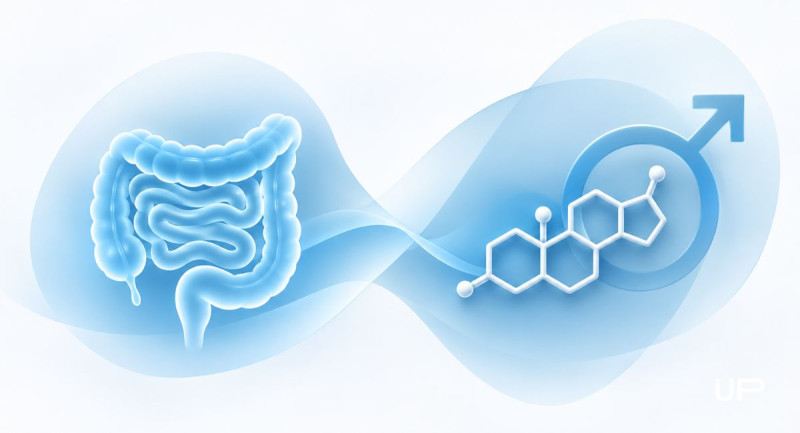

GLP-1 treatment may be associated with higher testosterone levels in some men, particularly those with obesity, metabolic dysfunction, or obesity-related low testosterone. However, the evidence is still developing, and the degree of change varies between individuals.
Weight loss and improvements in insulin resistance appear to be important contributors. Obesity itself can suppress testosterone through several hormonal and metabolic pathways, so reducing excess body fat may allow testosterone levels to improve in some men.
Current research has reported increases in total testosterone and, in some studies, bioavailable testosterone during GLP-1 treatment. Findings for free testosterone have been less consistent.
GLP-1 treatment should not, however, be considered a testosterone treatment. It is not used to directly replace testosterone, and an improvement in testosterone during weight loss does not mean that persistent testosterone deficiency no longer requires proper assessment.
Topics covered in this article:
- Does GLP-1 Affect Testosterone in Men?
- Does GLP-1 Increase Testosterone?
- Can GLP-1 Lower Testosterone?
- Why Can Obesity Lower Testosterone?
- Can Losing Weight Increase Testosterone?
- Is the Testosterone Change From GLP-1 or From Weight Loss?
- What Does the Research Show About GLP-1 and Testosterone?
- What Is the Difference Between Total and Free Testosterone?
- Can GLP-1 Improve Symptoms of Low Testosterone?
- Does GLP-1 Improve Libido in Men?
- Can GLP-1 Affect Erectile Function?
- Does GLP-1 Affect Male Fertility?
- Does Muscle Loss on GLP-1 Affect Testosterone?
- Can You Have Low Testosterone Even After Losing Weight?
- Can Weight Loss Replace TRT?
- Can You Take GLP-1 and TRT at the Same Time?
- Should You Test Testosterone Before Starting GLP-1?
- Should You Retest Testosterone After Losing Weight?
- What If Testosterone Is Still Low After Weight Loss?
- When Should You Speak to a Healthcare Provider?
- Key Takeaways
- FAQ
- References
Does GLP-1 Affect Testosterone in Men?
Yes, GLP-1 treatment may be associated with higher testosterone levels in some men, particularly when substantial weight loss and metabolic improvement occur.
Recent studies and systematic reviews have generally found increases in total testosterone among men with obesity, type 2 diabetes, or obesity-related functional hypogonadism.
Some research has also reported improvements in bioavailable testosterone, which refers to testosterone that is readily available for use by tissues.
Findings for free testosterone have been less consistent. Some studies have found increases, while others have not shown a statistically significant change.
This difference matters because weight loss can also affect sex hormone-binding globulin, or SHBG, which influences how much testosterone is measured as free, bound, or total.
It is therefore too simple to say that GLP-1 directly raises testosterone in every man.
The observed hormonal changes may result from a combination of:
- Weight loss
- Reduced body fat
- Improved insulin sensitivity
- Better metabolic health
- Changes in SHBG
- Possible changes in hormonal signalling
Current evidence supports an association between GLP-1 treatment and improved testosterone levels in certain groups of men, but it does not prove that GLP-1 acts as a direct testosterone-boosting treatment.
Does GLP-1 Increase Testosterone?
It can. Higher testosterone levels have been observed in some men during GLP-1-supported weight loss, especially in men who begin treatment with obesity, metabolic dysfunction, or low testosterone.
The amount of improvement is highly variable.
Some men may experience a meaningful increase in total testosterone, while others may have little or no change. Baseline testosterone level, amount of weight lost, metabolic health, age, and other medical factors can all influence the response.
Weight loss appears to be an important part of this relationship. Research has repeatedly shown that men who lose more excess weight may also experience greater improvements in testosterone.
However, researchers are still investigating whether all of the hormonal improvement comes from weight loss and metabolic changes or whether GLP-1-related pathways may also have more direct effects on the reproductive hormone system.
For now, the evidence is not strong enough to treat GLP-1 as a way to deliberately raise testosterone.
An increase in testosterone should therefore be viewed as a possible secondary effect of improved weight and metabolic health, rather than the primary purpose of treatment.
Can GLP-1 Lower Testosterone?
There is currently no strong evidence that GLP-1 treatment routinely lowers testosterone in men. Most available studies in men with obesity or metabolic dysfunction have instead reported stable or improved testosterone levels.
However, individual hormone levels can still change for many reasons during weight loss.
Factors that may temporarily affect testosterone include:
- Very low calorie intake
- Rapid or substantial weight loss
- Inadequate nutrition
- Acute illness
- Poor sleep
- Significant stress
- Changes in other medications
- Changes in overall health
This means that if someone develops symptoms such as persistent low libido, reduced morning erections, unusual fatigue, loss of strength, or other possible signs of testosterone deficiency while losing weight, those symptoms should not automatically be blamed on GLP-1 treatment.
Testosterone levels can be influenced by multiple factors, and symptoms alone cannot confirm whether testosterone is low.
If symptoms are persistent or concerning, appropriate hormone testing and medical assessment can help determine whether testosterone deficiency or another condition is present.
Why Can Obesity Lower Testosterone?
Obesity can contribute to lower testosterone through several interacting hormonal and metabolic mechanisms.
One important factor is disruption of the hypothalamic-pituitary-gonadal axis, the hormonal signalling system that helps regulate testosterone production.
Several obesity-related factors can influence this system:
- Higher body fat: Excess adipose tissue can alter hormone metabolism and signalling involved in testosterone regulation.
- Insulin resistance: Metabolic dysfunction is strongly associated with lower testosterone levels in men.
- Chronic inflammation: Obesity-related inflammatory signals may interfere with normal reproductive hormone function.
- Sleep apnea: Obstructive sleep apnea is more common in men with obesity and can be associated with lower testosterone.
- Changes in SHBG: Obesity and insulin resistance can reduce SHBG levels, which can lower measured total testosterone even when free testosterone is less affected.
- Hormonal signalling changes: Obesity can reduce stimulation of the testes through changes in signals from the hypothalamus and pituitary gland.
In some men, this produces what is often called obesity-related functional hypogonadism. In this situation, testosterone is low partly because of the metabolic and hormonal effects associated with obesity rather than permanent failure of the testes.
Because the underlying problem can be partly reversible, weight loss may allow testosterone levels to improve in some men.
However, obesity is not the only possible cause of low testosterone. Persistent low levels may also result from testicular disorders, pituitary conditions, medications, chronic illness, sleep disorders, or other causes.
This is why low testosterone should be properly evaluated rather than automatically attributed to body weight alone.
Can Losing Weight Increase Testosterone?
Yes, weight loss can increase testosterone in some men with overweight or obesity, particularly when low testosterone is related to excess body weight and metabolic dysfunction.
Research has consistently found an association between weight reduction and improvements in both total and free testosterone. In general, men who lose more weight may experience larger hormonal changes, although the response varies considerably between individuals.
Possible reasons include:
- Reduced body fat
- Improved insulin sensitivity
- Changes in SHBG
- Improved metabolic health
- Changes in hormonal signalling between the brain and testes
This does not mean that every man who loses weight will develop higher testosterone levels. Age, starting testosterone, underlying health conditions, medications, sleep, and the cause of low testosterone can all influence the response.
Weight loss should also not be viewed as the same thing as directly treating testosterone deficiency. If a man continues to have symptoms and repeatedly low testosterone after weight loss, further assessment may still be appropriate.
Is the Testosterone Change From GLP-1 or From Weight Loss?
It is difficult to separate the two completely, but current evidence suggests that weight loss and improved metabolic health are major contributors to the testosterone changes seen during GLP-1 treatment.
Recent research has found that men who experience greater weight reduction often show greater increases in testosterone. Improvements in insulin resistance may also contribute.
This makes biological sense because obesity itself can suppress normal testosterone regulation. Reducing excess body fat and improving metabolic health may allow the hypothalamic-pituitary-gonadal axis to function more normally in some men.
Researchers are also studying whether GLP-1-related pathways may influence reproductive hormone signalling more directly. However, current evidence is not strong enough to conclude that GLP-1 treatment directly stimulates testosterone production independently of its effects on weight and metabolism.
For now, it is more accurate to say that testosterone may improve during GLP-1-supported weight loss, rather than saying that GLP-1 directly boosts testosterone.
What Does the Research Show About GLP-1 and Testosterone?
Current research is encouraging but still limited.
Recent systematic reviews and clinical studies have generally found that GLP-1 treatment is associated with higher total testosterone levels in men with obesity, type 2 diabetes, or obesity-related functional hypogonadism.
The evidence so far suggests:
- Total testosterone: This is the most consistently improved testosterone measure across studies.
- Bioavailable testosterone: Some research has reported significant improvement.
- Free testosterone: Results have been less consistent, with some studies finding an increase and others finding little or no significant change.
- SHBG: Changes can occur during weight loss and can affect how total and free testosterone results are interpreted.
- Amount of weight lost: Greater weight reduction may be associated with larger improvements in testosterone.
These findings should still be interpreted cautiously.
Many studies have involved relatively small groups of men, different populations, different treatment durations, and different methods of measuring hormones. Some participants had obesity-related hypogonadism, while others had diabetes or other metabolic conditions.
Longer and larger studies are therefore needed to determine how consistently testosterone changes, which men are most likely to benefit, and how much of the effect is caused by weight loss versus other mechanisms.
GLP-1 treatment should not be considered a substitute for proper evaluation or treatment of confirmed testosterone deficiency.
What Is the Difference Between Total and Free Testosterone?
Total testosterone and free testosterone measure different aspects of the testosterone circulating in the blood.
Total testosterone includes testosterone that is:
- Bound strongly to sex hormone-binding globulin, or SHBG
- Bound more loosely to other proteins
- Circulating freely in the blood
Free testosterone refers to the small proportion that is not bound to proteins.
SHBG plays an important role in interpreting these results. When SHBG is low, total testosterone may also appear lower even when free testosterone is less affected.
Obesity and insulin resistance are commonly associated with lower SHBG levels, which is one reason testosterone results can be more difficult to interpret in men with obesity.
Weight loss may increase SHBG in some men. As a result, total testosterone can rise partly because the amount of testosterone carried by SHBG changes.
This is why one testosterone measurement does not always provide the complete picture. Testosterone results should be interpreted alongside symptoms, SHBG when relevant, timing of the blood test, repeat measurements, and the person’s overall health.
Can GLP-1 Improve Symptoms of Low Testosterone?
Possibly in some men, but improvement in low-testosterone symptoms cannot be assumed simply because testosterone levels rise during GLP-1-supported weight loss.
Symptoms commonly associated with low testosterone can include:
- Low energy
- Reduced libido
- Changes in mood
- Reduced muscle mass or strength
- Fewer morning erections
- Erectile difficulties
However, these symptoms are not specific to testosterone deficiency.
Weight loss, better sleep, improved blood sugar regulation, increased physical activity, improved cardiovascular health, and changes in overall well-being can affect many of the same symptoms.
For example, improved energy during weight loss does not necessarily prove that testosterone increased. Likewise, persistent fatigue or low libido does not automatically mean testosterone remains low.
If symptoms of testosterone deficiency continue despite improvements in weight and metabolic health, appropriate hormone testing can help determine whether low testosterone is actually present.
The goal should be to evaluate both symptoms and hormone levels together, rather than assuming that changes in weight automatically explain changes in how someone feels.
Does GLP-1 Improve Libido in Men?
Possibly in some men, but GLP-1 treatment should not be expected to directly improve libido.
Sexual desire can be influenced by many factors, including:
- Testosterone levels
- Body weight and metabolic health
- Sleep
- Stress
- Mood
- Medications
- Relationship factors
- Overall physical health
For some men with obesity or metabolic dysfunction, weight loss and improvements in testosterone may be accompanied by better sexual well-being. Improved energy, confidence, cardiovascular health, or metabolic control may also contribute.
However, libido is complex, and an increase in testosterone does not guarantee an increase in sexual desire.
Persistent low libido should therefore not automatically be attributed to weight, GLP-1 treatment, or testosterone. If it continues despite improvements in weight and health, further assessment may be appropriate.
Can GLP-1 Affect Erectile Function?
GLP-1-supported weight loss and improvements in metabolic health may be associated with better erectile function in some men, but GLP-1 treatment is not an erectile dysfunction treatment.
Erections depend heavily on vascular and metabolic health. Conditions commonly associated with obesity, including insulin resistance, diabetes, high blood pressure, and cardiovascular disease, can also contribute to erectile difficulties.
Improving these factors may therefore support erectile function.
Recent research has reported improvements in erectile-function scores among some men receiving GLP-1 treatment, but the evidence remains limited and does not prove that the medication directly improves erections.
Testosterone and erectile dysfunction should also not be treated as the same problem. Low testosterone may contribute to reduced libido or sexual symptoms in some men, but erectile dysfunction can occur even when testosterone levels are normal.
Other possible contributors include:
- Cardiovascular disease
- Diabetes
- High blood pressure
- Medication effects
- Stress and anxiety
- Sleep problems
- Neurological conditions
- Relationship factors
Men with persistent or worsening erection problems should receive an appropriate assessment rather than assuming that weight loss or changes in testosterone will resolve the problem.
Does GLP-1 Affect Male Fertility?
GLP-1 treatment may affect reproductive health in men, but evidence about fertility outcomes is still limited.
Some studies in men with obesity or metabolic dysfunction have reported improvements in testosterone and certain semen parameters during treatment and weight loss.
However, improved testosterone does not automatically mean improved fertility.
Male fertility depends on many factors, including:
- Sperm concentration
- Sperm movement
- Sperm structure
- Hormonal signalling
- Testicular function
- Age
- General health
- Partner-related fertility factors
Current research does not yet establish that GLP-1 treatment improves the chance of natural conception, pregnancy, or live birth.
For this reason, GLP-1 treatment should not be considered a male fertility treatment.
Men who are actively trying to conceive, have known fertility problems, or are concerned about sperm health should discuss their treatment and reproductive goals with a healthcare provider.
Does Muscle Loss on GLP-1 Affect Testosterone?
Loss of lean mass during weight reduction does not necessarily mean that testosterone is falling.
Muscle mass and testosterone are related to overall health, but losing some lean tissue during weight loss should not automatically be interpreted as evidence of testosterone deficiency.
Several factors can influence both muscle preservation and hormone levels during weight loss, including:
- Overall calorie intake
- Protein intake
- Resistance training
- Amount and speed of weight loss
- Sleep
- Age
- Metabolic health
A very large energy deficit or inadequate nutrition may affect hormonal health, while resistance training and adequate protein can help support muscle preservation.
Current evidence does not establish that the modest lean-mass reductions sometimes seen during GLP-1-supported weight loss directly cause lower testosterone.
The more useful goal is to maintain adequate nutrition, muscle strength, physical function, and healthy weight loss rather than assuming that every change in lean mass reflects a hormone problem.
Read more: GLP-1 Muscle Loss
Can You Have Low Testosterone Even After Losing Weight?
Yes. Low testosterone can persist even after substantial weight loss.
Weight reduction may improve testosterone when low levels are related to obesity and metabolic dysfunction, but not every case of testosterone deficiency has the same cause.
Persistent low testosterone can result from:
- Primary hypogonadism: The testes are unable to produce adequate testosterone.
- Secondary hypogonadism: Signalling from the hypothalamus or pituitary gland is impaired.
- Certain medications
- Pituitary disorders
- Testicular conditions
- Sleep disorders
- Chronic illness
- Aging-related changes
- Other hormonal conditions
Some men may also have several contributing factors at the same time.
If symptoms such as low libido, reduced morning erections, persistent fatigue, or reduced strength continue after significant weight loss, testosterone should be assessed appropriately rather than assuming the problem should have resolved.
Diagnosis generally requires both compatible symptoms and appropriately measured low testosterone levels, with further testing when needed to determine the cause.
Can Weight Loss Replace TRT?
Not necessarily. Weight loss may improve obesity-associated low testosterone, but it does not automatically replace testosterone replacement therapy when persistent, confirmed hypogonadism is present.
For men whose low testosterone is primarily related to obesity or metabolic dysfunction, meaningful weight loss may improve hormone levels enough that the clinical picture changes.
However, men with primary hypogonadism, pituitary disorders, or other causes of persistent testosterone deficiency may still require specific treatment.
Weight loss and TRT also address different problems:
- Weight-loss treatment targets obesity and related metabolic health.
- TRT is used in appropriately selected men with confirmed testosterone deficiency.
A man already receiving TRT should not stop treatment simply because he has lost weight or because one testosterone result has improved.
Any change should be based on symptoms, repeat hormone testing, the original cause of testosterone deficiency, and medical reassessment.
Can You Take GLP-1 and TRT at the Same Time?
Yes, GLP-1 treatment and TRT may sometimes be used at the same time when a man has separate appropriate indications for both.
The treatments serve different purposes. GLP-1 treatment may be used for obesity or metabolic disease, while TRT may be used for confirmed testosterone deficiency.
Using both does not mean that one treatment requires the other, and combination therapy should not be considered routine for every man with obesity and low testosterone.
Medical supervision is important because weight loss and changes in metabolic health can alter:
- Testosterone levels
- Symptoms
- Body composition
- Blood pressure
- Blood sugar
- Other health markers
As weight and health change, the overall treatment plan may need to be reassessed.
Men using both treatments should follow the monitoring plan recommended by their healthcare provider rather than adjusting either treatment independently.
Should You Test Testosterone Before Starting GLP-1?
Not everyone needs routine testosterone testing solely because they are starting GLP-1 treatment.
Testing may be reasonable when a man has symptoms or concerns that could suggest testosterone deficiency, such as:
- Low libido
- Erectile concerns
- Reduced morning erections
- Unexplained fatigue
- Reduced muscle mass or strength
- Fertility concerns
- Other symptoms consistent with low testosterone
Testosterone deficiency should not be diagnosed from symptoms alone. Symptoms such as fatigue, low libido, or reduced strength can have many possible causes.
When testing is appropriate, testosterone is generally measured in the early morning, when levels are typically highest. If the result is low, repeat testing is usually needed before confirming a diagnosis.
The decision to test should therefore be based on symptoms, medical history, and individual risk factors rather than GLP-1 use by itself.
Should You Retest Testosterone After Losing Weight?
Retesting may be reasonable if testosterone was low before weight loss or if symptoms of testosterone deficiency remain.
Because weight loss can affect testosterone and SHBG, hormone results may change as body weight and metabolic health improve.
The timing of repeat testing should be individualized. In general, testosterone should be measured under appropriate conditions, typically with an early-morning blood test.
If testosterone remains low, the result should usually be confirmed with another measurement rather than relying on a single test.
Interpretation may also require consideration of:
- Symptoms
- Total testosterone
- Free testosterone when appropriate
- SHBG
- Weight change
- Medications
- Other medical conditions
A change in testosterone after weight loss should be interpreted in the broader clinical context rather than viewed as an isolated number.
What If Testosterone Is Still Low After Weight Loss?
If testosterone remains low after meaningful weight loss, the next step is to confirm the result and investigate why it remains low.
Weight loss may improve obesity-related low testosterone, but persistent testosterone deficiency can have other causes.
Evaluation may include:
- Repeat morning testosterone testing
- LH to help distinguish between primary and secondary causes
- FSH when clinically appropriate
- Prolactin when low testosterone occurs with low or low-normal LH
- Review of medications
- Assessment of sleep and possible sleep disorders
- Review of chronic health conditions
- Fertility assessment when relevant
LH and FSH can help determine whether the problem is more likely related to the testes or to signalling from the hypothalamus and pituitary gland.
Prolactin may also be useful in selected cases, particularly when testosterone is low and LH is low or inappropriately normal.
Persistent low testosterone does not automatically mean TRT is required. Treatment decisions should be based on confirmed hormone results, symptoms, the underlying cause, fertility goals, and overall health.
When Should You Speak to a Healthcare Provider?
Consider speaking with a healthcare provider if you have persistent symptoms that could be related to testosterone deficiency, particularly if they continue despite improvements in weight and metabolic health.
Medical assessment may be appropriate for:
- Persistent low libido
- Reduced morning erections
- Ongoing erectile concerns
- Significant or unexplained fatigue
- Declining strength or muscle mass
- Fertility concerns
- Previously documented low testosterone
- Symptoms that continue after substantial weight loss
- Questions about TRT
- Rapid weight loss or difficulty meeting nutritional needs
You should also seek medical advice before starting, stopping, or changing testosterone treatment based solely on changes in body weight or a single hormone result.
The goal is to determine whether symptoms are actually related to testosterone and, if levels are low, identify the underlying cause before deciding on treatment.
Key Takeaways
- GLP-1-supported weight loss may be associated with higher testosterone levels in some men, particularly those with obesity or metabolic dysfunction.
- Weight loss and improved insulin sensitivity appear to be important contributors to these hormonal changes.
- GLP-1 treatment is not a testosterone treatment and should not be used specifically to raise testosterone.
- Total testosterone has shown the most consistent improvement in current research, while findings for free testosterone are less consistent.
- Obesity can lower testosterone through changes in hormone signalling, insulin resistance, inflammation, sleep disorders, and SHBG.
- Losing weight can improve obesity-related low testosterone, but the response is not universal.
- Improvements in testosterone do not automatically mean improvements in libido, erections, fertility, energy, or other symptoms.
- Persistent low testosterone after weight loss may have another cause and deserves proper evaluation.
- Testosterone deficiency generally requires both compatible symptoms and consistently low testosterone levels.
- Routine testosterone testing is not necessary solely because someone is starting GLP-1 treatment, but testing may be appropriate when symptoms or fertility concerns are present.
FAQ
GLP-1 treatment may be associated with higher testosterone levels in some men, particularly when substantial weight loss and metabolic improvement occur. The effect varies between individuals.
It can be associated with an increase, especially in men with obesity or metabolic dysfunction. However, GLP-1 is not used as a testosterone-raising treatment.
Current evidence does not suggest that GLP-1 routinely lowers testosterone. However, factors such as very low-calorie intake, illness, poor sleep, rapid weight loss, or other health changes can affect hormone levels.
Yes. Weight loss can increase testosterone in some men with overweight or obesity, particularly when low levels are related to metabolic dysfunction.
Obesity can affect testosterone through changes in the hypothalamic-pituitary-gonadal axis, insulin resistance, inflammation, SHBG, sleep apnea, and other metabolic factors.
It is difficult to separate the two completely. Current evidence suggests that weight loss and improved metabolic health are major contributors, while possible direct effects remain under investigation.
There is no universal amount. The change varies according to starting testosterone, amount of weight lost, metabolic health, age, and other individual factors.
Some studies have reported increases, while others have found little or no significant change. Findings for free testosterone are less consistent than those for total testosterone.
Possibly in some men, but improvement cannot be assumed. Energy, libido, mood, strength, and sexual function can be influenced by many factors besides testosterone.
Libido may improve in some men as weight, metabolic health, or testosterone improve, but GLP-1 should not be expected to directly increase sexual desire.
Some men may experience improvement alongside better weight and metabolic health, but erectile dysfunction has many possible causes and GLP-1 is not an ED treatment.
Possibly, but the evidence remains limited. Changes in testosterone do not automatically mean improved sperm production or fertility.
Not necessarily. Lean-mass loss during weight reduction does not automatically indicate lower testosterone, and current evidence does not show that modest lean-mass loss directly causes testosterone deficiency.
Very rapid weight loss, severe calorie restriction, inadequate nutrition, or illness can affect hormone levels in some people. Sustainable weight loss and adequate nutrition are important.
Yes. Low testosterone may persist if it is caused by testicular, pituitary, medication-related, sleep-related, chronic disease, or other factors.
Not necessarily. Weight loss may improve obesity-related low testosterone, but it does not automatically replace TRT in men with persistent, confirmed hypogonadism.
Sometimes. They may be used at the same time when a man has separate appropriate indications for both, but combination treatment should be medically supervised.
Not routinely for everyone. Testing may be appropriate when symptoms of testosterone deficiency, fertility concerns, or other clinical reasons are present.
It may be reasonable if testosterone was previously low or symptoms persist. Repeat testing should be interpreted alongside symptoms, SHBG when relevant, and other health factors.
Confirm the low result with appropriate repeat testing and investigate possible causes. Further assessment may include LH, FSH, prolactin, medication review, sleep evaluation, and other testing based on the clinical picture.
References
UPGUYS has strict sourcing guidelines to ensure our content is accurate and current. We rely on peer-reviewed studies, academic research institutions, and medical associations. We strive to use primary sources and refrain from using tertiary references.- Effect of GLP-1 agonists on testosterone levels: a systematic review and meta-analysis, PubMed,
https://pubmed.ncbi.nlm.nih.gov/41291666/ - Effect of Incretin-Based Weight Loss Drugs on Testosterone Concentrations in Men, PubMed,
https://pubmed.ncbi.nlm.nih.gov/41544705/ - Effects of Incretin-Based Therapies on Testosterone Levels and Incretin Response in Men with Hypogonadism: A Systematic Literature Review Following PRISMA 2020 Guidelines, PubMed,
https://pubmed.ncbi.nlm.nih.gov/42653816/ - Meta-analysis and construction of simple-to-use nomograms for approximating testosterone levels gained from weight loss in obese men, PubMed,
https://pubmed.ncbi.nlm.nih.gov/37345263/ - GLP-1 Receptor Agonists and Tirzepatide in Men Seeking Fertility: A Structured Narrative Review and Proposed Clinical Framework, PubMed,
https://pubmed.ncbi.nlm.nih.gov/42796084/
This article is written for informational purposes only and does not constitute medical advice. The information provided in the articles cannot and should not replace advice from a healthcare professional. Talk to your healthcare provider about any physical or mental health concerns or the risks and benefits of any treatment or medication.

UPRX Pharmacy (West) Licenced by:
College of Pharmacists of British Columbia
Licence Number: 38287
1221543 B.C. LTD
224 – 3989 Henning Dr.
Burnaby BC, V5C 6P8 Canada
P: 604-291-1094 F: 604-291-0827
Pharmacy Manager: Mehrdad Rezaei
UPRX Pharmacy (East)
Accredited by:
Ontario College of Pharmacists
Accreditation Number: 309322
1000286128 Ontario Inc.
105 - 91 Skyway Ave
Etobicoke, ON M9W 6R5 Canada
P: 416-679-1774 F: 416-679-1808
Designated Manager: Todd Spetter