Does GLP-1 Cause Muscle Loss? What You Need To Know
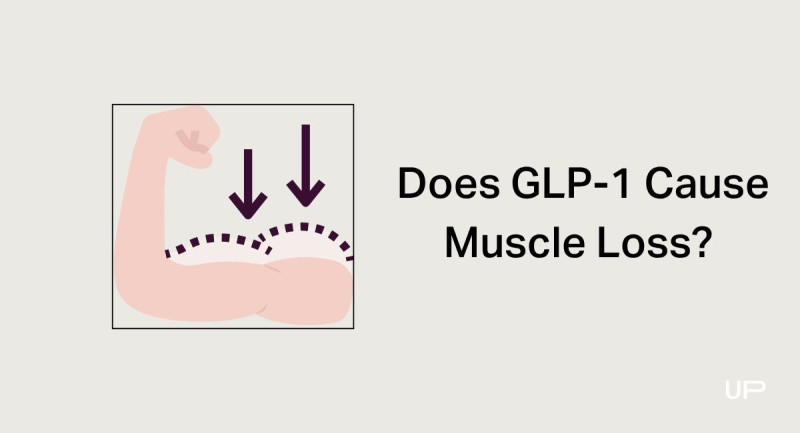

GLP-1 treatment can support substantial weight loss, and some of that weight may come from lean mass as well as body fat. However, this should not automatically be interpreted as the medication directly causing muscle loss.
Most of the weight lost with GLP-1 treatment is generally fat, while a smaller proportion may come from lean tissue. This pattern is not unique to GLP-1 treatment; some lean-mass loss can occur with other forms of significant weight loss, including lifestyle-based weight reduction.
It is also important to distinguish lean mass from skeletal muscle. Lean mass includes more than muscle, so a reduction in lean mass on a body-composition scan does not mean that the entire change represents lost muscle tissue.
The goal during weight loss should therefore be not only to reduce body weight, but also to preserve strength, physical function, and muscle as much as possible through appropriate nutrition and activity.
Topics covered in this article:
- Does GLP-1 Cause Muscle Loss?
- What Is the Difference Between Lean Mass and Muscle Mass?
- How Much Lean Mass Can You Lose on GLP-1?
- Is GLP-1 Muscle Loss Different From Muscle Loss During Dieting?
- Why Can Muscle and Lean Mass Decrease During GLP-1 Weight Loss?
- Who May Be More at Risk of Losing Muscle?
- Does Losing Muscle Slow Your Metabolism?
- Can GLP-1 Muscle Loss Cause Weakness?
- How Can You Tell if You Are Losing Too Much Muscle?
- How Can You Protect Muscle While Taking GLP-1?
- How Much Protein Do You Need While Taking GLP-1?
- Why Is Resistance Training Important During GLP-1 Weight Loss?
- Is Cardio Enough to Prevent Muscle Loss?
- Does Rapid Weight Loss Increase the Risk of Muscle Loss?
- Can Eating Too Little on GLP-1 Lead to Muscle Loss?
- Are Older Adults at Greater Risk of GLP-1 Muscle Loss?
- Can You Build Muscle While Taking GLP-1?
- Can Muscle Come Back After GLP-1 Weight Loss?
- Should You Measure Body Composition While Taking GLP-1?
- When Should You Speak to a Healthcare Provider?
- Key Takeaways
- FAQ
- References
Does GLP-1 Cause Muscle Loss?
GLP-1-supported weight loss can include some loss of lean mass, but current evidence does not suggest that these medications uniquely cause the body to lose muscle instead of fat.
A 2026 meta-analysis of randomized controlled trials found that most weight lost with incretin-based treatment came from fat, while roughly a quarter to a third came from lean mass. Importantly, the proportion of weight lost as lean mass was broadly similar to what was seen with intensive lifestyle-based weight loss.
This means that lean-mass loss appears to be, at least in part, a consequence of significant weight reduction itself, rather than a unique effect of GLP-1 treatment.
How much lean tissue is lost can vary according to factors such as:
- Amount and speed of weight loss
- Starting body composition
- Protein intake
- Overall calorie intake
- Resistance training
- Age
- Physical activity
- Individual health factors
This is why it is more accurate to say that GLP-1 treatment can be associated with lean-mass loss during weight loss, rather than saying that the medication directly “burns” or “eats” muscle.
Preserving muscle remains important because muscle contributes to strength, mobility, physical function, and overall metabolic health.
What Is the Difference Between Lean Mass and Muscle Mass?
Lean mass and muscle mass are not the same thing. This distinction is important when interpreting studies about GLP-1 treatment and body composition.
Lean mass is a broad term referring to the body’s non-fat components. Depending on how it is measured and reported, this can include:
- Skeletal muscle
- Body water
- Organs
- Connective tissue
- Bone-related components
- Other non-fat tissues
Skeletal muscle, by contrast, refers specifically to the muscles attached to the skeleton that contribute to movement, strength, and physical function.
This matters because a study showing a reduction in “lean mass” does not necessarily mean that the same amount of skeletal muscle was lost. Changes in water and other non-fat tissues can also contribute to the measurement.
Body-composition methods can also differ in what they classify as lean tissue, which makes comparisons between studies more complicated.
For this reason, muscle strength and physical function can be just as important as muscle size or body-composition measurements. Someone may lose some measured lean mass while still maintaining good strength and mobility, particularly when resistance training and adequate nutrition are part of the weight-loss plan.
How Much Lean Mass Can You Lose on GLP-1?
There is no universal percentage of lean mass that everyone loses during GLP-1-supported weight loss. The amount can vary substantially depending on how much total weight is lost, starting body composition, age, nutrition, physical activity, resistance training, and the method used to measure body composition.
Clinical evidence suggests that lean mass can decrease during GLP-1-supported weight loss, although the amount varies across studies and individuals. A separate 2026 meta-analysis estimated that lean mass represented roughly a quarter to about two-fifths of total weight lost with incretin-based treatment. However, these are study averages and should not be used to predict exactly what will happen to one person.
The amount of total weight lost also matters. Someone who loses more weight overall may lose more lean mass in absolute terms, even if the proportion of lean tissue lost is similar.
Measurement methods can also produce different results. Body-composition techniques such as DXA, bioelectrical impedance, CT, and MRI do not measure exactly the same tissues in the same way. This is another reason percentages reported across studies can vary.
It is therefore more useful to look at body composition, strength, physical function, nutrition, and overall health together, rather than focusing on one percentage of lean-mass loss.
Is GLP-1 Muscle Loss Different From Muscle Loss During Dieting?
Not necessarily. Lean-mass loss can occur with significant weight loss regardless of how the weight is achieved, including through calorie restriction and intensive lifestyle intervention.
Recent randomized-trial evidence found that the proportion of weight lost as lean mass during incretin-based treatment was broadly comparable with intensive lifestyle-based weight loss.
This does not mean lean-mass loss should be ignored. It means that GLP-1 treatment should not automatically be viewed as uniquely harmful to muscle.
The quality of weight loss still matters. Ideally, a greater proportion of weight lost comes from fat while as much lean tissue, strength, and physical function as possible are preserved.
Resistance training appears particularly important in this context. Evidence suggests that lifestyle programs including resistance exercise may preserve lean mass better than weight loss approaches without that muscle-building stimulus.
Why Can Muscle and Lean Mass Decrease During GLP-1 Weight Loss?
Muscle and lean mass can decrease during GLP-1-supported weight loss for several reasons, many of which are related to weight loss itself rather than a direct effect on muscle tissue.
Possible contributors include:
- Calorie deficit: Losing weight requires the body to use stored energy, and some lean tissue may be lost alongside fat.
- Reduced appetite: GLP-1 treatment can make it easier to eat substantially less, which may reduce overall calorie and nutrient intake.
- Low protein intake: If appetite falls significantly, some people may not consume enough protein to support muscle maintenance.
- Rapid weight loss: Larger or faster changes in body weight may increase concern about preserving lean tissue.
- Limited resistance training: Without regular strength-based exercise, muscles receive less stimulus to maintain their size and function.
- Age-related changes: Muscle mass and strength naturally tend to decline with age, which can make preservation more important during weight loss.
These factors often overlap. For example, someone eating much less, consuming inadequate protein, and doing little resistance exercise may be more vulnerable to losing lean tissue than someone following a well-supported nutrition and strength-training plan.
Who May Be More at Risk of Losing Muscle?
Some people may be more vulnerable to clinically meaningful muscle loss during weight reduction than others.
Higher-risk groups can include:
- Older adults: Age-related muscle loss can reduce the amount of muscle available to lose safely.
- People with low baseline muscle mass: Starting with less muscle may make further loss more important.
- People with frailty: Reduced strength, mobility, or physical resilience can make lean-mass preservation especially important.
- People eating very little: Very low calorie or protein intake may make it harder to maintain muscle.
- People losing weight rapidly: Faster weight reduction may increase concern about preserving lean tissue.
- Sedentary individuals: Low levels of regular movement can contribute to loss of muscle and function.
- People who do little resistance training: Without a strength-building stimulus, muscle preservation may be more difficult.
- People with certain health conditions: Illnesses that affect mobility, nutrition, metabolism, or muscle can increase vulnerability.
For people at greater risk, the goal should not simply be to maximize weight loss. Maintaining strength, mobility, adequate nutrition, and physical function is equally important.
Does Losing Muscle Slow Your Metabolism?
Muscle contributes to resting energy expenditure, so losing muscle can reduce the amount of energy your body uses at rest. However, this effect should not be exaggerated into the idea that muscle loss permanently “damages” the metabolism.
As body weight decreases, total energy needs usually fall because a smaller body requires less energy to maintain. Some of this change is related to reductions in fat mass, some to lean mass, and some to broader metabolic adaptations that occur with weight loss.
This means a lower resting energy expenditure after weight loss is not caused by muscle loss alone.
Even so, preserving muscle remains important because muscle supports:
- Strength
- Mobility
- Physical function
- Exercise capacity
- Healthy aging
- Overall metabolic health
The goal during GLP-1-supported weight loss should therefore be to lose excess body fat while preserving as much muscle, strength, and function as reasonably possible.
Can GLP-1 Muscle Loss Cause Weakness?
Loss of muscle can contribute to reduced strength or physical function, but a decrease in measured lean mass does not automatically mean that someone will become weak.
Lean mass includes more than skeletal muscle, and changes in body composition do not always translate directly into changes in strength.
It is also important to distinguish muscle weakness from general fatigue. Feeling tired, low in energy, or less motivated to exercise is not necessarily the same as losing muscle strength.
Possible signs of declining strength or function can include:
- Greater difficulty lifting or carrying everyday objects
- Difficulty getting up from a chair
- Reduced ability to climb stairs
- Slower walking
- Declining exercise performance
- Difficulty completing activities that were previously manageable
If weakness is new, progressive, or interfering with daily activities, it should be assessed by a healthcare provider. Other causes, including inadequate nutrition, dehydration, illness, medication effects, or other health conditions, may also need to be considered.
How Can You Tell if You Are Losing Too Much Muscle?
A bathroom scale cannot tell you whether weight loss is coming from fat, muscle, water, or other lean tissue.
Instead, signs that may suggest excessive or clinically important muscle loss include:
- Declining strength: Everyday tasks or exercises become noticeably more difficult.
- Reduced physical function: Activities such as climbing stairs, standing from a chair, or walking become harder.
- Difficulty lifting or carrying: Objects that were previously manageable feel significantly heavier.
- Slower walking or reduced endurance: Normal movement becomes more difficult or tiring.
- Visible loss of muscle size: Arms, legs, or other areas may appear noticeably smaller, although appearance alone is not a reliable measure.
- Changes in body-composition measurements: Repeated measurements may show declining lean mass, although results need to be interpreted carefully.
The most useful assessment usually combines weight trend, strength, physical function, nutrition, and body composition, rather than relying on any single measurement.
If weight is falling rapidly alongside worsening strength, mobility, or ability to meet nutritional needs, speak with a healthcare provider.
How Can You Protect Muscle While Taking GLP-1?
Muscle loss cannot always be completely prevented during significant weight loss, but several strategies may help preserve muscle, strength, and physical function.
Key approaches include:
- Do resistance training: Strength-based exercise provides a direct stimulus for muscles to remain active and adapt during weight loss.
- Get enough protein: Adequate protein provides amino acids needed to maintain and repair muscle tissue.
- Eat enough overall: Very low food intake can make it harder to meet protein, vitamin, mineral, and energy needs.
- Stay physically active: Regular movement helps support fitness, mobility, and overall health.
- Avoid unnecessarily rapid weight loss: Faster weight loss may make preserving lean tissue more difficult, particularly if nutrition or exercise is inadequate.
- Monitor strength and function: Pay attention to whether everyday activities or exercise performance are declining.
- Use follow-up when needed: Healthcare providers or dietitians can help assess nutrition, weight-loss pace, body composition, and other risk factors.
Resistance training and adequate nutrition are especially important for people who are older, starting with low muscle mass, losing weight quickly, or having difficulty eating enough.
The goal is not simply to make the number on the scale fall as quickly as possible. A better outcome is to reduce excess body fat while preserving strength, mobility, and as much muscle as possible.
How Much Protein Do You Need While Taking GLP-1?
There is no single protein target that is right for everyone taking GLP-1 treatment. Protein needs vary based on age, body size, activity level, overall calorie intake, health status, and whether someone is trying to preserve or build muscle.
This matters because GLP-1 treatment can reduce appetite enough that some people unintentionally eat much less overall. When food intake drops, it can become harder to get enough protein and other nutrients.
Helpful strategies can include:
- Include protein at each meal: Spreading protein across the day may be more practical than trying to consume most of it at once.
- Choose nutrient-dense protein sources: Foods such as eggs, dairy, fish, poultry, legumes, tofu, and other protein-rich options can help support intake.
- Prioritize protein when appetite is low: If smaller meals are more comfortable, including a protein source early in the meal can help.
- Pair protein with resistance training: Adequate protein is most useful when combined with a stimulus that tells the body to maintain muscle.
- Avoid relying on a universal number: A target that works for one person may not be appropriate for another.
People with kidney disease, other medical conditions, or special nutritional needs should not substantially increase protein intake without individualized guidance.
A healthcare provider or dietitian can help determine an appropriate protein intake based on body size, health, activity level, and weight-loss goals.
Why Is Resistance Training Important During GLP-1 Weight Loss?
Resistance training is important because it gives muscles a reason to maintain their size, strength, and function during weight loss.
When calorie intake decreases and body weight falls, the body can lose some lean tissue along with fat. Strength-based exercise helps provide a mechanical stimulus that supports muscle preservation.
Potential benefits include:
- Supporting muscle retention
- Maintaining or improving strength
- Preserving physical function
- Supporting mobility and independence
- Improving body composition
- Helping maintain exercise capacity during weight loss
Resistance training can include weights, resistance bands, machines, body-weight exercises, or other forms of strength-based activity.
For many adults, performing resistance exercise on at least two days per week is consistent with general physical activity guidance, but the appropriate amount depends on fitness level, age, health, mobility, and previous exercise experience.
The goal is not necessarily to train intensely. A program that is safe, progressive, and appropriate for the individual can still provide meaningful benefit.
Is Cardio Enough to Prevent Muscle Loss?
Cardiovascular exercise is valuable for health, but cardio alone may not provide the same muscle-preserving stimulus as resistance training.
Activities such as walking, cycling, swimming, and jogging can improve:
- Cardiovascular fitness
- Endurance
- Blood pressure
- Blood sugar regulation
- Mood
- Overall physical activity
However, resistance exercise directly challenges the muscles against load, which is particularly useful for maintaining strength and lean tissue during weight loss.
For many people, the best approach is not to choose between cardio and resistance training, but to combine both.
Regular aerobic activity supports cardiovascular health and energy expenditure, while resistance training helps preserve muscle and strength. The balance between the two can be adjusted according to health, ability, preferences, and goals.
Does Rapid Weight Loss Increase the Risk of Muscle Loss?
Faster weight loss can raise concern about losing more lean tissue, especially when it is accompanied by very low calorie intake, inadequate protein, or little resistance training.
When energy intake drops substantially, the body draws on stored energy to meet its needs. Most weight loss may still come from fat, but lean tissue can also be lost.
Factors that may increase concern include:
- Very low food intake
- Inadequate protein
- Limited strength training
- Rapid drops in body weight
- Older age
- Low baseline muscle mass
- Illness or reduced mobility
That does not mean there is one universal rate of weight loss that is automatically safe or unsafe for everyone. Appropriate weight-loss pace depends on starting weight, overall health, nutrition, treatment response, and medical context.
The more important question is whether weight loss is occurring while strength, nutrition, and physical function are being maintained.
If weight is falling quickly alongside weakness, poor food intake, difficulty meeting protein needs, or declining physical function, the treatment plan should be reviewed with a healthcare provider.
Can Eating Too Little on GLP-1 Lead to Muscle Loss?
Yes. Eating too little during GLP-1-supported weight loss can increase the risk of losing lean tissue, especially if protein and overall nutrition are inadequate.
Because GLP-1 treatment can reduce appetite, some people may unintentionally eat far less than usual. That can make it harder to meet the body’s needs for:
- Protein
- Total energy
- Vitamins and minerals
- Fluids
- Other essential nutrients
If intake becomes too low for too long, the body may have less nutritional support available to maintain muscle.
This does not mean people should try to “eat through” appetite suppression or force large meals. The goal is to make the food that is eaten as nutrient-dense and balanced as possible.
Deliberately trying to accelerate weight loss through extreme restriction or starvation is not a good strategy. Faster weight loss is not necessarily better if it comes at the expense of strength, nutrition, or physical function.
Red flags that may suggest intake is too low include:
- Persistent weakness
- Dizziness
- Difficulty completing normal activities
- Very low energy
- Ongoing nausea or vomiting
- Difficulty meeting basic protein or fluid needs
- Rapid weight loss accompanied by declining strength
If eating becomes consistently difficult or nutritional intake is very limited, speak with a healthcare provider or dietitian.
Are Older Adults at Greater Risk of GLP-1 Muscle Loss?
Older adults may be more vulnerable to clinically important muscle loss during weight reduction because muscle mass and strength naturally tend to decline with age.
This age-related loss of muscle and function is often referred to as sarcopenia. Someone who already has lower muscle reserves may have less room to lose additional lean tissue without affecting mobility, balance, or independence.
Potential concerns include:
- Reduced strength
- Slower walking
- Difficulty getting up from a chair
- Greater risk of falls
- Reduced ability to perform daily activities
- Loss of physical independence
For older adults using GLP-1 treatment, preserving muscle should be considered alongside weight loss.
Helpful strategies may include:
- Adequate protein intake
- Regular resistance training
- Staying physically active
- Avoiding unnecessarily rapid weight loss
- Monitoring strength and mobility
- Closer nutrition and medical follow-up when needed
The goal is not simply to achieve the lowest possible body weight. In older adults especially, maintaining strength, mobility, and function may be just as important as the amount of weight lost.
Can You Build Muscle While Taking GLP-1?
Yes, it may be possible to build muscle while taking GLP-1 treatment, particularly with regular resistance training and adequate nutrition.
How much muscle someone can gain depends on factors such as:
- Training experience
- Resistance-training intensity and progression
- Protein intake
- Total calorie intake
- Age
- Starting muscle mass
- Overall health
- Sleep and recovery
People who are new to resistance training may sometimes gain muscle even while losing weight, especially if they have adequate protein intake and a well-structured exercise program.
However, building substantial amounts of muscle can be more difficult during a significant calorie deficit. During active weight loss, the more realistic goal for many people may be to preserve existing muscle and strength, rather than maximize muscle growth.
Once body weight and calorie intake become more stable, gaining additional muscle may become easier.
Can Muscle Come Back After GLP-1 Weight Loss?
Yes. Muscle that is lost during weight reduction can often be rebuilt, although the amount and speed of recovery vary between individuals.
Rebuilding muscle generally requires:
- Progressive resistance training: Muscles need an increasing strength-based stimulus over time.
- Adequate protein: Protein provides the building blocks needed for muscle repair and growth.
- Enough overall nutrition: Muscle recovery is harder when calorie and nutrient intake remain very low.
- Consistency: Muscle rebuilding usually takes time rather than happening within a few weeks.
- Adequate recovery: Sleep and rest support adaptation to training.
Age, health conditions, baseline muscle mass, and the amount of muscle lost can all affect how quickly someone recovers.
Older adults or people with significant weakness may need a more gradual approach and closer professional support.
The encouraging point is that muscle loss during weight reduction does not automatically mean permanent muscle loss. With appropriate nutrition, resistance training, and time, strength and muscle mass can often improve.
Should You Measure Body Composition While Taking GLP-1?
Body-composition testing can be useful in some cases, but it is not necessary for everyone taking GLP-1 treatment.
A standard scale only shows total body weight. It cannot tell whether weight change is coming from:
- Body fat
- Muscle
- Water
- Other lean tissue
For many people, simpler measures can provide useful information, including:
- Waist circumference
- Strength
- Walking speed
- Ability to perform everyday activities
- Exercise performance
- Overall physical function
Body-composition tools such as DXA scans and bioelectrical impedance analysis (BIA) can estimate fat and lean mass, but they have limitations. Results can be affected by hydration, equipment, testing conditions, and the method used.
They also do not measure muscle function directly.
Body-composition testing may be more useful for people who:
- Are losing weight rapidly
- Have low baseline muscle mass
- Are older or frail
- Have declining strength or mobility
- Are at higher risk of muscle loss
- Need more detailed monitoring for clinical reasons
For most people, the most important question is not simply how much lean mass appears on a scan, but whether strength, mobility, nutrition, and overall health are being maintained during weight loss.
When Should You Speak to a Healthcare Provider?
Speak with a healthcare provider if you are concerned that weight loss is affecting your nutrition, strength, or physical function.
Medical review may be especially important if you experience:
- Rapid or unexpectedly large weight loss
- New or worsening weakness
- Difficulty getting enough protein, calories, or fluids
- Very low appetite that makes regular eating difficult
- Declining mobility or ability to perform everyday activities
- Repeated dizziness, fatigue, or poor exercise tolerance
- Concerns about significant muscle or lean-mass loss
Older adults, people with frailty, and those who already have low muscle mass may benefit from closer monitoring during weight loss.
A healthcare provider can review the pace of weight loss, nutrition, activity, medications, and other health factors. A dietitian or qualified exercise professional may also be helpful when nutrition or strength preservation needs more individualized support.
The goal should be to achieve weight loss while protecting strength, mobility, nutritional health, and quality of life.
Key Takeaways
- GLP-1-supported weight loss can include some loss of lean mass as well as fat.
- Lean mass is not the same as skeletal muscle. It also includes water, organs, and other non-fat tissues.
- Most weight lost during GLP-1 treatment is generally fat rather than lean tissue.
- Lean-mass loss is not unique to GLP-1 treatment and can also occur during other forms of significant weight loss.
- Muscle loss may be more concerning in older adults, people with low baseline muscle mass, frailty, very low food intake, or limited physical activity.
- Adequate protein, resistance training, overall nutrition, and regular physical activity can help support muscle preservation.
- Rapid weight loss combined with poor nutrition or declining strength deserves closer attention.
- Cardio is beneficial for health, but resistance training provides a more direct stimulus for maintaining muscle and strength.
- A scale alone cannot determine whether weight loss is coming from fat or muscle.
- Preserving strength and physical function can be just as important as preserving muscle mass itself.
FAQ
GLP-1-supported weight loss can include some loss of lean mass, but this does not mean the medication directly causes the body to lose muscle. Lean-mass loss also occurs with other forms of significant weight loss.
There is no universal amount. Studies generally measure lean mass rather than skeletal muscle specifically, and results vary depending on total weight loss, age, nutrition, activity, and measurement method.
Not necessarily. Muscle and strength can often improve with progressive resistance training, adequate protein, sufficient nutrition, and time.
No. Lean mass includes skeletal muscle, but it also includes water, organs, connective tissue, and other non-fat tissues.
No. Most weight lost during GLP-1 treatment is generally body fat, although some lean mass may also be lost.
Possible contributors include reduced calorie intake, inadequate protein, rapid weight loss, limited resistance training, age-related muscle loss, and reduced physical activity.
Risk may be greater in older adults, people with low muscle mass, frailty, very low food intake, rapid weight loss, or limited physical activity.
You may not be able to prevent all lean-mass loss, but resistance training, adequate protein, balanced nutrition, regular activity, and appropriate follow-up can help support muscle preservation.
There is no single protein target for everyone. Needs depend on body size, age, activity, overall health, calorie intake, and medical conditions.
For many people, yes. Resistance training can help maintain or improve muscle strength and support lean-mass preservation during weight loss.
Walking is excellent for cardiovascular health and general activity, but it does not usually provide the same muscle-building stimulus as resistance training. Combining both can be beneficial.
Some people may experience weakness during weight loss, but this does not necessarily mean muscle loss is the cause. Low food intake, dehydration, illness, fatigue, or other health factors may also contribute.
Muscle contributes to resting energy expenditure, so losing muscle can reduce energy needs somewhat. However, lower metabolism after weight loss is also related to overall reduction in body size and other metabolic adaptations.
Rapid weight loss may increase concern about lean-mass loss, particularly when it occurs with low calorie intake, inadequate protein, or little resistance training.
Yes. Consistently eating too little can make it harder to meet the body’s needs for protein, energy, vitamins, minerals, and other nutrients needed to maintain muscle.
Older adults may be more vulnerable because muscle mass and strength naturally decline with age. Preserving strength, balance, and mobility is particularly important in this group.
Yes, it may be possible, particularly for people who are new to resistance training. However, during significant calorie restriction, maintaining existing muscle may be a more realistic goal than maximizing muscle growth.
Yes. Muscle can often be rebuilt through progressive resistance training, adequate protein, sufficient overall nutrition, and consistent recovery.
A scale cannot tell the difference. Declining strength, reduced mobility, poorer exercise performance, and body-composition measurements may provide additional clues.
Not necessarily. Body-composition testing may be useful for selected people, but strength, mobility, waist measurements, nutrition, and physical function can also provide valuable information.
References
UPGUYS has strict sourcing guidelines to ensure our content is accurate and current. We rely on peer-reviewed studies, academic research institutions, and medical associations. We strive to use primary sources and refrain from using tertiary references.- Lean Mass Changes With Incretin Therapy Versus Lifestyle Intervention: A Systematic Review and Meta-Analysis of Randomised Controlled Trials, PubMed,
https://pubmed.ncbi.nlm.nih.gov/41877354/ - The Effects of Glucagon-Like Peptide-1 Receptor Agonists and Sodium-Glucose Co-Transporter-2 Inhibitors on Lean Body Mass in Humans: A Systematic Review and Meta-Analysis of Randomised Controlled Trials, PubMed,
https://pubmed.ncbi.nlm.nih.gov/42319968/
This article is written for informational purposes only and does not constitute medical advice. The information provided in the articles cannot and should not replace advice from a healthcare professional. Talk to your healthcare provider about any physical or mental health concerns or the risks and benefits of any treatment or medication.


UPRX Pharmacy (West) Licenced by:
College of Pharmacists of British Columbia
Licence Number: 38287
1221543 B.C. LTD
224 – 3989 Henning Dr.
Burnaby BC, V5C 6P8 Canada
P: 604-291-1094 F: 604-291-0827
Pharmacy Manager: Mehrdad Rezaei
UPRX Pharmacy (East)
Accredited by:
Ontario College of Pharmacists
Accreditation Number: 309322
1000286128 Ontario Inc.
105 - 91 Skyway Ave
Etobicoke, ON M9W 6R5 Canada
P: 416-679-1774 F: 416-679-1808
Designated Manager: Todd Spetter