GLP-1 Weight Loss Plateau: Why It Happens And What To Do
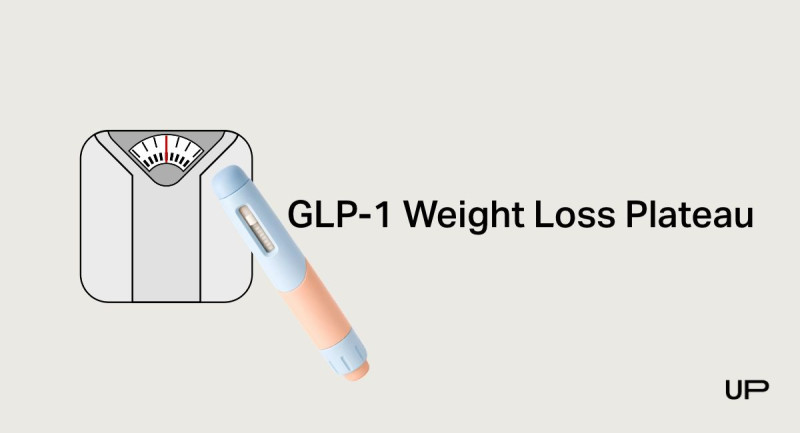

GLP-1 treatment can support meaningful weight loss, but weight loss does not usually continue at the same rate indefinitely. It is common for progress to slow over time and, for some people, eventually reach a plateau.
A plateau does not automatically mean treatment has stopped working. Appetite control may still be present, weight regain may still be prevented, and improvements in waist circumference, blood sugar, blood pressure, or other health markers may continue even when the scale changes more slowly.
Short-term fluctuations are also normal, so a few days without weight loss do not necessarily represent a true plateau. The more useful measure is the overall trend over several weeks, along with changes in appetite, body measurements, physical function, and health.
Understanding why plateaus happen can make them easier to manage without assuming that treatment has failed or that a more aggressive approach is always needed.
Topics covered in this article:
- What Is a GLP-1 Weight Loss Plateau?
- Is It Normal to Plateau on GLP-1?
- Why Does Weight Loss Slow Down on GLP-1?
- Does a Plateau Mean GLP-1 Has Stopped Working?
- When Do GLP-1 Weight Loss Plateaus Usually Happen?
- How Long Can a GLP-1 Plateau Last?
- Is It a Plateau or Just Normal Weight Fluctuation?
- Why Can Your Body Reach a New Weight Balance?
- Can Your Appetite Increase During a GLP-1 Plateau?
- Can Eating More Without Realizing It Cause a Plateau?
- Can Eating Too Little Contribute to a Plateau?
- Does Losing Muscle Affect a GLP-1 Weight Loss Plateau?
- Can Exercise Help Break a GLP-1 Weight Loss Plateau?
- Does Protein Help During a GLP-1 Plateau?
- Can Sleep and Stress Affect a Weight Loss Plateau?
- Should You Track Calories During a GLP-1 Plateau?
- Should You Increase Your GLP-1 Dose if Weight Loss Stops?
- What Should You Check Before Assuming GLP-1 Is Not Working?
- Can You Start Losing Weight Again After a Plateau?
- What If the Scale Stops Changing but Your Waist Gets Smaller?
- Is Maintaining Your Weight After Losing It Still a Success?
- When Should You Speak to a Healthcare Provider?
- Key Takeaways
- FAQ
- References
What Is a GLP-1 Weight Loss Plateau?
A GLP-1 weight loss plateau occurs when body weight stabilizes after a period of previous weight loss.
Weight loss usually slows gradually rather than stopping suddenly. Someone may first notice smaller weekly changes before reaching a period where their average weight remains relatively stable.
There is no single clinical definition that determines exactly how many days or weeks without weight loss count as a plateau. This matters because body weight naturally changes from day to day due to factors such as:
- Hydration
- Sodium intake
- Carbohydrate intake
- Bowel movements
- Hormonal changes
- Time of weighing
- Recent physical activity
A few higher or unchanged weigh-ins therefore do not necessarily mean progress has stopped.
A more meaningful plateau is a sustained period in which the overall weight trend remains relatively stable despite continued treatment and similar habits.
Looking at averages over several weeks can provide a clearer picture than reacting to individual scale readings.
Is It Normal to Plateau on GLP-1?
Yes. Weight-loss plateaus are an expected part of long-term weight management, including during GLP-1 treatment.
Weight loss does not typically continue in a straight line. Early in treatment, the difference between energy intake and energy expenditure may be larger, allowing weight to decrease more quickly. As body weight falls, that difference gradually becomes smaller.
Eventually, the body may reach a point where energy intake and energy expenditure are more closely balanced. At that stage, weight loss can slow considerably or stop.
This pattern is not unique to GLP-1 treatment. Plateaus also occur with lifestyle-based weight loss and other obesity treatments.
Reaching a plateau therefore does not automatically mean that treatment has failed. It may simply mean the body has reached a new balance after a period of weight reduction.
Why Does Weight Loss Slow Down on GLP-1?
Weight loss can slow because the body’s energy needs change as body weight decreases.
A smaller body generally requires less energy to maintain than a larger one. This means that after significant weight loss, the same eating and activity pattern that previously created a calorie deficit may eventually produce a much smaller deficit.
Several factors may contribute:
- Lower energy requirements: Less body mass generally means fewer calories are needed to maintain weight.
- Changes in energy expenditure: Resting and total daily energy expenditure may decrease as weight falls.
- Changes in appetite regulation: Hunger and food intake can change over time as the body adapts to weight loss.
- A smaller calorie gap: The difference between energy intake and energy use gradually narrows.
- Behavioural changes: Portion sizes, snacking, physical activity, sleep, or routines may shift over time.
Eventually, energy intake and expenditure may become similar enough that body weight stabilizes.
This is a normal physiological response to weight loss and should not automatically be interpreted as a “damaged metabolism.”
Does a Plateau Mean GLP-1 Has Stopped Working?
No. A weight-loss plateau does not necessarily mean GLP-1 treatment has stopped working.
Even when the scale is no longer falling, treatment may still be helping with:
- Appetite control
- Portion regulation
- Reduced food intake
- Prevention of weight regain
- Maintenance of previous weight loss
- Improvements in weight-related health markers
Weight maintenance itself can be a meaningful treatment outcome, especially after substantial weight has already been lost.
It is also important to avoid assuming that the body has become “resistant” to GLP-1 treatment simply because weight loss has slowed. Plateaus are expected as energy intake and expenditure gradually move toward a new balance.
The more useful question is whether treatment is still supporting weight stability, appetite control, health improvements, and long-term management goals, rather than whether the scale continues to fall every week.
When Do GLP-1 Weight Loss Plateaus Usually Happen?
There is no single timeline for when a GLP-1 weight loss plateau will occur.
Weight loss often slows progressively over time rather than stopping at a specific week or month. The timing can vary based on factors such as:
- Starting body weight
- Amount of weight already lost
- Individual response to treatment
- Appetite changes
- Nutrition
- Physical activity
- Treatment duration
- Other health factors
Clinical trials show that plateaus commonly develop after months of treatment, but the exact timing varies considerably between individuals.
Some people may experience a noticeable slowing relatively early, while others may continue losing weight for much longer before reaching a more stable weight.
For this reason, it is better to look at the overall weight trend over time rather than expecting a plateau at a particular week.
How Long Can a GLP-1 Plateau Last?
A GLP-1 weight loss plateau can last weeks or months, and there is no fixed duration that applies to everyone.
For some people, weight may remain stable for a period and then begin decreasing again. For others, the plateau may represent a transition into a longer-term weight-maintenance phase.
How long a plateau lasts can depend on factors such as:
- Appetite and food intake
- Current energy needs
- Physical activity
- Changes in body composition
- Sleep and stress
- Treatment response
- Other medications or health conditions
A plateau should therefore be evaluated based on the longer-term trend, rather than a short period without movement on the scale.
If weight remains stable for an extended period, that does not automatically mean treatment has failed. Maintaining previously lost weight may itself represent an important benefit.
Is It a Plateau or Just Normal Weight Fluctuation?
Not every period of unchanged or higher scale weight is a true plateau.
Body weight naturally fluctuates from day to day because of factors such as:
- Water retention
- Sodium intake
- Carbohydrate intake
- Bowel contents
- Hormonal changes, including the menstrual cycle where applicable
- Time of day
- Recent meals or physical activity
These changes can temporarily move the scale up or down without representing a meaningful change in body fat.
For example, eating a higher-sodium meal may increase water retention, while changes in carbohydrate intake can affect how much water is stored with glycogen.
A more useful approach is to weigh under similar conditions and look at the average trend over several weeks.
If weight remains relatively stable over a sustained period despite similar treatment, eating, and activity patterns, that is more consistent with a true plateau than a few days of scale fluctuation.
Why Can Your Body Reach a New Weight Balance?
As body weight decreases, the body gradually requires less energy to maintain its smaller size.
This means the calorie deficit that supported earlier weight loss can become smaller over time, even if eating and activity habits have not changed dramatically.
Several adaptations can contribute:
- Lower energy requirements: A smaller body generally uses fewer calories at rest and during movement.
- Reduced total energy expenditure: Daily energy use tends to fall as weight decreases.
- Changes in appetite: Biological signals may encourage greater food intake as the body adapts to weight loss.
- A narrowing energy gap: The difference between calories consumed and calories used becomes smaller.
Eventually, energy intake and energy expenditure may become close enough that weight stabilizes.
This is sometimes described as reaching a new energy balance.
It does not mean the metabolism is “broken” or permanently damaged. Instead, it reflects normal physiological adaptation to a lower body weight.
Can Your Appetite Increase During a GLP-1 Plateau?
Yes, appetite can change during a GLP-1 weight loss plateau, although this does not happen to everyone.
Some people may notice:
- More hunger between meals
- Larger portions becoming easier to eat
- More frequent cravings
- Increased interest in snacks
- Less pronounced fullness after meals
These changes can contribute to a smaller calorie deficit and may help explain why weight loss slows.
However, increased appetite does not automatically mean GLP-1 treatment has stopped working. Appetite regulation may still be improved compared with before treatment, even if the effect feels less noticeable than it did earlier.
It can be useful to monitor changes in hunger, portions, snacking, and meal patterns over several weeks rather than assuming that a plateau is caused by treatment failure.
If appetite increases substantially or weight begins to rise consistently, a healthcare provider can help review whether nutrition, activity, treatment, or other health factors may need reassessment.
Can Eating More Without Realizing It Cause a Plateau?
Yes. Small increases in food or drink intake can gradually reduce the calorie deficit that was supporting weight loss, even when eating habits still feel similar overall.
This can happen through:
- Larger portions: Serving sizes may slowly increase over time.
- More frequent snacks: Small snacks can add up across the day.
- Calorie-containing drinks: Coffee additions, juice, alcohol, and other beverages can contribute energy without creating much fullness.
- Calorie-dense foods: Foods that are easy to eat in small amounts can still contain substantial calories.
- Different weekend habits: Eating patterns may be more relaxed on weekends or social occasions.
This should not be framed as a lack of willpower. Appetite, routines, social eating, and treatment response can all change over time.
If weight loss has stalled, a short-term review of portions, snacks, drinks, and meal patterns can sometimes reveal changes that were difficult to notice day to day.
Can Eating Too Little Contribute to a Plateau?
Eating too little is not a reliable way to overcome a weight-loss plateau.
Very low food intake can make it harder to meet the body’s needs for:
- Protein
- Vitamins and minerals
- Fluids
- Fibre
- Overall energy
It can also contribute to fatigue, which may reduce spontaneous movement, exercise, and overall daily activity.
Very low intake may also increase concern about lean-mass loss, especially if protein intake and resistance training are inadequate.
This does not mean that eating too little causes the body to completely “shut down” weight loss or that starvation permanently damages metabolism. Those claims oversimplify how energy balance works.
The more useful goal is a sustainable eating pattern that supports nutrition, strength, activity, and long-term weight management, rather than extreme restriction.
Does Losing Muscle Affect a GLP-1 Weight Loss Plateau?
Muscle contributes to resting energy expenditure, so losing lean mass can reduce energy needs to some degree during weight loss.
However, muscle loss is only one part of the picture. A plateau is usually influenced by several factors, including lower body weight, reduced total energy expenditure, appetite changes, food intake, activity, and normal physiological adaptation.
Lean-mass loss can also occur during many forms of significant weight loss, not only during GLP-1 treatment.
Preserving muscle is still important because it supports:
- Strength
- Mobility
- Physical function
- Exercise capacity
- Healthy aging
- Overall metabolic health
Resistance training and adequate nutrition can help support muscle preservation during weight loss.
Read more: GLP-1 Muscle Loss
Can Exercise Help Break a GLP-1 Weight Loss Plateau?
Exercise may help during a weight-loss plateau because it can increase total energy expenditure and support muscle preservation, but it does not guarantee that weight loss will restart.
Different types of activity provide different benefits:
- Resistance training: Helps preserve or improve muscle and strength.
- Cardio: Supports cardiovascular fitness and increases energy expenditure.
- Walking and daily movement: Can meaningfully increase overall activity throughout the day.
- Recreational activity: Sports, hiking, cycling, and other enjoyable movement can make regular activity easier to maintain.
Even if the scale remains stable, exercise can still improve fitness, strength, blood pressure, blood sugar regulation, mood, and physical function.
The goal should not be to use exercise as punishment for a plateau. A sustainable combination of daily movement, cardio, and resistance training is generally more useful than suddenly adding extreme amounts of exercise.
Does Protein Help During a GLP-1 Plateau?
Protein can be helpful during a plateau, but it is not a guaranteed way to restart weight loss.
Adequate protein can support:
- Satiety: Protein-containing meals may help with fullness.
- Muscle preservation: Protein provides amino acids needed to maintain and repair muscle.
- Nutritional adequacy: This is especially important when overall appetite and food intake are reduced.
- Recovery from resistance training: Protein supports muscle adaptation after exercise.
Protein needs vary based on age, body size, activity level, health status, and overall calorie intake.
Rather than focusing on protein as a “plateau breaker,” it is more useful to view it as one part of a balanced nutrition plan that supports muscle, fullness, and long-term weight management.
Can Sleep and Stress Affect a Weight Loss Plateau?
Yes. Sleep and stress can influence appetite, eating behaviour, activity, and recovery, all of which can affect weight-management progress.
Poor sleep may contribute to:
- Increased hunger
- More cravings
- Lower energy
- Reduced physical activity
- Poorer exercise recovery
- Less consistent eating routines
Stress can also affect food choices, appetite, sleep quality, and motivation to stay active.
However, it is important not to oversimplify this by blaming a plateau entirely on stress hormones or cortisol. Weight regulation is influenced by many interacting factors.
Improving sleep consistency and stress management may help support healthier routines, but they should be considered part of the overall picture, not a single explanation for why weight loss has slowed.
Should You Track Calories During a GLP-1 Plateau?
Tracking calories can be useful for some people during a weight-loss plateau, but it is not required for everyone.
A short-term review of food and drink intake can help identify patterns that are easy to miss, such as:
- Gradually larger portions
- More frequent snacks
- Calorie-containing drinks
- Changes in weekend eating
- Less protein or fibre than usual
- Increased intake of calorie-dense foods
The goal does not have to be precise calorie counting. For some people, simply paying closer attention to portions, meal patterns, hunger, and fullness can provide useful information.
Tracking should also not become a reason to pursue extreme restriction. Eating too little can make it harder to meet nutritional needs, maintain activity, and preserve muscle.
If calorie tracking becomes stressful, overly restrictive, or difficult to interpret, a dietitian can help develop a more sustainable approach.
Should You Increase Your GLP-1 Dose if Weight Loss Stops?
Not automatically. A weight-loss plateau does not mean that everyone needs a higher GLP-1 dose.
Treatment dosing should be individualized based on factors such as:
- Current treatment response
- Appetite control
- Amount of weight already lost
- Side effects and tolerability
- Weight-related health improvements
- Personal treatment goals
- Overall health
The maximum available dose is not necessarily the right dose for every person. Some people may achieve meaningful treatment goals at a lower dose.
Do not increase, decrease, or change the timing of GLP-1 treatment on your own in an attempt to break a plateau.
If weight loss has stopped for a sustained period, a healthcare provider can review whether the current treatment remains appropriate and whether changes to nutrition, activity, dose, or the broader treatment plan should be considered.
What Should You Check Before Assuming GLP-1 Is Not Working?
Before concluding that GLP-1 treatment is no longer working, look at the broader pattern rather than the scale alone.
Consider reviewing:
- Weight trend: Has average weight truly been stable for several weeks, or is this a short-term fluctuation?
- Waist measurement: Changes in waist circumference may occur even when scale weight changes slowly.
- Appetite: Has hunger returned significantly, or is appetite still lower than before treatment?
- Portion sizes: Have meals gradually become larger?
- Snacks and drinks: Have additional calories become more frequent?
- Protein and overall nutrition: Are meals still balanced and adequate?
- Physical activity: Has daily movement changed?
- Resistance training: Are you doing activities that help maintain muscle and strength?
- Sleep: Has sleep quality or duration declined?
- Stress: Have changes in stress affected eating, activity, or routines?
- Treatment adherence: Is treatment being used as prescribed?
- Other medications: Have any medications been started or changed?
- Health changes: Have new medical conditions or symptoms developed?
This type of review can help identify whether the plateau reflects a normal physiological transition, changes in daily habits, or something that deserves medical reassessment.
Can You Start Losing Weight Again After a Plateau?
Yes, weight loss can sometimes resume after a plateau, but it is not guaranteed.
For some people, reviewing nutrition, activity, sleep, or other behaviours may help create a new energy deficit. In other situations, a healthcare provider may determine that the treatment plan should be reassessed.
However, a plateau can also represent a new weight-maintenance phase. After substantial weight loss, the body may reach a point where energy intake and energy expenditure are closely balanced.
Whether further weight loss occurs can depend on:
- Amount of weight already lost
- Current energy needs
- Appetite and food intake
- Physical activity
- Treatment response
- Individual biology
- Health and weight goals
Continued weight loss is not the only measure of success. Maintaining a meaningful amount of previously lost weight can also be an important long-term outcome.
What If the Scale Stops Changing but Your Waist Gets Smaller?
If your weight remains stable but your waist circumference decreases, your body may still be changing even though the scale is not.
Body weight represents the combined weight of fat, muscle, water, bone, and other tissues. It does not show how those components are changing individually.
Useful signs of continued progress may include:
- Smaller waist circumference
- Changes in how clothing fits
- Improved strength
- Better fitness or endurance
- Improved mobility
- Changes in body composition
- Improvements in blood pressure, blood sugar, or other health markers
For example, maintaining or gaining some muscle while losing body fat can result in relatively little change on the scale while body composition improves.
This is why scale weight should be viewed as one measure of progress rather than the only measure.
Tracking waist circumference, strength, physical function, and relevant health markers can provide a more complete picture of how treatment is affecting your health.
Is Maintaining Your Weight After Losing It Still a Success?
Yes. Maintaining weight after meaningful weight loss is a successful treatment outcome, even if the scale is no longer moving downward.
Weight maintenance matters because preventing regain can help preserve improvements achieved during treatment, including changes in:
- Waist circumference
- Blood sugar
- Blood pressure
- Cholesterol and triglycerides
- Mobility
- Physical fitness
- Overall quality of life
Obesity is a chronic condition, so long-term management is not only about continuing to lose weight. It is also about maintaining progress and reducing the likelihood of significant regain.
For some people, a plateau may represent the point where active weight loss transitions into weight maintenance. That does not mean treatment has failed.
If weight remains stable after substantial loss and health markers have improved, maintaining that progress can still be clinically meaningful.
When Should You Speak to a Healthcare Provider?
Consider speaking with a healthcare provider if a weight-loss plateau is prolonged, accompanied by other concerns, or raising questions about whether your treatment plan should change.
Medical review may be particularly useful if you experience:
- A prolonged plateau despite following your treatment plan
- A significant return of appetite or cravings
- Consistent weight regain after previously losing weight
- Severe or persistent side effects
- Very low food or fluid intake
- Weakness, fatigue, or concerns about nutrition
- Difficulty meeting protein or other nutritional needs
- Questions about changing your dose
- New medications that may affect appetite or weight
- New or changing health conditions
Do not independently increase, decrease, stop, or change the timing of GLP-1 treatment because of a plateau.
A healthcare provider can review your weight trend, appetite, nutrition, activity, side effects, other medications, and overall health to determine whether the plateau reflects a normal maintenance phase or whether the treatment plan should be adjusted.
Key Takeaways
- GLP-1 weight loss commonly slows over time and may eventually plateau.
- A plateau does not automatically mean treatment has stopped working.
- As body weight falls, energy requirements generally decrease, making the calorie deficit that drove earlier weight loss smaller.
- Short-term scale changes caused by water, sodium, food intake, and other factors should not be confused with a true plateau.
- Appetite, portion sizes, activity, sleep, stress, and other behaviours can change over time and influence progress.
- Very low calorie intake is not a recommended way to overcome a plateau and may make it harder to meet nutritional needs.
- Resistance training, adequate protein, regular activity, and balanced nutrition can support muscle and overall health.
- A dose increase is not automatically required when weight loss stops.
- Progress can also appear through changes in waist circumference, strength, fitness, and health markers even when scale weight is stable.
- Maintaining meaningful previous weight loss can itself be a successful long-term outcome.
FAQ
A GLP-1 weight loss plateau is a period when body weight remains relatively stable after previously decreasing. It usually reflects a sustained trend rather than a few days without scale movement.
Yes. Weight loss typically slows over time, and plateaus are common during long-term weight management.
As body weight decreases, the body generally requires less energy. Appetite, food intake, physical activity, sleep, stress, and other factors may also change, allowing energy intake and expenditure to become more balanced.
No. Treatment may still be helping control appetite, maintain previous weight loss, prevent regain, or support other health improvements even if the scale is stable.
There is no universal timeline. Weight loss often slows gradually over months of treatment, but the timing varies considerably between individuals.
A plateau may last weeks or months. Some people begin losing again, while others transition into a longer-term maintenance phase.
Yes, it is possible, but not guaranteed. Changes in nutrition, activity, sleep, or the treatment plan may help in some cases.
Start by reviewing the overall weight trend, portions, snacks, protein intake, physical activity, resistance training, sleep, stress, and treatment adherence. There is no single strategy that works for everyone.
Not automatically. Dosing should be individualized based on treatment response, side effects, appetite, health goals, and medical assessment.
Yes. Some people may notice more hunger, larger portions, or increased cravings over time. This does not necessarily mean treatment has stopped working completely.
Gradual increases in portions, snacks, drinks, or calorie-dense foods can reduce the calorie deficit that supported earlier weight loss. This can contribute to a plateau.
Very low intake is not a reliable way to overcome a plateau. It may contribute to fatigue, reduced activity, poor nutrition, and lean-mass loss.
Energy expenditure generally decreases as body weight falls because a smaller body requires less energy. This is a normal adaptation and does not mean the metabolism is permanently damaged.
It can contribute modestly because muscle uses energy, but it is rarely the only explanation. Lower body weight, appetite changes, food intake, activity, and other adaptations also matter.
Exercise may increase energy expenditure and support muscle preservation, but it does not guarantee that weight loss will restart. It still provides important cardiovascular, metabolic, and functional benefits.
Protein can support satiety, muscle preservation, and nutritional adequacy, but it is not a guaranteed plateau-breaking strategy.
Stress can influence appetite, eating patterns, sleep, and activity, which may contribute to stalled progress. It is usually one factor among many rather than the sole cause.
Yes. Poor sleep can influence hunger, cravings, energy levels, physical activity, and recovery, potentially making weight management more difficult.
Not necessarily. If scale weight is stable but waist circumference is decreasing, body composition may still be changing. Strength, clothing fit, fitness, and health markers can also provide useful signs of progress.
Speak with a healthcare provider if the plateau is prolonged, appetite has returned significantly, weight is consistently increasing, side effects are severe, food intake is very low, or you are considering changing your dose or treatment plan.
References
UPGUYS has strict sourcing guidelines to ensure our content is accurate and current. We rely on peer-reviewed studies, academic research institutions, and medical associations. We strive to use primary sources and refrain from using tertiary references.- Time to weight plateau with tirzepatide treatment in the SURMOUNT‐1 and SURMOUNT‐4 clinical trials, PubMed,
https://pmc.ncbi.nlm.nih.gov/articles/PMC12096058/ - Physiology of the Weight Loss Plateau after Calorie Restriction, GLP-1 Receptor Agonism, and Bariatric Surgery, PubMed,
https://pmc.ncbi.nlm.nih.gov/articles/PMC10705578/
This article is written for informational purposes only and does not constitute medical advice. The information provided in the articles cannot and should not replace advice from a healthcare professional. Talk to your healthcare provider about any physical or mental health concerns or the risks and benefits of any treatment or medication.

UPRX Pharmacy (West) Licenced by:
College of Pharmacists of British Columbia
Licence Number: 38287
1221543 B.C. LTD
224 – 3989 Henning Dr.
Burnaby BC, V5C 6P8 Canada
P: 604-291-1094 F: 604-291-0827
Pharmacy Manager: Mehrdad Rezaei
UPRX Pharmacy (East)
Accredited by:
Ontario College of Pharmacists
Accreditation Number: 309322
1000286128 Ontario Inc.
105 - 91 Skyway Ave
Etobicoke, ON M9W 6R5 Canada
P: 416-679-1774 F: 416-679-1808
Designated Manager: Todd Spetter