Why You Feel Different Between Injections: TRT Peak And Trough Levels
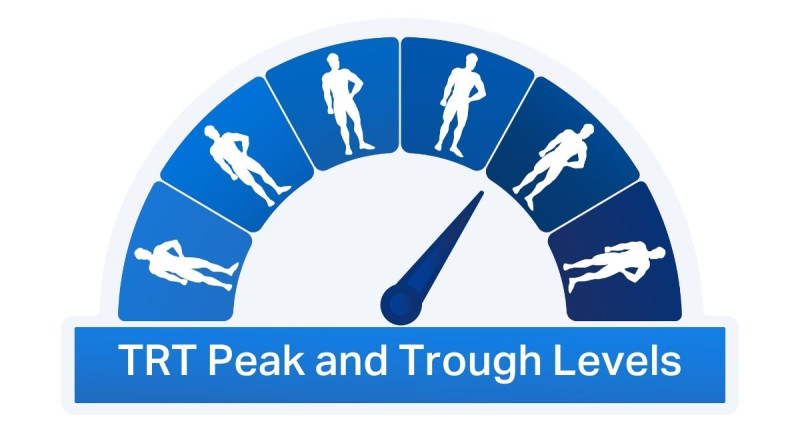

If you’re on testosterone replacement therapy (TRT) in Canada and feel great after your injection but noticeably worse before your next dose, you’re not imagining it. This pattern is one of the most common experiences with injectable TRT—and it’s usually explained by something called peak and trough levels.
These fluctuations can affect how you feel day to day, your energy, mood, libido, and even how your treatment is adjusted. Understanding them is key to making TRT more stable, predictable, and effective.
This guide breaks down what peak and trough levels actually mean, why they matter, and how they influence your dosing, symptoms, and blood test timing.
Topics covered in this article:
- What Are Peak and Trough Levels in TRT?
- Why Peak and Trough Levels Matter
- When Should You Do Blood Work on TRT?
- What High Peaks Feel Like
- What Low Troughs Feel Like
- How Injection Frequency Affects Peaks and Troughs
- Do Enanthate and Cypionate Differ in Peaks and Troughs?
- How to Reduce Peak–Trough Swings
- When to Adjust Your TRT Protocol
- FAQ
- Conclusion
- References
What Are Peak and Trough Levels in TRT?
Peak and trough levels refer to the highest and lowest testosterone levels in your body between injections.
- A peak is when your testosterone level is at its highest after an injection
- A trough is when your testosterone level is at its lowest, right before your next dose
After an injection, testosterone levels rise, reach a peak, and then gradually decline over time until the next injection. This cycle repeats with every dose.
Why this matters:
- The bigger the gap between peak and trough, the more likely you are to feel fluctuations
- Smaller, more stable changes tend to result in more consistent symptoms
- Blood tests are usually timed at the trough to measure your lowest level and guide dosing decisions
Peak and trough levels are a normal part of injectable TRT—but how large those swings are depends on your dosing schedule, frequency, and individual response.
Why Peak and Trough Levels Matter
Peak and trough levels directly affect how you feel on TRT. When the difference between your highest and lowest testosterone levels is too large, it can lead to noticeable ups and downs rather than steady, consistent results.
Symptom fluctuations
- After an injection, rising testosterone levels can lead to increased energy, improved mood, and higher libido
- As levels decline toward the next dose, some men experience fatigue, lower motivation, or reduced sexual drive
- These shifts are often described as feeling “on” after the injection and “off” before the next one
Stability vs swings
- Smaller differences between peak and trough levels generally lead to more stable symptoms
- Larger swings can make TRT feel inconsistent, even if total weekly dosage is appropriate
- The goal of most TRT protocols is to reduce these fluctuations, not just increase testosterone levels
Real-life impact
- Fluctuating levels can affect daily performance, mood, and overall quality of life
- Inconsistent energy or focus can make it harder to maintain routines or feel reliable day to day
- Some side effects are also more likely when peaks are too high or troughs are too low
Peak and trough levels are not just numbers on a lab report—they directly shape how TRT feels in real life.
When Should You Do Blood Work on TRT?
Blood work on TRT is typically done at the trough level—right before your next injection—to measure your lowest testosterone level and guide dosing decisions.
Timing your blood test correctly is critical. The same dose can look very different on a lab report depending on when you measure it.
Trough testing standard
- Most providers recommend testing at the trough, which is the lowest point before your next injection
- This gives a consistent baseline to evaluate whether your testosterone levels are staying within the target range
- Trough levels are used to adjust dose and frequency safely
Timing after injection
- If you inject once weekly, blood work is usually done on the day of your next injection, before taking it
- If you inject twice weekly, testing is still done just before your next scheduled dose
- Testing too soon after an injection will reflect a peak, not your baseline
Why timing matters
- Testing at peak can make testosterone levels look artificially high
- This may lead to unnecessary dose reductions
- Consistent trough testing allows for more accurate, repeatable comparisons over time
The key is consistency. Blood tests should always be done at the same point in your injection cycle so results can be interpreted correctly and your TRT can be adjusted with confidence.
What High Peaks Feel Like
High peaks occur shortly after your injection, when testosterone levels rise to their highest point. For some men, this feels like a noticeable boost—but if peaks are too high, they can also come with downsides.
Energy spike
- Many men feel a surge in energy, motivation, and mental clarity after an injection
- Libido and confidence may also increase during this period
- This is often when TRT feels most “effective”
Irritability and overstimulation
- If levels rise too quickly or too high, some men experience:
- Irritability
- Restlessness
- Difficulty relaxing
- Instead of feeling balanced, energy can feel uneven or excessive
Possible side effects
- Higher peaks are more likely to be associated with:
- Fluid retention
- Acne or oily skin
- Increased blood pressure in some cases
- Larger spikes can also contribute to hormonal fluctuations over the full dosing cycle
High peaks are not always a problem, but when they are too pronounced, they can lead to a “rollercoaster” effect. The goal in most TRT protocols is not just to increase testosterone—but to keep levels stable and predictable.
What Low Troughs Feel Like
Low troughs occur just before your next injection, when testosterone levels have declined to their lowest point. If this drop is too pronounced, it can lead to a noticeable dip in how you feel.
Fatigue
- Energy levels may decrease as testosterone declines
- You may feel more tired, less motivated, or physically drained compared to earlier in the week
- Daily tasks can feel more effortful during this period
Low mood
- Some men experience a drop in mood or mental sharpness
- This can show up as reduced focus, lower confidence, or feeling less engaged
- The contrast with how you felt at peak levels can make this more noticeable
“Crash” before the next dose
- A common complaint is feeling a “crash” leading up to the next injection
- This may include a combination of low energy, low libido, and reduced drive
- The timing often becomes predictable, occurring near the end of each dosing cycle
Low troughs are one of the main reasons TRT can feel inconsistent. Reducing the gap between peak and trough levels is often key to improving overall stability and how you feel day to day.
How Injection Frequency Affects Peaks and Troughs
Injection frequency is one of the most important factors influencing how large your peak and trough swings are on TRT. The same weekly dose can feel very different depending on how often it is administered.
Once weekly vs split dosing
- With once-weekly injections, testosterone levels tend to rise higher after the injection and fall more sharply before the next dose
- This often creates a larger gap between peak and trough levels
- With split dosing (for example, twice weekly), the same total dose is divided into smaller amounts
- This leads to smaller rises and falls throughout the week
Stability improvements
- More frequent injections help reduce extreme highs and lows
- Testosterone levels stay within a narrower range, which improves consistency
- Many men report fewer energy crashes, more stable mood, and better overall symptom control
Injection frequency does not change how much testosterone you take—it changes how stable it feels. Adjusting frequency is often one of the most effective ways to improve the day-to-day experience on TRT.
Do Enanthate and Cypionate Differ in Peaks and Troughs?
Testosterone enanthate and testosterone cypionate have slight differences in how they behave in the body, but in practice, their peak and trough patterns are largely similar when used in TRT.
Slight differences
- Testosterone cypionate has a slightly longer half-life than enanthate
- This can result in a more gradual rise and slower decline in testosterone levels
- Enanthate may reach peak levels a bit faster and decline slightly sooner
Largely similar in real-world use
- Both medications follow the same general pattern: rise after injection, peak, then gradual decline
- Injection frequency has a much bigger impact on peaks and troughs than the specific ester used
- When dosed similarly (for example, weekly or split dosing), most men experience very comparable stability
In practice, the choice between enanthate and cypionate usually does not significantly change how peaks and troughs feel. Dosing schedule and consistency are far more important for achieving stable results.
How to Reduce Peak–Trough Swings
Reducing peak–trough swings is one of the most effective ways to make TRT feel more stable and predictable. The goal is not to increase testosterone further, but to keep levels within a narrower range throughout the dosing cycle.
Split dosing
- Dividing your weekly dose into two smaller injections is one of the most common strategies
- This reduces how high levels rise after each injection and how low they fall before the next
- Many men experience more consistent energy, mood, and libido with this approach
Consistent schedule
- Taking injections at the same days and times each week helps maintain stable levels
- Irregular timing can increase fluctuations and make symptoms less predictable
- Consistency allows your body to adapt to a steady rhythm of hormone delivery
Monitoring and adjustments
- Regular blood work, especially at trough levels, helps identify whether swings are too large
- Symptom tracking is just as important as lab values when evaluating stability
- Adjustments to dose or frequency should be based on both how you feel and objective data
Peak–trough swings are not inevitable. With the right dosing strategy and consistent monitoring, TRT can feel much more stable from day to day.
When to Adjust Your TRT Protocol
Adjusting your TRT protocol should be based on a combination of how you feel and what your lab results show—not just one or the other.
Symptoms and labs together
- Symptoms often provide the first signal that something is off
- This may include energy fluctuations, mood changes, or inconsistent libido
- Lab results help confirm whether testosterone levels are too high, too low, or fluctuating too much
- Looking at both together gives a more complete picture of how your treatment is working
Not numbers alone
- A lab value on its own does not tell the full story
- Two people with the same testosterone level can feel very different
- Adjusting treatment based only on numbers can lead to overcorrection or unnecessary changes
The goal of TRT is not to chase a specific number—it is to achieve stable levels that align with how you feel. The best adjustments are made when symptoms and lab data are considered together.
FAQ
Peak levels are the highest testosterone levels after an injection, while trough levels are the lowest levels just before the next dose.
Fluctuations between peak and trough levels can cause changes in energy, mood, and libido, especially if the gap between them is large.
Blood tests are usually done at the trough, right before your next injection, to measure your lowest level and guide treatment adjustments.
They can be. Very high peaks may lead to side effects like irritability, fluid retention, or feeling overstimulated.
Low troughs occur when testosterone levels drop too much before the next dose, which can lead to fatigue, low mood, and reduced libido.
Yes. More frequent injections (such as split dosing) typically reduce fluctuations and improve stability.
They have slight differences in half-life, but in practice, their peak and trough patterns are very similar when dosed properly.
Conclusion
Peak and trough levels are a normal part of injectable TRT, but they play a major role in how consistent and effective your treatment feels.
When the gap between high and low levels is too large, it can lead to noticeable fluctuations in energy, mood, and overall well-being. Understanding this pattern helps explain why some men feel great after an injection but worse before the next.
The key to optimizing TRT is not just the total dose, but how it is delivered. Injection frequency, timing, and consistency all influence how stable your hormone levels remain throughout the week.
With the right adjustments and proper monitoring, most men can reduce these swings and achieve a more steady, predictable response to treatment.
References
UPGUYS has strict sourcing guidelines to ensure our content is accurate and current. We rely on peer-reviewed studies, academic research institutions, and medical associations. We strive to use primary sources and refrain from using tertiary references.- Evaluation and Management of Testosterone Deficiency (2024), AUA,
https://www.auanet.org/guidelines-and-quality/guidelines/testosterone-deficiency-guideline - Testosterone Therapy in Men With Hypogonadism: An Endocrine Society* Clinical Practice Guideline, JCEM,
https://academic.oup.com/jcem/article/103/5/1715/4939465 - If the condom doesn't fit, you must resize it, PubMed,
https://pubmed.ncbi.nlm.nih.gov/21074009/
This article is written for informational purposes only and does not constitute medical advice. The information provided in the articles cannot and should not replace advice from a healthcare professional. Talk to your healthcare provider about any physical or mental health concerns or the risks and benefits of any treatment or medication.






UPRX Pharmacy (West) Licenced by:
College of Pharmacists of British Columbia
Licence Number: 38287
1221543 B.C. LTD
224 – 3989 Henning Dr.
Burnaby BC, V5C 6P8 Canada
P: 604-291-1094 F: 604-291-0827
Pharmacy Manager: Mehrdad Rezaei
UPRX Pharmacy (East)
Accredited by:
Ontario College of Pharmacists
Accreditation Number: 309322
1000286128 Ontario Inc.
105 - 91 Skyway Ave
Etobicoke, ON M9W 6R5 Canada
P: 416-679-1774 F: 416-679-1808
Designated Manager: Todd Spetter