Hair Care Tips For Men: 9 Simple Ways To Keep Your Hair Healthy
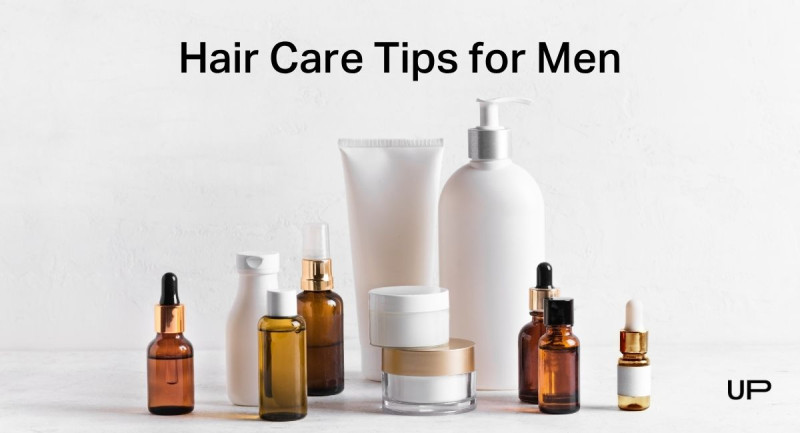

Yes, men need proper hair care—and simple habits can make a noticeable difference in hair health and appearance.

Basic routines like washing properly, conditioning, and protecting your hair from damage can help keep it strong and manageable. That said, it’s important to understand the difference between maintenance and treatment. Good hair care supports scalp health and reduces damage, but it does not address underlying causes of hair loss. For ongoing or pattern-related hair concerns, options like hair loss treatment in Canada are designed to target those deeper factors.
Topics covered in this article:
What Is Proper Hair Care for Men?
Proper hair care for men means maintaining both the scalp and the hair itself through consistent, balanced habits.
This includes:
- Keeping the scalp clean without overwashing
- Using products suited to your hair type
- Protecting the hair shaft from damage (heat, friction, harsh products)
Healthy hair starts at the scalp. When the scalp environment is balanced, hair is more likely to grow stronger and look healthier. At the same time, how you treat the hair itself—through washing, drying, and styling—affects how it looks and feels day to day.
Key takeaway: Good hair care focuses on both scalp health and minimizing damage to the hair, helping maintain strength, appearance, and overall hair quality.
How Often Should Men Wash Their Hair?
It depends on your hair type and lifestyle.
Washing too often can strip away natural oils that protect your hair and scalp, while not washing enough can lead to buildup, irritation, and an unhealthy scalp environment.
Here’s a simple guideline:
- Oily hair: Every 1–2 days
- Normal hair: Every 2–3 days
- Dry or curly hair: Every 3–5 days
Factors like sweating, product use, and work environment also matter. For example, if you exercise frequently or work in dusty conditions, you may need to wash more often.
Overwashing can lead to dryness, brittleness, and scalp irritation.
Underwashing can cause oil buildup, dandruff, and clogged follicles.
Key takeaway: Wash your hair often enough to keep your scalp clean, but not so often that you strip away its natural protection.
9 Hair Care Tips for Men
1. Keep Your Scalp Clean (But Don’t Overwash)
Yes, keeping your scalp clean is essential—but overwashing can do more harm than good.
Dirt, sweat, and product buildup can affect scalp health, but washing too frequently can strip natural oils that protect your hair.
Key takeaway: Clean your scalp regularly, but avoid daily overwashing unless needed.
2. Use the Right Shampoo for Your Hair Type
Yes, using the right shampoo makes a difference.
Different hair types (oily, dry, curly, fine) have different needs. Using the wrong product can lead to dryness, excess oil, or irritation.
Key takeaway: Choose a shampoo based on your hair type, not just what’s popular.
3. Don’t Skip Conditioner
Yes, conditioner helps maintain healthy hair.
Conditioner adds moisture, reduces tangles, and protects the hair shaft from damage—especially if your hair feels dry or rough.
Key takeaway: Use conditioner regularly to keep hair soft, manageable, and less prone to breakage.
4. Go Easy on Heat Styling
Yes, too much heat can damage your hair.
Frequent use of blow dryers or hot tools can weaken hair strands, making them dry and brittle over time.
Key takeaway: Limit heat styling or use lower settings to reduce damage.
5. Moisturize Your Scalp
Yes, a healthy scalp supports healthy hair.
Dry or irritated scalp conditions can affect how your hair looks and feels. Light oils or scalp-friendly products can help maintain balance.
Key takeaway: Keep your scalp hydrated, especially if you experience dryness or irritation.
6. Choose Hair Products Carefully
Yes, not all hair products are equal.
Heavy styling products or those with harsh ingredients can build up on the scalp and weigh hair down.
Key takeaway: Use products that suit your hair type and avoid overusing styling products.
7. Be Consistent With Your Routine
Yes, consistency matters more than occasional effort.
Healthy hair comes from regular habits, not one-time fixes. Skipping routines or changing products too often can limit results.
Key takeaway: Stick to a simple routine and give it time to work.
8. Pay Attention to Diet and Hydration
Yes, what you eat affects your hair.
Nutrients like protein, iron, and vitamins play a role in hair strength and growth. Dehydration can also impact scalp health.
Key takeaway: A balanced diet and proper hydration support healthier hair over time.
9. Address Hair Loss Early
Yes, early action can make a difference.
If you notice signs like thinning, a receding hairline, or increased shedding, it’s important to pay attention early. General hair care can help maintain hair quality, but it may not stop underlying hair loss.
Key takeaway: Don’t ignore early signs—understanding the cause is key to choosing the right approach.
What Damages Hair the Most?
Hair damage usually comes from repeated stress on the hair shaft and scalp over time.
- Heat: Frequent use of blow dryers or hot tools can weaken the hair structure, leading to dryness, brittleness, and breakage
- Chemicals: Harsh products, dyes, or treatments can strip moisture and damage the protective outer layer of the hair
- Overwashing: Washing too often removes natural oils that help protect and strengthen hair
- Friction: Rough towel drying, tight hairstyles, or even pillowcase friction can cause breakage and split ends
These factors don’t just affect how your hair looks—they can also make it more fragile and prone to thinning over time.
Key takeaway: Most hair damage comes from daily habits—reducing heat, harsh products, and friction can help maintain stronger, healthier hair.
When Should You Be Concerned About Hair Loss?
It depends on whether you’re noticing temporary shedding or ongoing thinning.
- Shedding vs thinning: It’s normal to shed some hair daily. However, if you’re noticing more hair falling out than usual for several weeks—or your hair feels less dense overall—it may be more than temporary shedding.
- Pattern loss signs: Gradual changes like a receding hairline, thinning at the crown, or widening part lines are common signs of pattern-related hair loss
Occasional shedding can happen due to stress, illness, or seasonal changes. But consistent thinning or visible changes in hair pattern usually point to a longer-term issue.
If hair loss continues or becomes noticeable, it may be worth looking into the underlying cause and exploring appropriate options.
Key takeaway: Temporary shedding is common, but ongoing thinning or pattern changes are signs you shouldn’t ignore.
Frequently Asked Questions About Hair Care for Men
Yes, simple habits can make a big difference.
Keeping your scalp clean, using the right products, avoiding excessive heat, and maintaining a consistent routine all help support healthier hair over time.
Sometimes, yes.
Daily washing can strip natural oils and lead to dryness for some people. However, those with very oily hair or active lifestyles may tolerate it better.
Typically, a simple and consistent routine works best.
This includes washing based on your hair type, using conditioner regularly, minimizing heat damage, and avoiding harsh products.
No, hair care alone cannot prevent all types of hair loss.
While good habits can improve hair quality and reduce breakage, they do not address underlying causes of pattern hair loss.
Key Takeaways
- Good hair care helps maintain scalp health and hair strength
- Simple habits like proper washing, conditioning, and minimizing damage go a long way
- Consistency matters more than using many different products
- Hair care supports healthy hair, but does not replace targeted approaches for hair loss
If you're looking to go beyond basic hair care, it may be worth exploring options that address underlying causes of hair loss.
While everyday habits help maintain healthy hair, they don’t always stop ongoing or pattern-related hair loss. Speaking with a licensed healthcare provider can help you better understand your options and choose an approach that fits your needs.
References
UPGUYS has strict sourcing guidelines to ensure our content is accurate and current. We rely on peer-reviewed studies, academic research institutions, and medical associations. We strive to use primary sources and refrain from using tertiary references.- Tips for healthy hair, AAD,
https://www.aad.org/public/everyday-care/hair-scalp-care/hair/healthy-hair-tips - 8 Foods To Help You Grow Longer, Healthier Hair, Cleveland Clinic,
https://health.clevelandclinic.org/food-for-hair-growth - What is male pattern hair loss, and can it be treated? AAD,
https://www.aad.org/public/diseases/hair-loss/treatment/male-pattern-hair-loss-treatment
This article is written for informational purposes only and does not constitute medical advice. The information provided in the articles cannot and should not replace advice from a healthcare professional. Talk to your healthcare provider about any physical or mental health concerns or the risks and benefits of any treatment or medication.





UPRX Pharmacy (West) Licenced by:
College of Pharmacists of British Columbia
Licence Number: 38287
1221543 B.C. LTD
224 – 3989 Henning Dr.
Burnaby BC, V5C 6P8 Canada
P: 604-291-1094 F: 604-291-0827
Pharmacy Manager: Mehrdad Rezaei
UPRX Pharmacy (East)
Accredited by:
Ontario College of Pharmacists
Accreditation Number: 309322
1000286128 Ontario Inc.
105 - 91 Skyway Ave
Etobicoke, ON M9W 6R5 Canada
P: 416-679-1774 F: 416-679-1808
Designated Manager: Todd Spetter