Erectile Dysfunction And High Blood Pressure: What Men Should Know
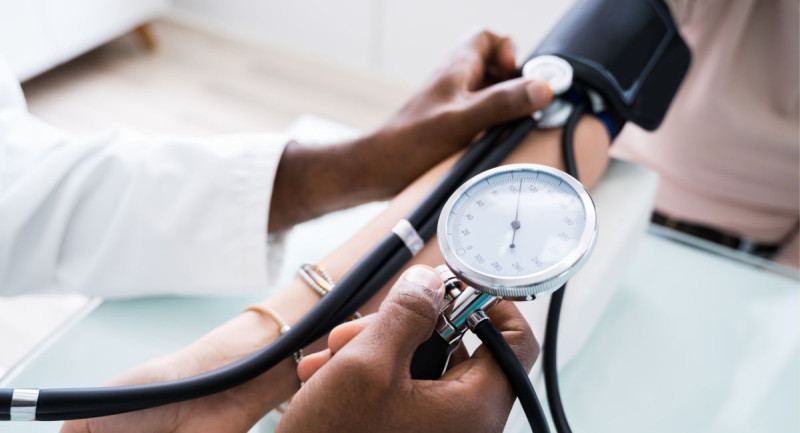

High blood pressure and erectile dysfunction are closely connected through blood flow and blood vessel health. Erections rely on healthy circulation, and when blood vessels become narrowed, stiff, or less responsive, it can become harder to get or maintain an erection.
High blood pressure can damage blood vessels over time and reduce the healthy blood flow needed for firm, reliable erections. However, ED can also have other causes, including stress, anxiety, diabetes, low testosterone, medication side effects, smoking, alcohol use, relationship concerns, and other health conditions.
For men exploring erectile dysfunction treatment in Canada, it is important to look at the full health picture. If ED happens alongside high blood pressure or other cardiovascular risk factors, a healthcare provider can help assess what may be contributing and what treatment options may be appropriate.
Topics covered in this article:
- Can High Blood Pressure Cause Erectile Dysfunction?
- How Are High Blood Pressure and ED Connected?
- What Are the Signs of ED Linked to High Blood Pressure?
- Can Blood Pressure Medication Cause ED?
- Can You Use ED Treatment If You Have High Blood Pressure?
- When ED and High Blood Pressure May Signal Heart Risk
- How to Support Blood Pressure and Erectile Health
- When Should You Speak to a Healthcare Provider?
- Key Takeaways
- FAQ
- References
Can High Blood Pressure Cause Erectile Dysfunction?
Yes, high blood pressure can increase the risk of erectile dysfunction by affecting blood vessels and reducing healthy blood flow to the penis. Erections happen when blood flows into the penis and stays there long enough for sexual activity.
When blood pressure stays high over time, it can put extra strain on the arteries. This may make blood vessels narrower, stiffer, or less able to relax properly. As a result, less blood may reach the penis during arousal, making erections weaker, less reliable, or harder to maintain.
High blood pressure does not explain every case of ED, but it is an important risk factor. It can also overlap with other conditions that affect erections, including diabetes, high cholesterol, obesity, smoking, poor sleep, and heart disease.
How Are High Blood Pressure and ED Connected?
High blood pressure and ED are connected because both involve blood vessel function. Healthy erections require blood vessels to relax and widen so blood can flow into the penis. When blood vessels are damaged, stiffened, or narrowed, that process may not work as well.
One key issue is reduced blood flow. High blood pressure can gradually damage the inner lining of blood vessels, making them less flexible. This can affect circulation throughout the body, including the smaller blood vessels involved in erections.
Endothelial dysfunction may also play a role. The endothelium is the inner lining of blood vessels, and it helps blood vessels relax and widen. When it is not working properly, blood flow may be reduced, which can affect both erectile function and cardiovascular health.
High blood pressure often overlaps with other cardiovascular risk factors. High cholesterol can contribute to plaque buildup in the arteries, while diabetes can affect both blood vessels and nerves involved in erections. Obesity, smoking, heavy alcohol use, inactivity, poor sleep, and chronic stress can also increase the risk of both ED and heart-related health concerns.
Because these factors can build on each other, ED may sometimes be a sign that blood pressure, cholesterol, blood sugar, or overall heart health needs closer attention.
What Are the Signs of ED Linked to High Blood Pressure?
ED linked to high blood pressure may show up as trouble getting an erection, trouble keeping an erection, or erections that feel weaker or less firm than usual. These symptoms can happen when blood flow to the penis is reduced or when blood vessels are not responding as well during arousal.
Some men may notice that erections are less reliable over time. Others may be able to get an erection but have difficulty maintaining it long enough for sexual activity.
ED can also affect confidence. A few difficult experiences may lead to performance anxiety, which can make erections even harder to maintain. This can create a cycle where physical and psychological factors both contribute.
High blood pressure may be more likely to play a role when ED happens alongside other cardiovascular risk factors, such as diabetes, high cholesterol, obesity, smoking, heavy alcohol use, poor sleep, or a history of heart disease.
Can Blood Pressure Medication Cause ED?
Some blood pressure medications may contribute to ED in some men, but men should not stop or change medication without medical guidance. Blood pressure medication is often important for reducing the risk of serious health problems, including heart attack, stroke, and kidney disease.
If ED begins after starting a new blood pressure medication, or if erection problems become worse over time, speak with a healthcare provider. They can review whether the medication may be contributing or whether other factors, such as blood vessel health, diabetes, stress, low testosterone, or lifestyle habits, may be involved.
In some cases, a provider may adjust the treatment plan, change the timing, consider another option where appropriate, or look for other causes of ED. The safest approach is to discuss the concern openly instead of stopping medication on your own.
Can You Use ED Treatment If You Have High Blood Pressure?
Some men with controlled high blood pressure may be candidates for ED treatment, but safety depends on heart health, blood pressure control, medications, and medical history. ED treatment should be considered carefully when cardiovascular risk factors are present.
A healthcare provider may review your blood pressure readings, heart symptoms, current medications, history of heart disease, and overall risk before recommending an option. This is especially important for men with chest pain, shortness of breath, dizziness, recent heart events, or multiple medications.
ED treatment may not be appropriate for everyone with high blood pressure. Some treatment combinations can lower blood pressure too much or may not be safe with certain heart-related medications.
If you have high blood pressure and ED, the best next step is to speak with a healthcare provider. They can help determine whether ED treatment is safe and whether blood pressure, lifestyle factors, or another health issue should be addressed first.
When ED and High Blood Pressure May Signal Heart Risk
ED can sometimes be an early sign of blood vessel or cardiovascular issues, especially when it appears suddenly or happens with other heart-health risk factors. Erections depend on healthy circulation, so changes in erectile function may show up when blood vessels are under strain.
This is especially important for men who have high blood pressure, diabetes, high cholesterol, a history of smoking, obesity, or a family history of heart disease. ED may also be more concerning when it happens alongside chest pain, shortness of breath, dizziness, fainting, or reduced exercise tolerance.
ED does not always mean there is a heart problem. However, when ED is new, persistent, or happening with cardiovascular risk factors, it may be a reason to look more closely at blood pressure, cholesterol, blood sugar, and overall heart health.
How to Support Blood Pressure and Erectile Health
Supporting blood pressure and erectile health often starts with improving blood flow, cardiovascular health, metabolic health, sleep, and daily habits. These changes may not resolve ED for every man, but they can support both sexual health and long-term wellness.
Move More Consistently
Regular movement can support circulation, blood pressure, weight management, energy, mood, and erectile function. This can include walking, cycling, swimming, strength training, or any safe activity that can be done consistently.
Eat for Heart Health
A heart-supportive diet can help support blood pressure, cholesterol, blood sugar, and blood vessel health. Focus on vegetables, fruit, whole grains, lean protein, fibre, and healthy fats.
Reducing highly processed foods, excess sodium, and frequent high-sugar foods or drinks may also support cardiovascular and metabolic health.
Reduce Smoking and Heavy Alcohol Use
Smoking can damage blood vessels and reduce circulation, which may affect both blood pressure and erections. Heavy alcohol use can also affect blood pressure, sleep, hormones, mood, and sexual performance.
Reducing smoking and limiting heavy alcohol use can support erectile function and overall cardiovascular health.
Manage Weight and Blood Sugar
Weight management may help some men improve blood pressure, blood sugar, sleep, inflammation, and circulation. These factors can all influence erectile function.
Blood sugar management is also important because diabetes and insulin resistance can affect both blood vessels and nerves involved in erections.
Improve Sleep and Stress
Poor sleep and chronic stress can affect blood pressure, energy, mood, hormones, and sexual function. Stress and performance anxiety may also make ED feel worse or more frequent.
Better sleep habits, stress management, relaxation techniques, counselling, and open communication with a partner may all support sexual health.
Take Blood Pressure Medication as Directed
Blood pressure medication can be an important part of reducing cardiovascular risk. If you think a medication is affecting your erections, do not stop taking it on your own.
Speak with a healthcare provider. They can review your symptoms, medication timing, dose, overall health, and possible alternatives where appropriate.
When Should You Speak to a Healthcare Provider?
Speak to a healthcare provider if ED is sudden, persistent, or happening with high blood pressure or other cardiovascular risk factors. ED can be connected to blood flow, medications, hormones, mental health, or underlying conditions that may need assessment.
Consider getting checked if you experience:
- sudden erectile dysfunction
- ED that continues or keeps coming back
- ED with high blood pressure
- ED with chest pain, shortness of breath, dizziness, or fainting
- ED after starting a new medication
- ED with diabetes, high cholesterol, or heart disease
- ED with low libido, fatigue, mood changes, or other possible signs of low testosterone
A healthcare provider can review your blood pressure, symptoms, medications, heart-health risk factors, lifestyle, and treatment safety. This can help identify what may be contributing to ED and what next steps may be appropriate.
Key Takeaways
- High blood pressure and erectile dysfunction are connected through blood flow and blood vessel health.
- High blood pressure can make it harder to get or maintain erections by affecting how well blood vessels relax and deliver blood to the penis.
- Some blood pressure medications may contribute to ED in some men, but other factors may also be involved.
- Men should not stop or change blood pressure medication without guidance from a healthcare provider.
- ED that happens with high blood pressure, diabetes, high cholesterol, chest symptoms, smoking, or other cardiovascular risk factors should be medically assessed.
FAQ
Yes, high blood pressure can increase the risk of erectile dysfunction. Erections depend on healthy blood flow, and high blood pressure can damage or stiffen blood vessels over time.
When blood vessels do not relax and widen properly, less blood may reach the penis during arousal. This can make erections weaker, less reliable, or harder to maintain.
High blood pressure may affect erections by damaging blood vessels and reducing healthy circulation. It can make arteries narrower, stiffer, or less responsive, which may limit blood flow to the penis.
High blood pressure can also overlap with other ED risk factors, including diabetes, high cholesterol, obesity, smoking, poor sleep, and heart disease.
Some blood pressure medications may contribute to ED in some men. However, high blood pressure itself, blood vessel health, diabetes, stress, low testosterone, smoking, alcohol use, and other factors may also play a role.
If ED starts after beginning a new medication, speak with a healthcare provider. Do not stop or change blood pressure medication on your own.
Some men with controlled high blood pressure may be able to use ED treatment, but it depends on their overall health. Safety can depend on blood pressure control, heart health, current medications, symptoms, and medical history.
A healthcare provider can help determine whether ED treatment is appropriate and whether any interactions or heart-related risks need to be considered.
ED can sometimes be an early sign of heart or blood vessel disease. Erections rely on healthy circulation, so changes in erection quality may appear when blood vessel function is affected.
This does not mean every man with ED has heart disease. However, ED with high blood pressure, diabetes, high cholesterol, chest symptoms, smoking, obesity, or a family history of heart disease should be checked.
Lowering blood pressure may help support erectile function for some men, especially when high blood pressure is affecting circulation. Improvements in blood pressure, blood sugar, cholesterol, weight, sleep, and overall cardiovascular health may support better erections over time.
However, ED can have more than one cause. Some men may still need further assessment or treatment even after improving blood pressure.
No, you should not stop blood pressure medication without medical guidance. Blood pressure medication helps reduce the risk of serious health problems, including heart attack, stroke, and kidney disease.
If you think your medication is affecting your erections, speak with a healthcare provider. They can review possible causes and discuss safe options where appropriate.
Speak to a healthcare provider if ED is sudden, persistent, or happening with high blood pressure or other cardiovascular risk factors. This is especially important if ED occurs with chest pain, shortness of breath, dizziness, fainting, diabetes, high cholesterol, heart disease, low libido, fatigue, or mood changes.
You should also seek guidance before starting ED treatment if you take blood pressure or heart-related medication.
References
UPGUYS has strict sourcing guidelines to ensure our content is accurate and current. We rely on peer-reviewed studies, academic research institutions, and medical associations. We strive to use primary sources and refrain from using tertiary references.- High blood pressure and sex: Overcome the challenges, Mayo Clinic
https://www.mayoclinic.org/diseases-conditions/high-blood-pressure/in-depth/high-blood-pressure-and-sex/art-20044209 - Blood pressure drugs and ED: What you need to know, Harvard Health Publishing,
https://www.health.harvard.edu/mens-health/blood-pressure-drugs-and-ed-what-you-need-to-know
This article is written for informational purposes only and does not constitute medical advice. The information provided in the articles cannot and should not replace advice from a healthcare professional. Talk to your healthcare provider about any physical or mental health concerns or the risks and benefits of any treatment or medication.




UPRX Pharmacy (West) Licenced by:
College of Pharmacists of British Columbia
Licence Number: 38287
1221543 B.C. LTD
224 – 3989 Henning Dr.
Burnaby BC, V5C 6P8 Canada
P: 604-291-1094 F: 604-291-0827
Pharmacy Manager: Mehrdad Rezaei
UPRX Pharmacy (East)
Accredited by:
Ontario College of Pharmacists
Accreditation Number: 309322
1000286128 Ontario Inc.
105 - 91 Skyway Ave
Etobicoke, ON M9W 6R5 Canada
P: 416-679-1774 F: 416-679-1808
Designated Manager: Todd Spetter