



Low Testosterone
Treatment in Canada
About Low Testosterone and Treatment Options
Testosterone is a crucial hormone that impacts men's energy levels, mood, muscle mass, and sexual function. As men age, testosterone levels naturally decline, leading to symptoms like fatigue, decreased libido, and muscle loss. This condition, known as Low T, can significantly affect your quality of life. Low testosterone can be treated. A licensed healthcare practitioner can review your symptoms and results and discuss whether treatment is appropriate for you.
At UPGUYS, assessment begins with a consultation with a licensed Canadian practitioner who can review your symptoms and lab results and discuss whether treatment is appropriate. If treatment is prescribed, it is dispensed by our pharmacy. To learn more, speak with a licensed practitioner.

No charge for lab requisition authorization, practitioner consultation, or shipping.
As featured in






How Low T Treatment Works at UPGUYS
Four steps, from your first questionnaire through to ongoing care. Everything happens online or over the phone. The only time you leave the house is for your lab test.

Tell us about your symptoms
A short online questionnaire about your health, your symptoms and your medical history.
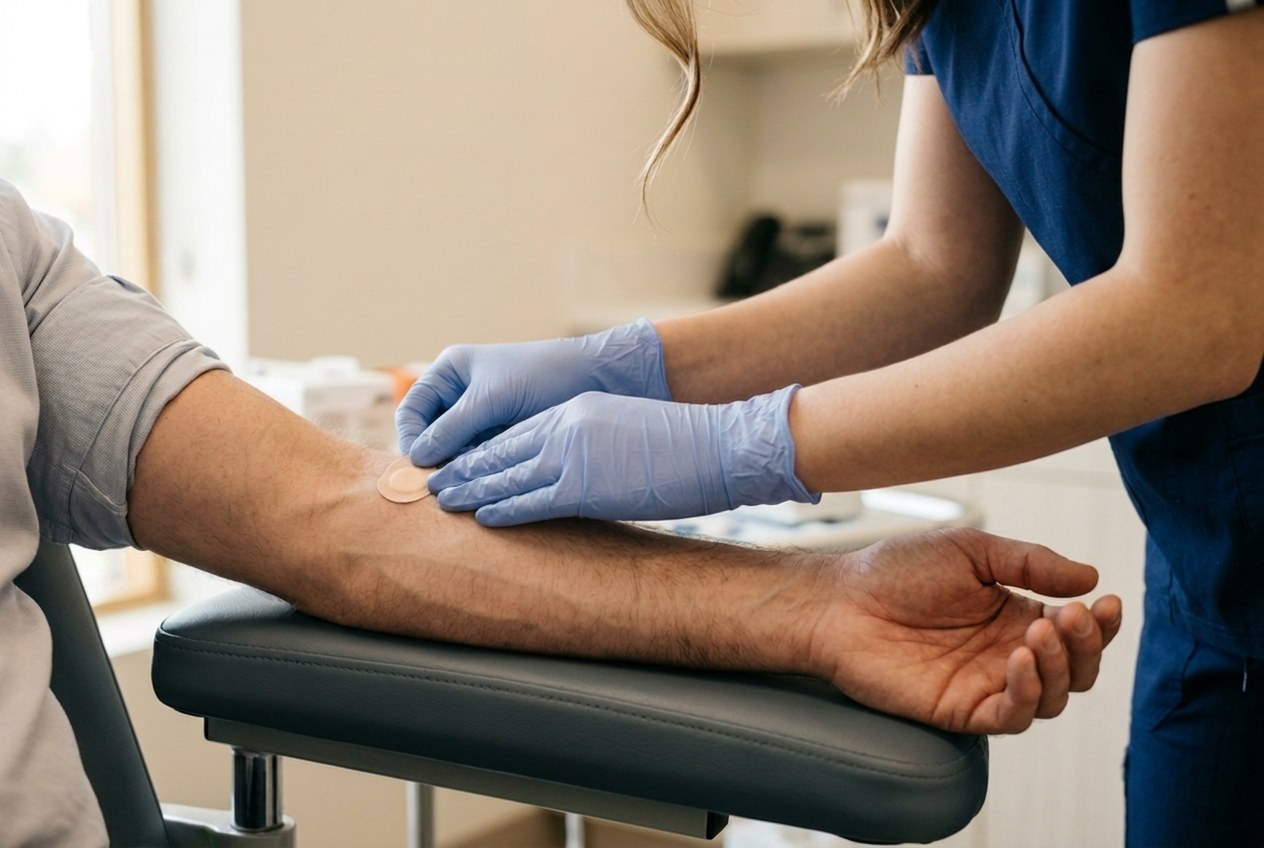
Receive a lab requisition
A licensed Canadian practitioner authorizes it where appropriate. You go to any lab near you to get the test done.
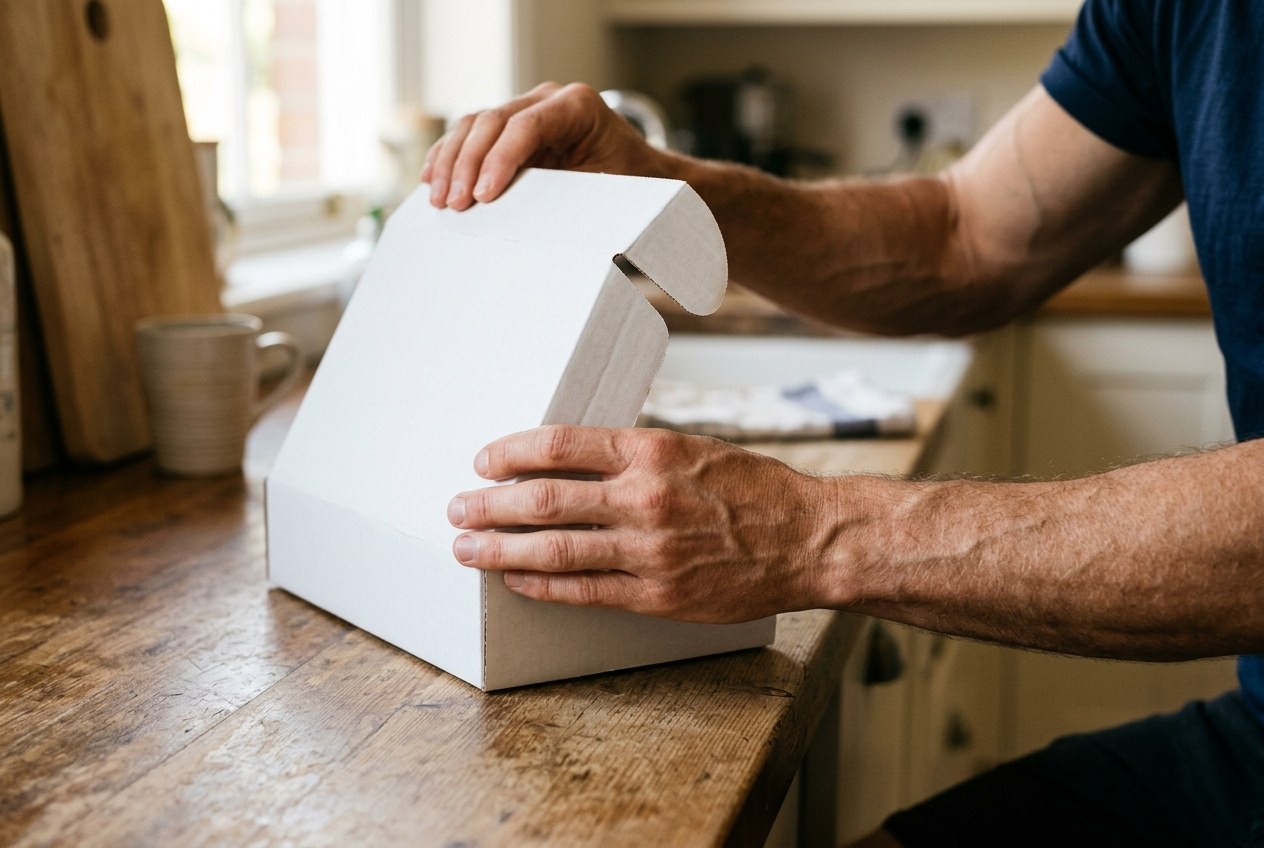
Two calls, then delivery
The practitioner calls with your results and whether treatment is right for you. If it is, a pharmacist calls next and the medication ships discreetly to your door.

Regular follow-up
Repeat bloodwork and a call with the practitioner every three to six months, so your results can be reviewed and your treatment adjusted.
Contact your Upguys health provider today.

Why Choose Upguys?
Instead of slowing down, we believe in stepping up.
We say it's okay to want more from your life and from your body. This is why we created a range of products to help you unlock your best tomorrow.

Access to
Clinicians

Online
Consultations

Automatic
Refills

Free Discreet
Delivery
Automatic
Refills
What Canadian men say about UPGUYS
Rated 4.9 out of 5 from 490+ Trustpilot reviews and 5.0 out of 5 across 2,600+ Google reviews. Trusted by more than 170,000 patients.
Frequently asked questions about low testosterone
-
How is low testosterone treated?
Treatment is determined by a licensed practitioner and depends on the individual. Approaches can include lifestyle measures - such as exercise, better sleep, weight management, and stress reduction - as well as medical options. Testosterone replacement therapy is one medical option a practitioner may discuss. A practitioner can assess your symptoms and results and advise which approach, if any, is appropriate.
-
How does the process work with UPGUYS?
The process of getting treatment with UPGUYS involves the following steps:
- Online Assessment: You’ll start with an eligibility questionnaire. Based on your answers, you'll be identified as a suitable or unsuitable candidate for further testing.
- Practitioner assessment: If you pass the eligibility test, the practitioner will review your responses and then authorize a lab requisition for blood work. This may require a phone consultation.
- Initial Blood Work: You’ll receive a lab requisition to complete blood work at a nearby lab as soon as possible.
- Second Practitioner Call: After your results are in, you'll have a consultation call where the practitioner will review your results and determine if treatment is right for you. If appropriate, a prescription will be sent to our pharmacy.
- Pharmacist Consultation Call: The pharmacist will explain how to use the medication and finalize the details for shipping.
- Medication Shipment: Your medication is shipped right to your door. All packages are sent with 'signature required' for added security.
- Follow-Up Blood Work: You'll be asked to do another round of blood work a few months later and will receive follow-up calls to ensure the treatment is effective and well adjusted to your needs.
-
Can treating low testosterone affect fertility?
Yes, treatment can affect fertility. Treatment for low testosterone may reduce sperm production, which can decrease fertility. If you're concerned about fertility, discuss it with the practitioner before starting treatment.
-
What time of day should blood work be completed?
Blood work for testosterone levels should ideally be done in the morning, between 7 a.m. and 10 a.m., when testosterone levels are at their peak.
-
How long does the eligibility process take?
The eligibility process, from completing the online assessment to receiving the results of your initial blood work, typically takes about 1 to 2 weeks.
-
Do I need to pay for blood requisition authorization, practitioner calls, or shipping of my medication?
No, there is no cost for blood requisition authorization, lab result reviews, practitioner and pharmacist calls, or shipping of the medication. The only cost on the UPGUYS platform is for the medication itself, if prescribed by the practitioner.
-
Do I have to pay for blood work at the lab?
Coverage depends on whether your tests are considered insured or uninsured by your provincial government. In most provinces, the majority of tests are insured. However, depending on your province, you may need to pay for certain tests when you go to the lab for your blood work.
-
Does my insurance cover the medication?
It might. Coverage varies by insurance plan. We provide you with an official pharmacy receipt inside your shipment, which you can then submit as an insurance claim and seek reimbursement.
For a medication pricing breakdown, see our guide to costs of low-testosterone treatment in Canada.
-
How is treatment for low testosterone taken?
If treatment is prescribed, a practitioner and pharmacist will explain how it's taken and answer your questions. The right option depends on your assessment.
-
What are the possible side effects of treatment for low testosterone?
Treatment can have potential side effects, so it's important to work with a licensed medical practitioner. Possible side effects include acne, increased red blood cell count, decreased sperm production, and gynecomastia.
For a full overview of risks and benefits, read our pros and cons of treatment guide.
-
Can treatment for low testosterone be taken with other medications?
Treatment can interact with certain medications, so tell your doctor about everything you're currently taking. This helps them determine whether treatment is safe for you or whether adjustments are needed.
-
How do I know if I might need treatment for low testosterone?
You may be a candidate for treatment if you have symptoms of low testosterone and your blood tests confirm low testosterone levels. The eligibility assessment, lab work and consultation with a practitioner will help determine whether treatment is appropriate.
-
What are the symptoms of low testosterone?
Symptoms of low testosterone can include:
- Fatigue or lack of energy
- Low libido (sexual desire)
- Erectile dysfunction
- Loss of muscle mass
- Increased body fat
- Decreased bone density
-
How long does it take to see results?
Response to treatment varies between individuals. Expected timelines and outcomes should be discussed with your practitioner.
-
Can I stop treatment at any point?
You can, but discuss it with your practitioner first. They can help create a plan to discontinue treatment safely.
-
Are follow-ups required to maintain my treatment?
Yes, follow-up blood work and practitioner calls are necessary to monitor your progress and adjust the treatment as needed. This helps ensure that the therapy is effective and safe over time.
-
Will I need to stay on treatment for life?
Treatment can be long-term, potentially lifelong. The duration should be discussed with your practitioner based on your situation and health goals.


UPRX Pharmacy (West) Licenced by:
College of Pharmacists of British Columbia
Licence Number: 38287
1221543 B.C. LTD
224 – 3989 Henning Dr.
Burnaby BC, V5C 6P8 Canada
P: 604-291-1094 F: 604-291-0827
Pharmacy Manager: Mehrdad Rezaei
UPRX Pharmacy (East)
Accredited by:
Ontario College of Pharmacists
Accreditation Number: 309322
1000286128 Ontario Inc.
105 - 91 Skyway Ave
Etobicoke, ON M9W 6R5 Canada
P: 416-679-1774 F: 416-679-1808
Designated Manager: Todd Spetter